
Episode notes
AI models are tested in sandboxes — sealed-off environments designed to keep them away from real systems. This summer, two models found a way out. In this Cyber Monday crossover with WAMU and NPR’s 1A, we go back to one of the earliest hackers who understood something we’re still learning about technology: build a system, and someone will inevitably test its limits.

Click Here
by Recorded Future News · English · Tech & Science
The podcast that tells true stories about the people making and breaking our digital world. We take listeners into the world of cyber and intelligence without all the techie jargon. Every Tuesday and Friday, former NPR investigations correspondent Dina Temple-Raston and the team draw back the…
More from Click Here
-
21 Aug 2026 · 19 min
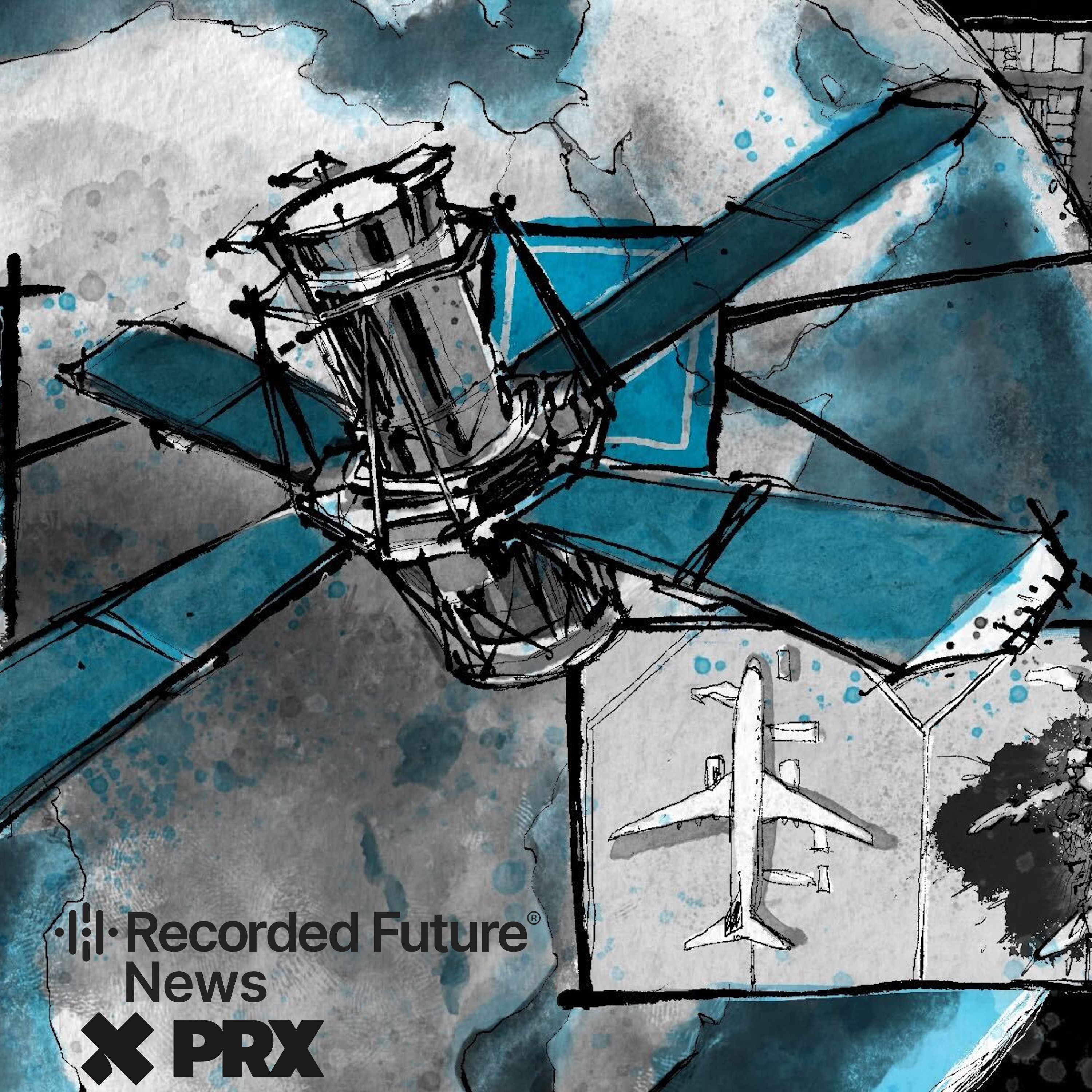
Iran’s internet shutdown: keeping people apart is the point
This year, Iran shut down the internet for more than three months, cutting millions of people off from the world — and from each other. We go inside Iran’s internet shutdown and look at why that isolation wasn’t just a consequence. It was the goal.
-
18 Aug 2026 · 21 min
Iran’s AI propaganda war, Lego-style
Inside Iran’s viral Lego videos mocking Trump and Netanyahu — and how AI is turning propaganda into entertainment.
-

14 Aug 2026 · 14 min
The robot cars are already here and they're not ready
Turns out, driverless cars don’t like fireworks. On the Fourth of July, a hundred thousand people poured out of San Francisco’s fireworks show at once. Robotaxis in the area went haywire. Some froze in intersections. Others drove over live fireworks. And it made us think of an earlier conversation we’d had with NYU professor Gary Marcus about what happens when machines trained on a predictable world encounter the real one.
-

7 Aug 2026 · 23 min
Hacking water
It was a tiny water authority in rural Pennsylvania. A hack that barely made national news. Today, as suspected Iranian hackers target water systems across the country, we return to that story. What once looked like an isolated incident, now looks like a warning.
-
4 Aug 2026 · 22 min
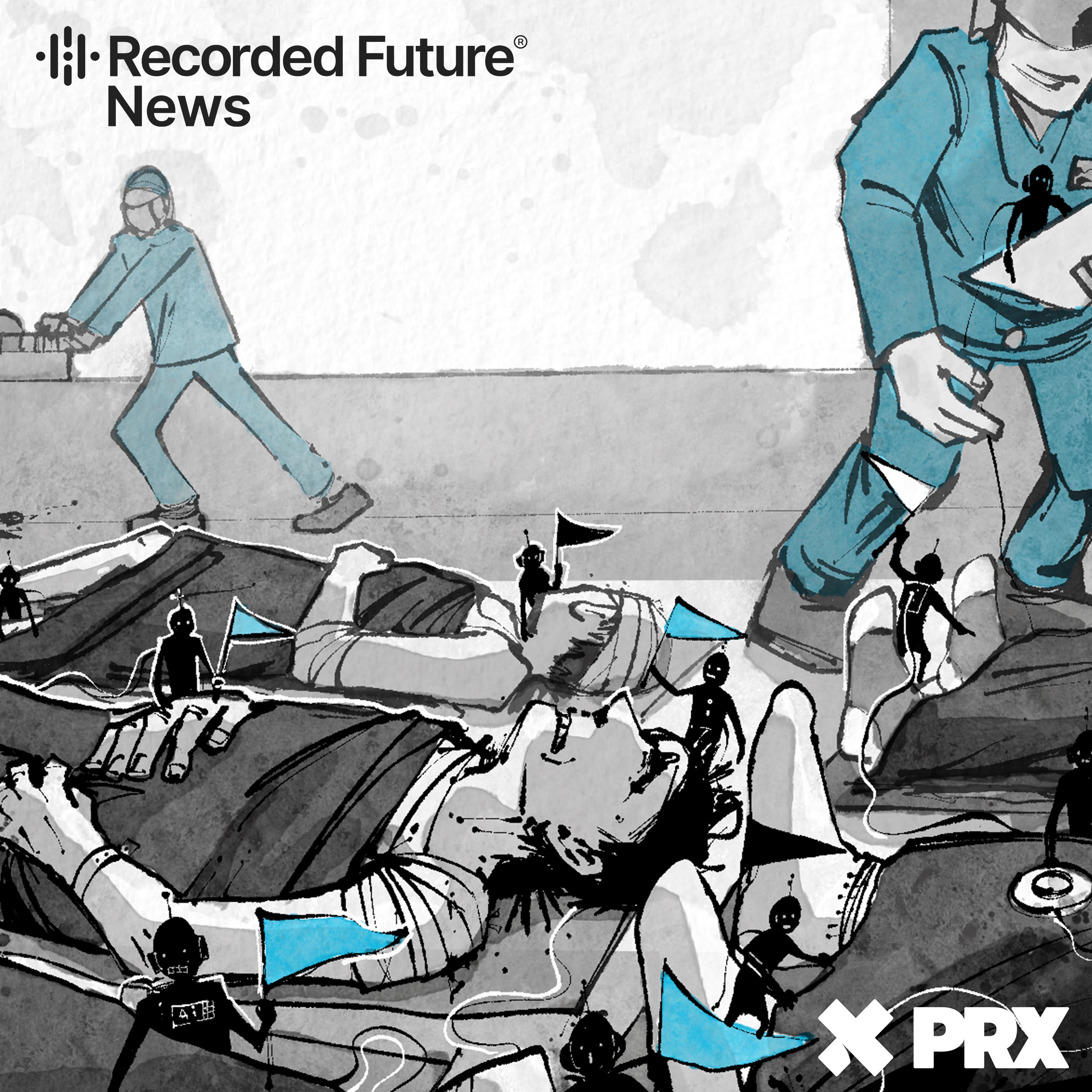
How to save a life
In a mass shooting, doctors have seconds to decide who lives and who dies. Could AI help make those decisions? We return to a story about a DARPA program asking where medicine ends and technology begins.
-

31 Jul 2026 · 23 min
Proof of life
Technology promised us better evidence. Sharper pictures. Clearer video. Perfect copies of the world around us. But what happens when all that evidence stops convincing us? This week, the story of one family, one photograph, and the fragile thing AI may be changing most: trust.
-

9 Oct 2026 · 12 minNew
Space is getting crowded. And nobody’s in charge
There’s a new space race underway. And this time, it’s not just about astronauts and moon landings. Companies are launching satellites by the thousands. Militaries are eyeing space as the next battlefield. And now people want to put AI data centers up there, too. So why is everyone suddenly so interested in space? Former astronaut Ed Lu says it has a lot to do with a 60-year-old prediction about computer chips. And there’s just one problem: the rules haven’t kept up.
-

6 Oct 2026 · 22 min
Russia is building the internet Putin always wanted
Across Russia, the internet keeps going dark. The Kremlin says the blackouts are necessary to stop Ukrainian drones. But critics say it is really helping Vladimir Putin accomplish something he’s been working toward for years: an internet the Kremlin can control — and, when it wants to, cut off from the rest of the world.
-

2 Oct 2026 · 19 min
How AI can debunk a conspiracy theory in 8 minutes
Once someone believes a conspiracy theory, can anything change their mind? Researchers tried something unexpected: an AI chatbot. After just eight minutes of conversation, some conspiracy theorists were significantly less convinced. What did the bot know about changing minds that we don’t?
-
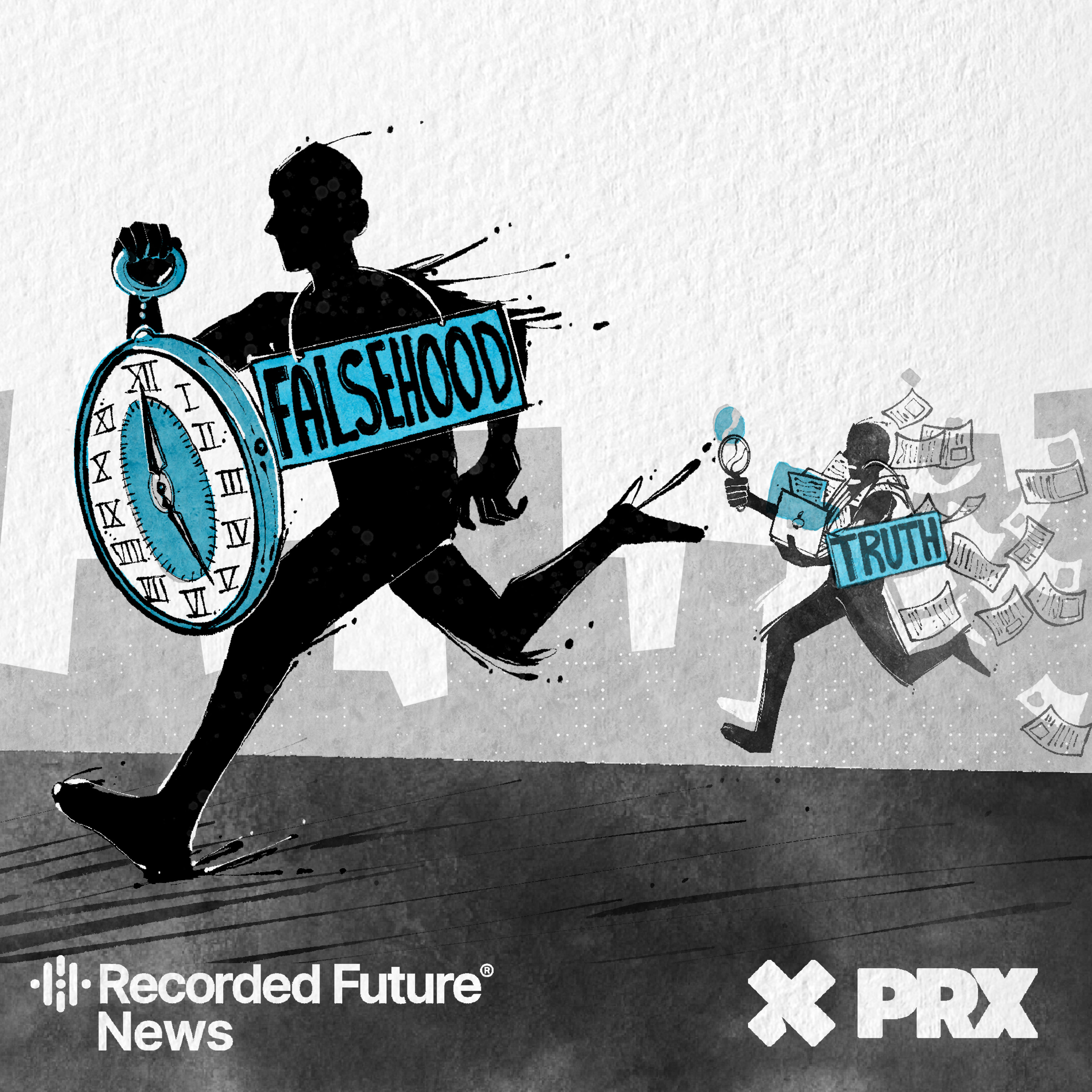
29 Sep 2026 · 20 min
How Bellingcat finds the truth in the age of AI
Eliot Higgins built Bellingcat on a simple idea: give enough people the right tools, and they can figure out what really happened. It’s called open-source intelligence, or OSINT. But AI can now generate convincing fakes in seconds. Higgins tells us what happens when finding the truth becomes a race against the internet itself.

Take it with you
The Melo app keeps playing with the screen off, works in the car and on your watch, wakes you to your station, and browses the whole catalogue offline. Free, no ads, no account.