
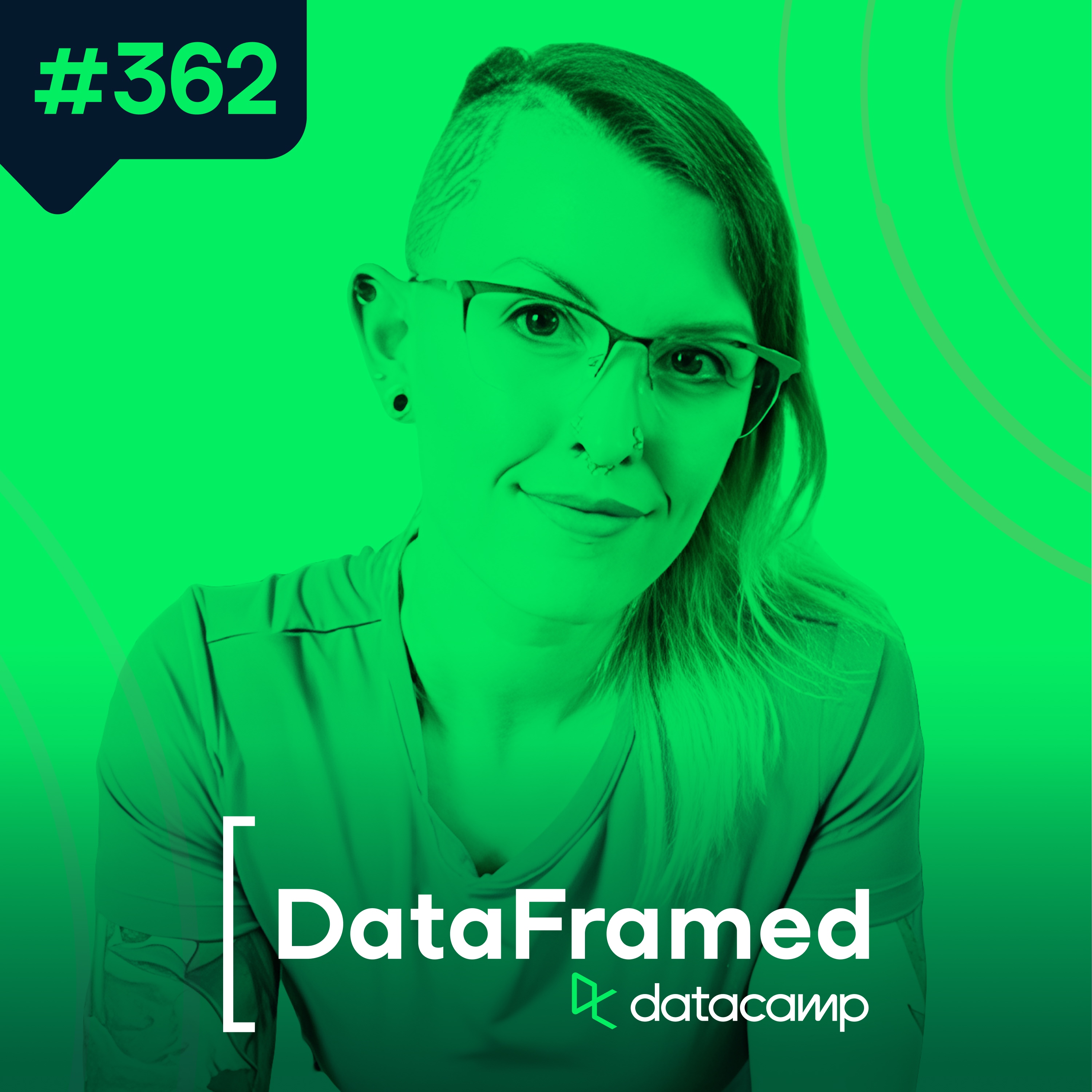
Episode · DataFramed
#362 How to Have a Machine Learning Career in 2026 | Marina Wyss, Senior Applied Scientist at Twitch
1 Jun 2026 · 48 min
Episode · DataFramed
1 Jun 2026 · 48 min
The role of the machine learning engineer is being rewritten in real time. AI coding assistants are absorbing parts of the day-to-day, planning and evaluation are eating up more of the week, and the lines between machine learning engineer, AI engineer, and data scientist are blurrier than ever. For anyone working in data and AI — or trying to break in — this shift changes what skills are worth investing in, what employers actually screen for, and how interviews are run. What's still worth learning? What does a competitive portfolio look like? And how do you stand out when a thousand…
by DataCamp · English · Tech & Science
Welcome to DataFramed, a weekly podcast exploring how artificial intelligence and data are changing the world around us. On this show, we invite data & AI leaders at the forefront of the data revolution to share their insights and experiences into how they lead the charge in this era of AI.…
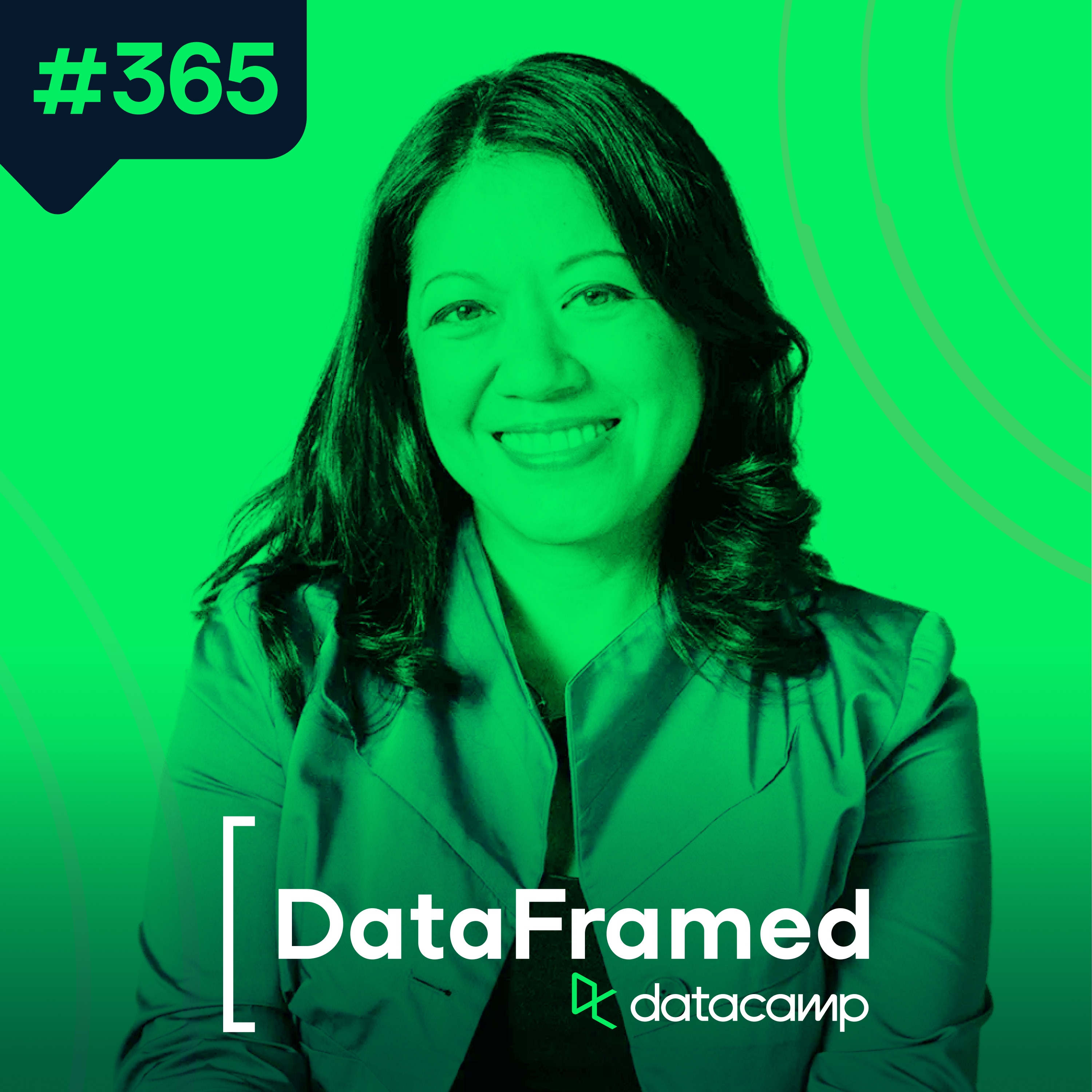
22 Jun 2026 · 53 min
Most organizations know AI matters, but few have turned that conviction into a written plan. Ambition and hope are everywhere; a clear roadmap tied to business strategy is rare. For teams on the ground, this gap shows up as scattered initiatives, tools nobody fully uses, and a lot of activity that never adds up to real value. So where do you actually start? How do you move from a long list of use cases to a focused plan you can execute? And who in the organization should own the job of turning AI into business results? Charlene Li is a New York Times bestselling author and strategic advisor…
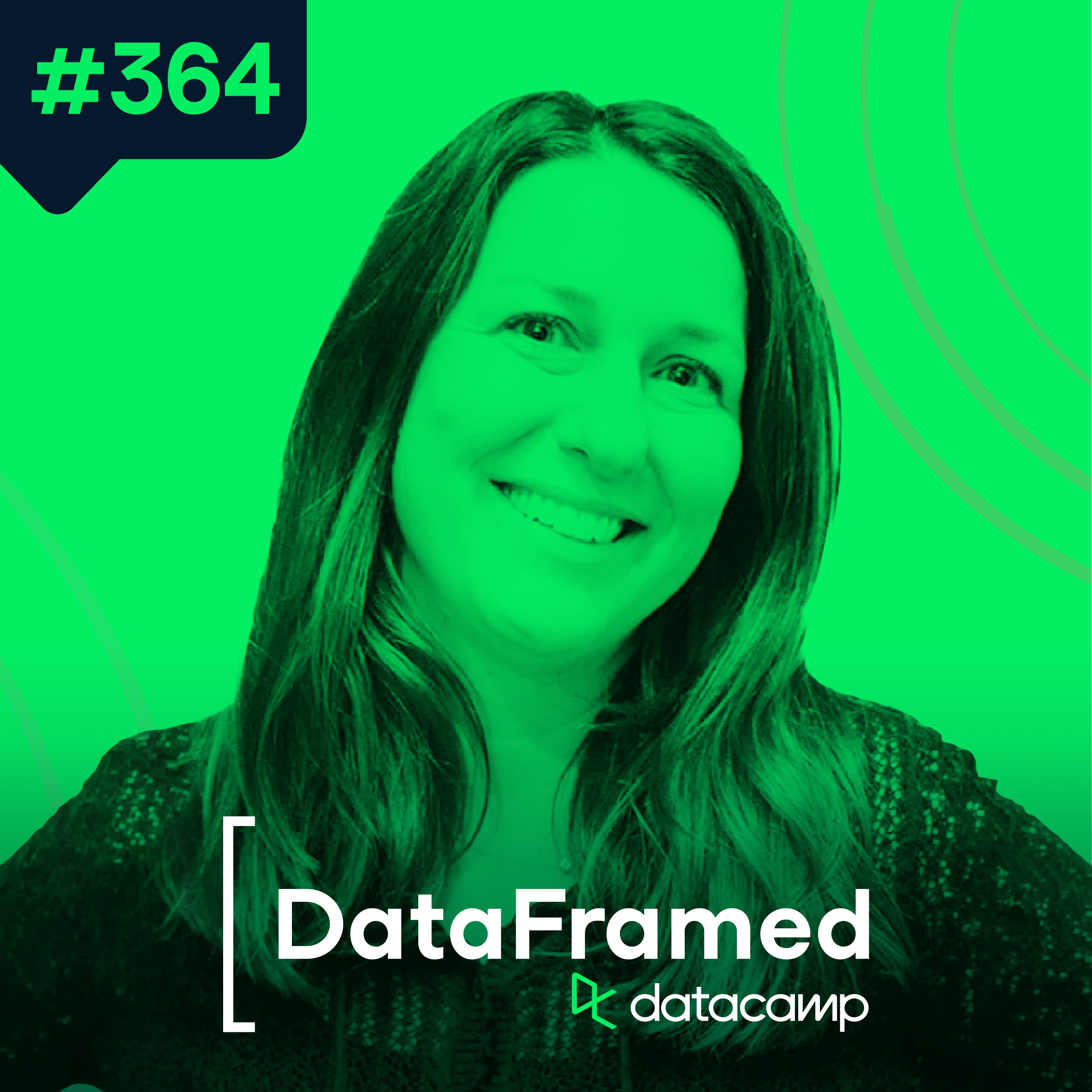
15 Jun 2026 · 44 min
AI agents are starting to handle parts of the shopping journey that used to require human judgment — discovery, comparison, checkout. But behind every agent recommendation is a massive, invisible layer of data infrastructure. Product catalogs need to be structured, inventory synced in real time, pricing accurate, and quality signals clear. For data engineers and teams building at companies like Shopify, this shift means rethinking how data flows through systems and what "good enough" quality actually means. How do you ensure data is ready for AI? And how is this reshaping what data teams…

8 Jun 2026 · 54 min
Technical skills are being commoditized faster than ever. As AI takes on more of the work that used to define a junior knowledge worker, the things that once made someone valuable are becoming table stakes. What compounds in this environment is reputation — what colleagues, clients, and decision-makers think about you when your name comes up. That puts new pressure on visibility. People doing great work in silence are increasingly the ones getting passed over for promotions and external opportunities. So how do you build a reputation without becoming an influencer? What does AI-era…
25 May 2026 · 49 min
Every conversation about AI in data eventually arrives at the same question: which roles survive, and which ones get automated away? Generative AI can already draft SQL, build dashboards, and run exploratory analysis — but it still can't sit with a business stakeholder and untangle what "customer" actually means across five teams. For data professionals, that shifts the day-to-day from production work toward translation, modeling, and judgment. So which skills are worth doubling down on? Which roles are becoming central, and which are quietly disappearing? And what should anyone hiring — or…
18 May 2026 · 57 min
Most AI ethics conversations sound the same: be fair, be transparent, be accountable. The values are right, but in practice they don't get teams out of bed in the morning. Executives nod along, employees take the compliance training, and meanwhile real risks like hallucinations, cascading failures, and autonomous agents acting at scale slip through. So what shifts when teams stop chasing an ethical ideal and start naming the specific disasters they want to avoid? Who needs to be in the room to spot them? And what kind of training actually changes how people use AI day to day? Reid Blackman…
12 May 2026 · 44 min
Valerie Tiberius is the Paul W. Frenzel Chair in Liberal Arts and Professor of Philosophy at the University of Minnesota. She is an expert in ethics, moral psychology, and well-being, and the author of five books including What Do You Want Out of Life? and the forthcoming Artificially Yours: Real Friendship in a World of Chatbots (Princeton University Press, May 2026). She previously served as President of the Central Division of the American Philosophical Association. In the episode, Richie and Valerie explore the purpose of friendship and whether AI can replicate it, the benefits and risks…
7 Oct 2026 · 48 min
A job title can stay the same while the work underneath it changes completely. That idea ran through RADAR 11x, our online conference, and this recap keeps the best moments from four of the day's eight sessions. You will hear how to sort your tasks between you and AI, which durable skills hold their value, why pilots stall before production, and how software teams work with coding agents. Missed RADAR? Start here. Which tasks should AI take over? Which skills deserve your next hour of learning? Featured in this recap: Ben Zweig, CEO at Revelio Labs; Nicole Immorlica, Professor at Yale…
28 Sep 2026 · 48 min
AI agents are moving from demos into production, but many teams run into the same wall: responses that take too long and cost too much. As models grow bigger and reason through more steps before answering, every chained agent adds delay, and that adds up fast at scale. For data and AI professionals, this raises a practical question: how do you pick a model and an inference platform that keeps a multi-agent workflow fast without blowing the budget? And underneath that choice sits a bigger one — how much of the AI stack, from chips to software, should a company actually control? Sumti Jairath…
21 Sep 2026 · 51 min
As agents take over more of the actual coding, the nature of technical work is shifting from producing software to judging it. Engineers increasingly spend their time specifying what should be built and then checking whether an agent's output actually solved the problem, rather than writing every line themselves. That changes what skills matter for a career in data and software: problem-solving and evaluation start to outweigh knowing today's specific tools or syntax. It also raises a harder question for teams — if agents can generate work this fast, how do you know which of it is actually…
14 Sep 2026 · 38 min
Hypergrowth companies rarely scale on strategy alone — they scale on how fast decisions get made and how much risk employees feel safe taking. A recurring idea in high-growth environments is treating decisions differently depending on whether they're reversible, and rewarding people for making an impact rather than simply avoiding mistakes. For managers and individual contributors alike, that shift changes what "good work" looks like day to day. Which of your team's decisions actually need a leader's sign-off, and which ones would move faster if people just tried something and adjusted? Jon…

The Melo app keeps playing with the screen off, works in the car and on your watch, wakes you to your station, and browses the whole catalogue offline. Free, no ads, no account.


