Episode · Embracing Marketing Mistakes
EP 128: Why CFOs Keep Killing Influencer Budgets
15 Sep 2026 · 50 min
Episode · Embracing Marketing Mistakes
15 Sep 2026 · 50 min
Influencer spend hit $32.55 billion in 2025, and most brands still can't prove it works. In this Prohibition PR webinar, Chris Norton and Will Ockenden break down why influencer marketing keeps losing boardroom arguments, the mistake that turned a Brit Awards influencer activation into a creator revolt, and the six-part framework that turns influencer spend into a revenue channel instead of an awareness line item. Chris covers the boardroom case for influencer marketing, the Mastercard Brit A...
Tap a chapter to play from there.
Chris Norton:Welcome to another Prohibition PR uh webinar. Thank you for all joining us. I'm Chris and that's Will and we'll introduce ourselves in a minute. But the today's session is all about influencer marketing and uh using influencer marketing in a more authentic way in 2026. Hopefully looking at um the various bits and pieces that'll help you get the most from your influencer marketing campaigns. So we'll get into it. Um today's uh event is on from creators to closers, it's all about building influencer marketing uh programs.
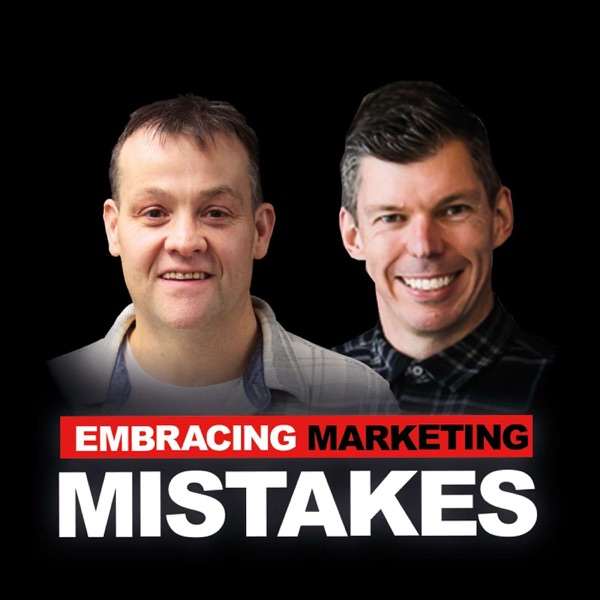
Chris Norton:Uh we've been doing influencer marketing well since it came out. In fact, um we have sort of kind of influencers ourselves because Will and I, which brings me nicely on to our slides. Um, yeah, um Will and I both host a uh podcast called Embracing Marketing Mistakes, which is, I think today it's in the top 10, but it's normally number one, number two, number three, depends on you know, it's the Apple charts. Um but our podcast is called Embracing Marketing Mistakes, and it's all about people screwing up in marketing.
Chris Norton:We we interviewed some of the world's top marketing um experts and we asked them for a mistake that they've screwed up on, and it's really entertaining. So if you haven't seen our podcast, it's on YouTube, it's on Apple, it's on Spotify, it's uh all the places where you get your usual podcast, check it out because you um we'd love to hear uh your thoughts on that as well. And we do feature some of the webinars that we do, we we we put them on as podcasts as well.
Chris Norton:So this is what we're gonna be going through. We're gonna have a couple of slides on who we are. Um then we're gonna go into why influencer marketing um uh yeah, why influencer marketing is under the CFO scrutiny, um, the mistakes brands make when it comes to influencer marketing programs. Um, we're gonna look at some case studies and then Will's got to look at like a framework and how to take that all to your desk basically from then on and use it today.
Chris Norton:So, because we've done we did the future of influencer marketing a couple of years ago, but we've been doing we do programs for loads of clients uh at our end, but we'll get into who we are on the next couple of slides. So uh I'm Chris Norton, I'm the founder of Prohibition. We are we've been going 16 years. Um, yeah, uh that's me, Will.
Will Ockenden:Yeah, I'm uh creative and strategy lead, also IT expert, as you've just seen. Um and uh yeah, I'm gonna talk through the second part of this, um, which is really a kind of a practical framework about how you can take a lot of the learnings and actually put them into action. And we always aim for these sessions to be super practical, and we you know we want you to go away and be able to do things differently tomorrow. That that that's our aim, really.
Chris Norton:Yeah, so uh Prohibition, we're the biggest PR agency in Yorkshire. We do social media, public relations, and content. So we we currently are doing a lot of videos for Watches of Switzerland group for their Rolex for yeah, they sell the biggest resellers of Rolex in the UK, and we're doing all the videos for them, which is really, really cool. Some really high-end stuff. We can do everything from yeah, um piece to camera like this, or right up to Netflix quality, which is why we've got we do podcast series for clients as well that rank properly.
Chris Norton:Uh, and our whole strategy is about helping ambitious brands grow faster. So we try to help brands grow um from small right up to you know, some of our clients are multi, you know, multi- multi-billion pounds. Um, and the services that we provide um in terms of growth, we do obviously we do public relations, social media, and content, but we've got specific campaign, uh, specific uh programs that we and cat and uh projects that we do for clients.
Chris Norton:So we've got a growth catalyst, which helps us to um grow a brand from nothing via a campaign. We've got a reputation guardian, which is like proactive and um reactive reputation management. So we do a lot in crisis and we we've done some webinars on crisis management, and the last one was actually on AI misinformation, um, which is quite interesting because that's that's sort of a different take on it, because we've done social media crisis and how to deal with that.
Chris Norton:I wrote um a section in the CIPR's handbook on uh crisis management for social media because obviously social media changed the way you know people with their cameras and smartphones and took crisis from you know just in the media to social media, and now AI has taken that on to another level. Then we've got launch ignition, which is fast impact brand and product launches. So you've got a product that you want to launch and you've got an idea of what you want to do, you can come to us and we can help like grow that quickly and launch it properly.
Chris Norton:And then we've got behavior shift. We do we work with all sorts of different brands from British wool, which is about promoting the benefits of uh a natural fabric, to Yorkshire Water, which is about you know behavioral change with people saving water, using water in an appropriate manner, etc. So behavior shift is is that sort of element, but we do all sorts of different bits and pieces, and also we do some quite um fun and innovative stuff as well.
Chris Norton:But that's enough about us. We want to get into what you're here to hear about, which is about influencer marketing. So let's start the session. And you can't start a session without um first explaining what the hell influencer marketing is. Um, some people will have done loads, some people won't. So, what how is it described? It is the strategic use of trusted individuals, big word there, trust, to shape audience perception, behavior, and purchasing decisions.
Chris Norton:So it's not just promotion, it's not just awareness, and it's not just reach. It's not about renting attention, it's about borrowing trust. So basically, if you follow anybody out there, there'll be people that you really respect. Somebody I really respect in terms of uh health is uh this guy called Gary Brecka, who I watch a lot of his videos because he's often not trying to sell you anything, he's just gives recommendations on the data. And it's it's about that.
Chris Norton:I trust his opinion because he gives it an independent view, although he has started selling some products, which they all do, obviously. Um, and it is an evolving discipline. So, like I said before, we did we've done these events right um, and we're gonna be doing some uh a real life event later this year, which we'll be revealing. We'll be coming around the UK. But um, this we've been doing events right from back in the beginning. So it started um in social media, really.
Chris Norton:So social media, I I worked on one of the first campaigns for bloggers, blogger relations when you couldn't Google a blogger. Um, and bloggers and celebrities was two 2010 to 2016. I'd say bloggers was actually 2000 upwards, you know, before that was pre-dates, um, Facebook and the Facebook and everything. And that was all about game people, bloggers to review a product. So I used to work for Sony Ericsson. We got them to the tech bloggers to review uh the new prototype phone, which had you slid the phone out and it was a keyboard.
Chris Norton:And everyone was like, Wow, there's a keyboard on a phone before smartphones. Seems weird now, but there you go. In the back in the day when you all you could do was play play snake on your phone, um, outreaching a phone with a keyboard was quite a big thing. Um, then you've got um 2016 to 2020, so pre-cam pandemic, Instagram influencers that sprung up to become a thing and start to become where people started respecting them. Then 21 to 2023, you've got TikTok and the creator economy, which is quite interesting.
Chris Norton:And then 2024 and beyond, you've got um AI discovery and trust uh-driven buying, which is definitely happening now. So people are reviewing uh yeah, um, how AI is finding influencers, and I'm sure you've tried to use it. Although you can't the thing with AI is it's so convincing that it's giving you the right answer, and often it isn't giving you the right answer. So you've got to do this. Is the thing we still need critical thinking involved. Uh what we're saying here is we've gone from brand trust to people trust.
Chris Norton:So um consumers trust people over brands. So 77% of people prefer influencer content over traditional advertising. Yeah, so more than two uh two-thirds prefer influencer content over traditional advertising. You'll know yourself, you probably watch influencer content more, even though you know, oh, this is it, and you work in marketing, this is influencer content, I get it. You still watch it rather than you watching an advert, which you might skip.
Chris Norton:Um, decision making happens before your website. So a lot of people these days are deciding to buy um before they even get to you. So they'll watch a video, they'll decide they want it, then they'll go off and search it. We're getting a lot more of that sort of change of behavior. And 74% of people trust influencer recommendations. So they know they know they're being paid, but they still trust it, um, which is interesting because the the key word is is trust.
Chris Norton:And a few years ago it was about digital trust, now it's about people trust. Uh, and social is the new search engine. So 71% are more likely to buy when they research a brand on social or view social proof. So, someone talking about your product or example, you'll know yourself, it works better. So then, the challenge that we've got is why are CFOs and boards questioning influencer marketing still? What's the boardroom case? Why do people still say, oh, it's not worth it?
Chris Norton:And and to be honest with you, we've got clients that when we're saying we should do some influencer work, and you they instantly swap to the you know, uh the Anthony Joshua's or the Kim Kardashians or the influencers you can think of. But but we could be talking about completely niche micro influencers that are relevant to a B2B space as well. This is not just B2C. Um and the case for awareness only is getting um harder to defend. So, and this is the problem.
Chris Norton:So when you when we're like when you're justifying it to your CFO or whatever, and the ROI can be interesting to argue because the average is, and this is for the latest statistics that we've uh we've pulled from, so it's between 520 and 578 per $1 spent, so per pound spent. If you I mean you can do the exchange rate, but 520 to 578 per per dollar spent. Whereas if you look at other channels on for marketing, it's $36 to $42. So it's it can be a bit more harder to justify, but I would argue that's probably because the average of most people are doing poor research, poor execution, and not being authentic.
Chris Norton:And Will's going to explain how that framework you can put together so you get a much better return. Bigger budgets bring bigger questions. So budgets are rising, and so is board scrutiny. So, yeah, the but the budgets of uh the the last stats of 2025, so influencer um spend in 2025, $32.55 billion, a lot. But as with um and same with public relations, to be honest, when we we we measure impact in what we do, that's one of our USPs in Prohibition.
Chris Norton:We'll we've we use the AMEC model to measure business impact. When a client hires us, we ask them a load of probing questions to say, why are you doing this marketing? Why are you doing this campaign launch? What do you want from it? And we always try to tie it straight back to impact, and which can be quite a way through communication and the different things. And measurement still remains a major challenge in 2026. Uh, 70% still uh brands uh now track influencer ROI, but they're saying that it's still difficult to track.
Chris Norton:So um put simply, awareness alone is no longer enough. So you can't just um use influencers to raise awareness of your products and expect that that's going to be enough. The leadership teams are now expect influencer marketing to demonstrate a clear contribution to revenue because everybody has got less money in their pockets. You know, we've got all sorts of things going on on the political agenda, which we won't cover, we're not political. Um, but yeah, that people are things are a little bit tough out there, a bit tougher out there, and people are being a bit tighter with their spend and well, a bit more savvy, I would say.
Chris Norton:Um, so in their own words, you've got here a quote from Steve Salvin, which is the CEO of um and founder of I can't read that. I'm yeah, um Will pulled this one, but vanity metrics give a skewed picture by not tracking real business outcomes. So, yeah, exactly what I was talking about, like tying what you're doing, why are you doing? So it's like the seven whys. Why, why, why, why? Why are you doing that? And why are you doing that? Why have you decided to use that?
Chris Norton:And and as then eventually you get to the reason why somebody is doing marketing, it's usually to increase to grow or to increase sales or you know, that sort of thing, rather than just brand awareness. Um, but influential marketing has a massive opportunity. That's why you're all on this call, you know. Uh that's why you've all joined the webinar, because it is still a massive opportunity. And if done correctly, oh, it flies. With low, you know, we've done we work with numerous clients that do it.
Chris Norton:Stockeld Park, we've just done a uh which is a theme park in the in Yorkshire region, one of our only Yorkshire clients actually, and we've done a whole um influencer campaign for them. And all we do is we might manage uh influencer program for them, and the the the pickup they get on ticket sales from picking the right people and then getting the right people to come and review authentically um their park can have a massive impact on actual ticket sales and whether you we you can attribute that through you know tracked links, etc.
Chris Norton:etc. So done properly, it can drive measurable business business outcomes, build consumer confidence, reduce people from thinking about it or friction, uh, lift conversion. So if you've seen somebody that you really rate and trust, and they talk about a product and they said this is the best one, often that's just strengthened you, it's just made you decide make a decision to go and buy that product. So you can move from content creation to revenue generation, which is the reason why you want to be arguing the case for a bit of spend on influencer marketing.
Chris Norton:But influencer marketing has been around a while. I showed you it started in 2010, probably 2000s, I'd say, with the blogger relations that I was doing with the phone with the keyboard. Whereas now we're we're up to much more sophisticated um things that you can do. Where how does the landline 2026? Um well, um treating creators purely as media um placements can be a big fail. So this is not um, and I I always go back to the BAFTAs example, uh not the BAFTAs, the Brits example.
Chris Norton:I think this was about 2024, 20, uh, sorry, 2004, 2005. And the Brits um did a program where they decided that influencers would be a great idea, and they invited, um, they thought this would be a great idea. Invite who would want to be at the Brits, quite a lot of people. They got a table um for so uh for the Brits right at the front where um they could have a load of influencers, and the influencers could come down and be part of where all the celebrities, musicians, etc.
Chris Norton:etc. were. But what the brand who sponsored it um did, allegedly, Mastercard, um, asked everybody that who was invited for the free ticket that they had, they could come along as long as um they used this exact tweet or this exact post. And it was a very prescribed post saying, um, and each one was exactly the same. Um, and they all they basically all these influencers turned up and did it and they revolted against it, saying we're being controlled when our lads, and uh and obviously that it changed the way that uh they did their influencer marketing.
Chris Norton:So you can't be too prescriptive, you're not buying media placement. It's not an ad, even though it kind of is. If you're talking talking to the ASA, um, you have to use, you know, hashtag spon, hashtag ad uh and and and the various other ways of doing it. Um, but it's not exactly the same because you are using someone else's uh audience and you're using their trust. So um integrated campaigns across four plus channels outperform single channel activity by up to 300%.
Chris Norton:So if you're using an influencer from one channel, hopefully they've got influence in other channels as well. And how can that content then be reused? Um not necessarily absolutely redone, but you can repackage that content to work on more channels because you get a three to three X difference if you do that. It's just being clever with your strategy. Many influencer programs fail because they're treated as isolated marketing activities, not integrated growth strategies.
Chris Norton:So, yeah, that's kind of what I just said. So, and then this leads me to the second thing that um um why people um fail with their influencer programs, and that's misunderstanding the the buyer journey. So the buyer journey is now fragmented across multiple different platforms, like I've said, different channels, different platforms. Now we've got AI. Sometimes the the route to buying is completely different, they're just going straight to AI search, which is really, really fascinating and good for PR because that's where the citations come from for you to appear in that search.
Chris Norton:Um, that's why we did our AE uh AEO and GEO webinar about a year ago. We should probably do a read redo of that. Um, and the buyer's journey is now fragmented across multiple touch points, um, and we need to touch them at each stage. So there needs to be some sort of way that the the customer can see you at different stages and get a feel for what you're up to and what your campaign is about. Um and the the third thing is basically optimizing um for reach and not impact.
Chris Norton:Again, that word impact. So if you just just optimizing your campaigns for reach, it's not gonna work. You need to optimize your uh your campaigns for impact. So brands focus too heavily on reach and impressions, assuming that visibility is gonna drive some sort of result. Last quick um last click attribution ignores the real influences creatives uh creators have earlier in the journey, and the result is activity that looks busy but delivers no impact.
Chris Norton:So you you want some actual revenue from what you're doing. So I've got an example here. I've got a case study that I thought would bring it to life, and this is a case study um that used uh a celebrity that was in um well, a series of celebrities, uh TikTok influencers, but I've picked one video from one series of videos that they did. Um, and it that this that brand is HelloFresh. So um HelloFresh basically they were they basically won at influencer content by uh beating Facebook and Instagram acquisition costs by going organic free on TikTok.
Chris Norton:Um so what they did was they scaled it on TikTok um without sacrificing costs per acquisition. And they did it on TikTok, but they also did a series on YouTube, which is also weirdly another search channel, social channel, a way to find content. Uh so HelloFresh wanted to grow on TikTok while maintaining and beating the acquisition costs. Uh, the challenge was uh match performance media results on a creator-led channel. So here's an example of meals with Mindy, who Mindy um was basically in the office.
Chris Norton:Uh and it's just to show you the diversity of what you can do and make and the of what the products you get in a Hello Fresh uh product, which I I do like. Um so here you go.
Mindy Kalang:Ah, Rogue Tomato, got it. Hey guys, it's Mindy Kalang, your favorite actress, producer, role model, etc. etc. You might know me from the office or the Mindy project. I was also in and edit the museum as a tour guide for five seconds. So you must be wondering what I'm doing here. The answer is I'm cooking HelloFresh, America's number one meal kit. Some of you know that I love cooking, but I don't have the time to spend forever in the kitchen. I have like three jobs and two kids who insist I play hide and seek with them nine hours a day.
Mindy Kalang:Time to go pick up my groceries. Be right back. Fancy seeing you here. Okay, I'm back. Ooh, what have we got here? Garden spinach ricotta ravioli. This looks bomb. And with zucchini ribbons, ginger lime salmon looks very classy and healthy.
Chris Norton:So you get you get the gist. So what they did, they partnered with lifestyle and food influencers to create organic looking content. They also partnered with celebrities, which is an example I've just used there. Oh, well, you've just done it again.
Will Ockenden:Sorry, I've done it again. Keeping you on your toes.
Chris Norton:Yeah, they boosted top performer creator videos. So basically what they did was they looked for um, which is a great strategy, is when you're you're working with influencers, if you've got a piece of content, they might do four or five different videos for you. So Mindy there did a chain of five or six videos, each with over a quarter of a million. Um, and then you'll pick the most the the best video that delivers the best impact. And then the brand can amplify that with uh paid ads, and it's creative content, which is much better use of you're gonna spend money on advertising, advertise content that actually gets your brand talked about in by the right audience and has got trust.
Chris Norton:All brilliant. So I will now pass you over to Will.
Will Ockenden:So Chris has given some really good context. Um, what I want to now talk about is a framework essentially for building an influence and marketing strategy. And some of these issues Chris has already already mentioned. So the six areas I'm going to talk about, first of all, identifying influencers who have actually got a commercial influence. And this comes back to the idea that you know, if you're a niche um B2B tech provider, what value really would working with Kim Kardashian bring?
Will Ockenden:You know, you might you might reach 500 million, um, an audience of 500 million, but how many are relevant to you? So it's the idea that actually choosing influencers that are gonna are gonna move the dollar commercially and not just to generate mass awareness. I'm gonna talk about long-term relationships, which is a big shift that we've seen in influencer marketing over the last few years. Um, mapping influences to the full buyer journey, i.e., not just to the top of the funnel.
Will Ockenden:We're gonna look at how you can integrate influencers into demand generation. And Chris actually touched on that in terms of you know looking at high performing influencer content and using that as the basis for ads. Um, AI discovery. It wouldn't be a webinar if we didn't talk about AI. Um, and influencers can um have a big impact on how discoverable your brand is, and then finally, um And measuring properly. And that allows you to have much more meaningful broad conversations with regards to your investment in influencers.
Will Ockenden:So identifying commercial influence. So essentially, this is a slightly different way of looking at who you work with. And it's a kind of a move, it's a mindset shift, really, moving beyond the idea that we just need to work with influencers who have got enormous audiences and high follower counts, and shifting more towards persuasion. So less interested in popularity, more interested in our influencers' ability to actually persuade our audience and drive our audience to some kind of action.
Will Ockenden:And ultimately, this comes down to authority. So the big shift we're seeing is brands looking at those much more niche influencers who have got real authority in a specific category. And they might be an influencer with a few thousand followers in some cases rather than millions of followers. But actually, that can have way more impact. And the Venn diagram on the right is the middle, really, is where you need to aim. So they've obviously got category authority in whatever niche you're in.
Will Ockenden:They've got trust and credibility amongst their key audience, and they've got contextual relevance at the point of decision as well. So an example being, you know, you might be a software brand launching a new product to market. So they might work, rather than working with a macro influencer or a journalist who's got a general, you know, a general reach and a general appeal, they might decide to work with a niche industry consultant who is absolutely relevant to that piece of software they're launching to review their tool.
Will Ockenden:And actually, in this case, their expertise, albeit with a much smaller reach, carries way more weight and way more influence at the point of decision than somebody that's much more general. And this is a real shift we're seeing is this kind of niching down when it comes to the type of influences brands are working with. However, despite that, only 37% of brands, by the way, somebody asked about sources. Um, when we send the deck through, there's going to be a list of all the all the research sources linked up.
Will Ockenden:So you'll be able to see read the reports in a bit more detail. But only 37% of brands actually match creators to niche relevance, um, despite there being real clear performance games. And there's a whole body of research suggesting the more niche you are, niche and relevance is absolutely um, you know, that that's the way to kind of supercharge what you're doing from a um from an influencer perspective. Um, and when you when we talk about the persuaders, you know, um they they kind of fit into the the um the influencer hierarchy, a bit like this, really.
Will Ockenden:You know, you've got your entertainers, um, I mean, these are broad categories, and entertainers typically are kind of broadcasters or celebrities, and and you know, their job is to get a message in front of a very big, wide, relevant demographic. You've got amplifiers who are similar, really, but they, you know, they they they're great for reach. But really, what we're talking about here is the persuaders. And if you can find these kind of niche persuaders, they're the ones that could potentially close um a deal for you rather than just generating the awareness.
Will Ockenden:And we keep talking about kind of um, you know, people, people, uh influencers operating further down the marketing funnel. Sometimes you might just want to get mass reached, and that's fine, but you need to be aware that actually the influencers can do so much more as well. Um, the second area, um, which is a big trend we've seen over the last couple of years, and a lot of brands are recognizing the benefits of working with influencers on a much more long-term basis.
Will Ockenden:And I've got some examples of of how this might look, and it's the idea that essentially consistency beats spikes of activity every time. Um so that means longer-term relationships with influencers, you know, rather than a one-off activity or an activation, this is probably working with them on a on a retainer on a kind of a you know, an on a rolling um annual basis. And there's a lot of research suggesting um there's benefits to this. So um 70% engagement uplift from long-term creator partnerships versus one-off campaigns, and and you can understand why.
Will Ockenden:If you choose the the appropriate um creator or influencer, your audience will get to know them, they'll get to understand why they're working with you, they can have a more um in you know, a deeper, more meaningful relationship with them. So brands see an uplift um when they work with long-term creators, obviously, providing they work with the the right, the right type of creators. And this this made me smile, actually. This one. So 44.9% of creators prefer long-term, long-term brand relationships over one-off deals.
Will Ockenden:Of course they do, because it means they get they get to be on a retainer and they get to work with the brand um for many months rather than for you know one week at a time. So creators prefer it, and there's an audience benefit as well. Um, an example, this is one of our clients, um Burgess, which is a um a very um you know, high-quality pet food manufacturer. Um, this wasn't this was this was a relationship they actually brokered. They've got a really good in-house team.
Will Ockenden:Um, this was a kind of a relationship they brokered um many months ago. But essentially, um they they operate in a specialist category, which is small animals, specifically rabbits, um, which is what the Burgess XL product is is focused on. And they've got a um relationship with Ronnie the Mini Lop. So if anyone is a um a rabbit, um a rabbit fan, uh a mini-lop is a type of rabbit with the big floppy ears. And there's a huge trend for kind of pet-led influencer accounts, funnily enough.
Will Ockenden:There's famous dogs, there's famous cats, there's famous gerbils, you name it, there's there's probably famous goldfish as well. And these, you know, these these um in these animal influencers, with the help of their um pet parents, of course, have got huge audiences. But Burgess basically struck a deal with um Ronnie the Mini Lop, um, which is uh super cute rabbit, very, very um, very engaging content, and basically worked with Ronnie the Mini Lop um over the long term.
Will Ockenden:So this isn't a one-off activity, this is an annual relationship. And essentially, um, Ronnie the Mini Lop provides eight creative videos per month. This is then reshared and repurposed across Burgess's channels, um, which is a great way of kind of sweating that content. Um sometimes that'll be online, um, sometimes that'll be on their own social channels. They also push an affiliate discount code um for um Burgess product, which has a direct impact on their sales.
Will Ockenden:And they've even got to the point now where they're expanding into co-branded products where they're featuring Ronnie the Mini Lop on um on point of sale and on pack um uh on pack artwork as well. So this is a really good example of um a long-term relationship that goes way beyond um you know brand awareness into sales, into branded products and so on and so forth. And this is a great relationship that's that's set to continue um for the long term.
Will Ockenden:You get the idea, but beautifully shot content, um, really you know, answering customer questions, pushing well-being messaging, weaving in product messaging very subtly in a in a kind of a non-contrived way. By the way, you watch that once, and then the algorithm decides you love mini lops, and you start getting served hundreds and hundreds of mini-lop videos on Instagram, which is basically now my feed. We believe um very different brand. Um, Gymshark, a brand Evan uh most people will be familiar with.
Will Ockenden:So um what we found quite interesting about Gymshark was um, and you know, that they've got a great product, they've got a great brand, and they've got an interesting story. So, you know, that their phenomenal grand broad uh brand growth isn't just down to this, but really they're they're the playbook, if you like, for building a community first brand. And from the very early days, they worked with brand ambassadors um and fitness creators um on an ongoing basis, you know, and and this what this wasn't kind of one-off content, it was long-term relationships.
Will Ockenden:They worked, you know, they they built a kind of um an influencer army, if you like, who basically told the brand story through their own lens, um, whether it's micro influencers, mid-tier voices, but all of them had real kind of credibility, particularly in this fitness space. There's a lot of people with real kind of niche authority. And there's there's a you know, a body of evidence suggesting what this was one of the key factors in them building such an authentic brand.
Will Ockenden:Um, and it's now worth something like $1 billion. Um, hugely valuable brand, massive UK success story. And like I say, it's not the only factor, but in our view, this is one of the factors that um has driven the brand to be seen as such an authentic, exciting, particularly kind of Gen Z focused brand. And the lesson here is you know, long-term relationships, as we've said, beat these one-off campaigns. Um, and community is is is the growth engine.
Will Ockenden:Third area um we believe people should look at, and and Chris kind of alluded to this in in some of the introduction, but mapping influencers to the full buyer journey. So I think traditionally the the kind of the this the semi-old school model of working with influences is that yes, let's use influencers just for the top of the funnel. So it's just about awareness, brand discovery. That's still valid and that's still fine, but actually there is the opportunity, if particularly if you want to link influencer activity to revenue and to kind of drive ROI, is to start thinking about how you can work with influencers at other parts of the funnel as well.
Will Ockenden:So you've got your top of the funnel, and that um, you know, ultimately um that's introducing your product. It might be um, you know, launching a product, building that initial interest, um, making sure your brand is discoverable, particularly on social search, um, you know, creating a memorable first impression. If you're on TikTok, that might be some sort of trending content or engagement or entertainment content. That's fine. But then let's think about the mid-middle of a funnel.
Will Ockenden:So mid-funnel typically consideration, that's where we can start to lean on influencers. Okay, let's let's get a bit deeper, let's compare our product with others, let's educate our uh our audience into why our product is interesting, relevant, different. We might start to look at objection handling. So, you know, what are the top objections to our products? Can we ask our influencer or our creator to actually resolve those and answer those? Why shouldn't I buy this?
Will Ockenden:Questions. So ultimately, starting to think mid-funnel starts to then inform the type of content we um we we challenge our creator to actually come up with. But then bottom of the funnel, this is obviously the sharper edge of it. This is decision making, and this is where we can look at things like validation or risk reduction or proof points, proof of effectiveness, and also the the kind of the other message is that you know somebody like me uses this, which can be really, really powerful, particularly if you choose a relevant influencer that your audience um trusts and and resonates with.
Will Ockenden:But ultimately the message here is if you brief your creator properly, um, and we we would always be cautious over briefing a creator because it needs to be authentic, but if you can highlight how their content can be um you know uh geared at each element of the marketing funnel, you can then start to support the full journey, which can be really, really powerful. Um the next area is um is integrating influencer content into demand generation. I don't know why demand generation has been written twice there.
Will Ockenden:That's the typo, deliberate mistake, keep you on your toes. But essentially, this is about moving influencers out of their silo and starting to look at how we can use them in the paid media um space and and in our sales engine. And there's various ways you can do this, and we've we've sort of talked around this a little bit, but there's a term called whitelisting, um, which is kind of bandied around a lot. But essentially, call it whitelisting, call it creator licensing.
Will Ockenden:What we need to do, and this comes down to um a line in your influencer contract, essentially, which is securing contractual rights to use creative-produced videos as potential creative for your social media ads. So most creators are okay with this. Um, like I say, it's a line in an influencer contract, which no doubt you're getting them to sign off on anyway. But the idea is, you know, should their content perform really, really well, you have then got the right to use that in some capacity through your own social ads, and then it moves on to the second stage, which is the organic to paid loop.
Will Ockenden:So if you get if if you you know, let's say um Ronnie the Mini Lop um does eight posts in a month, one of those posts gets 20 times the engagement of every other post. That tells us that the algorithms love that content, and that tells us that somehow it answers an audience question or engages with audiences in some kind of meaningful way. Now, paid algorithms work in a similar way to organic algorithms. So actually, the chances are if you then start using that ad as a dark post conversion ad, that's going to absolutely fly as well.
Will Ockenden:So whitelisting gives you the that freedom to basically use um high engaged, high engaged um organic posts, implementing organic posts as as conversion ads. And that can be really, really effective. And um as you know, the the stats you guys said, you know, in most cases that outperforms brand-led content. So it's a really um a really kind of uh useful thing to do, particularly if you want to link to sales. And then you can start to use that content with your sales team.
Will Ockenden:So you might take some of that high performing content and then um you know use that as sales literature or third-party proof points, or you might feature it on your website on the QA page, and it's just this really kind of joined up approach where you're getting more from influencers and um, yeah, and and and leveraging the algorithms, essentially. Um and essentially, you know, this is not rocket science, but creator-led ads outperform brand-led creative for a number of reasons.
Will Ockenden:A, they're they feel more authentic. Um, you know, like it or not, uh you know, a good piece of influencer content probably is going to feel more authentic than something the brand's created. Um, it's typically more native to platforms. This is what they do for a living in most cases. These creators will absolutely know how the platforms work, what their audience work, and it just feels more native, less polished and less ad-like, and more relatable to buyers.
Will Ockenden:And ultimately, I think authenticity is the key thing here. Um, so yeah, we would absolutely recommend um you know taking that kind of approach. Here's a bit of a workflow actually that that might be useful into what to do. So essentially, you've got your organic creator content, you might have 50 or 100 pieces of organic content, um, creator content going live every month. Obviously, you're measuring it, you're tracking it, that you're looking at the engagements it gets, the web clicks.
Will Ockenden:You need to be identifying those top performers, and typically um every month you're going to get one or two pieces of content that absolutely, you know, outliers in effect that absolutely fly. You know, we we sometimes call it unicorn content, and you might get something like five to ten times the typical engagement from that post. So when you then get those top performers, you need to quickly repurchate that for paid ads. Um, if it works, if if you're getting a um, you know, a ROAS three, four, five times your typical ROAS, scale the campaigns, and then ultimately that will scale conversions.
Will Ockenden:And creating this kind of workflow every month is really, really important. And essentially what you'll have is a whole bunch of ads that are um creator um produced and outperforming your brand-led ads as well. Um so it wouldn't be a webinar if we didn't talk about AI and AI discovery. Um, so if you've been on a, by the way, we've we've we've recently done a um a GEO generative engine optimization um webinar. We've done lots of podcasts on it as well.
Will Ockenden:Um, you can actually go on to our landing page for the webinars, and um, I think a couple of these are on demand, but um with without talking for an hour about it, essentially, as you all know, this year and last year, brand discovery is no longer just Google. Um, you know, we're seeing this kind of rise in zero-click behavior where people are increasingly using AI generated summaries rather than scrolling through um 10, you know, two or three pages of links.
Will Ockenden:Um, and social search as well is is increasingly dominant. So chances are if people are discovering your brand, that they're doing it through AI summaries and social search, and it's this kind of movement towards consumers, quite rightly, wanting one great answer rather than having to spend five minutes scrolling through a load of links. But the point is um, you know, working with influencers um in a strategic way can support your brand discovery, and there's a number of ways it can do this.
Will Ockenden:First of all, um AI um looks for human signals when it just decides which brands to feature in its AI summaries. So when you work with creators, there's the opportunity to use specific keywords, make sure they use natural language, not um overly jargony sales language in their captions, in their audio, because AI recommendations basically prioritize these human signals over brand, what we call brand-coded content. So um, the more human and authentic ways influencers can discuss your key messages, your products, the better and the more likely you are to be surfaced in AI summaries.
Will Ockenden:Having an always-on presence will help as well. So um the way the um the LLMs work is that they look for um you know uh frequency of brand mentions rather than just kind of one-off campaign spikes. So um these ongoing relationships, these influencers talking about your brand um over the long term rather than the short term will help with your visibility. And then the final point is platform diversity. And you know, ideally working with influencers, if you can distribute their content across multiple platforms, um, whether that's TikTok or Pinterest or YouTube or indeed on your own channels as well, that um that helps with regards to the social search.
Will Ockenden:And and social search is huge now. You know, you look at you look at Gen Z, um, and there's a lot of research suggesting that Gen Z in something like 70% of cases will now search first on TikTok before Google, which is absolutely fascinating. So they're not even going to Google as their first point of call for a search, they're just searching on TikTok. So the more visible your brand can be when it comes to social search, um, which influencers will help, then the more visible your brand is going to be.
Will Ockenden:So, in summary, um creators are shaping how brands get discovered. Um, and and and you know, that's that's super important in this in this kind of uh uh age of um AI search when suddenly what used to work suddenly doesn't work, and um, you know, traditional SEO, the the power of links, etc., is is is carrying uh less weight than ever before. Um and the final point is um, you know, sorry, not the final point, we're nearly there. Um influencer activity should support performance, not sit separately.
Will Ockenden:So influencer activity um is a kind of a different way of looking at what you you know, how you use influencers. And this comes down to kind of sweating their content and getting the maximum value from them. So we've talked about paid social, and influencers can absolutely supercharge and fuel what you're doing from a paid
Speaker 2:social perspective. They can fuel what you're doing from a retargeting perspective, you can use their content on landing pages, you can use them in your emails, you can you can supercharge your sales and enablement enablement. But the point is think about how you can use their content and think about how you can distribute their content beyond just sharing it on your own social platforms or just letting influencers share it on their social platforms.
Speaker 2:Sorry, I've uh yeah, and and this kind of leads to um to measurement as well. And this is the you know, this is the conversation lots of us have all of the time, particularly with with with our bosses and with um with the board, which is you know, what is the return on investment from working with influencers? Um now, you know, I think there's a number of a number of points to to to to break out here. Um first of all, it's this kind of shift in a movement away from uh measurement measuring um kind of soft metrics, if you like, or vanity metrics.
Speaker 2:So likes and impressions, that's what's easy to measure. But and this isn't always easy, by the way, but we need to kind of look beyond that. So can we look at things like conversion rates or customer lifetime value or uplift? And there's different ways we can do this, and it's it's not always an easy conversation. If you start to look at the influencer through the whole kind of sales funnel, then it becomes a slightly um slightly more manageable process.
Speaker 2:But um ultimately this touches on multi-touch attribution. So things like using tracking links, using discount codes in the way that Ronnie the Mini Lop um uses, you know, the 15% discount code. Um, is there things like post-purchase surveys um you can run, i.e., how did you hear about us? Um, but you need to be a little bit creative in terms of um how you can actually kind of track some of this stuff. But we we we definitely need to challenge ourselves to look beyond these kind of vanity metrics and what's easy to measure.
Speaker 2:Um, certainly if you're using um you know influencer content as social ads, that becomes something very easy to to track and um you know fairly easy to measure. Um as a bit of a summary, you know, the high performing brands that are using influencers really effectively and are doing things differently in 2026 have a number of um sort of commonalities. So fewer creators, but deeper longer term partnerships. This is definitely a trend we've seen over the last kind of 18 to 24 months.
Speaker 2:And um, you know, not to say there isn't a role for kind of one off um activations with influencers, particularly if you've got maybe a low value product that you can gift to people, you know, gift to influencers, that that serves a purpose in some cases. And providing it's relatively easy to execute on, you can still do that. But really, looking at those kind of longer term partnerships is where the market's going. And there's huge benefits of doing that.
Speaker 2:Looking at how we use uh you know the high performing brands will kind of align creator activity to multiple stages in the buyer journey. So rather than just um the top of the funnel, entertaining brand awareness, they're looking at you know using influencers to answer customer questions, to um to provide social proof, um, whatever it may be. So when you're briefing creators, think about the whole of a sales funnel, not just the top of the sales funnel.
Speaker 2:Um, obviously, um, you know, commercially briefing um influencers in a way that prioritizes revenue over vanity metrics is super important and integration across all channels. So sweating influencer content as much as possible on your website, on your POS, in your email marketing, whatever it may be. So a little bit of a whistle stop tour of um influencers and influencer marketing. Um, like Chris said, we are going to share this deck. Um, there's a couple of um areas of further support um we can um offer if you're interested in.
Speaker 2:So we do an awful lot of influencer marketing um at Prohibition, and I suppose it's split into three areas, really, the way the way we help brands. Um we offer all of this as a package, but these elements can be broken out. Mapping and engagement, and that's essentially finding the right influencers who you can work with, whether that's um you know, uh based on your objectives, based on their relevance. We will we will identify influencers, we'll analyze their audiences, we'll look at um what they talk about, and essentially propose a range of influencers who are right for your brand.
Speaker 2:We can then develop an influencer strategy, which essentially is a kind of a framework, um a set of kind of creative ideas around how you can work with said influencers in a way that supports your business goals. And then we will put together a measurement framework as well, which is which is crucial, which is essentially how do you measure the impact of what they're doing beyond those vanity metrics. Um and we offer that, like I say, broken out, but also as a as a as a as a collaborative, as a collective package.
Speaker 2:And then the final slide, um, we um we also offer a bit of a discovery session, so um a 15-minute discovery session, which essentially is a is a conversation and a diagnosis into what you're doing. So we give you an objective view um based on what you're doing, what you want to do. Um, we can share certain templates and materials that will help you kind of develop an influence the strategy moving forwards. And like we say, it's a complimentary 15-minute session and a chance to just sense check what you're doing and give you some um, you know, give you some pointers and some advice.
Speaker 2:So when we send this through, if you're interested in um booking onto that, um do let us know.
Chris Norton:I I've also put the uh next event we um after this one, we've got a couple more of these, but we've also doing one on scroll stopping content, uh, which is coming up, and that'll be in September. And I've shared a link to our podcast, which is all about marketing mistakes. So people making mistakes and what they've learned from them. We've had everyone on the show from Yorkshire T to oh, in fact, we're interviewing tonight. We're interviewing the guy that built Moz, the founder of Moz, you know, Moz Rank and S SEO and all of that sort of stuff.
Chris Norton:Um, he's coming on the show to tell us about the biggest mistake he's made. So we we've we've had we've done over a hundred episodes. There's some crackers in there. Um, so yeah, be sure to uh subscribe to that.
Transcript supplied by the publisher with the episode.
by Prohibition PR · English · Business
Welcome to Embracing Marketing Mistakes, the world’s leading irreverent podcast for senior marketers who are tired of the polished corporate b*llshit. Join Chris Norton and Will Ockenden, founders of the award-winning Prohibition PR, as they sit down with industry leaders to dissect the career-e
24 Sep 2026 · 7 min
We revisit Andy Lambert back in episode 93 to unpack the influencer marketing moment that changed how he thinks about influence in B2B. Andy explains how his team approached creators like a media buy, treating the partnership as a quick transaction and expecting one post to shift perception and drive signups. He shares the campaign that made the lesson unavoidable. They spent £30,000 on a Facebook Live with a North American influencer, stayed late to watch the registrations roll in, and saw a...

22 Sep 2026 · 47 min
A VP of Marketing running two brands at once shares what's working in AI search visibility right now, and admits to one of the messiest direct mail campaigns a B2B marketer has confessed to on this show. Val Riley, VP of Marketing and Strategy at Unbounce and Insightly CRM, joins Embracing Marketing Mistakes to explain why she pays a dedicated contractor to represent her brand on Reddit, how a 2.5-billion-conversion research report drives both PR pickup and AI citations, and why removi...
17 Sep 2026 · 15 min
Kevin Chesters reveals the painful truth behind what he calls the worst advert ever made in British history. This is a forensic breakdown of ego, bad process and the lessons every marketer needs to hear. Back in episode 102 of Embracing Marketing Mistakes, Kevin walks us through the infamous Big Cheese Dipper campaign. From ignoring clear strategic signals to forcing a flawed creative idea onto TV, this is a masterclass in how good teams end up making terrible work. If you’ve ever wondered h...
10 Sep 2026 · 15 min
Back in episode 99 with Sarah Waddington, we dive into the story of a well-intentioned tweet about a Biff and Chip book image, posted during the height of the Me-Too era. What was meant to be a harmless comment, shared in the midst of the chaos of parenting, quickly spiraled into misreporting by UK tabloids, global backlash, online abuse, and even death threats. As her career and personal life were thrust into the public eye, the turning point came when credible voices stepped in to offer sup...

8 Sep 2026 · 44 min
A professor who built his entire career on communication measurement almost couldn't answer the question that started it all. Professor Jim Macnamara joins Embracing Marketing Mistakes to explain why so much of PR and marketing still confuses outputs with outcomes, and what changed after a client rejected his activity report and demanded results instead. Jim walks through the framework behind AMEC and the Barcelona Principles, a real Volkswagen case study that shifted marketing budget from 5%...
3 Sep 2026 · 7 min
If you have ever watched a brilliant marketing strategy die in a sign‑off meeting, this episode is for you. We unpack the real reasons ideas fail in the boardroom and what senior marketers can do to read the room, create emotional buy in and keep stakeholders focused on what matters. Faris Aranki, founder of Shear Ghetto Consulting and former top‑tier strategy advisor, explains his IQ x EQ x FQ model for success back in episode 96. IQ is the quality of your idea, EQ is your emotional in...
8 Oct 2026 · 10 minNew
What happens when you pour your heart into a TEDx talk, expect it to skyrocket, and… nothing? We are joined with Niraj Kapoor back in episode 95, and dive into a brutally honest story of resilience, reinvention, and why failure isn’t fatal. Our guest shares how he went from a thriving career in London to losing everything, job, income, marriage, before clawing his way back through vulnerability and persistence. We talk about the reality behind those glossy success stories, why some talks go v...

6 Oct 2026 · 52 min
Britt Klontz started her career as an SEO agency intern, got a Mashable journalist to cover an infographic by following the journalist's own pitching guide, and now runs Vada Communications as a solo digital PR consultant. In this episode of Embracing Marketing Mistakes, Britt explains why so many PR pitches fail, why that is rarely the journalist's fault, and why a rejection can be the most useful reply you get. Britt walks through her own mistake, leading a pitch to an editor at Metal Const...
1 Oct 2026 · 4 min
We had Mark Terry-Lush back in episode 94 started his career in the glory days of magazines when Vogue was the size of a phone book and PR was full of big personalities. He worked with some of the most iconic names in the industry and learned how to tell and sell a story. But after 30 years, he realised his biggest mistake: confusing adaptability with focus. In this episode, Mark shares why chasing every opportunity can leave you feeling lost, what happens when you spend decades building ever...
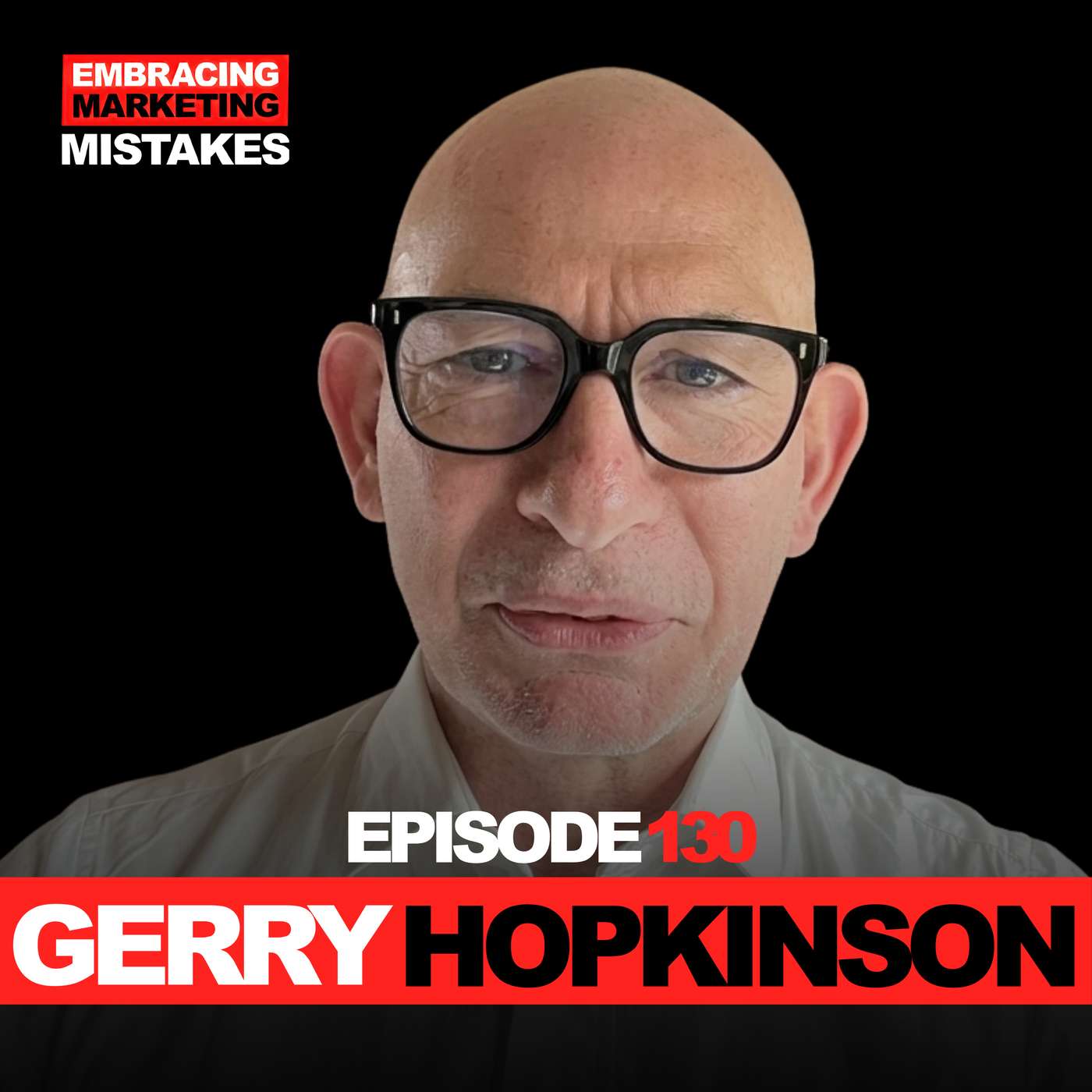
29 Sep 2026 · 57 min
A 20-year agency founder built his reputation turning Pizza Express back into a cult favourite, then years later made the mistake he now calls his biggest regret. Gerry Hopkinson, founder of Unity and now a cultural strategist, joins Embracing Marketing Mistakes to explain how he sold his agency, why he stayed on for five more years, and the commercial decision that cost him a loyal client. Gerry walks through the Pizza Express "living lab," a real restaurant handed over to customers, chefs, ...

The Melo app keeps playing with the screen off, works in the car and on your watch, wakes you to your station, and browses the whole catalogue offline. Free, no ads, no account.