
Season 8, Episode 36 · The Imperfects
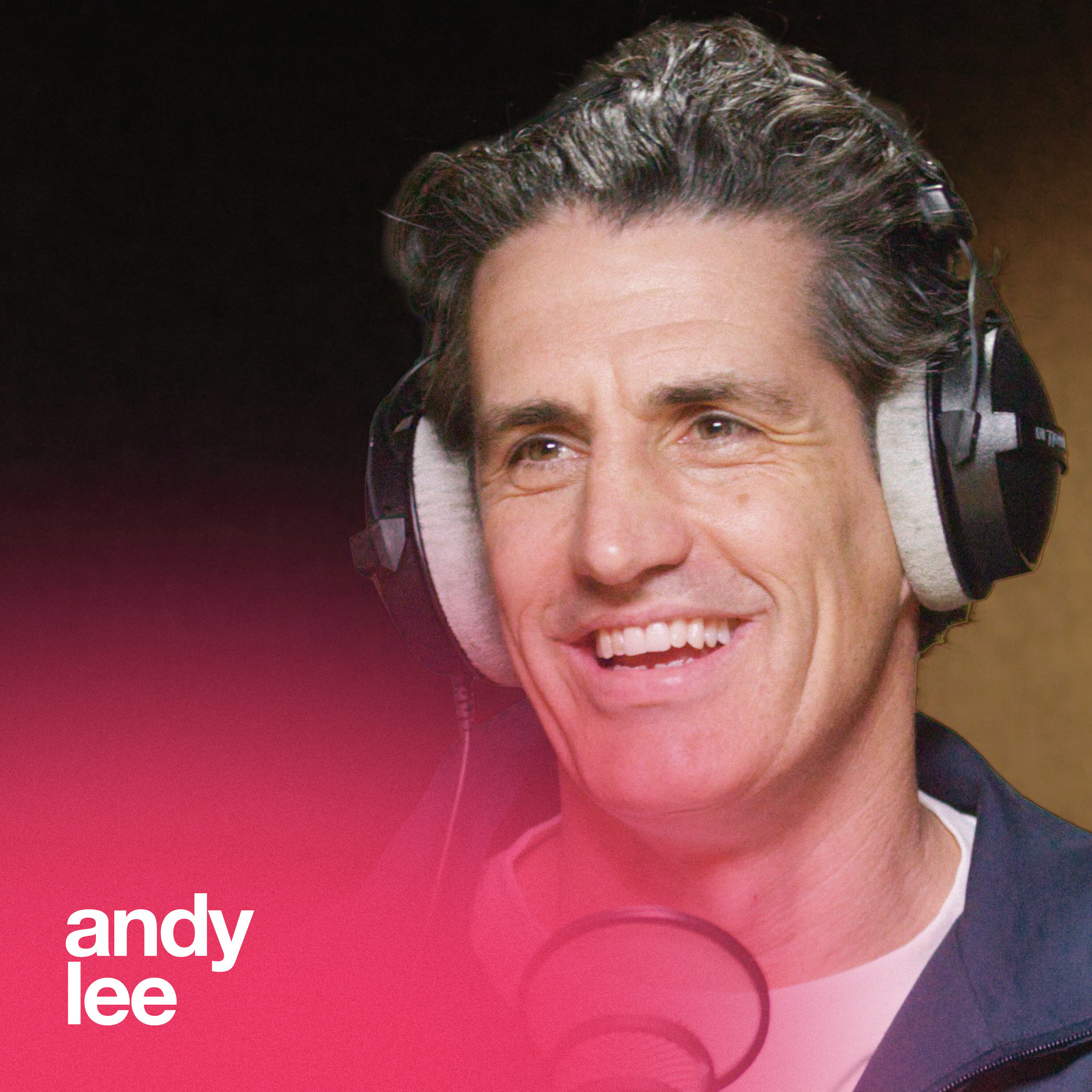
Luke Bateman - Gambling With My Life
27 Sep 2026 · 1 hr 16 min
Season 8, Episode 36 · The Imperfects
27 Sep 2026 · 1 hr 16 min
Mid 20's and $250,000 in debt. Gripped by a gambling addiction. How do you recover? 💌 Join 9,500+ others in our newsletter community - https://www.theimperfects.com.au/sign-up-to-our-newsletter/ From the outside, it looked like Luke Bateman was living the dream: a professional NRL career with ludicrous pay checks and sponsorship deals. On the inside, Luke was battling a crippling gambling addiction, deepening depression and a widening chasm between the character he was playing, and his true authentic self. With immense courage, honesty and vulnerability, Luke takes Hugh, Ryan and Josh…
This episode of The Imperfects features a discussion around suicide. If this is something you'd prefer not to engage with right now, then please do skip, but we encourage you to come back when you're ready. So I was on $400,000 a year for three years, so $1.2 million, and I finished my NRL career with absolutely zero, and I was in probably about $250,000 worth of debt. Luke Bateman's whole life was built on becoming a rugby league player. Validation came from my sporting achievements.
So from a very young age, that became my identity. Because you go, this is where I get worth, this is where I feel like I matter. But even when his dream came true, it still wasn't enough. I want to get a really nice car, I want to live in a really nice place, I want this, I want this, I want this... what's next, what's next, what's next? I need to fill this hole within me. Something has to do it. That something was gambling. I gambled all my money away and then I started borrowing money, obviously, from all the people around me, my parents, my siblings, my partner, my friends.
I was the best liar in the entire world. Like, I deceived and manipulated everybody. Eventually, Luke felt like he had no one left to turn to. I'd lay down and bed and I'd cry. And that was sort of the point where I was like, all right, I've got two options here. Either change or I'm going in my life. What do you say to anyone listening to this who is really in the grips of addiction? It's not often that I start the episodes. It's really special.
This feels UN worthy. It's funny you should bring that up. Really? The United Nations? Yeah. It's amazing you should bring that up. Really? Because the reason why I'm starting the episode is I wanted to tell you guys and our listeners, I think this is a pretty, this feels like a big deal. Yeah. They have asked us to be part of their Be Hope podcast takeover. And by they, you mean the UN. I mean Project Everyone, whose mission is to make sure that everyone knows what the UN's global goals are.
And Hugh, this episode with Luke Bateman, if you had to describe Luke and the episode, what are some words you used to use? I would describe this episode. It's a story of, and Luke, a story of hope and resilience and lovely voice. The three tenets of the United Nations. Well, that is perfect because the Be Hope Takeover is, it's a thing that happens around the world. There are some massive podcasts involved. I'm feeling a bit awestruck that we've been asked to be a part of this considering some of the other people.
Some podcasts I really love. So the Be Hope Podcast Takeover is bringing podcasts from all around the world together to explore themes of hope and how we can continue to make progress in a rapidly changing world. And as you've just said, I think this episode with Luke is perfect and it's a real... It's a real hoot to be asked. I mean, it is genuinely unbelievable. I mean, have the UN just been seduced by his voice? I don't know. We'll find out soon.
Have the UN followed us on Instagram is what I want to know. Like, really put your money where your mouth is, guys. And how about a collab post while you're at it? I cannot confirm whether they have and which meaning I don't think they have. Okay. That's okay. No, we'll take this. This is more than enough. Never have we had a guest come in and pretty immediately proclaim that they would never shit on a book. But really good information to know with today's guest.
Really important to know, Luke. Is there context needed? Well, I don't think so. Luke was discussing books and not to put words in your mouth, Luke, but you were saying how you would never – you said no book is bad. No bad books. Just books that aren't for me. That's right. And you said I would never shit on a book. I would never shit on a book. Good to know. And gosh, did Josh and Ryan enjoy that? We found it very funny. So we're joined by Luke Bateman today, which feels like it's just such an exciting...
I feel like when we do interviews, in my head I've got like, I want to ask this question or ask that question. Now we've met you, I just feel like my brain is really fizzing. I just have so many... I'm so excited. I have so many things I want to ask you. I don't know where to start anymore. I think it's fair to say that Luke Bateman does not believe in labels. Reader, rugby player, addict, farmer, son, writer... All identities that meld together to make Luke who he is today.
At just 12 years old, Luke received a scholarship from the Canberra Raiders, which is incredible. And just three days after graduating high school, Luke left his whole life behind moving to Canberra to pursue his dream of playing professional National Rugby League. Contracts worth hundreds and thousands of dollars, playing in front of full stadiums. The fiance, the apartment, the sponsorship, the car. By his own metrics, Luke was living out his childhood dream.
In 2020, a serious knee injury combined with mental health struggles led to his retirement from professional sport. In 2021, Luke entered rehab for a severe gambling addiction. After a hard-fought, non-linear journey of recovery, Luke turned his life into something that aligned with his authentic self. In 2025, Luke became a permanent fixture of BookTok, a site of TikTok and Instagram that engages with books, as he posted a video of himself expressing how much reading means to him.
Since this post, Luke has amassed over a million followers across social platforms, released his own podcast, and signed a two-book deal with Atria Books Australia. So my first question for you is, with all that, there's so much that makes up this incredible person that sits in front of us. I'd love to just ask you about how you would describe yourself as a boy. When you think back to yourself as a boy, maybe in primary school, if you only had two words to use to describe who you were.
Give him three. I would say soft and energetic. Okay. Can you explain what you mean by soft? I grew up on a farm. But I was always really just soft. I hated harshness. I hated cruelty. I hated anything that was sort of, yeah, just seemed like really hard to me. And that was difficult because I grew up in a very hard world. What was on the farm? What were your farm? We had goats on the farm when I was very young. Right, okay. So when I say soft, I always – my parents used to ask when I was growing up, they used to say to me, they said, Luke, if you're gay – We have no issue with that whatsoever.
You are so welcome. If you're gay, you're allowed to be that. From what age? Oh, from when I was probably like six or seven. Wow. Okay. Yeah. And I was like, I'm not gay. I'm just kind. I'm just empathetic. Just have empathy for other things. But at that age, did you have a concept of what gay men were? Not really. No, no, not really. And I mean, you know, a lot of that, and that's not my parents' fault. They were being supportive of me. Of course.
That was always, you know, that instilled in me the message of like, oh, that's not allowed. Like to be a man, you can't be soft and empathetic, you know. Otherwise, you're gay. Yeah. And growing up in the 90s in Western Queensland in rural communities, yeah. It wasn't so much that that was like forbidden or anything, but that was very much still, you know, that was still a bit of a taboo thing or a thing you weren't allowed to be if you wanted to be a man.
Yeah, so that's what I mean when I say soft. Yeah, so when you say soft, that's a positive. Absolutely, yeah. Like there's like a – you hear a lot in sport like he's too soft or they're too soft, so it's like a negative. But the way you're saying I'm thinking about you as a boy, I'm thinking like gentle, compassionate, kind, sensitive, really great. Very sensitive. Yeah, very sensitive, yeah. When you say really sensitive, what are the kind of things that would get to you?
I was always really hyper aware of the emotional – I would say the emotional worlds of my family members and especially, especially my parents, you know, whenever I always remember growing up as a kid, I would always feel tension between my parents. Like, uh, it would feel like a weight on my shoulders and I would, and I would feel like, Oh, I remember I was like, I hate this. I hate this. I don't want this. And then I would always try and alleviate things.
So I was always really hyper aware of the emotional worlds of people around me. Not always, you know, not just my parents. I was everybody. No, yeah, I was always very hyper aware. I'm guessing so the reason your parents said it's okay if you're gay is that for growing up in rural Queensland, that's what they thought. Yeah. If someone's gentle and kind and compassionate and loving and sensitive, that's okay. must mean they're gay? Is that kind of the thinking?
Absolutely. And that's what I mean. And that's, I don't, my parents aren't responsible for that. Like my parents grew up in Western Queensland during the 50s and 60s. Yeah. You know, so back then there was the hyper-masculinity of that environment. They were just conditioned into that. And if you were a soft, gentle man, you were gay. Right. You know, like men were hard, men were tough, you know. Men were, it was blue-collar men and they did, They were farmers, truck drivers, mechanics, rig workers.
The men out there were hard men. So if you weren't hard, you were either a woman or you were gay. Yeah. I feel like we're going to do like a full circle today of like – What happened to your identity? What happened to the way you view yourself? The influence of a hyper masculine world that you found yourself living in. So we will come back to who you are now. But I'm really fascinated with like books is a big part of it. Well, it is your life now.
But did you love books as a boy? Yeah. Books for me were always a place where I felt belonging and they were where I felt acceptance and they were where I saw the parts of myself because there were so many parts of myself that weren't reflected in the world around me because it was such a hypermasking world and men didn't read. Growing up, the only books that were acceptable for men to read were autobiographies of sports people. The Steve Waugh diaries.
It was Steve Waugh, Ricky Ponting, Matthew Hayden, Darren Lockyer. Like it was – Had breakfast this morning. Yeah. So they were the only books that were accepted. So I'm reading books about dragons and witches and wizards, you know, and I felt very shameful of that. But books were always a place where I felt real belonging. I had to go into the world and I had to be a character that would, you know, be accepted and fit into that world. And then books were the place where I just got to be me.
And they were my safe harbour where I just got to go. I got to take off all the armour that I had to wear in the world and go, oh, I belong. It's your own private little world. Yeah. Did you feel like you had relationships as a child where you could – Be yourself? Yeah, absolutely. But that was only with my immediate family. And that was where, because obviously I read at home. Yeah. And with my mum and my siblings, I could sort of be me. But then as soon as I sort of went out into the world, then I had to be somebody else.
Did you have brothers? Yeah, I've got a brother and a twin sister. Okay. When did you realise you were excellent at football? Yeah. Oh, I was always very athletic growing up, but probably when I figured out that I could, you know, really, the dream of the NRL was a real possibility. It was around the age of, yeah, 13, 14. Really? Are you being told by everyone around you, it's like, this is what you should do? Or did you feel like it's a thing you wanted to do?
Yeah. It's such a difficult – that's such a difficult question because I always feel like it was a dream that I inherited. But also, it was something that I've really wanted to do. So, it's difficult to say, did I want to do it because of me or did I want to do it because I was sort of told that that was what was, you know – The best thing to do. What was the best thing to do. What was acceptable. But I was – you know, growing up, I loved – I love books and writing and things like that.
But the only thing that I ever saw or the only thing that we watched was rugby league. All we did was play rugby league. So really the only – when I was a kid and I had dreams, the only dream that I actually saw as possible was being a rugby league player. Yeah. So I didn't go up around authors. I didn't go up around writers. I didn't go up around anyone in sort of like the creative art sort of thing. So it was either you'd be a farmer or you'd be an NRL player.
Yeah, and NRL players, they're like the kind of heroes. Yeah, absolutely. Because we'd have NRL players come to the school when we were growing up and literally, like you said, they were the heroes. Yeah. They were the people that we saw on the TV. Yeah. And in Western Queensland, State of Origin was – They were gods. Yeah. But it also gave me a real, like, validation came from my sporting achievements. Of course. Validation and worth came from being an athlete.
So from a very young age, that became my identity. Yeah. Because you go, this is where I get worth. This is where I get validation. This is where I feel like I matter. So I really want to pursue that because when I achieve in that, that's where I receive, yeah, I've received a lot of praise from that. So I played a lot of cricket as a kid and I remember being able to play cricket and I relate to that feeling of like being a gentle and just a very sensitive and shy kid.
That's how I describe myself, very similar to what you said about yourself. And playing cricket as a kid, you could, for me, you could be that. Like kids cricket, you could still be that personality and that was – I didn't feel like I couldn't be myself. It wasn't until I entered my first, like, men's – I was only 15 years old and I played in a men's team. And I still remember being in shock the next 24 hours of – like, I just remembered, like, I couldn't believe the swearing, how it fucking could fit the four and up in every single word.
I couldn't believe the aggression with which they spoke about everything and everyone. And, like, I was so – it was so – It was such a ridiculous contrast to who I felt like I was. Yeah. Even just within, you know, the culture that I grew up in, I think that that was just the only narrative that you were given. Men were, as you said, like men were hard and you were rewarded for being the biggest, toughest, meanest, most aggressive, strongest person.
That was what you were rewarded for. And that's what received validation. So everything was just, I was always like, well, that's what a man is. And that's what I need to be. You know, if you want to be accepted or you want to be the best, you've got to be the biggest, toughest, meanest person. And you've got to swear the most. Did you ever get in a fight? I've been in two fights in my life and I've won them both by 100 metres. Excellent answer No, I've never in my entire life Have I ever been in a fight Yeah, neither Never It'll surprise you to hear Never That shocks me.
Yeah, no, yeah, no, never. I've never been a confrontational person. So when you turn up to club land and you're becoming a footballer, do you bring in your books in your kit bag and reading interchange rooms? What happens to your reading relationship? Yeah, yeah, so – Being a teenager, I could always do it at home. And even in high school, I would go to the school library after school. So I would wait the 3 p.m. bell would ring. In disguise? Yeah.
Have a fake mustache on. But the bell would ring and everyone would leave. And then I would sort of like just hang around and then I'd duck into the library, get my book, and then check the book out and then take it home where no one would see me. Everyone else is behind the shelter shed smoking cigarettes. I'm checking out books. Yeah. So, but then once I turned 18, I moved down to Canberra and then I was very much more in a full-time professional space.
I was, once again, very secretive. I would only read at home in my own room because I lived in a share house as well. So I lived in a share house. And I'm guessing with boys. Yeah, with other footy boys. So I would read in my bedroom by myself. Don't come in here. Put it between a playboy. I've got a great story that's actually like that because if we'd go away to camps or away trips, I would hide my book in the bottom of my bag and then I would read my book in toilets.
So I would lock the toilet and once again, I'd be in the toilet for half an hour and the boys would be like, what are you doing? Like, are you in there? Like, what are you doing? Are you in there wanking? And I'd be like, yeah, yeah, yeah. That's like, that's what I'm doing. Really? Yeah. I would rather have been like, I would rather have been thought of as in there. Yeah, yeah, yeah. But that's what I was like, I would rather be thought of in there playing with myself than reading a book.
Incredible. Yeah. Because my room, I'd be like, geez, you spent a lot of time in the bathroom. I'm like, yeah, I'm just in there wanking. Yeah, can't stop masturbating. That's me. I'm a man. What do you expect? Do tell everyone. The craziest thing, you know, like it is really funny. But that was more accepted than reading a book. Unbelievable. So, yeah, so my reading was always extremely secretive and so wrapped in shame. Is it like, was it the fear of what the unknown or I wonder what would happen if like, You're such a loveable person.
I just wonder if you're like, guys, I fucking love reading. I'm sure, looking back, I'm sure if I had the courage to stand in my truth, I'm sure that it probably would have allowed other people to accept that because I'm very big on vulnerability. So if I had been vulnerable enough back then to do that, I'm sure that would have actually given other boys permission to, to, you know, open their own sort of shame boxes up a bit, I guess. But I was so young.
Yeah, of course. You know, I was so young. I was so scared. I wanted to belong. Yeah. I didn't want ridicule. I didn't want shame. I didn't want the other boys taking the piss out of me because they would have. Because, you know, I read fantasy and I love romance novels as well. And if I had pulled a romance novel out in front of the boys, you would have been destroyed. Destroyed. Yeah. What kind of toll does that have on you and does it start to manifest in other ways?
Yeah. That really led me to that place of unfulfillment, depression and addiction as well. While you're playing. Yeah. Well, just before we get into that, because that's a big thing to talk about here. Yeah. I think it's an important one to cover, but I'm just wondering when... When you look back in your day booing, so this is your fulfilling your childhood dream, are you happy? Do you have memories of being happy? It's so funny. I actually remember my debut game and I thought, you know, I'd worked my entire life to get to this point.
And this was always the thing. I was like, once, you know, once I have this, once I'm in the NRL, once I'm an NRL player, once the dream, once I've got the dream, then I'll feel good about myself. Then I'll be happy. Then this will complete me. That feeling inside that something's missing, this will complete that. This will complete me. This will be the final piece of the puzzle put in place. And I remember my debut game. And I was sitting on the bus.
We played in Sydney and we were on the bus back to Canberra after the game. And I remember sitting there and being like, oh, nothing's changed. Like there was no real joy. There was no real satisfaction. Like I was just like, oh. that's such an empty feeling. Obviously I had the excitement of it all, but the fulfilment was not bereft. Jeez, what a underselling it, but such a disappointing feeling I imagine. Yeah. I don't know, like if you build something up to be this huge thing and then you get there and you feel nothing about it, it'd be like, oh, shit, now what?
No, that's, yeah, exactly. So then it was, all right, well, what's next? Yeah. Now I want to get my contract X amount. Now I want to get a contract worth this much. Yeah. And all right, I want to buy my first property. I want to get a really nice car. I want to live in a really nice place. I want this. What's next? I need to fill this hole within me because all the stuff that I thought would fill it isn't filling it. So something has to do it. And then more and more and more and more and more.
And then the hole just kept getting wider and wider and nothing would fill it. And that's when we, you know, really, really the train comes off the tracks. Right. Okay. Hi, it's Ryan from The Imperfects. And I'm reaching out to you now because we need your help, gosh darn it. Hang on. Why do we need? Sorry. No, I'm just making a plea to the listeners and viewers to ask them to subscribe to the show in whichever way they see fit because... It really helps.
The more subscribers, the better we can make this show, am I right? Yeah, but I don't think we need to... I think we could just ask them politely. Yeah, but if I use the emotional music... I think the music's a bit much. Is it? Who's playing that music? It doesn't matter who's playing the music. The important thing is we're pulling at the heartstrings and asking them to do us a solid. Can we not just ask them straight? It'd really help us if you guys subscribed because we would be able to make more of the show and make the show better.
Oh, and not use emotional manipulation. Yeah. Yeah, I reckon. Well, you can give it a go, but I doubt it'll work. So what happens for the tracer off the tracer? Yeah. So 2016 was like my breakout year in the NRL. Had an amazing year. Signed a long-term contract on really big money. And as I said, went out, bought the investment property, bought the nice car. Is it rude to ask what is really big money? Is that like a well-known thing? I was on $400,000 a year.
Freaking hell. Yeah. I was 21. Jesus. And then, you know, got into my third year of being in the NRL. And once I started ticking off all those other boxes and my depression and my unfulfillment just kept getting worse and worse and worse. I think that's when I got to the point where I was like, okay, I have everything that I've ever wanted. I have everything everyone always told me symbolized success. I have everything everyone told me. Yeah. And I was 23 years old and I was like, well, and I'm living my dream.
And I was like, well, if this doesn't make me happy, nothing will. Yeah. And, you know, in professional sporting cultures, you're surrounded by alcohol, drugs, and gambling. They are just part and parcel of those cultures. Yeah. So I started sort of doing that. My main addiction was gambling. It was the thing that was powerless to it. It was the thing that I could not say no to. It was the thing that was just like destroying my life. Had it ever been a part of your life before that?
Yeah, I gambled before that, but, you know, always within regional, within budget per se. But, you know, with a $400,000 income at 21 years old, you know, 80% of that was disposable. Yeah. So the budget is very big. And especially when you combine the addiction with the mental health, the depression as well, then drugs and alcohol really came into that picture because they were the things that brought me, they were the things that numbed me to it.
They were the things that brought me silence because I had so much noise in my head. I just needed silence. Yeah. And do you mind me asking like what specifically, like the drugs and the alcohol, is it just like- Oh, alcohol was just like whatever, beer, vodka, you know, just anything really, just anything that would get me drunk. Was it like party drugs and stuff? And just party drugs, yeah. So like cocaine, MDMA, ecstasy, speed, yeah. And is that like a regular thing?
Like is that- Oh, that was, by the end, that was every weekend. So even when you're playing? Yeah. Really? And is that- I mean, is that or was that a common thing with players that they'd be taking drugs and stuff while playing? Absolutely. Really? 100%. But are you getting drug tested? If we knew that there was a drug test sort of coming up, we wouldn't do it. But most of the time you were pretty sweet. You know, once you played a game, if you played a Friday night game and you went back into training until Monday, you were good to go.
So you'd have like a bender over the weekend. Yeah. And then that coincides with the start of 2019, I did my knee. And that was a season ending knee injury, like the start of the year. So gone for the season. And this was already when my gambling addiction was sort of destroying my life. And I ended up, so once I gambled all my money away and then I started borrowing money, obviously, from all the people around me, like my parents, my siblings, my partner, my friends, you know, boys at the, at the footy club.
Are you giving excuses as to why you need the money? I was just lying through my teeth. Yeah. So I had this house of cards built up and I was the best liar in the entire world. Like I deceived and manipulated everybody. And the thing was, because I was still on $400,000 a year, in the beginning we would get paid monthly. So I was getting these massive lump sums of cash land in my bank account every month. So in the beginning, I was like, okay, well, I just need to get through to payday.
And then once a big lump sum lands in my bank, I can pay these people back. And that's how I did it for the first six or 12 months. So I was just living sort of paycheck to paycheck and just paying people back. But then it got to the point where I would get that big lump sum and my debt was bigger than that. So then I'd have to start making excuses of like, oh, I'll just have to wait till next month, mate, I've got this. And I was- lying to everyone about why I needed money because I was meant to be – out of everyone, I was meant to be on the most money.
I get it with my siblings and partner and parents. They say you're a rich guy. Yeah, I'm a rich guy. And that was – so I was so wrapped up in shame about that as well because I can't be broke. I'm meant to be the wealthy one. So if they think that and if you're getting paid all that money, what could potentially be the reason? Like what lies are you giving that you need the money? I would tell everyone that I would tell my mum that my partner had control of my money and I needed like, and she wouldn't give me any money or that.
And I'd tell the boys about, oh, my parents, like my parents have control of my money and they won't give me money. So I just need some money for the weekend sort of thing. Or I'd come up with like, oh, I've just got this big bill. Do you mind if you just lend me money for that bill and I'll pay you back when I get paid sort of thing? Yeah. So it was always, it was always these extremely elaborate lies that I sort of had and they started becoming laid upon each other because you had to remember, I had to remember the lie that I told you last time, and just sort of snowballed to the point where I just started getting in so much debt that I couldn't pay people back.
And then I was chasing that even further because the more debt I got into, the more gambling I was doing to try and recover that. Can I ask, how are you gambling? I'm guessing phones. Yeah, phone. Yeah. 90% of my gambling was done from my bed. And I'd do that till 3 a.m. Do you mind me asking like numbers, like how much were you gambling? How much were you asking? How much were you borrowing from people and how much debt you were in? Yeah. So in the beginning, it was sort of I'd ask for like 200 bucks.
Yeah. And then it would slowly creep up to, you know, 500, 1,000. And the most I would ever really ask for at a time was like two or three grand. And that was when I could come up with a big live, you know, or I've just had a tax bill or I've had, you know, something big sort of come in. And so it was never, you know, I was never buying like $10,000 or $20,000, but by the end, so I was on, as I said, I owned $400,000 a year for three years. So 1.2 million before tax.
And I finished my NRL career with absolutely $0 and I was in probably about $250,000 worth of debt. Yeah. Holy shit. Because also, that was the other thing, because I started taking out credit cards as well. So – and the thing with the credit cards was because I was on $400,000 a year and I could prove to the credit card companies that I was earning so much money, I was taking out credit cards with like $20,000 limit and then just maxing them out.
I've heard of online gambling companies looking after people like yourself who are – Did you, were they like- Yeah, I had account managers at every corporate bookmaker and they were texting through the, like your bonus bets and your incentives to gamble. And, you know, I was losing tens, hundreds of thousands of dollars. We did an episode with the guy. I've listened to it. With Jack, yeah. And he was describing like the account managers he would have and almost getting like getting invited to like special events at like the footy and like being looked after.
I'd be looked after. They'd fly me somewhere, put me up in a hotel, take me to the races, put you in a corporate box. Oh, my God. Yeah. And that's the betting company taking you there. Yeah, correct. Oh, Jesus Christ. Then you hear the opposite of that when people who win money get banned. Yeah. Oh, yeah. Yeah. It's criminal. It is criminal. Yeah. I saw a photo the other day from the, I don't know, I think it was the 70s, and it was at a hospital and there were people smoking in the hospital.
And it's like, can you believe that used to happen? Yeah. I hope we look back in 20 years' time or people will say, do you know, like at sport, at rugby league, they used to advertise gambling. They used to have ads around the ground for gambling and alcohol. And then you'd watch someone would score a try and then it'd be an ad for gambling. Can you believe we used to do that to young people? Do you think that's going to happen one day or...? I really hope so.
I think you have to hope because if you don't have hope, you have nothing. But it really will take a very strong leader in terms of both like in parliament and in the NRL sports space to say enough is enough. Because, you know, gambling and alcohol – fund so much and sports administrators are so drunk on the money, the sponsorship money that they give them. Until you have a leader who says enough is enough and the lives that this has got, the actual human lives that this is destroying, there's no price that we can put on that.
Until you have someone that's got a backbone large enough to do that, I don't think there's really going to be any change. Yeah. Well, then maybe a good time to ask you then is like when you were at sort of lowest point, what does that feel like? Like what's the day-to-day experience? And also your relationships at that point. Yeah, well, all my relationships were pretty much destroyed. By the end, you know, my partner had left. I had sort of like my best friends.
And this is because – and did she know about the gambling? Oh, yeah, yeah, yeah, absolutely. Okay. Yeah, yeah, yeah. She worked it out and you're a friend of the gambling. So, yeah, so obviously it got to the point where it all came out because I was in so much debt and I couldn't pay anyone back and I actually had people like, what's going on? Yeah, was it a single moment or was it a – Yeah, yeah. It was sort of – I remember I rang my mum and I just said, like, mum, I've just – I've lost everything.
Like, I have to come clean about it all. Was she surprised? She was surprised, yes, but she actually said, she said, oh, I've always seen something like this coming. Really new. Yeah, she was just – yeah, I think she just got a feeling, you know. I think she just sort of – seeing me, seeing how I'd sort of been and just even like the way that I would talk or the way that I would sort of be when I was around them sort of thing, like I think she just sort of picked up on that.
How did that feel? That's quite a statement. Yeah. At that time, that was not so bad. My mother said many, many more things. It hit me much harder sort of post that. And I'll get to that. So we're at the very worst of it. So this was in 2019 when I'd done my knee. I'm in the final year of my contract. I know contract for next year. Now I'm not playing football. So now my career is sort of going up in smoke. I'm in hundreds of thousands of dollars of debt and I'm depressed, like struggling to get out of bed.
And for me, it was always... wake up, put on that mask. It was like, wake up, put on the mask of Luke Bateman, go out and do whatever I had to do, come home, take that mask off. And I'd lay down in bed and I'd cry. I'd cry for hours just laying in my bed at home. Were you with your partner at this time? No, alone. And did you tell her, did she work it out or what happened there? Well, yeah, I was in a lot of debt to her as well. Yeah. Yeah, so I was in a lot of debt to her.
So she knew and she'd obviously, she'd left. So yes, I was alone and obviously my relationship with my best mates was really strange because I owed them a lot of money. My relationship with all my family was really, really strained because then they started trying to help me. And I say, you know, I caused my mum so much harm because mum was always, mum was really trying to help me. And then I'd say, you know, I'd promise her something. And then a week later I'd, you know, go and gamble.
I'd, you know, break the promise. And so it was really difficult. So all the relationships in my life were either destroyed or extremely strained. And it got to the point where there was one night with, you know, I tried to take my life one night and I rang my mum and mum stayed on the phone with me till like three or four in the morning. And that was sort of like the thing that got me through. And then it did get to the point where I just, I knew, and that was sort of the point where I was like, all right, I've got two options here.
Either change or I'm going in my life. That's the only two options that I've left. Yeah. Thanks for that. It's always so heavy and confronting and scary to hear that. I actually think that that's my mum's story to tell. Like I actually don't feel like that's my story because during that period, I was so detached from, like I was just living in a fog. I was in survival mode every single day. And my memory of that period is actually really quite fuzzy.
because I was just in autopilot just getting through each day. So it's actually, you know, it's funny because I really do feel like that's my mum's story to tell, that one. Not so much mine. How old were you? I was 24. And how old are you now? 31. Yeah. Do you have a memory of – was there anything your mum said in that phone call that helped you to make a choice to tell you? Yeah, yeah, she did. So my – Growing up, my pop was a real hero of mine.
And so I was standing on my balcony in Canberra. I lived in a high-rise apartment. I was standing on my balcony. And I was, you know, over the edge of my balcony. And I was on the phone with my mum. And mum said to me, mum said, just look up at the stars. And she said, Poppy's one of those stars. And she said, like, Poppy, we need you here. and Poppy's up there and he's one of those stars and he's looking down at you now and we need you here. And that was like, that was the, um, yeah, that was like, that was the one thing that really helped me.
Is Poppy her dad? Yeah. Poppy's mom's dad. Yeah. Wow. Yeah. So it was, I love my mama. I wouldn't, I wouldn't be here without my mom. Yeah. How long are we on the phone to her for? Oh, like five hours, I reckon, yeah. Yeah, like five hours. Because I think I rang her, you know, I literally rang her at like 11 o'clock at night and then she just refused to get off the phone. And we were on the phone till 3 or 4 o'clock in the morning. I understand you saying you think that's your mum's story to tell.
I think it's a really odd thing to say. Yeah, it's like so true. I mean, it's yours, but I understand the sentiment 100%. Yeah, yeah. Was she really scared? Oh, terrified. Even in the sense of when she was on the phone to me, she felt connected to me. But she, you know, and once again, this is sort of her story, but she would wake up every morning and be like, is today the day that I'm like, am I getting a phone call? Mm-hmm. Yeah. Mm-hmm. I did, knowing you were coming on, I did have a look at, just skim through your Instagram videos and the Midnight Library book jumped out at me because I loved that book and we've talked about it a bit on the show.
But there's a bit in that book that clearly is in this world and I forget what the quote is again, something about possibility or... Yeah. Well, while you're alive, you still have possibility. I know the exact quote you're talking about. Yeah. Like once you end your life, all possibility is gone. But while you're still alive, you still have possibilities. So how does that resonate with you? Yeah, very deeply. It's funny, like Matty Higgs, a friend of mine now, I've interviewed Matty.
Really? Yeah, interviewed Matty on my podcast. He's the author. Yeah, the author, yeah. Incredible man. And, you know, when I read that book, there was so much of it where, there was so much I resonated with. And I wish that I had have had that book back then. I think I'd be right in assuming this, but would you say like your mum's always been on your side? 100%. My mum... And my mum, like she carried me through, like she picked me up. There were times when I just couldn't go any further.
My mum picked me up and carried me so many times. And I feel such guilt. Like I carry so much guilt about what I put her through and just how much pain I caused her. And because all she ever did was love me and support me. and for her to have to carry, sort of like for her to have to carry what wasn't hers to carry, what was mine to carry, I always feel so much guilt around that. My kids are only six and three, but I don't think there's anything that they could put me through that I would resent.
There's just no choice. Yeah. And beautiful. And that's an unconditional love. And my mum is like the definition of unconditional love. But she even says that, like, I am so, I'm always so astounded at the strength of my mum. But mum always says to me, mum was always like, she's like, I didn't feel strong. She's like, I just did what any parent would do. So it's so interesting. Yeah. I get it. Yeah. How do you go from that point to, I mean, he's in front of us today, just the most remarkable young man that just has obviously been through so much to get to this point now.
You know, that was 2019. We're in 2026 now. That's seven years of work. And to be able to sort of put that down to one sentence or one practice is impossible. But that was 2019. And then so that was like the back end of 2019. And then in the start of 2020, I started getting help. So I started seeing a psychologist and I started making positive choices. Like I started, I gave like mum control of my bank account. So mum had control of all of my money so I couldn't touch it.
I started making positive choices. So this is how you were getting over the addiction as well, I guess. Yeah. Well, the most important thing for me at that stage was the addiction. Like the most important thing for me was removing the addiction from my life because it was number one. Mm-hmm. So I was very focused on fixing the addiction. So I went through 2020 and that was one step forward, one step back, two step forwards, one step back. It was very sort of start-stoppy.
And then in 2021, I'd been going pretty good for a few months and then I had a massive relapse. And my mum had wanted me to go to rehab from like 2019. My mum had been wanting me to go to rehab for 18 months. And so it took me to 2021 until I had the courage to say, I had a big relapse and I said, I need to go to rehab. Oh, you had a gambling relapse? Yeah, gambling relapse. Yeah, yeah. So I had a gambling relapse in 2021. I went to rehab. And I came up with a plan with my parents and they sat me down and they said, okay, so you're going to go to rehab, but this is not, you're not just going to rehab and then sort of come straight back into the same stuff.
You're done with footy altogether. You're done with the city because I was living in Brisbane at that point. They said, you're done with the city. You're done with everything. You tell us every dollar that you owe. And I like owed a lot to my parents when I said, you owe to us everything like personal loans, credit cards, people you owe money to, drug dealers that you owe money to. You tell us every single cent that you owe. and we're going to pay all of your debt off.
Then you owe us everything. Wow. And when they said, when you get out of rehab, you're going back out to Western Queensland to where I grew up. And they said, you're going back out to work with my old man in the timber industry. I said, yeah, and you're working with him until you pay us back every cent. And that's like, that is the only option that you have. There's like you, that's, that's it. Like there's no discussion here. Yeah. That's it. Do you remember how much it was you owed?
At that point it was probably around that, like 150, 150,000. Yeah. How did that feel when they did that? incredible. And I, you know, and I always says, I'm so lucky because there are so many people who are in that same position that I was in, who don't have parents that like love them or are able to do that for them. Like the privilege that I had in that position and the love that I had, it really upsets me to know that other people don't have that, that the same build, the same love from their parents.
So I was extremely lucky in that sense. What's kind of interesting, what I take from that is that when there's someone in your life, whether it be a friend or a partner or something, and they're going through something really tough and some sort of addiction maybe, there'd be an element of like, well, I want to help, but I don't know, I don't want to be so presumptuous. that I will like tell you exactly what to do or give you only one option. That's sort of something a parent can do to a child, but it's hard to do.
But I imagine when your life is so out of control, it might be so relieving for someone to step in and take control. Yeah, it was very, very much so. But also, as I said, because I'd been so sort of stubborn up to that point. And I think that that was a point where I was like, oh, I'm so glad that I'm not stubborn anymore. I can just accept this. No more excuses. Yeah, no more excuses. So I went to rehab and I spent four weeks. I went to a detox clinic.
So I was in there and I was in there with heavy substance abusers, meth, heroin. And they were coming in because of the detox facility. Like that's where they would come to actually like come down from their drug. So they were coming in like day one. Like it was extremely confronting. But I said, I was the laughing stock. I was literally, so I was in there with heroin, meth addicts, and I was the laughing stock. What do you mean? Because, and this is the best thing that ever happened to me.
I said this girl in there, I said, oh, what are you in here for? And she said, oh, I'm in here for a meth addiction. She said, what are you in here for? I said, oh, I'm in here for a gambling addiction. And she looks down her nose at me and she goes, get a real fucking addiction. Lightweight Yeah I was a joke All of a sudden you're too soft again Yeah I was like And truly like It humbled me So deeply To be in there with people The people who I once would have sort of held I suppose disdain for And looked down upon I was now They were my peers They were looking down on you They were looking down on me Yeah Yeah As a That sensitive kid That didn't like hard stuff That must have been especially confronting.
Man, it was the best experience I've ever had. One of the best experiences I've ever had. Because a part of rehab was doing 12-step programs. I'm not sure whether you boys are familiar with 12-step programs, which is like Alcoholics Anonymous or Narcotics Anonymous, those anonymous programs. So seven days a week, I was in a 12-step meeting every single night. Every single night you're in a 12-step meeting. And those rooms are some of the most powerful places I've ever been where people come in and tell the most raw and confronting stories with such conviction.
And they're really gritty stories at times. But the power that's in those rooms is just incredible. What did you take from it? I think I really took that lesson around sort of vulnerability and actually confronting because for so long, because I'd lied, because I was such a liar for so long, actually sitting down and like standing in your truth and saying like, this is me, like this is all of the most horrible, bad, ugliest parts of myself. Here they are.
How is that saying that out loud? Oh, extremely difficult. But then that's what, you know, those rooms, there's no judgment. And you lay all that bare and people hold that. You know, they hold such wonderful space for you in those rooms. So you lay all that out and there's no judgment. There's no shame. There's no ridicule. There's only understanding and acceptance. Yeah. And that's what's so powerful about those places, you know, because you get that – You get that space to talk about the things that you've hidden so deeply beneath shame and you get to share that finally.
Wow. I remember understanding and learning a little bit about addiction from my old psychologist and she talked about how it's nonlinear and that anyone who's had an addiction will relapse. I wonder what it's like when your parents have done so much for you and are doing so much for you and they're doing everything they can and then you relapse completely. what does that feel like and then how do you recover from that? I went to rehab in 2021 and I only got completely clean at the beginning of 2025.
So it's only been around 16, 17 months now that I've been like completely clean. Between 2021, I sort of... The relapse, they sort of grew further apart and lessened in their severity. But yeah, every time I relapsed, I was filled with such failure and such a sense of disappointment. But my parents were always, every single time my parents were like, back on the horse, mate. back on the horse but you do like you i really really because because i had so much guilt because that offered me so much help and was so supportive every time i relapsed it felt like it honestly it was such a sense of failure and such a sense of i was letting them down so much as well as yourself as well as myself yeah did you tell them or did they find out No, I'd always tell them.
Yeah. I was actually pretty like, I got pretty good at doing that once I sort of really started because I drew a line in the sand and I said, not only, you know, the first person I need to be honest with is me, but that honesty then, like that was a real sort of fundamental core of my recovery was just pure honesty. Yeah. And it was like, oh, I need to be honest with you. So whenever I'd relapse, it was like, I have to tell my parents. As that gambling situation, side of you, the lying, all that behaviour and the gamut started to kind of die off over like a struggling animal almost.
Yeah. What was growing? For me, it was not so much what was growing. It was more so what I was returning to. And I'm such a big believer... Whatever you want to call personal development, internal works, self-growth, it's not so much about adding things on, it's about taking things off. And I was slowly taking things away and really returning to that young, soft, empathetic, compassionate young boy who I am at my core. So it was, you know, we were slowly peeling back delays and getting back to him.
And he was the one, you know, and I know now all that depression and even the addiction, like, he was crying out in pain that entire time. because he was suffocating beneath everything that I was, all of the masts and all the armour that I'd put on top of him to bury him. He was suffocating beneath it and he was screaming for air. So I was slowly taking those pieces off and then I had to sit down with him and speak to him and say like, hey, you know, I'm sorry that I wasn't here for you, but I'm here now and we're going to be okay.
So when you say that, how does that work? Who's facilitating you through that? Is anyone doing that for you? Yeah, well, it's interesting actually when we talk about books. So I've discovered this through Richard Swartz's work, which is Internal Family Systems. I don't know whether you boys know IFS. But IFS was life-changing for me. And I read that book. I read the book, No Bad Parts. And then I read his other work, which is You Are the One You've Been Waiting For, and his book, Internal Family Systems.
So I've read all of Richard Schwartz's work. Do you mind just giving a quick explanation of what Internal Family Systems is? Yes. I mean, it's complex. So with inside of us, we have systems and we have different parts. So we have all these different parts with inside of ourselves, but we have manager parts and we have protector parts and we have exiled parts as well. What's an exile part? So an exile part is like once again, like that, that soft little compassionate boy.
Okay. That was an exiled part of me. Okay. And the parts of me that loved reading and love magic, they were sort of exiled parts. So there are parts of us that we exile away. Did you say magic? Yeah, magic. You love magic as well. Love magic. Oh, really? Yeah. I haven't touched on that. Okay. So I thought that was clear when I said dragons and witches and wizards. Oh, I thought you meant like magician. Oh, no. Like fantasy. No, I do. Yeah, yeah, yeah, yeah.
I do love slight of hand. Yeah, absolutely. But yeah. That's not what you're referencing. No, no. Okay, got you. But yeah, so we have all these different parts and those parts ally with each other and those some parts fight against each other and then some parts protect other parts. So I had built, you know, when we talk about the gambling and the, you know, the addiction, that was a part of me that was really actually protecting that 10-year-old boy.
And even though it was destroying my life, it was doing the best it could. It was doing all it knew how to do. Because from a very young age, that's how I protected myself. So whenever I felt shame, whenever I felt something, I knew, okay, that part stepped in and said, I'm not going to allow you to feel shame. So we started developing these parts from a very young age. So my defensive part or that protective part of me, that's what it learned to do.
So from the age – and I remember when I talk about this, I remember when I was in preschool. I was in preschool and I was playing soccer on the Oval and an older boy like kicked me in the shin and pushed me into the ground. And I was on the ground crying. I remember a girl in my class and she came over and she said like, oh, you won't cry for long. You're one of the boys – boys don't cry and you're one of the toughest boys here. So like just get back up.
Mm-hmm. And I remember that clear as day. I remember who the girl was as well. It wasn't her fault. She was four as well. Yeah, she's exactly right. You know, exactly right. It wasn't her fault at all. But that's when that part of me, that's when that protector was born and it said, oh, okay, we can't show emotion. We can't cry. We can't feel pain. Because if we do, we will get shamed for that. So I need to protect you from feeling that shame. And I'll do that by being tough and being strong and not allowing you to feel these emotions.
That's how I'll protect you. So interesting. So when we talk about all these different parts, you have your manager part that manages your stress and things like that. So when you're stressed, you might notice when you've got a lot of stress, you always act a certain way. And that's a manager part stepping up. So it's a bit inside out Pixar. It's exactly, yeah, very inside out. Yeah. Yeah, very inside out. So we have all these different parts. Pixar animation between about the – Yeah.
Yeah. Yeah, yeah. Yes. Yeah. So I read – and I read Richard Schwartz's three books and that just like – that was game-changing for me. That just opened this door of understanding where I was just like, oh, my God, like this is like a key that unlocks my entire life. Mm-hmm. And so I started doing practices from those books by myself because I was out in Western Queensland, Cutting Timbers. I was, you know, I'm 800 kilometres away from the nearest psych.
But then I started seeing a part because they're called parts therapists. So I started seeing a parts therapist myself and doing the work with her. And that just was life-changing for me. Life-changing. I'm reaching a lot of tears in the sessions. I think I've cried pretty much every session. Yeah. I don't think there's been very few sessions where I've left without crying. What happens in those sessions? So you sit down and, you know, you speak to your parts.
And I've mapped out, like, I write down my parts. There's, you know, there's an overworking part of me. There's the offensive part of me. There's the 10-year-old part of me. There's the addict part of me, you know, and that was a big thing. And that was a massive part of that work as well because once I started getting into recovery and once my life started getting better, I really started to resent and hate the sort of the addict part of me. And so right now, I shouldn't even call the addict part because me and my therapist talked about this.
She actually said, she said, calling it the addict part, she said, that seems really harsh. You know, she said, like, is that the name that it actually has? Because that's a really harsh thing to call a part of yourself. And she said, you have to remember, like, that attic part, once again, that was just doing the best that it could at the time. And all he wanted was like love and support. And even though, yes, the decisions that he made led to really severe consequences, but he was doing the best that he could.
And so the way that you even speak to your parts is really important. But, yeah, so you sit down in those sessions and you speak to your parts and you learn which parts are allying together and which parts are being sort of rejected from the group and things like that. It's life-changing work. Wow. We haven't mentioned your dad much in this. Like it sounds like he's been very present through all this. We've heard how incredible your mum is. I'm interested to know you're like the father figure in your life.
Yeah. Sorry. I love my dad. Great dad. So I have a stepfather. No, no, no, no. I have a stepfather. But my biological dad and my stepdad have always been a big part of my life. But my stepdad is much more so. My dad, he's – I don't remember a time in my life without my stepdad being with my mum. So he got with my mum when I was like two. So yeah, my stepdad is my father in terms of raising me. And my stepdad is a beautiful, strong man. But he's also a man who's a product of his own environment.
And he grew up in, I said like the 50s, 60s, and 70s. He left school when he was nine to go working on cattle stations. So he was really brought up in the exact same sort of world or a more severe version of the world that I was brought up in. So he's so deeply loving and supportive, but in his own way, and how he shows up, and that's the thing. How he shows up is his version. And whether that – how that is, it's not for me to say that's right or wrong sort of thing.
And I love him and he loves me, and he's been very supportive. He probably doesn't quite understand it, and there are times where I felt a real disconnect with him because he would – he would tell me, he'd be like – just stop. You know, when you think you're going to gamble, just don't do it. You know, and that's his, because that's how he works. You know, that's his life. If he doesn't want to do something, you just don't do it. Just don't do it.
Yeah. So, no, he's been very present. That's a really interesting discussion point because I remember being at footy once with a really good friend and, I was saying how I think a gambling ad had just come on and it was a very good ad. It was so funny. And I said, it's so annoying. They have so much money to be able to pay to have such incredible ads. Yeah. And my friend said, someone really close said, if someone wants to, he said, if someone wants to ruin their life by throwing their money away, I don't like, that's not my problem.
Like, I want to keep watching these good ads. It doesn't matter. Like, it was like, you should just be able to stop. Yes. What do you say? Because you must have heard that a lot. How do you describe, how do you explain to someone that that's a really fucking stupid thing to say? Yeah. No offense to you, Stan. Yeah. Oh, yeah, sorry. Yes, no, of course. No, no, no, not at all. And as I said, I love my stepdad and he was so supportive. And this also comes back to the way that we condition boys into men.
You know, he doesn't actually have the language or the emotional quotient to be able to be present for that because for him that's just like it's a bridge too far. And that's not his fault. Like too painful to step into that. Yeah, well, he doesn't know. He can't really step into that space because he doesn't know what to do when he's there. You know, he's lost in that space because he never, ever, he never got given those tools either. Yeah. He never got given the ability to do that or the capacity to do that.
So he loves and supports in his own way. And that's why I love him. And culture and society failed him and fails all men. You know, that's not his to own. And that's where it leads me into that. The next question is like the same thing. We have that very mindset where it's like, well, every single person should just not be able to do it. Or if they want to ruin their life, then that's up to them. Like that's, you know, why should I be affected by someone else ruining their life?
And there's a great quote that I always think of, And then there's these two young fish and they're swimming along and there's an older fish coming the other way. And they say, you know, good morning. And then the older fish says to them like, morning boys, how's the water? And then these two young fish keep swimming along. And a bit later on, one of them turns to the other one and goes, what the fuck is water? Yeah. We don't even understand when we're so conditioned in these systems, in these cultures, we literally cannot even see them.
We cannot even know that we're existing within them. And I think that that brings me back to your point. People don't understand that, yes, they may, like it may not cause them any harm, but it is so harmful to so many people. And addiction really, you're so powerless. You're so powerless. And people always try, it's so hard to explain addiction because it sounds psychotic. And even when I try to explain it, you have zero willpower. You cannot say no to it.
You are powerless to what you're addicted to. And then when these companies, when companies influence you and push you, push vulnerable people, because yeah, that's great for that bloke. He's not vulnerable, but there are many, many vulnerable people in our world, extremely vulnerable people. And when these companies and this advertising and when these people with lots of money prey on that vulnerability, you know, for someone to say like, oh, you know.
They should just have a stronger willpower. It's so, I think it's really arrogant. Like it's really arrogant. I mean, it's like you could sort of say like, okay, well, if we all put it to a vote and said like, should we provide the heroin industry with billions of dollars to advertise heroin? Yeah. How would we feel about that? Yeah. Leave it up to the person to decide. Exactly. Yeah. Leave it up to the person to decide. It's like, imagine if there were brilliant ads for that.
It seems like people would be up in arms. Yeah. Oh, big heroin would do good ads. Yeah. Just that preying on that vulnerability and exploiting people's vulnerabilities, I think it's such an exploitive industry. And to, yeah, I think, you know, it's really- we really have a responsibility to our fellow human to take care of them and to protect them. And I think when we sort of disregard that responsibility and we say, well, you know, I'm just looking after me, other people have looked after themselves, I think we really, yeah, I think it's a real disregard of responsibility that we have to each other.
I had a long chat with, I won't say her, but it's like he was a CEO of one of the biggest sports in Australia and I was asking this question around like, how much longer do you keep... Like alcohol, fast food and gambling. Like how long? And his response was, my job is to make this sport the biggest sport in Australia. Correct. And this helps me to build it from the grassroots level. And his argument was like, the more people play this sport, the better it is for society and the more people are active and health.
And so for me, it actually... And I just – I agree. It's just going to take a very strong administrator and a really great person to go, nah, this is ridiculous. It's just going to take one of the big major sporting bodies to do that. But gosh, it's heartbreaking. It's just heartbreaking. And every time that – you know, I'm watching the footy with my nine, six and three-year-old and – The odds are up. The odds are up. It is outrageous, disgusting.
In the pregame show, like a part of the pregame show is referencing the odds and then also saying they'll do suggested bets. You have the presenters saying, I'd put on this three-leg multi if I was used, sort of thing. Crazy. With an addiction, particularly like a gambling addiction, people talk about the getting off of the gambling, like stopping the gambling. But like you described before, a big part of being a gambling addict is becoming a really good liar.
And I just wonder what you're – now that you're clean from the gambling addiction, I hope it's okay to ask, and I ask this really like empathetically, what's your relationship with lying now? I would say it was never my sort of relationship with lying. It was my relationship with honesty. And so my relationship with honesty is a core value of mine now. And that was a big part of my recovery process was actually sitting down and defining what my values are, what I live for, where I draw the line, And honesty is one of my core values because I had to do that for myself.
So now, and even, you know, and like things like it, this is so small, but I used to, when I go to the like Woolies, I'd never pay for, if I got like a 25 cent bag, I'd never pay for the, I wouldn't pay for the bag. And it's just that, and when I was going. Yeah. But it's truly, and I mean this, I pay for every 25 cent bag that I get. Because for me, that's honesty. That's a value of mine. And that's where I draw the line. I go, if I'm going to steal a 25 cent bag, where does that finish?
Yeah. Where do I draw the line then? Yeah, yeah, yeah. So yeah, so my relationship with honesty is... is very rigid and I very much honour that because I know, I know one, like the honesty to myself and then the honesty to the people who surround me and the honesty in like rooms like this telling my story. Yeah. Because that is just so important to me. And is that – so is honesty and stuff a part of the 12-step program? Does that come up? Yeah. Well, one of the – so step six, I do believe.
Step six is doing a moral inventory, which is where you sit down and you write out – like you write every lie you've told, every person you've harmed, every bad thing you've done. Oh, my God. What a confronting activity. Yeah, extremely confronting. Very difficult. And it took me a couple of weeks to sort of do it because it gets really – it's a really heavy process. And then the next step is making amends. So that's where you apologize to the people you've hurt.
You try to – you offer repair or whatever to anyone within your life and you pay like your money back. And you probably can't do that straight away, but you reach out to someone and say like, I'm sorry. I recognize this. I take ownership of this. I take accountability of this. I'm very, very sorry about that. And, you know, I owe you X amount of dollars. So that is going to be paid back as well. Yeah. So that was – so the honesty is absolutely such an underpinning of that 12-step process.
Amazing. Awesome. About – oh, God, I don't know how many years ago it was now, but quite a few. I went and saw Nick Cave doing a show where he answered any questions from the crowd that people would have. So he'd play a song and then there were people with roving marks. It was a really phenomenal experience. And a really desperate father asked a question because I think Nick Cave has a lot of experience of being around people with addictions. And the father asked, what can I do for my child?
And I was really shocked by Nick K's answer, well, my interpretation of his answer in that there's nothing you can do, that it's up to them to do it. And I was wondering how that response and that sits with you. Yeah, I mean, I completely disagree with that. Yeah. I understand the sentiment behind it because at the end of the day when I was going through recovery, that was 100% on me. My parents can support me. They can offer their love and they can help me to do all that stuff.
But I'm the one that has to do the hard work. I was the one who had to really struggle and grip my teeth and get through it and do the work necessary. So I do understand the sentiment. But when we talk about what parents can do, I say loving your child unconditionally. That's number one. And also knowing that the addict, when you're in active addiction, you are not yourself. So whatever they're doing, that is not your child. That is the addiction that's speaking or the addiction that's acting.
So being able to hold that truth as well, loving your child unconditionally. But offering them help. in the terms of saying, this is how I'm going to help you. But only if you do this, like there is a, there is a boundary to that. There is expectations that come with that. I will help you, but these are the terms and conditions for that help. And if you don't meet those terms and conditions, there is no help. You're on your own. Because there has to be, you know, and me and my mum made this mistake so many times where mum's help was actually counterproductive because everything she was doing to help me was really just enabling me.
Like what? Like mum was sort of like paying, like mum was paying my mortgage. And I truly believe my mum should have let me lose my house. Like there needs to be, you need to have consequences for your action because a lot of what my mum did to help actually just shielded me from the consequences of my actions. So there you have to love that person unconditionally and you have to say my love and support and my help is right here. But it comes with these terms and conditions.
But it's conditional upon this. Conditional, yeah. No, like, yeah, it is. Like, truly, like, it has to be. Like, you have to say. Or your love is unconditional, but the help is conditional. But help is conditional. Yeah, absolutely. Yeah. And these are, you know, the terms. And I would even say, especially for gambling, I'll speak on gambling specifically. My mum's just said, I will help you, but you have no access to any of your money. I'll help you, but every single person in your life has to know about your addiction because I still wanted it to be such a secret.
I didn't want people to know about it. I'll help you, but you have to tell every single person. You have to tell the football club. You have to tell all of your football friends. You have to tell your partner, your siblings, your friends. You have to tell everyone what you're going through. then I'll help you. I'll control your money. Your pay will come to me, to my bank account where you can't touch it. Everyone has to know about this. And even as far as saying, but you go to rehab.
And you have to be very clear about what the conditions are of your help because otherwise from a parent's point of view, you will. And my mum went through this. My mum sacrificed herself for me. My mum was killing herself for me. And that is not actually help. That's self-abandonment. I imagine telling the football club and your teammates would have been really, really hard. I never did. Oh, you never did? Never did. They would know now. They would know now, yeah.
At the very end, it did because my mum kept ringing the club and saying, Luke needs help. Luke is going to end his life. And the club would sort of come to me and go, how are you going, mate? I'd go, yep, all good. And they'd go, job done. Right. Yeah. Right. Because I can only imagine that you weren't the only one struggling with a form of addiction. Gambling addiction especially was something I saw in probably half of the football team. Half? Yeah.
Have you, since it's all come out that that was your addiction, have you found yourself being a support for like players or ex-players or...? I've had probably three players from the NRL reach out to me. Mm-hmm. None of my ex-teammates. And I've also had an ex-teammate I found out who sort of lost everything and I reached out to him and received no word back. Right. Mm-hmm. And do you think that's just because of the shame around it all? Yeah. Yeah, that's shame.
Mm-hmm. That's the shame that's all wrapped up in. Yeah. Mm-hmm. Wow. What do you say to anyone listening to this who is really in the grips of this? It could be this addiction, it could be another addiction. What's your message to them now as they sit here listening to this? It's so difficult because everyone's journey in addiction is going to be different. But, oh, I say the first thing, like the very first thing right now, if you're listening to this in the grips of the game, right now, this very second, pick up your phone, The person who loves you the most, be that a parent, a sibling, a partner, a mentor, someone who cares for you, text them right now and tell them exactly what you're going through.
That is the very first step. That has to happen right now. That's got chills. Wow. Yeah, that has to happen this second. Someone who loves and cares for you needs to know exactly what you're going through. That is step one. After that, obviously, the steps were seeking support and help. Because, yes, you have to do the work yourself, but you don't have to do it alone. Like you do not have to do it alone. And I would even say don't do it alone. It's near impossible to do alone.
So you need help. And the person that you text right now, they will be able to support you in getting that help. But the very first step is once again, it's honesty. That first step of honesty. Incredible advice. Yeah, there's so much. I feel like we've touched on so many really, really important topics today. I hope that the people who – I hope this reaches the people who really need it and I think that's such a wide range of people. I think it's anyone struggling with addiction to see who you are today will be hopefully hugely inspiring and also incredibly helpful.
I hope a lot of boys listen to this. I really do. Because I... having worked extensively with the National Rugby League, in sport, in AFL and NRL and A-League, and I was just, while you were talking, I was imagining, I was just picturing you in that talk that I did, just thinking, gosh, I mean, so many, there are so many young men. I've spoke to every under, is it under 18s and under 20s? Yeah. So I spoke to every under 18s, under 20s, every senior side in the NRL, so many young men.
And I just think about that as a snapshot of society and what was happening internally for all those young men. I think about where they're at now. This is an incredible story of... being prepared to go to all places in order to find out, to go back to who you really are. And that's kind of what you've done. Like you sit here as the way you described yourself as a boy. That's like I see that now. Like I'm going to say it the whole time, but you can really see that.
And that's for all of us, like for all of us, for men and women. I got asked to write a passage in a book the other day, and I won't say who for you because I don't know if it's public yet, but... It was about what it is to be a man. I wrote a passage in the same book. Okay. Yeah. Yeah, great. Very good. I hope my chapter's not after yours. And the lady who's writing it, her son was in the car and he's 16. I asked him and I said, what do you think it is?
And he said, I said, what is it to be a good man? He said, well, I think it's the same thing as to be a good woman. Yeah. That's a good person. Yeah. It's no different. And I thought that's so very true. But I think you've given us an incredible example today of – what life, you know, life serves up things that we just don't see coming and we get challenged in so many ways, but to confront it head on and to work really hard to get back to who you really are, it's a beautiful story and I'd feel so lucky to be sitting here with you, like literally 10 years after I first met you, to hear the journey you've been on and the difference you're making in the world.
It must feel quite surreal, but I hope you feel very proud of yourself. Yeah, yeah, absolutely. Thank you. That was very kind. Yeah, I'm very proud of the journey I've been on and the person that I've been able to return to being. Thank you, Luke. Cheers, boys. Thank you. Thanks, Luke. Keep listening to find out what else is going on at The Imperfects. If you enjoyed that conversation with Luke Bateman but would like a little more, well, we did record a little more.
We don't teach boys how to be men. We teach boys how not to be women. Yeah. The more you shove down the throats of boys' masculinity in whatever form, it always puts femininity as less than or second to masculinity. Yeah. It was a really interesting discussion about the Manosphere. I love some of the things Luke has to say about it. And you can hear all of that at patreon.com slash theimperfects. If you want a little more but don't want to pay any more, then you can join our newsletter at theimperfects.com.au.
And while you're there, you'll be able to see the names and faces of all the incredible people who helped make this show. A show made on the lands of the Wurundjeri, Woiwurrung people, and we pay our respects to elders past and present. The Imperfects is not a licensed mental health service and is not a substitute for professional mental health advice, treatment or assessment. The advice given in this episode is general in nature, but if you're struggling, please see a healthcare professional or call Lifeline on 13 11 14.
Transcript supplied by the publisher with the episode.
by Hugh van Cuylenburg, Ryan Shelton & Josh van Cuylenburg · English · Health
We’re all imperfect. On this podcast, founder of The Resilience Project Hugh van Cuylenburg, his good friend Ryan Shelton, and only one of their brothers, Josh van Cuylenburg, talks to a variety of interesting people who vulnerably share their own struggles and imperfections, or expertly pass on…

S8 · E38 · 11 Oct 2026 · 1 hr 30 minNew
This is not your mother’s perimenopause. 💌 To join our journaling club, subscribe to my imperfect email - https://www.theimperfects.com.au/sign-up-to-our-newsletter/ Joined by guest host Zoë Foster Blake, and Dr Fatima Khan, we’re diving head first into perimenopause: the what, the why, and the how-the-f**k to deal with it. Typically beginning in your late 30’s, and in your brain of all places, perimenopause symptoms include heightened anxiety, irritability, sleep disturbances, brain fog … all things that make you feel further and further away from your best self. Beginning 5 -7 years…
S8 · E37 · 4 Oct 2026 · 1 hr 11 min
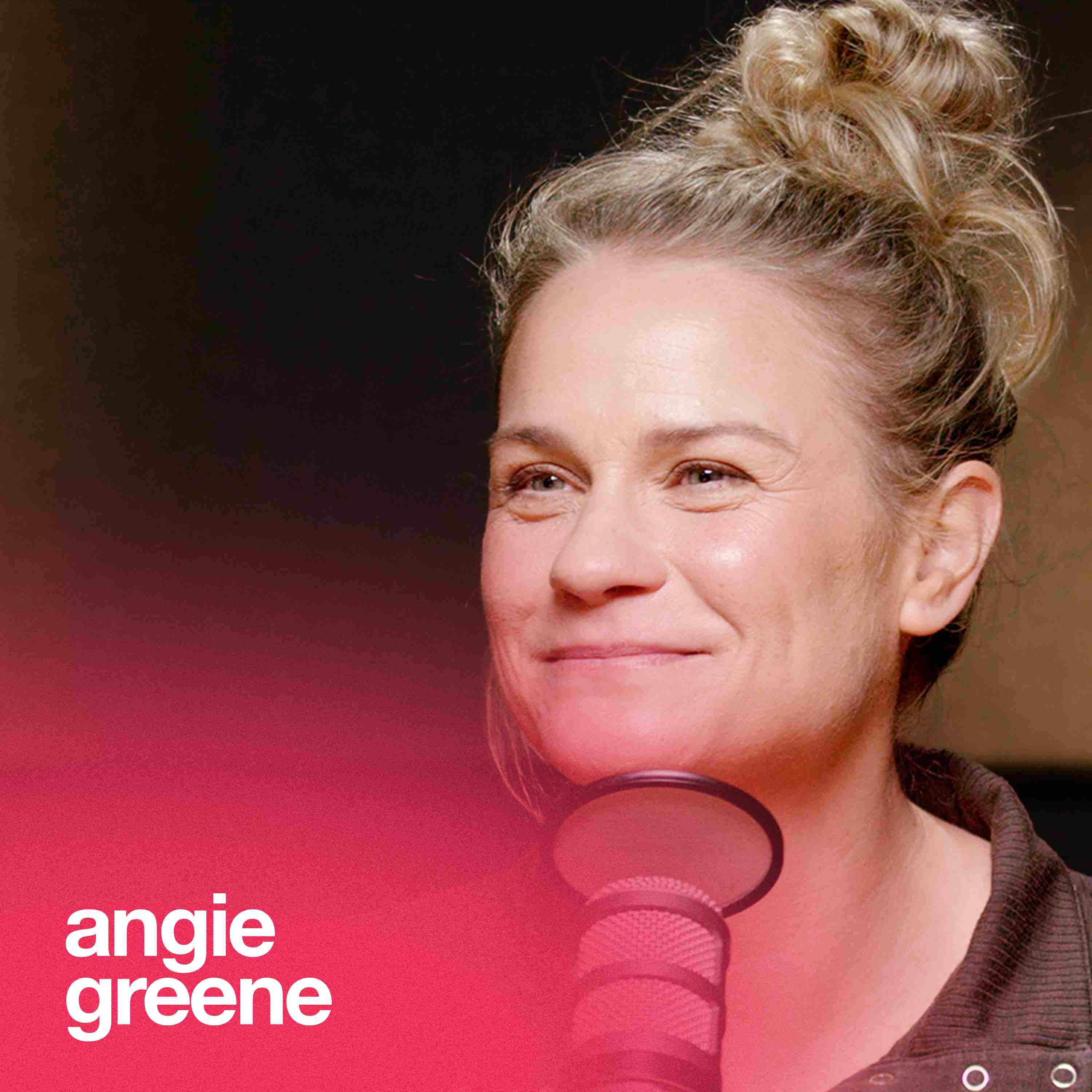
Angie’s OCD obsessions are that she has committed her worst, most insidious, fears. 💌 Join 9,500+ others in our newsletter community - https://www.theimperfects.com.au/sign-up-to-our-newsletter/ Officially diagnosed with obsessive compulsive disorder (OCD) when she was 19, some of Angie’s earliest memories are of obsessions, compulsions and seeking reassurance. Joining us in the studio, Angie talks to Hugh, Ryan and Josh about the reality of living with OCD, how she navigates particularly bad episodes with her partner, and why she wouldn’t wish it on her worst enemy Angie explains false…

S8 · E35 · 20 Sep 2026 · 1 hr 12 min
Do you live in fear of being found out as a fraud? That despite your years of competency, achievement and high performance someone will uncover the truth? Well, you’re in the right place. Our resident psychologist Dr Emily Musgrove is here to tell you that your imposter syndrome is nothing to be afraid of. In fact, it’s not even a syndrome. 💌 Get practical take-aways from this episode, and join 9,400+ others in our newsletter community - https://www.theimperfects.com.au/sign-up-to-our-newsletter/ To get a little bit meta, Dr Emily explains that knowing that you don’t know…
S8 · E34 · 13 Sep 2026 · 1 hr 10 min
When he was 15, Andy Lee’s mum forgot who he was. 💌 Join 9,400+ others in our newsletter community - https://www.theimperfects.com.au/sign-up-to-our-newsletter/ Given only two weeks to live, Andy tells Hugh, Ryan and Josh how this news impacted his family, impacted his childhood, and continues to impact his sense of self. And then, we’re going all the way back to the early days of Radio Karate, and Hamish & Andy. In a long overdue conversation (recorded, of course), Ryan and Andy chat about their own friendship dynamic and why they both felt like the odd one out. Getting down to…

S8 · E33 · 6 Sep 2026 · 1 hr 16 min
Have you ever watched the person you love most get everything you ever wanted? Did you harden around envy, or shrink with comparison? Were you able to find happiness for their success? Philippa Northeast, Logie nominated and lead of Netflix’s My Brilliant Career, is a star quickly rising. Her most significant role? The little sister of our producer, Bridge. 💌Join 9,400+ others in our newsletter community - http://bit.ly/45NyQDy Joining us as a guest host, Producer Bridge, alongside Hugh, Josh and Ryan, discuss the years of failure and rejection behind the scenes of Pip’s…

S8 · E32 · 30 Aug 2026 · 1 hr 9 min
What impact does sleep deprivation really have on your wellbeing? What about your parenting? What about your identity? Matt D’Avella has amassed over 4 millions subscribers on YouTube undertaking 30-day wellness challenges, and promoting his minimalist lifestyle. In life that was meticulously controlled, having kids changed everything. 💌Join 9,400+ others in our newsletter community - http://bit.ly/45NyQDy Blessed with a baby who woke every 30 minutes for the first ten months of their life, Matt chats to Hugh, Ryan and Josh about how becoming a new parent impacted every facet of his…

S8 · E30 · 23 Aug 2026 · 1 hr 7 min
How does having cancer as a child impact the way you live as an adult? Uber successful chef and restauranteur Josh Niland doesn’t do things in halves (no, literally, have you read his book The Whole Fish?). From opening a restaurant at 26, to becoming the first Australian to win the James Beard Book of the Year award when he was just 30, Josh’s creativity came from a place of desperation to explore every opportunity presented to him. 💌Join 9,400+ people getting a Dr Emily values worksheet and takeaways from this week’s episode in our newsletter - http://bit.ly/45NyQDy Diagnosed with cancer…
S8 · E30 · 16 Aug 2026 · 1 hr 20 min
Is tough love to blame for our shame? 💌Join 9,200+ people getting a Dr Emily values worksheet and takeaways from this week’s episode in our newsletter - http://bit.ly/45NyQDy We all know that parent or coach on the sideline who takes under 10’s basketball a liiitttllleee too seriously. And occasionally, tough love might seem to work in the moment, long term, the shame train isn’t going anywhere good. Dr Emily, our resident psychologist, is here to name the shame to tame it, and teach us how we can be shame strippers too (get your head out of the gutter. Shame on you). We…
S8 · E29 · 9 Aug 2026 · 1 hr 5 min
Can nature help us to feel less alone? 💌Join 9,000+ people getting our takeaways and favourite moments from this episode in our weekly newsletter - https://www.theimperfects.com.au/sign-up-to-our-newsletter/ Psychologist on the incredible, Alone Australia series (remember our seminal episode with Gina Chick?), Mark Mathieson is in the Academy of Imperfection to help us understand how nature regulates our body, and how we can reconnect to it in this digital age. Mark talks about how to uncover the person behind the persona, the science behind gardening, and why Hugh had the best sleep of his…
S8 · E28 · 2 Aug 2026 · 1 hr 21 min
What is racism, really? 💌Join 9,000+ people getting our takeaways and favourite moments from this episode in our weekly newsletter - https://www.theimperfects.com.au/sign-up-to-our-newsletter/ Adam Briggs, rapper, writer, actor, senator and Yorta-Yorta man, joins Hugh, Josh and guest host Nazeem Hussain, to have an honest conversation about racism in Australia. We explore the impact of The Voice Referendum vote, how culture and community impacts identity, and why Briggs has never, ever felt the need to people please (yep, that’s the sound of us frantically scribbling down notes).…

The Melo app keeps playing with the screen off, works in the car and on your watch, wakes you to your station, and browses the whole catalogue offline. Free, no ads, no account.