Afua Hirsch and Peter Frankopan tell the wild stories of some of the most extraordinary men and women ever to have lived – and ask whether they have the rep they deserve. Should Nina Simone’s role in the civil rights movement be more celebrated than it is? When you find out what Picasso got up to in
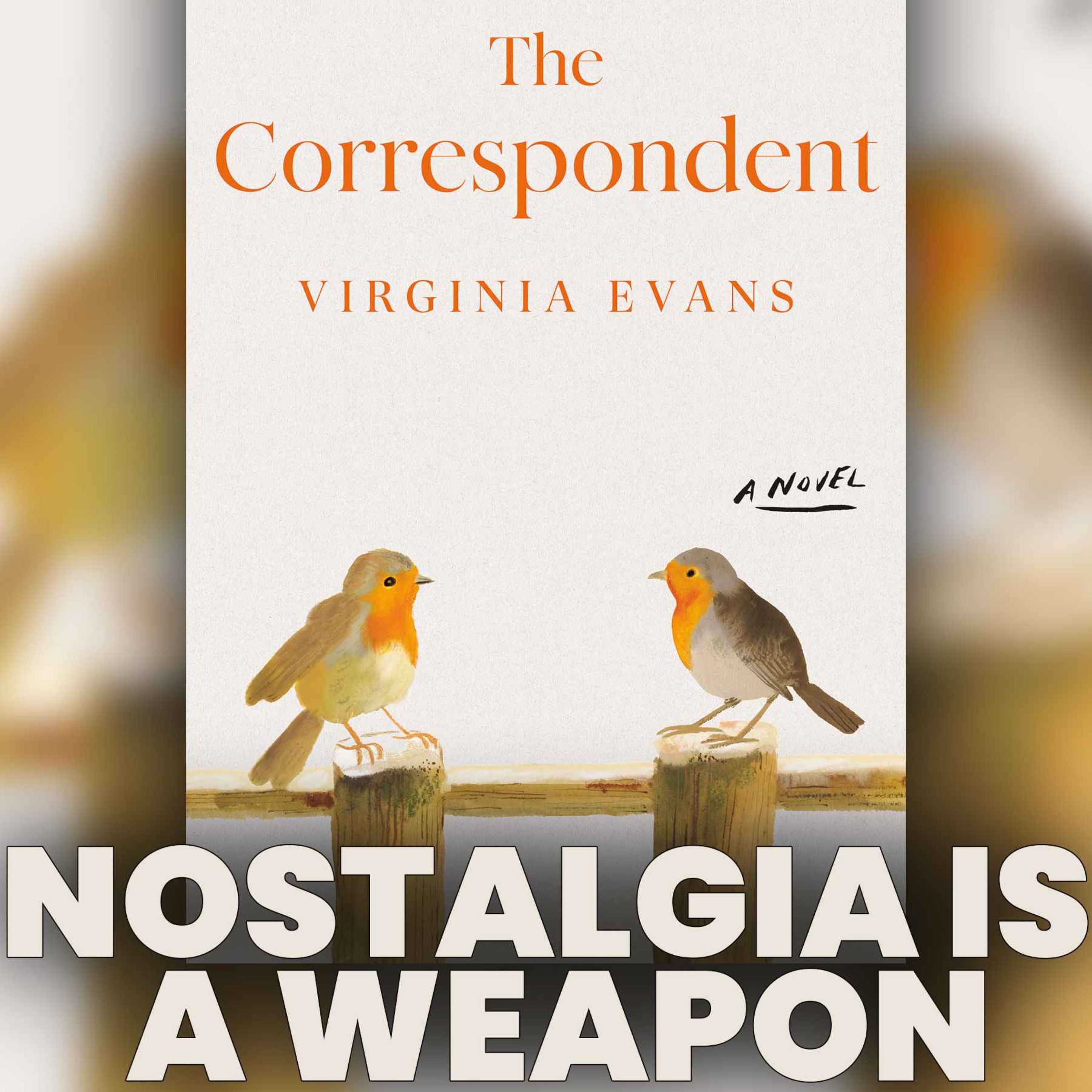
What happens when an author gets rejected eight times, writes a ninth novel in hand-written letters, and ends up at number one on the New York Times bestseller list? Why are we so drawn to storytellers, tradwives, and 73-year-old law clerks who reject email in favor of pen and paper? And, what does a 73-year-old fictional letter-writer have in common with the rise of the AfD in Germany and the political power of nostalgia? Afua Hirsch brings her summer read — Virginia Evans’s Women’s Prize-winning novel The Correspondent — to Peter Frankopan, and what starts as a book review turns into a…
Why does the ancient Greek word for bravery come from the word for man, and what did bronze spears have to do with it? How does one of the coldest decades in 2,000 years end with around 100,000 women on trial for meddling with the weather? And, what links a woman blamed for a hailstorm in the 1590s to ten young protesters superglued to an oil company's headquarters in London? Afua Hirsch reads Peter Frankopan's The Earth Transformed for the women in it, from Bronze Age weapons to the police station where she once defended those ten protesters. Part one of Her Story and the Natural World.…
Why did the cod in your fish fingers go to China and back before it reached your freezer? What does a medieval king blocking English wool from Flanders have to do with Xi Jinping's grip on rare earths? And, if China can now build cars far more cheaply than Europe or America, could the West lose its car industry altogether? Ed Conway, Sky News economics and data editor and Times columnist, takes Peter Frankopan and Afua Hirsch down the hidden supply chains behind everyday life with his new book, Trade World. The sliced white loaf that can't be made without wheat from the far side of the…
What were the taxi drivers of 1990s Accra playing on repeat? How does a woman who swore she was "not a bit political" write a hit about being used up and spat out by the system? And, what does it take for the most unmistakably white icon in American country music to become the unproblematic queen of a Nigerian girl growing up in Peckham? Afua Hirsch hands the Dolly Parton question to her friend Kelechi Okafor — author, podcaster, voice artist and pole studio owner — and Peter Frankopan discovers he is the last to know that West Africa loves country music. Part two of two. Missionaries, a…
Why are a million people about to queue at the British Museum for a strip of embroidered linen? What if the most famous picture of 1066 isn't a tapestry, was probably stitched in England, and treats the losing king as a hero? And, if the arrow in Harold's eye was stitched back in by 19th-century restorers, how sure are we of the one thing everyone knows about 1066? With the Bayeux Tapestry in Britain for the first time in nearly a thousand years, Peter Frankopan and Afua Hirsch sit down with Sue Brunning, the British Museum curator who helped bring it here and waved Sutton Hoo off to France…
Who says no to Elvis Presley — and is proved right eighteen years later? How does a girl from a one-room cabin with no electricity work out the economics of music publishing before most of Nashville has? And, in an age that agrees on almost nothing, how did Dolly Parton end up claimed by drag queens, evangelicals and everyone in between? Peter Frankopan opens on the phone call that cost Dolly Parton an Elvis record, and Afua Hirsch traces what that refusal was really protecting. Part one of two. Locust Ridge to Nashville, the Porter Wagoner years, and the moment a songwriter worked out that…
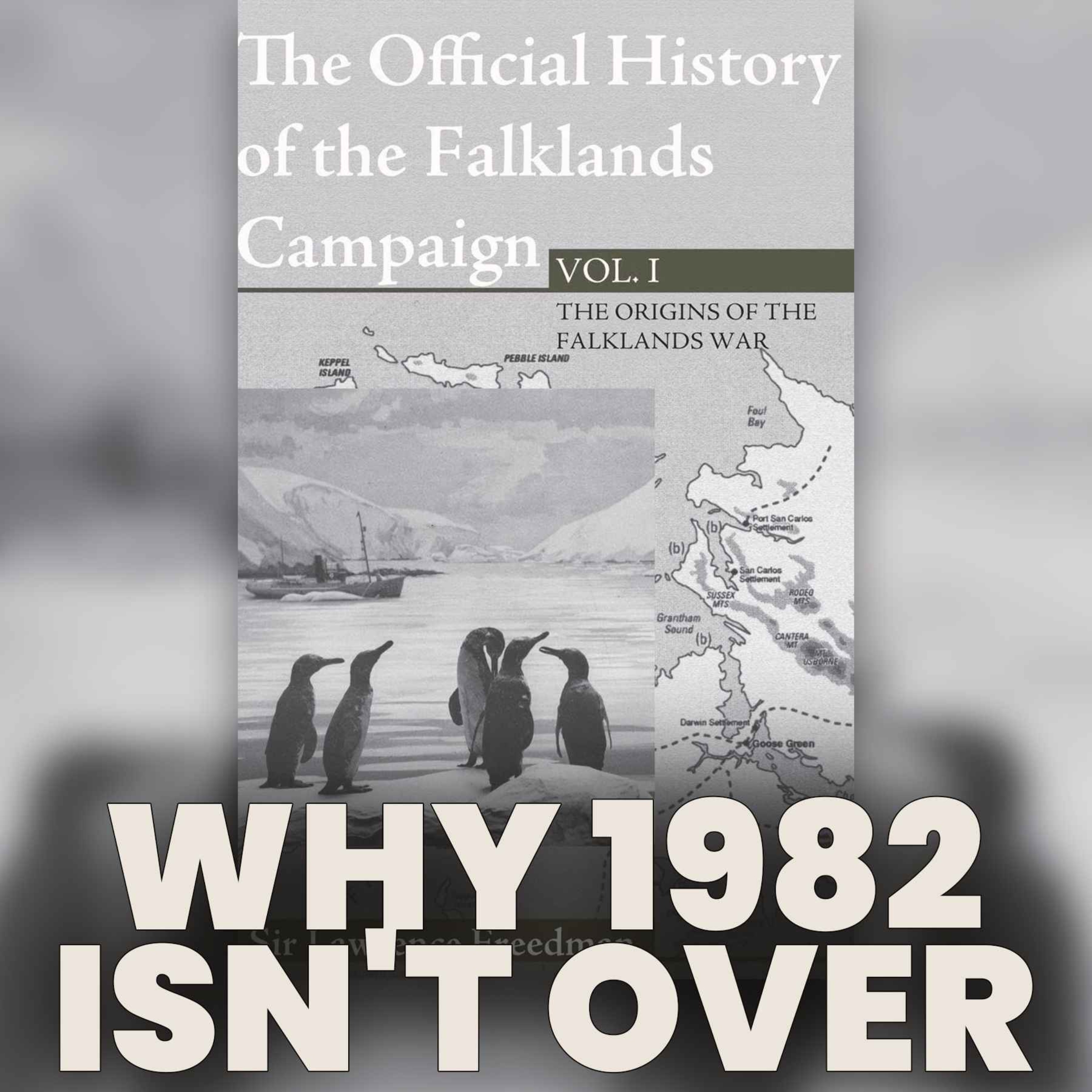
Why is a war fought 44 years ago back on the front pages? What happens when a combative president in Buenos Aires, a friend in the White House and an oil field due online in 2028 all point at the same islands? And, when 99.8% of the people who live there have already voted, whose islands are they to argue over? Fresh from Sir Lawrence Freedman's two-volume official history of the Falklands campaign, Peter Frankopan takes on the question Afua Hirsch can't let go: whose rights come first? The official record reads like a detective story: the orders, the officers' doubts, and a Prime Minister…
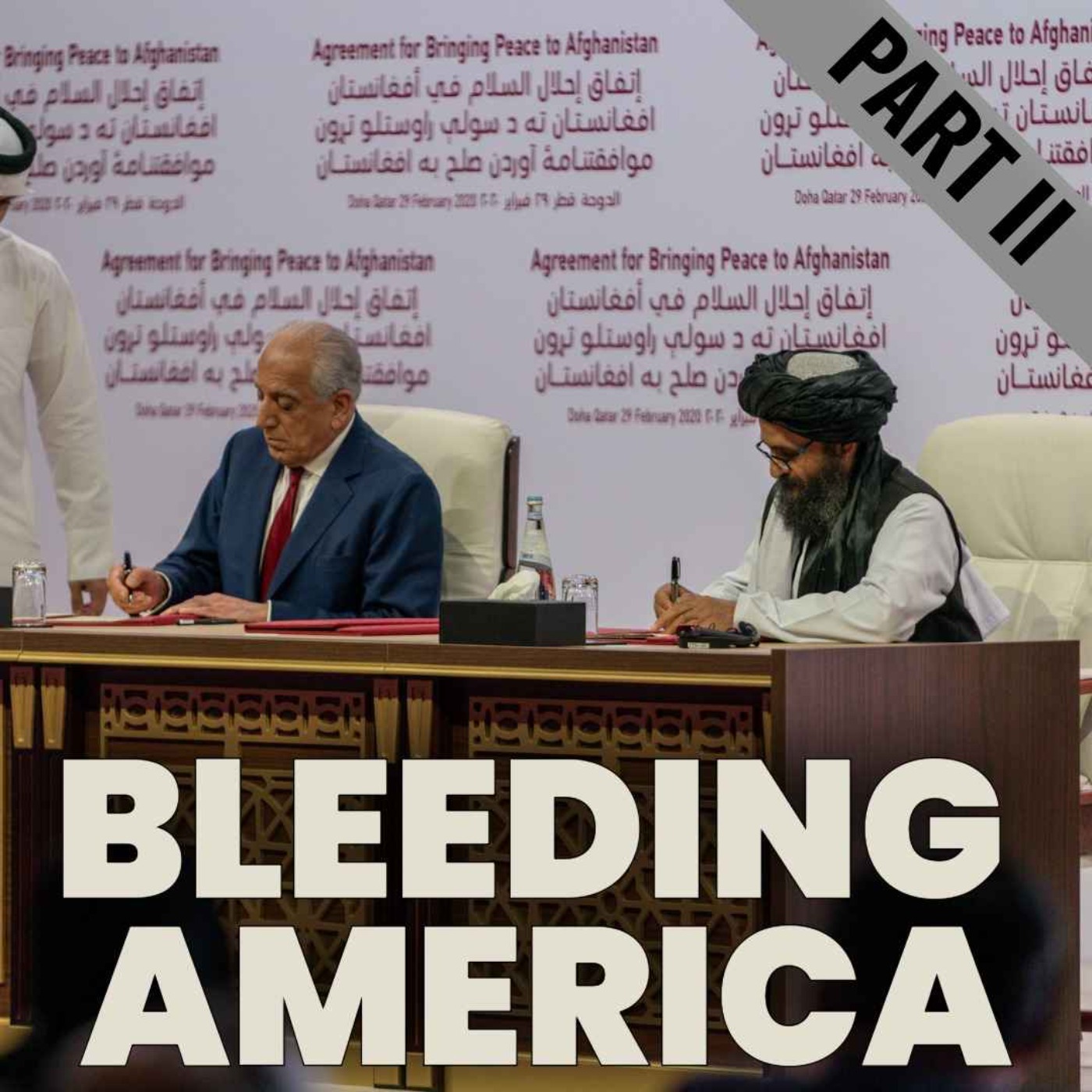
Content warning: this episode describes torture, civilian deaths and the 2021 Kabul airport attack. Bin Laden is dead, al-Qaeda is shattered, and there was never another 9/11 — so who won? What does a war cost once you count the hospitals that closed and the food that never arrived? And what does it mean that the United States signed an agreement with the people it went to war to destroy? Twenty-five years on, Afua Hirsch and Peter Frankopan add up the bill — and find that bin Laden had written the strategy down in advance. February 2020: the United States signs a deal with the Taliban in…
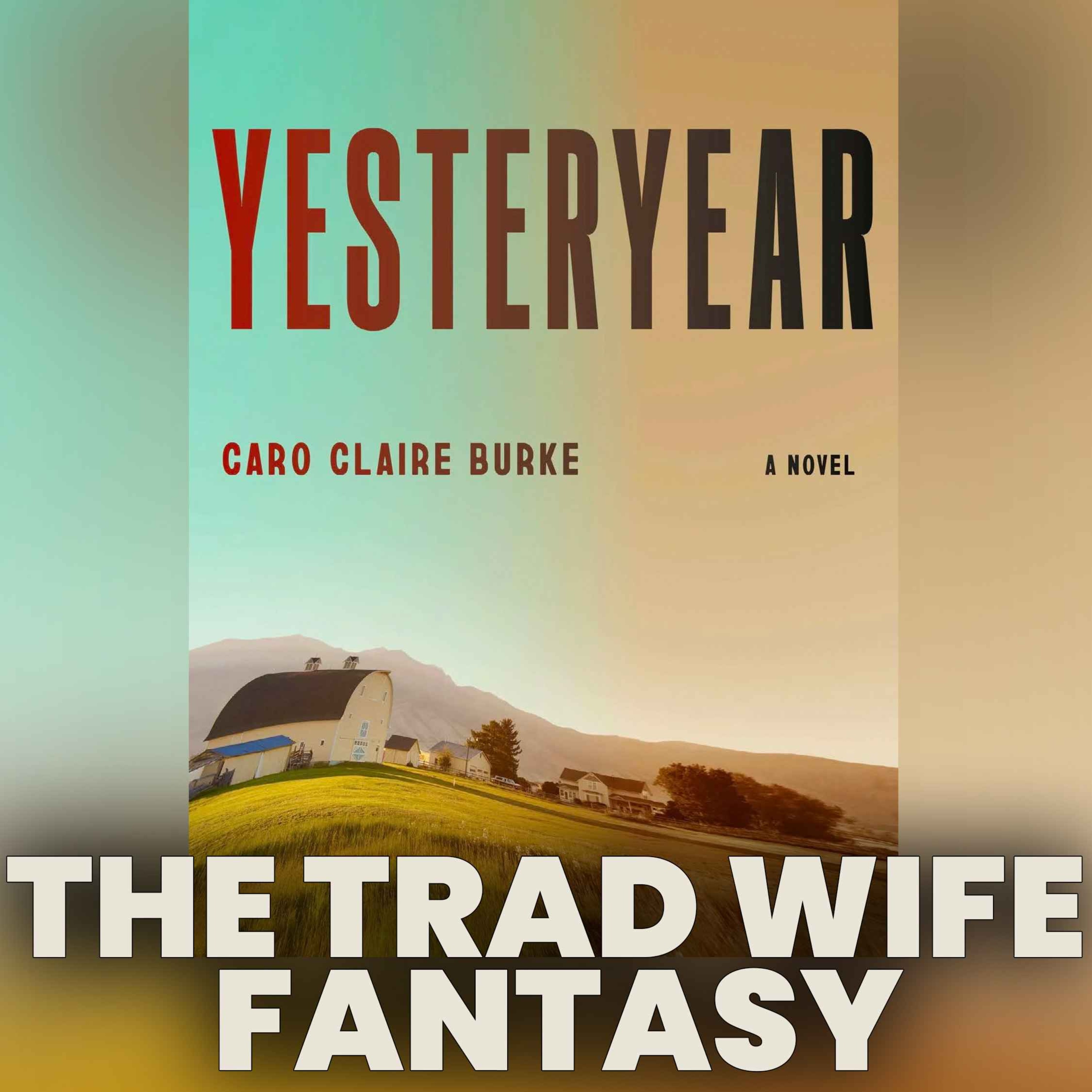
What happens to a trad wife influencer when she wakes up in 1855 and has to actually do it? Why were film producers bidding on this novel four years before it was finished? And when a story about white homesteaders in pre-Civil War America contains no Black people at all, what is it quietly telling you? Peter asks Afua what she read over the summer and gets a debut novel, a four-year-old email she'd forgotten about, and a criticism that has nothing to do with the plot. Caro Claire Burke's Yesteryear drops a trad wife influencer — sourdough starter, eight children, millions of followers —…
Content warning: this episode describes the aftermath of 11 September 2001, including torture and civilian deaths. How does a country go from the sympathy of the entire world to invading a nation that had nothing to do with the attack? What does a blank cheque from the UN Security Council actually buy? And if torture only counts as torture when the pain is equivalent to organ failure, what exactly is everything below that line? Peter Frankopan follows the response from NATO's Article 5 to the caves of Tora Bora, while Afua Hirsch — then a trainee human rights barrister — describes what the…
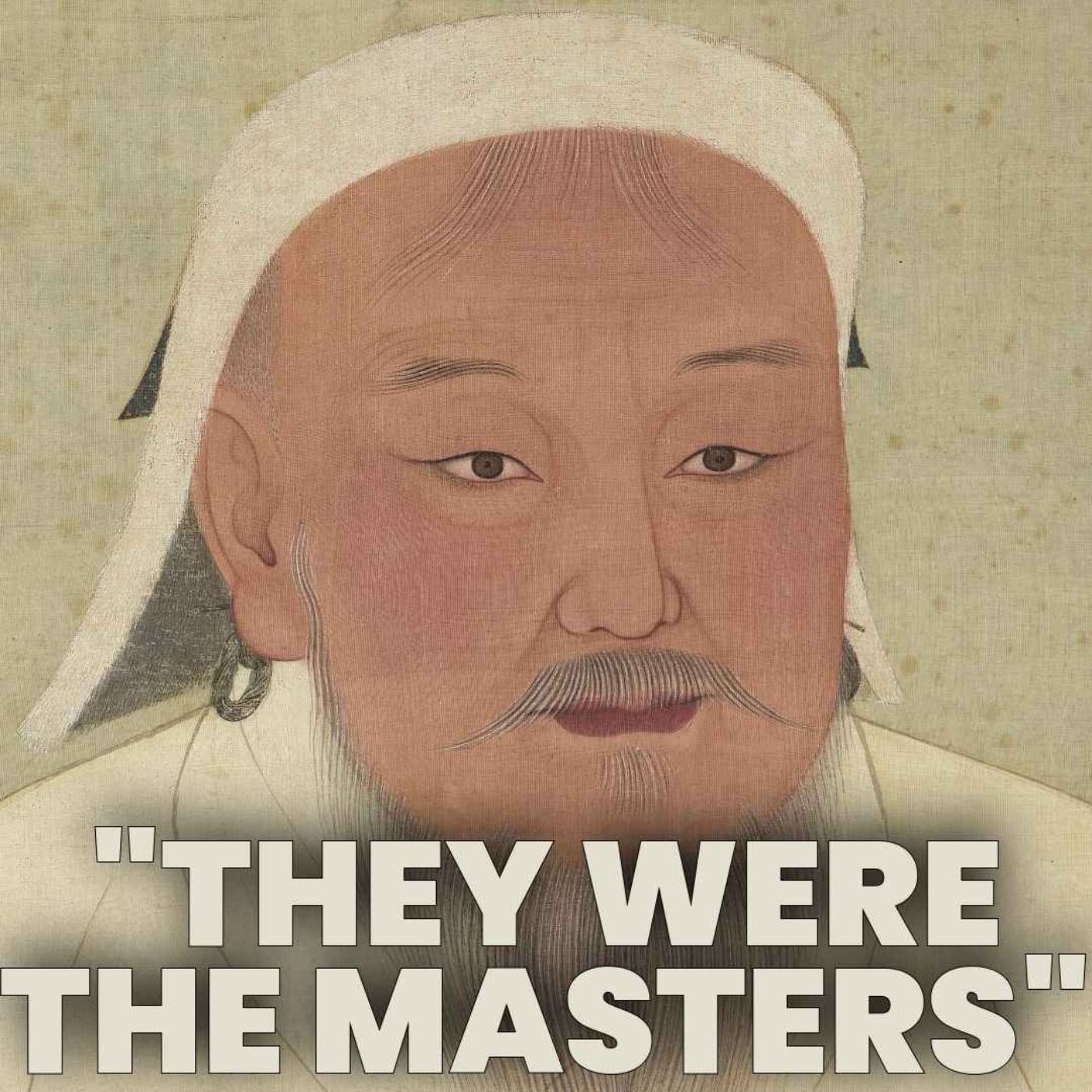
Who taught you that the Mongols only destroyed things? What if the empire that sacked Baghdad also invented blue and white porcelain, elected its leaders, and let the Khan's first wife decide on war? And why do the Mongols still have a worse reputation than any other empire in history — including the ones that lasted longer and killed more? In this Legacy Inbox episode, Peter is joined by Marie Favereau, one of the world's leading historians of the Mongol Empire, whose work has done more than anyone's to dismantle the story of a bloodthirsty wave that destroyed everything in front of it. A…
Content warning: this episode describes the events of 11 September 2001 in detail. What if the deadliest terror attack in history began with an American chequebook? What if the men who carried it out had once been armed, trained and celebrated by the West as freedom fighters? And what if the whole thing was set in motion more than twenty years earlier, on Christmas Eve? Afua Hirsch and Peter Frankopan begin the story of 9/11 two decades before it happened, in the mountains of Afghanistan. July 1979: Jimmy Carter signs off half a million dollars of covert aid to Afghan rebels, and a CIA…
How does a man go from calling Donald Trump a kook and a jackass to becoming his closest ally in the Senate? What do you give up to keep a seat at the table, and what do you actually get for it? And when the obituaries settle on calling you a pilot fish, has anything you did survived you? Lindsey Graham flew home from Kyiv on a Friday and was dead by Saturday evening, aged 71 — Peter Frankopan and Afua Hirsch on a career built almost entirely on proximity to other people's power. He was orphaned in his early twenties and raised his younger sister. He was the first in his family to go to…
Who decided that the thing stopping people travelling was not money, but choice? What happens to a country when the holiday is designed so that the visitor never has to leave the compound? And of every hundred dollars you spend at an all-inclusive, how much do you think actually stays there? Gerard Blitz opened his first holiday village on a Majorcan beach in 1950 on the theory that what people wanted was not adventure but the removal of every decision — Peter Frankopan and Afua Hirsch follow that idea all the way to the gated resorts of the present. The all-inclusive is now worth close to a…
Why does a kettle cost less than ten pounds? What kind of official refuses to send the army against protesters in one decade, then puts thirty million people out of work in the next? And when the man who built modern China spent his last twenty years saying nothing at all, what was he saying? Peter Frankopan and Afua Hirsch disagree, at length and on the record, about whether the architect of the modern cheap economy was brave or simply ruthless. Zhu Rongji died in Beijing in August, aged 97. Outside China his name means very little. Inside China, and inside every container ship leaving…
When did flying stop being the most glamorous thing a person could possibly do? What kind of industry fixes its own prices by law, and then competes on how much champagne it can pour? And what happened to the man who broke it? Sir Freddie Laker swept floors at an aircraft factory, worked out that the entire airline business was upside down, and got taken apart for it — Peter Frankopan and Afua Hirsch on the man whose bankruptcy made your budget flight possible. For most of the twentieth century the airlines ran a legal cartel. IATA fixed the fares, so a London to New York ticket cost the…
What happens to a person when the country they were born in decides they were never really from there? What does a play about the women of a sacked city, written 2,400 years ago, have to say to an actress walking out of Syria on foot? And how do you stand on a stage in Edinburgh and make an audience laugh about the worst thing that ever happened to you? At the Edinburgh Fringe, Peter Frankopan meets Arwa Omaren, whose one-woman show sets her own escape from Syria inside the story of Hecuba, Queen of Troy — along with William Stirling and Charlotte Eagar, who have spent a decade staging…
Who decided that the sea — cold, dangerous and full of smugglers — was somewhere you went for fun? What kind of doctor prescribes plunging into the Channel naked in the dead of winter, and then drinking it? And how did the towns Britain built to enjoy itself end up among the most deprived places in the country? The holiday — the whole idea that ordinary people are owed one — starts with a Brighton doctor, a shed on wheels and an Act of Parliament, and Peter Frankopan and Afua Hirsch follow it from there to the boarded-up promenades of the present. Dr Richard Russell published a book in the…
Why does every dictator, sooner or later, want to host the World Cup? What did a military junta that never wanted the tournament discover once the goals started going in? And when a hundred thousand people are dancing in the street, who is that actually working for? Peter Frankopan sits down with investigative journalist Karim Zidan, who has spent a decade tracking how autocrats turn football into propaganda — and who found his own way into the story as a teenager being dragged out of a stand by Egyptian riot police. Mussolini wrote the blueprint in 1934 and nobody has much improved on it…
What happened when the people written out of the Grand Tour wrote their own account of it? What did an eighteenth-century Bengali diplomat see in London that made him call the British a conceited race? And how did a man from Bihar end up as shampooing surgeon to the King of England? Afua Hirsch and Peter Frankopan follow the travellers the Grand Tour left out — enslaved servants, Black abolitionists, Indian intellectuals — and find them looking back at Europe with a colder eye than Europe ever turned on them. Frederick Douglass and Sarah Parker Remond met in Rome in 1868, two free Black…
What's a garnet mined in Sri Lanka two and a half thousand years ago doing in a silver hairpin dug up near Bruges? Why are the Duke of Burgundy and the conqueror of Constantinople staring each other down for the first time in history? And, how did most of Belgium forget that its own counts once sat on the throne of Constantinople? Afua turns interviewer as Peter opens the doors on Bigger Picture, the exhibition he has spent four years building to reframe Bruges as one of the great connected cities of the medieval world. It's the opening show at BRUSK, Bruges' vast new exhibition hall — 250…
What actually turned a teenage aristocrat into a "finished" gentleman in the 1700s? Why did one incredibly long, incredibly expensive holiday end up inventing the whole idea of "the West"? And why can you still trace a straight line from that holiday to Frankenstein, the contents of half of Britain's country houses, and this year's tenth anniversary of the Brexit vote? Send a nineteen-year-old aristocrat to Europe for three years with a credit line and a chaperone paid to keep him out of trouble, and what comes home is part fashion victim, part looter, part accidental philosopher — the…
What does it take to get a room of ex-military festival-goers in rural Wiltshire to agree Britain should return its stolen gold? And why does an obsolete Victorian law still make it a criminal offence for the British Museum to give any of it back? Afua Hirsch just spent a week testing both — with a Buckingham Palace thought experiment, a courtroom-style cross-examination, and a verdict on two centuries of looted treasure that even British Museum members found hard to argue with. Afua brings Peter inside two sold-out tents at the Chalke Valley History Festival — one on the Ashanti gold…
What does it mean when the sons of empire become the heroes of the nation that once ruled them? Four years later, what happens when one of those same colonies turns round and beats France on the biggest stage there is? And could two World Cups, played four years and one continent apart, actually tell you where the world's centre of gravity was heading next? Peter and Afua trace France '98 and the first World Cup ever held in Asia, from Zidane's headed goals to Senegal's shock win over the champions, to ask what football reveals about migration, empire and a shifting world order. Join Legacy…
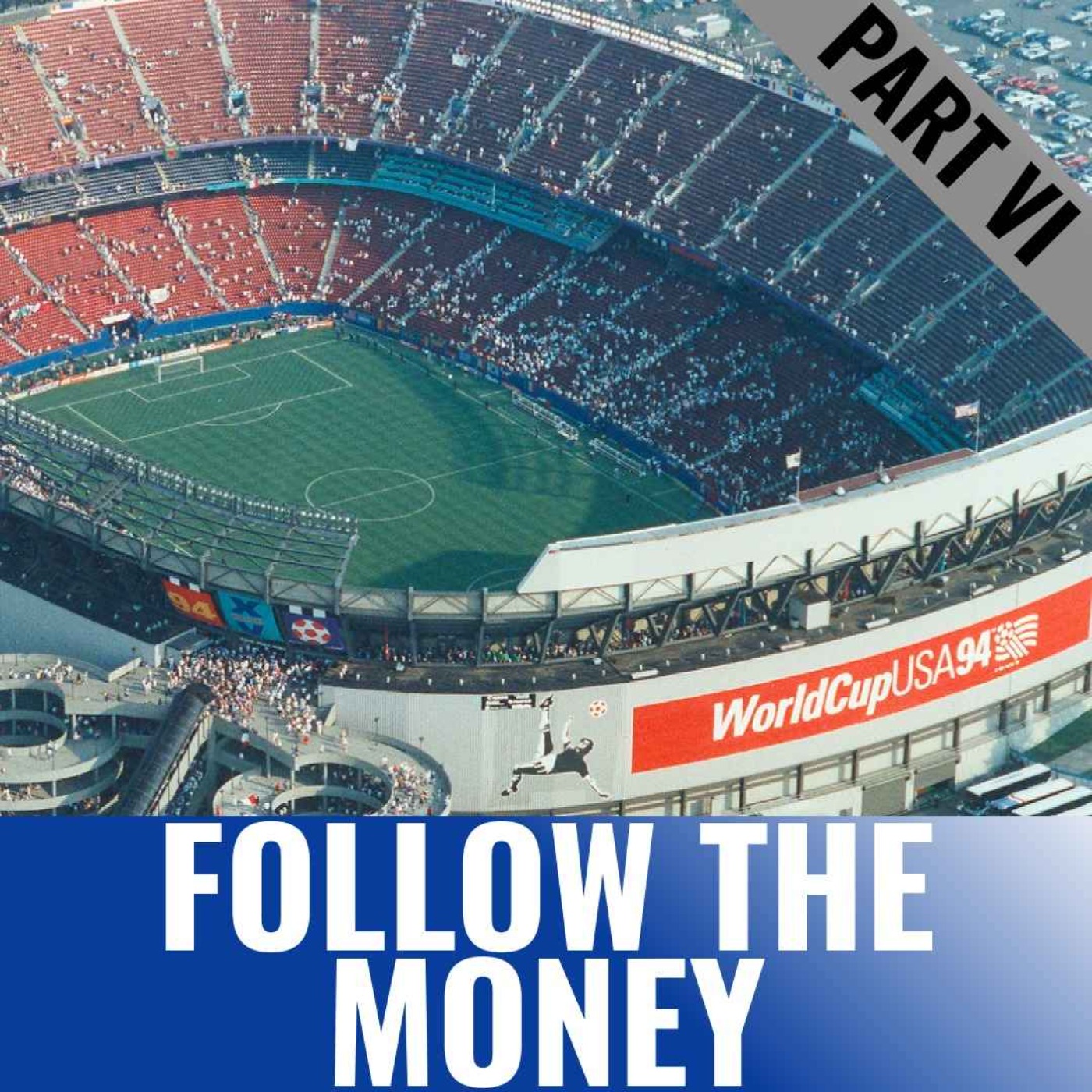
How does a country where football is a minority sport end up hosting — and cashing in on — the biggest World Cup in history? What happens when FIFA stops behaving like a sporting federation and starts behaving like a multinational? And when the tournament generates $14 billion in a single World Cup, who's actually footing the bill? Twelve global sponsors, three and a half million fans through the turnstiles, and a World Cup final so dull it needed penalties to save it — Peter and Afua follow the money to USA '94. Join Legacy Plus for bonus episodes, early access, Q&A's, fewer adverts and…
How does a country only three decades free of colonial rule end up humiliating the reigning world champions in the opening match? What happens when the last World Cup of the Cold War arrives just months after the Berlin Wall comes down? And can football ever really just be a game, when Roger Milla is dancing at a corner flag while an old world order quietly falls apart around him? Cameroon stun the reigning champions, Gazza cries in the semi-final, and Nessun Dorma becomes the unlikely soundtrack to the end of an era — Peter and Afua go back to Italia '90. Join Legacy Plus for bonus…
What does it mean to cheer for the country that once colonised yours? Forty years on from the Hand of God, does one match still define how a nation sees itself? And when Ghana play England, who exactly is Afua Hirsch supposed to be supporting? Gary Lineker returns to relive 1986 — the Golden Boot, Maradona, and a quarter-final played four years after the Falklands War — before the conversation turns to something far more personal: identity, belonging, and what it means to wear a nation's shirt. Join Legacy Plus for bonus episodes, early access, Q&A's, fewer adverts and more.…
hould football and politics ever really be kept apart? What happens when the host nation is at war with one of the teams competing in its own tournament? And when FIFA hands its brand-new peace prize to Donald Trump, has the beautiful game lost the plot completely? Gary Lineker sits down with Legacy for the first of three conversations on the World Cup, drawing on forty years inside the game to explain why politics has never once stayed off the pitch. Join Legacy Plus for bonus episodes, early access, Q&A's, fewer adverts and more. legacy.supportingcast.fm [0:00] Gary Lineker and forty years…
What happens when a World Cup final is played a few hundred metres from a torture centre? How does a newly independent nation humiliate the champions of Europe — and still get knocked out by a fix in plain sight? And when a boy from the slums of Buenos Aires beat England with his fist, was it the cruellest cheat in football — or perfect revenge? Afua and Peter follow the World Cup through its darkest decade — Argentina's generals roaring at finals while prisoners vanish next door, Algeria's reckoning with Europe, and a kid called Maradona turning a single match into a settling of old scores.…
What turns a football team into a country's most powerful weapon? How does a game invented to entertain end up laundering the reputations of dictators? And when seventy years of European control collapsed in a single afternoon's vote — who took the game, and what did they want with it? From the sunlit genius of Brazil in 1970 to a backroom ballot in Frankfurt, Peter and Afua track the moment football slips out of European hands — and everyone, from newly free nations to military juntas, lunges to grab it. Join Legacy Plus for bonus episodes, early access, Q&A's, fewer adverts and more.…
About Legacy
Afua Hirsch and Peter Frankopan tell the wild stories of some of the most extraordinary men and women ever to have lived – and ask whether they have the rep they deserve. Should Nina Simone’s role in the civil rights movement be more celebrated than it is? When you find out what Picasso got up to in his studio, can you still admire his art? Was Napoleon a hero or a tyrant - or both? (And, while we’re at it, was he even short?) Legacy is the show that looks at big lives from the perspective of now – and doesn’t always like what it sees. Hosted on Acast. See acast.com/privacy for more information.
Legacy is a English history podcast from Original Legacy Productions. Melo plays each episode straight from the publisher's own feed — no ads added, no account needed — and remembers where you stopped, in this browser only.
The Melo app keeps playing with the screen off, works in the car and on your watch, wakes you to your station, and browses the whole catalogue offline. Free, no ads, no account.