
Episode · Science Magazine Podcast
Psychoactive substances helped spur Andean civilization, and breaking barriers to education
10 Sep 2026 · 33 min
Episode · Science Magazine Podcast
10 Sep 2026 · 33 min
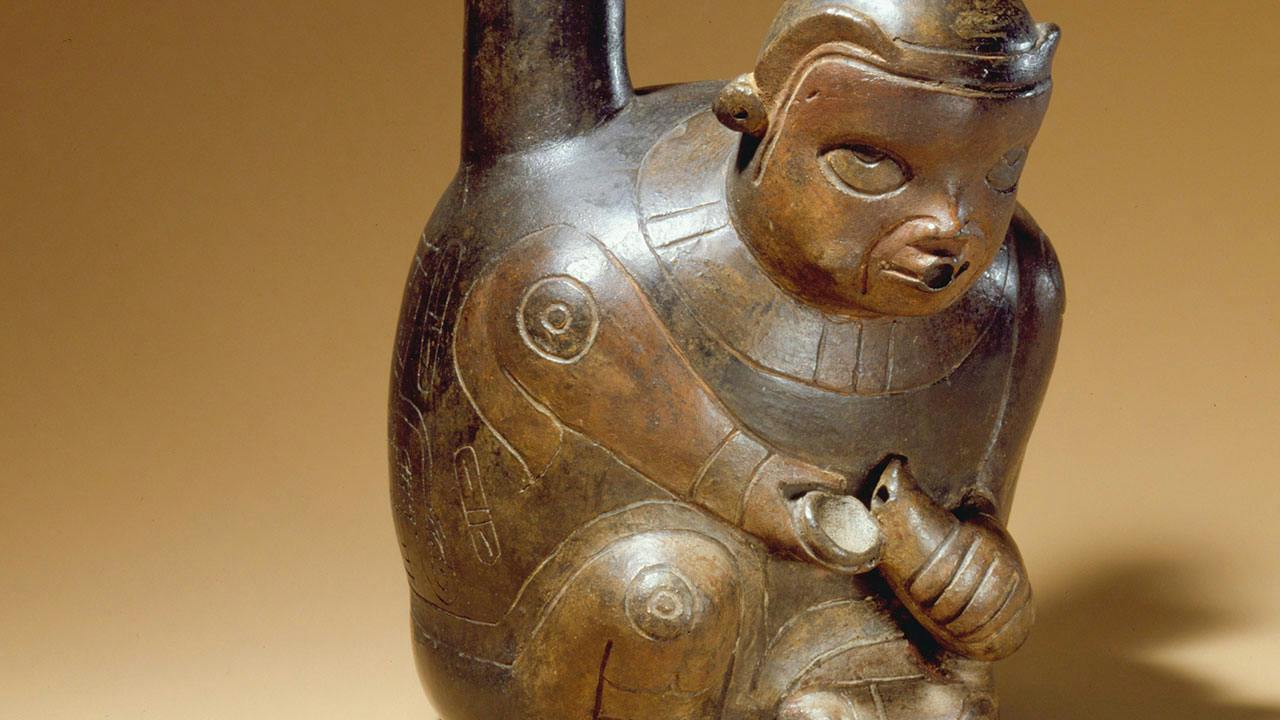
First up on the podcast, producer Meagan Cantwell and freelance journalist Andrew Lawler discuss how psychoactive drugs might have shaped culture in pre-Inca Andean societies. They chat about how technical advances and an increasingly open research environment have allowed scientists to detect traces of substances such as vilca, which contains dimethyltryptamine, the psychoactive compound also found in ayahuasca. Next on the show, host Sarah Crespi is joined by Noam Angrist, academic director of the What Works Hub for Global Education at the University of Oxford’s Blavatnik School of…

by Science Magazine · English · Tech & Science
Weekly podcasts from Science Magazine, the world's leading journal of original scientific research, global news, and commentary.
1 Oct 2026 · 37 min
First up on the podcast, Staff Writer Jennie Erin Smith joins host Sarah Crespi to talk about new research on how noninvasive technologies such as transcranial magnetic stimulation are being used in the context of women’s health to tackle everything from postpartum depression to menstrual pain and fertility issues. Next on the show, we talk with Liisa Galea, Treliving family chair in women’s mental health and professor in the department of psychiatry at the University of Toronto. In a review in this week’s special issue on women’s health, Galea discusses the state of research on hormone…

24 Sep 2026 · 49 min
First up on the podcast, Staff Reporter Tom Howarth joins host Sarah Crespi to talk about the language artificial intelligence agents evolve inside their swarms. Next on the show, producer Elah Feder talks with Revathe Thillaikumar, a behavioral ecologist and postdoctoral fellow at the Max Planck Institute of Animal Behavior. The two discuss the value of social learning as baby orangutans learn to find their own food over the longest dependency period of any animal, except humans. Finally, from our series on scientific autobiographies, books host Angela Saini talks with astrophysicist Sara…
17 Sep 2026 · 40 min
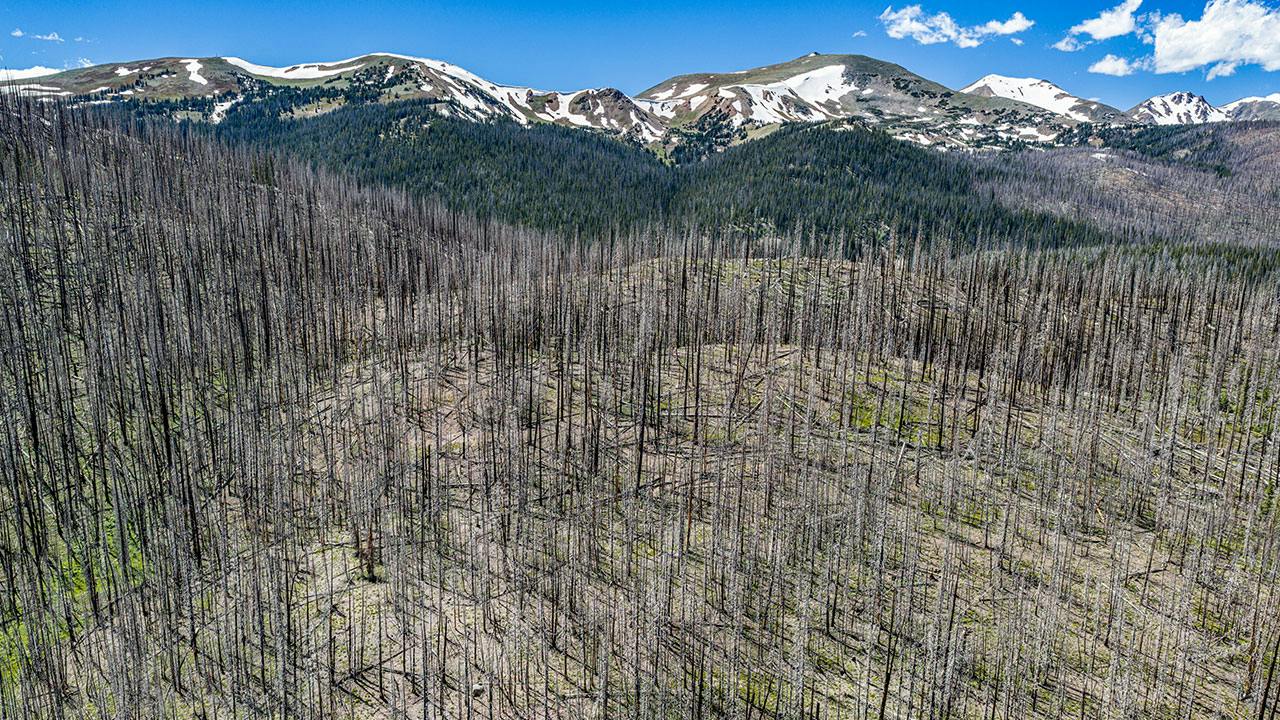
First up on the podcast, as the planet warms and forests burn, can we replant them with new trees that will thrive in the decades ahead? Associate Editor Katie Langin joins host Sarah Crespi to discuss research into “assisted migration” for replenishing forests after wildfires. Next on the show, Susana Monsó, an associate professor in the Department of Logic, History and Philosophy of Science at the Spanish National University of Distance Education, shares her latest Expert Voices column. She discusses how philosophy can play a role in the scientific process—from defining terms to…

3 Sep 2026 · 28 min
First up on the podcast, Senior International Correspondent Richard Stone joins host Sarah Crespi to discuss how climate is pushing the disease-carrying tick Hyalomma marginatum out of its comfort zone. Stone reports from Kosovo, where the tick has long been endemic, on how surveillance can uncover hidden circulation—and help countries prepare before human cases appear. Next on the show, researchers have long known ambient temperatures cause some species of amphibians to reverse sex. In the case of the agile frog (Rana dalmatina), genetically female frogs take on male characteristics at…

27 Aug 2026 · 50 min
First up on the podcast, will it ever make economic sense to produce drugs and biomedical supplies in space? Associate Online News Editor Michael Greshko discusses his story on the researchers attempting to make biomanufacturing in space a reality, with News intern Julia Vaz. Next on the show, producer Kevin McLean chats with Mads Peter Heide-Jørgensen, a professor in the department of birds and mammals at the Greenland Institute of Natural Resources, about how narwhals have helped collect hard-to-reach oceanographic samples. Data collected by these long-toothed cetaceans revealed far more…

20 Aug 2026 · 29 min
First up on the podcast, the News team’s Diverse Voices in Science Journalism interns Mona Patterson and Laura Martín Agudelo join host Sarah Crespi to talk over some of their reporting from the summer. They chat about several stories, including why it’s so difficult to track the food-borne illness cyclosporiasis and a new map for a major highway of the human nervous system. Check out all of Patterson’s and Martín Agudelo’s stories. Next on the show, Leslie Chan, assistant professor in the Wallace H. Coulter Department of Biomedical Engineering at the Georgia Institute of Technology and the…

8 Oct 2026 · 48 minNew
First up on the podcast, freelance science journalist Robin George Andrews describes Japan’s upcoming Martian Moons eXploration mission that will nab a sample from the surface of Mars’s moon Phobos. The material, due back to Earth in 2031, could reveal the origins of this mysterious moon, the past habitability of Mars, or even hints of life itself. Next on the show, Hawaii’s Kilauea volcano started to periodically spew tall fountains of lava in December 2024. Researchers and the public tuned in to watch more than 50 fountaining events steaming live online. Ashton Flinders, a research…
13 Aug 2026 · 27 min
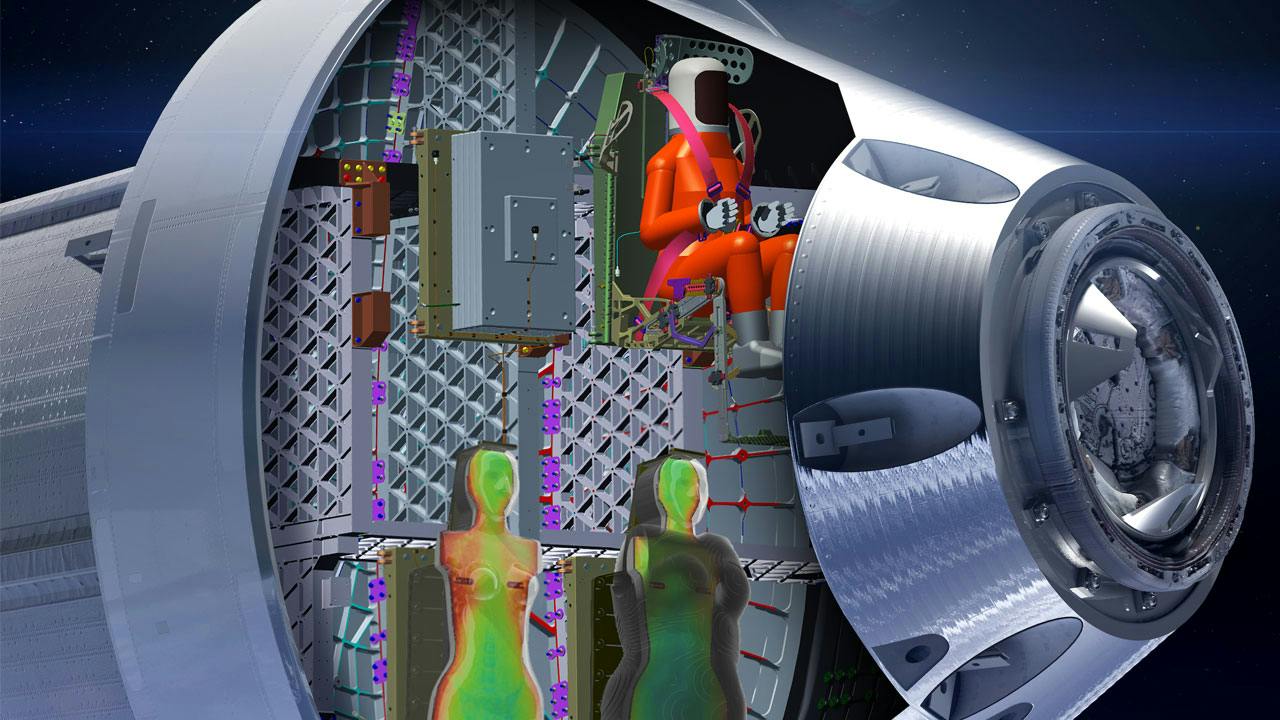
First up on the podcast, ScienceInsider Editor Jocelyn Kaiser joins host Sarah Crespi for the latest science policy news. The two discuss recent grant cancellations by the U.S. National Institutes of Health and the likelihood that the agency will spend its budget by the end of its fiscal year on 30 September. Next on the show, crew aboard spacecraft that enter deep space are likely to be exposed to a radiation source we don’t often encounter on Earth’s surface: high-speed protons coming from solar storms or cosmic rays. So to protect astronauts, researchers are using plastics to defend…

6 Aug 2026 · 38 min
First up on the podcast, Deputy News Editor Michael Price discusses the history of the North American bison population, its decline, and resurrection—and links to Indigenous cultures. He’s joined by University of California, Santa Cruz evolutionary molecular biologist Beth Shapiro and Greg Wilson, a wildlife ecologist with Parks Canada. They talk about their Science paper on the genetic diversity of modern bison after near extermination during European colonization. Shapiro and Wilson also explain how these findings can be used to inform conservation efforts. Next on the show, Jennie…

30 Jul 2026 · 47 min
First up on the podcast, we catch up with Celina Zhao, a staff reporter for Science’s AI In Science reporting initiative. She talks with host Sarah Crespi about artificial intelligence’s knack for finding legal loopholes and how philosophers are navigating conflicts of interest around advising companies on AI. Next on the show, it’s hard to figure out how much force a muscle is exerting without sticking invasive probes into the body. Christopher Bird, a Ph.D. candidate in the School of Biomedical Sciences at the University of Queensland, discusses a new way to use ultrawideband radar to…

The Melo app keeps playing with the screen off, works in the car and on your watch, wakes you to your station, and browses the whole catalogue offline. Free, no ads, no account.


