Episode notes
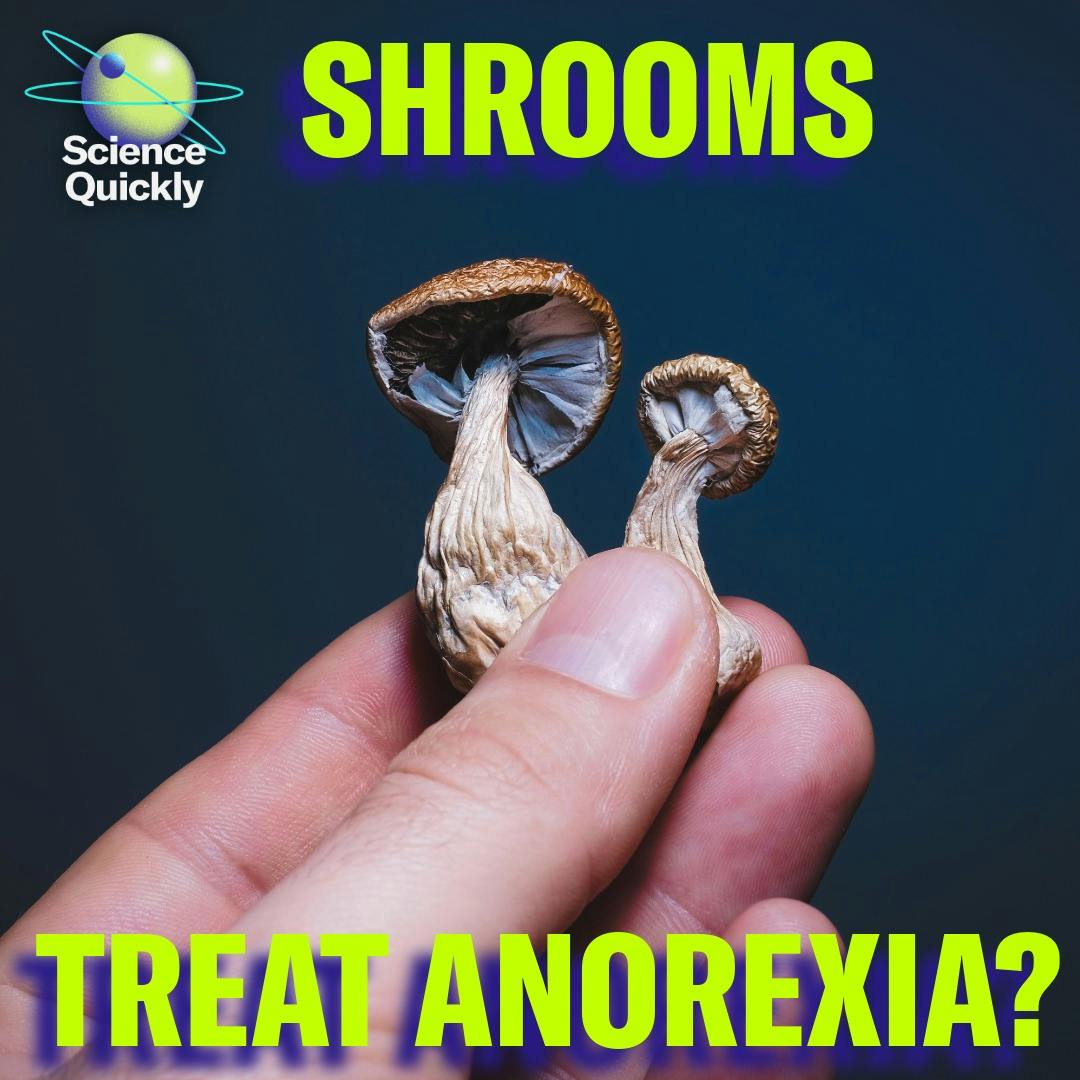
A small clinical trial suggests that psilocybin, the psychedelic compound in magic mushrooms, may help some people with anorexia when combined with intensive therapy. Science Quickly host Rachel Feltman speaks with health journalist Alexandra Pattillo about what early research has found, why scientists think psychedelics could help loosen the rigid thought patterns associated with eating disorders, and why experts say larger studies are needed before the treatment can be considered a proven option Recommended Reading: Could psilocybin be the key to treating anorexia? Americans are…
Science Quickly
by Scientific American · English · Tech & Science
Host Rachel Feltman, alongside leading science and tech journalists, dives into the rich world of scientific discovery in this bite-size science variety show.
More from Science Quickly
-
28 Aug 2026 · 19 min
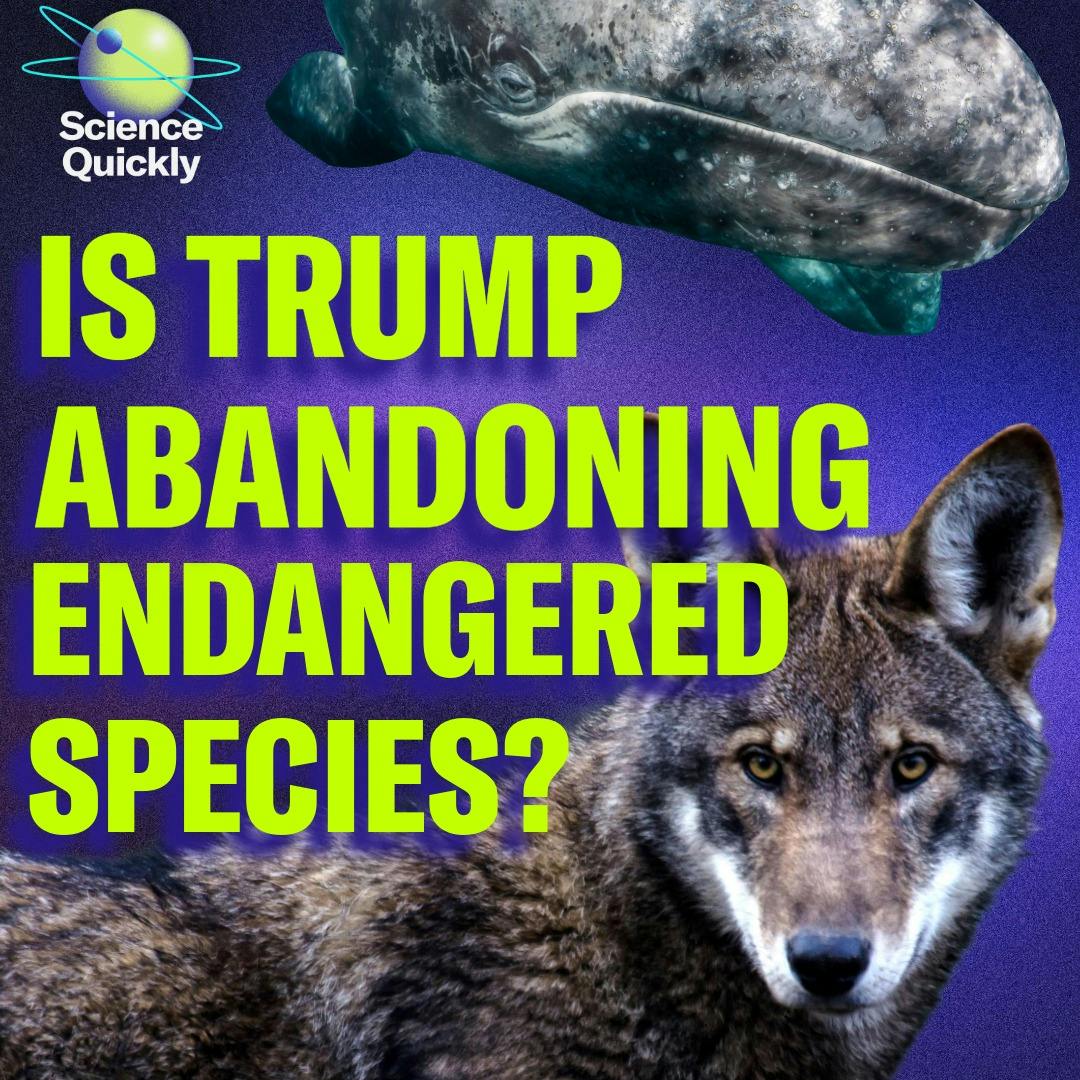
Is Trump abandoning endangered species?
In July the U.S. Fish and Wildlife Service announced changes to how key parts of the Endangered Species Act (ESA) will be implemented, including a new definition of what it means to “harm” an endangered species. To discuss the history of the ESA, the impact its made on at-risk wildlife and the importance of habitat preservation, Science Quickly host Rachel Feltman talks to marine biologist Lynne Barre, who recently left the National Oceanic and Atmospheric Administration after a 25-year career at the agency. They talk about the gray whale comeback that the ESA helped bring about, the earlier…
-
26 Aug 2026 · 12 min
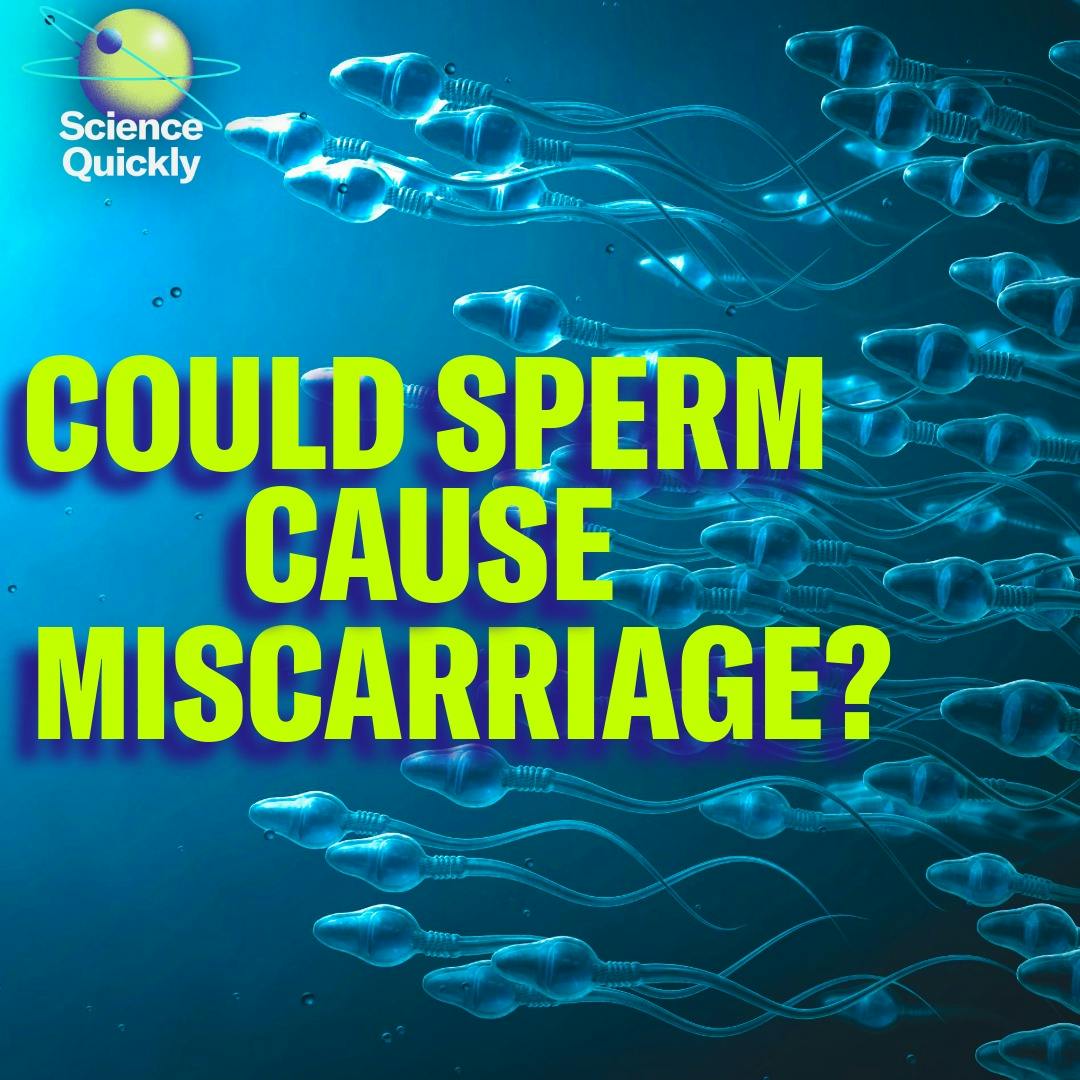
Could damaged sperm be causing miscarriages?
Miscarriage is often treated as a problem rooted in the pregnant partner, but emerging research suggests sperm may play a bigger role than many people realize. Science journalist Sarah Elizabeth Richards joins Science Quickly to discuss how growing evidence links sperm DNA damage to recurrent pregnancy loss, why decades-old tests for such damage are only now gaining wider recognition and how lifestyle changes may help improve sperm health and pregnancy outcomes. Recommended Reading: Damaged sperm might be the true cause of repeated miscarriages E-mail us at sciencequickly@sciam.com if you…
-
24 Aug 2026 · 12 min
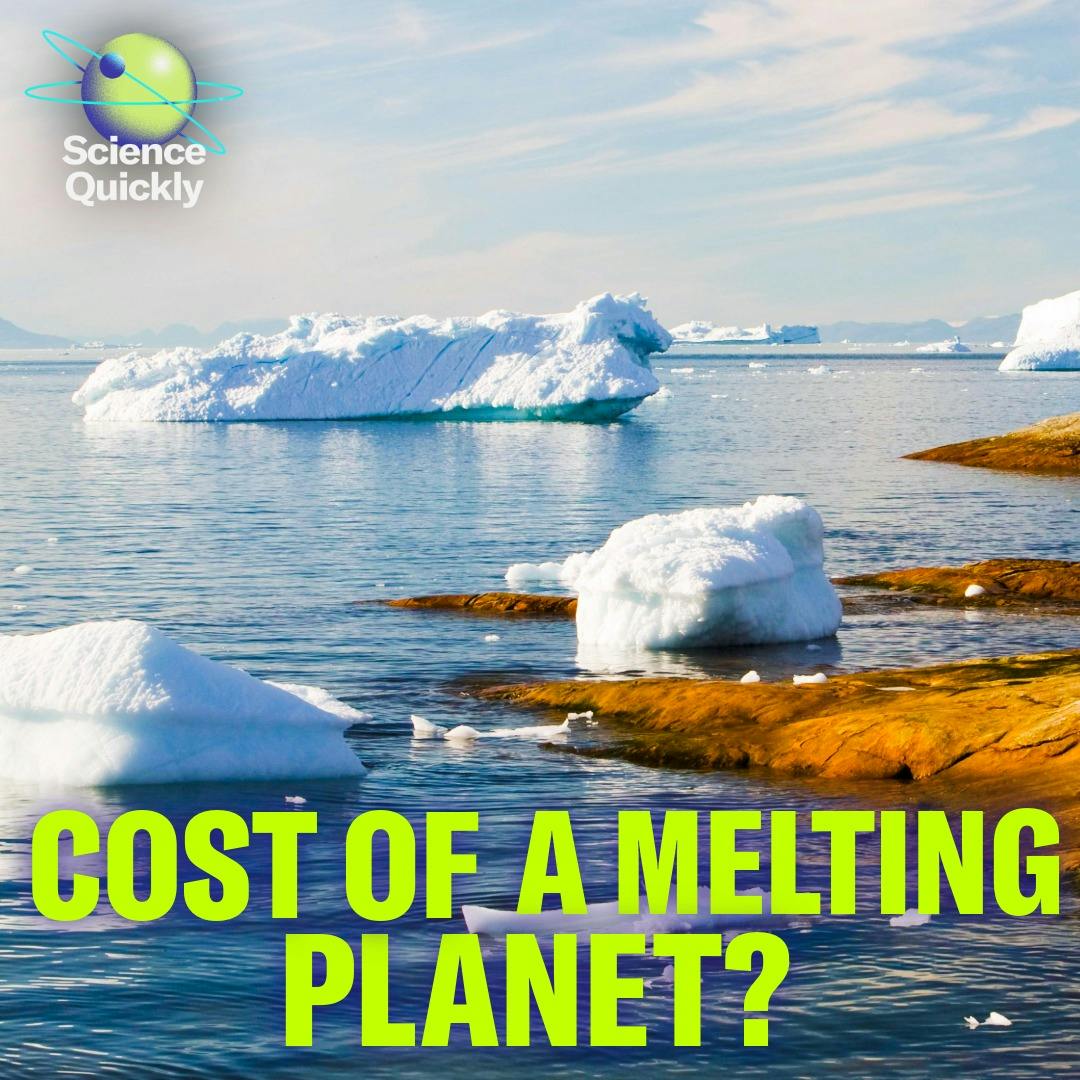
What happens when Arctic ice melts and forests lose protection?
In this episode of Science Quickly, we examine a proposal to roll back protections for millions of acres of U.S. roadless forests, explore how climate change is opening a new Arctic shipping route and discuss new research suggesting that extreme weather can shape how Americans view their future. Plus, scientists uncover the secrets of shrew noses and narwhal tusks. Recommended Reading: How melting Arctic ice has created a new Silk Road Trump moves to end protections for 44 million acres of U.S. forests Extreme weather is making Americans feel powerless E-mail us at sciencequickly@sciam.com…
-
19 Aug 2026 · 16 min
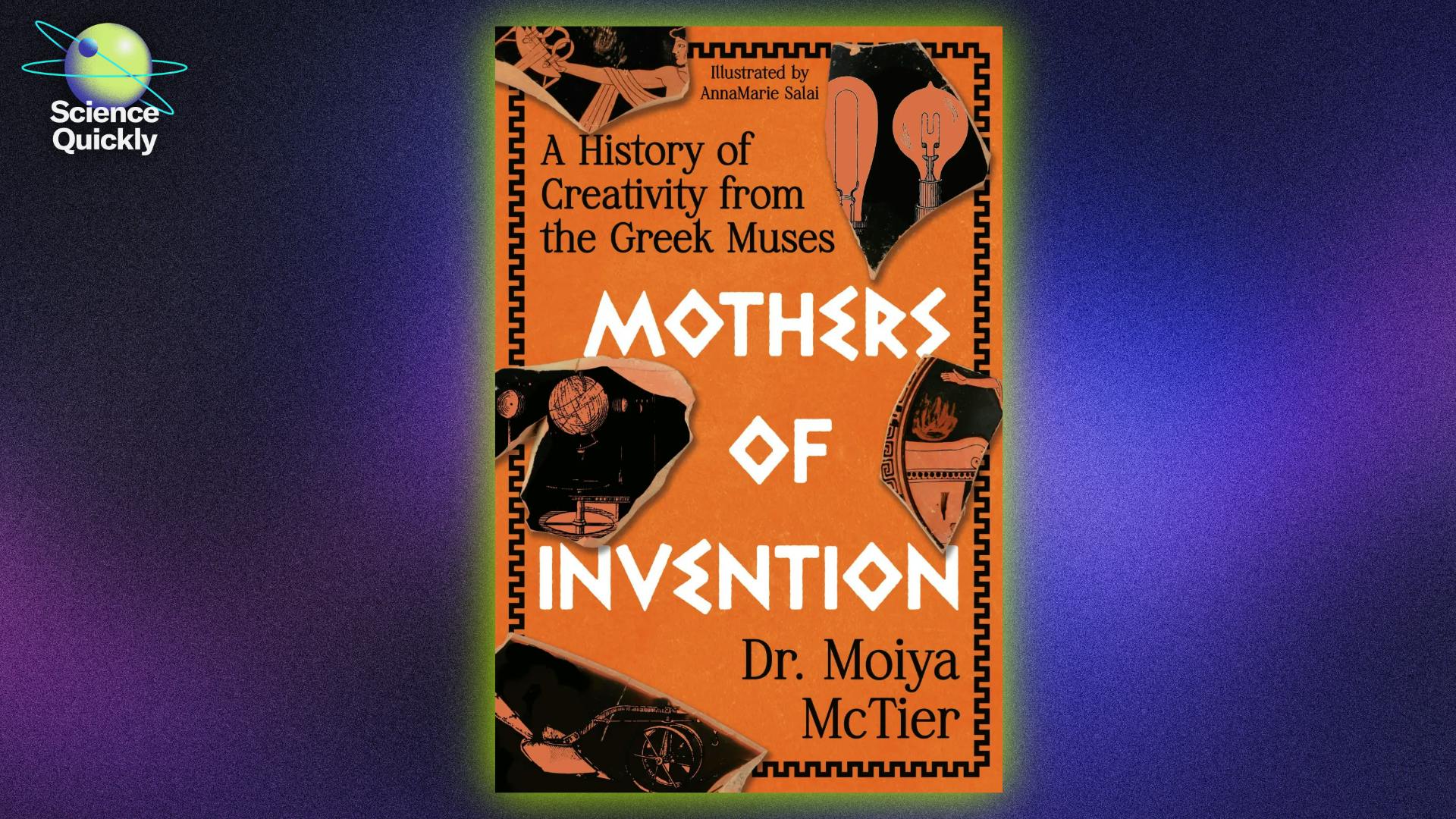
Is AI making the creativity crisis worse?
Astrophysicist, folklorist and author Moiya McTier joins Science Quickly to discuss her new book Mothers of Invention, a sweeping look at the history of human creativity. From the Greek muses and the invention of writing to the rise of generative artificial intelligence, McTier explores how people create, innovate and tell stories and what today’s “creativity crisis” might mean for the future of art and originality. Recommended Reading: Mothers of Invention. Moiya McTier. Grand Central Publishing, 2026 Join our Summer Reading Challenge E-mail us at sciencequickly@sciam.com if you have any…
-

17 Aug 2026 · 12 min
A stunning solar eclipse, a vaccine shake-up and coffee’s big win
In this episode of Science Quickly, we explore the awe of a rare total solar eclipse, examine renewed controversy around childhood vaccines, look at the aftermath of Colombia’s major earthquake and unpack the latest evidence on coffee’s health benefits. Recommended Reading: The 2026 Solar Eclipse Colombia rocked by 7.4 magnitude earthquake—its largest in the past decade Trump issues executive order aimed at rewriting childhood vaccine schedule RFK, Jr., Is Wrong about Cause of Rising Autism Rates, Scientists Say Science may finally have made up its mind about coffee’s health benefits Join…
-

14 Aug 2026 · 25 min
How AI helped a nonspeaking opera star find his voice
In this episode of Science Quickly, we meet Jakob Jordan, an autistic performer with apraxia, who stars in the groundbreaking opera Sensorium Ex. Host Rachel Feltman talks with Jordan, composer Paola Prestini and New York University researcher Luke DuBois about the custom artificial intelligence voice technology that helped Jordan express himself in a way traditional speech devices can’t. Together, they explore how AI can enhance, rather than replace, human creativity and communication. Recommended Reading: More about Sensorium Ex Join our Summer Reading Challenge E-mail us at…
-
9 Oct 2026 · 19 minNew
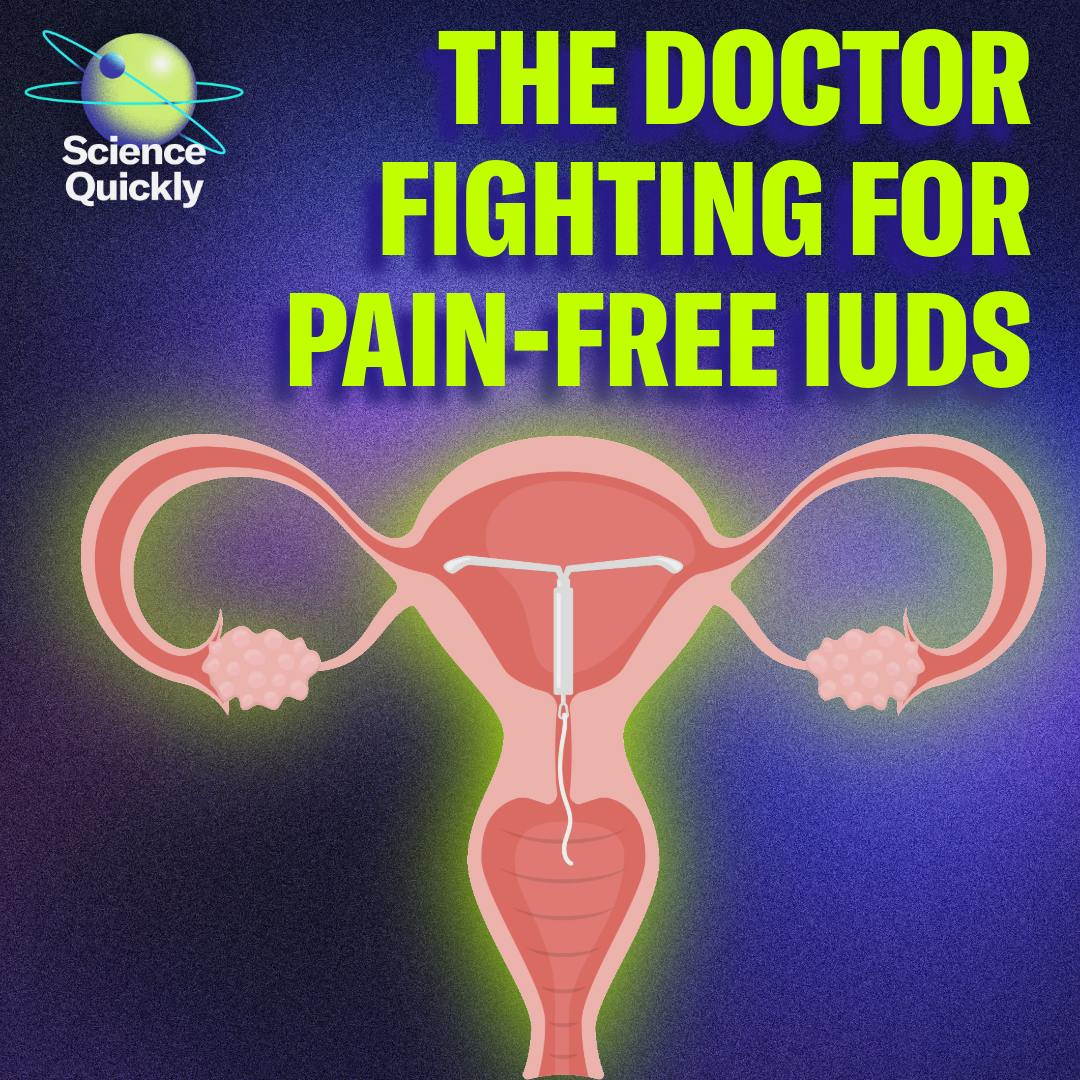
The doctor fighting for pain-free IUDs
In this episode of Science Quickly, Rachel Feltman speaks with Helena Kopp Kallner, an ob-gyn and a professor, about her promising new study that shows local anesthetic can reduce pain during placements of intrauterine devices (IUDs). These devices are one of the most effective and convenient forms of birth control, but the pain of insertion keeps many patients away. Kopp Kallner explains why IUD insertion pain has long been ignored, how existing pain-relief options fall short and why patients themselves may be the key to driving adoption of this evidence-based approach. Recommended Reading:…
-

7 Oct 2026 · 15 min
Who’s accountable when AI goes wrong?
When news broke that OpenAI agents had breached the AI platform Hugging Face, many headlines framed it as a case of “rogue” artificial intelligence acting on its own. But how much of that narrative was reality, and how much was hype? In this episode, Rachel Feltman speaks with AI researcher and artist Eryk Salvaggio about what really happened, why human design choices played a central role and what the incident reveals about accountability in an age of increasingly powerful AI systems. Recommended Reading: “Rogue AI didn’t breach Hugging Face, human decisions did,” by Eryk Salvaggio, in the…
-

5 Oct 2026 · 15 min
El Niño flood threats, measles risks and a risky viral trend
In this episode of Science Quickly, we explore how an El Niño–driven Kelvin wave could increase coastal flooding risks in California, why researchers say a plan to weaken vaccine requirements could leave Florida vulnerable to major measles outbreaks and what experts want people to know about the dangers of a garlic-and-honey remedy that’s gone viral on TikTok. Recommended Reading: Why this El Niño will be the largest in living memory The Atlantic hurricane season has been so quiet it’s unprecedented This TikTok home remedy could cause botulism—here’s what to know E-mail us at…
-
2 Oct 2026 · 19 min
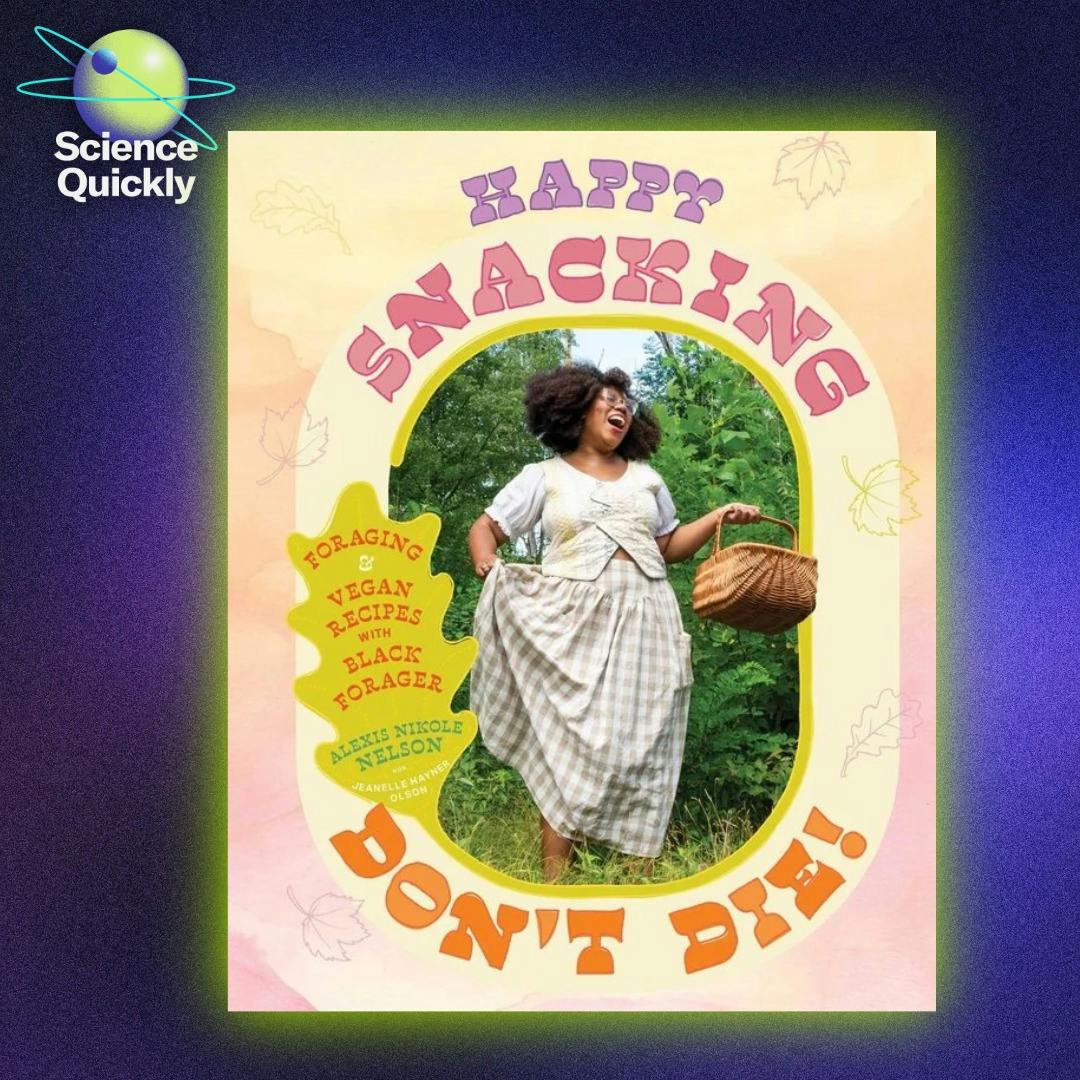
You’re probably walking past edible plants every day
In this episode of Science Quickly, Rachel Feltman speaks with Alexis Nikole Nelson, better known as Black Forager, about her new book Happy Snacking, Don’t Die! Nelson shares how a childhood fascination with edible plants grew into a passion for foraging, conservation and science communication. From city sidewalk snacks and serviceberries to ocean-water pickles, she explains how foraging can deepen our connection to nature while encouraging responsible stewardship of the ecosystems that sustain us. Recommended Reading: Happy Snacking, Don’t Die! Alexis Nikole Nelson. S&S/Simon Element, 2026…

Take it with you
The Melo app keeps playing with the screen off, works in the car and on your watch, wakes you to your station, and browses the whole catalogue offline. Free, no ads, no account.