
Episode · Science Quickly
Getting to YouTube science stardom by building $#!%ty robots
5 Aug 2026 · 25 min
Episode · Science Quickly
5 Aug 2026 · 25 min
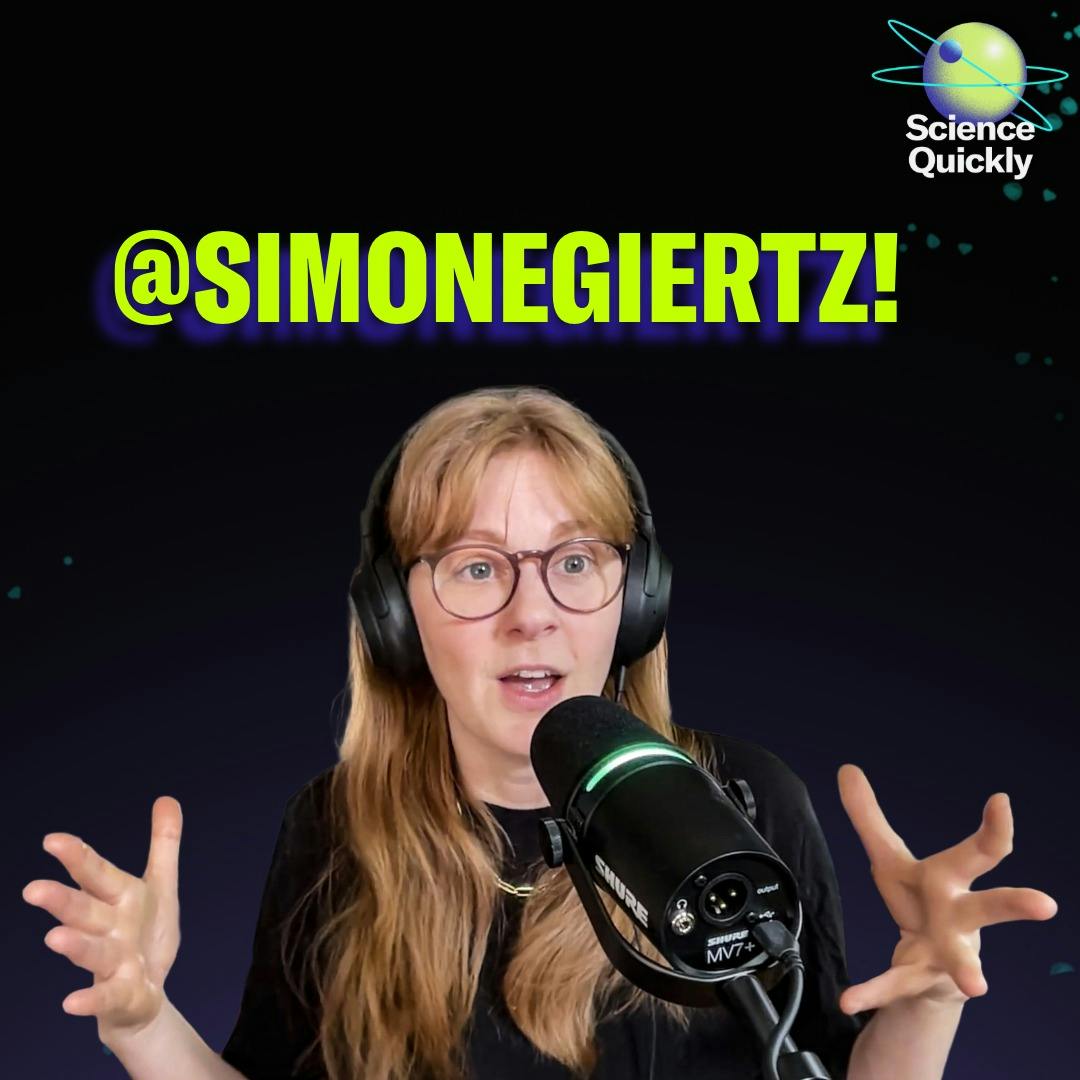
In this episode of Science Quickly, we talk with Simone Giertz, YouTube maker extraordinaire, about her life in science and the influencer spotlight. She started making, in her words, “shitty robots” and has evolved into a maker and product designer. But while she makes things to solve ordinary problems, her designs are anything but. Simone’s ethos is all about questioning why we use certain objects the way we do—and realizing that anyone can make up a new thing to make their lives a little better. Recommended Watching: Simone Giertz’s YouTube Join our Summer Reading Challenge…
by Scientific American · English · Tech & Science
Host Rachel Feltman, alongside leading science and tech journalists, dives into the rich world of scientific discovery in this bite-size science variety show.
12 Aug 2026 · 24 min
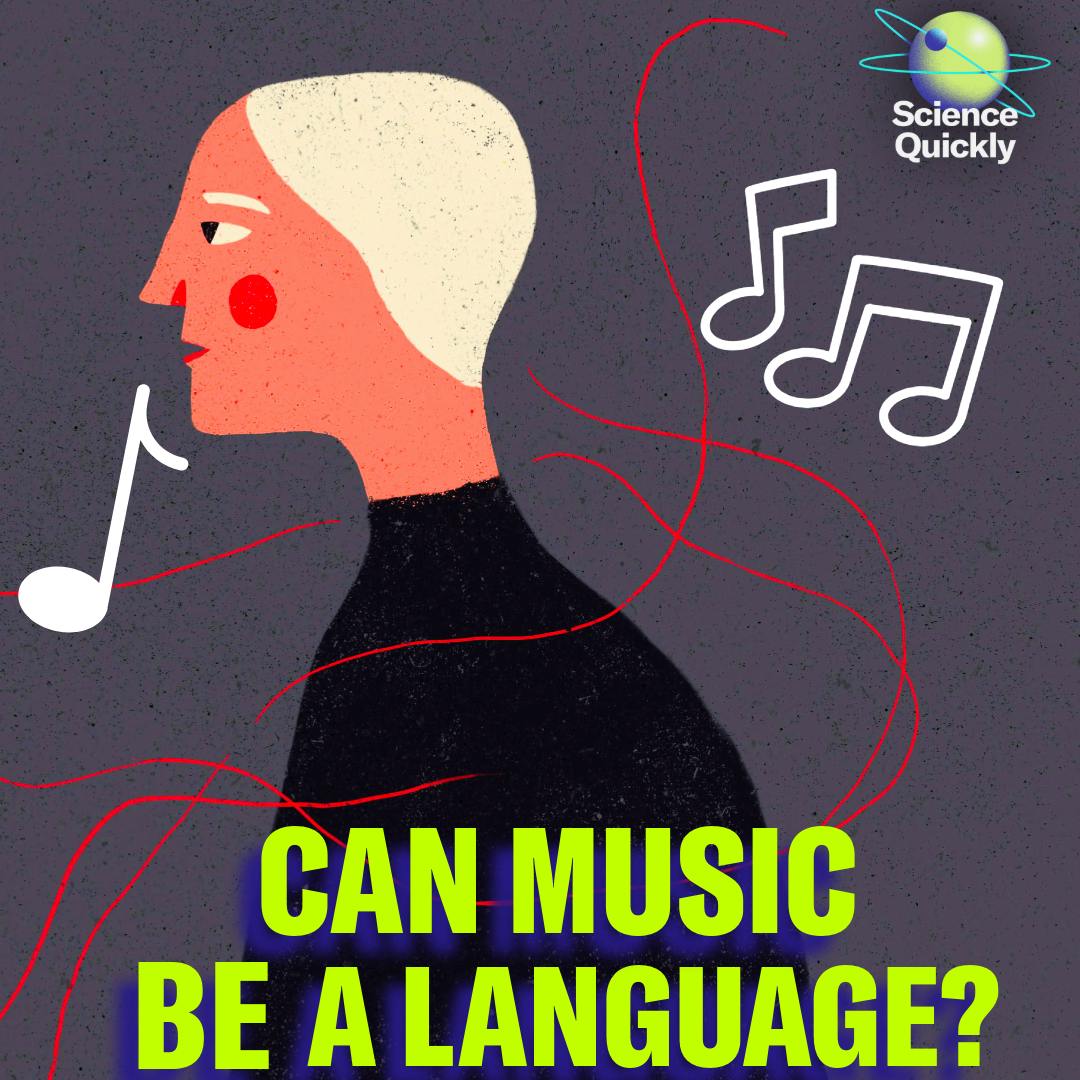
What would it take to create a language made entirely of music? In this episode of Science Quickly, Scientific American’s Allison Parshall explores the science and linguistics behind musical languages, from real-world constructed languages to the intricate note-based communication system created for the alien Rocky in Project Hail Mary. Learn how linguists transformed rhythm and pitch into a fully functional language and what these imaginative experiments reveal about the nature of communication itself. Recommended Reading: Andy Weir on Ryan Gosling, alien contact and the wild science of…
10 Aug 2026 · 14 min
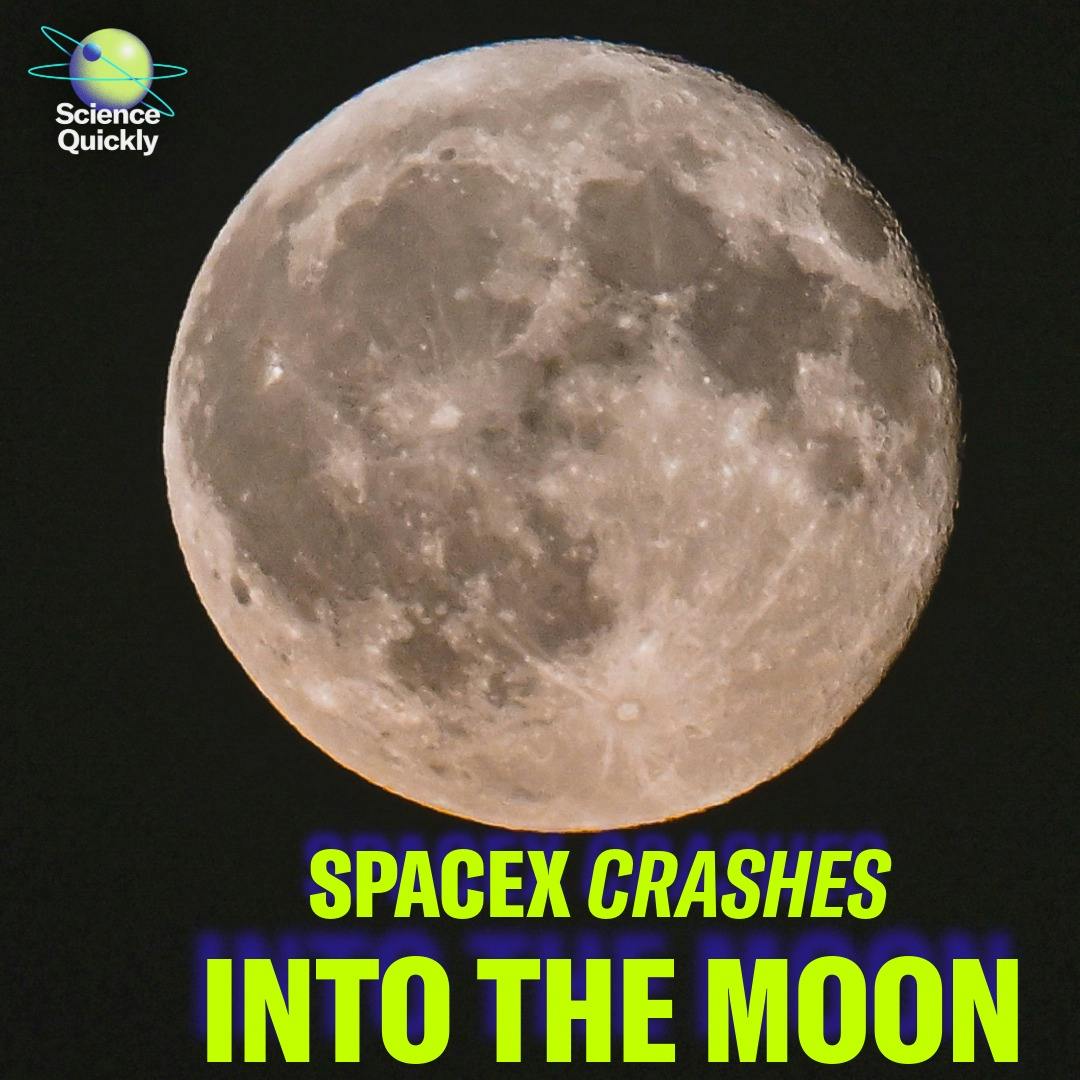
A wayward SpaceX rocket crashes into the moon, offering scientists a rare chance to study a lunar impact, while cyberattacks targeting U.S. water utilities raise concerns about critical infrastructure security. We also unpack the record-breaking Cyclospora outbreak driving shoppers to farmers markets and explore the Food and Drug Administration’s approval of the first mRNA-based flu vaccine. Recommended Reading: A SpaceX rocket is about to crash into the moon—scientists will be watching Elon Musk reveals SpaceX plans to build satellite factories on the moon In a first, U.S. approves powerful…
7 Aug 2026 · 14 min
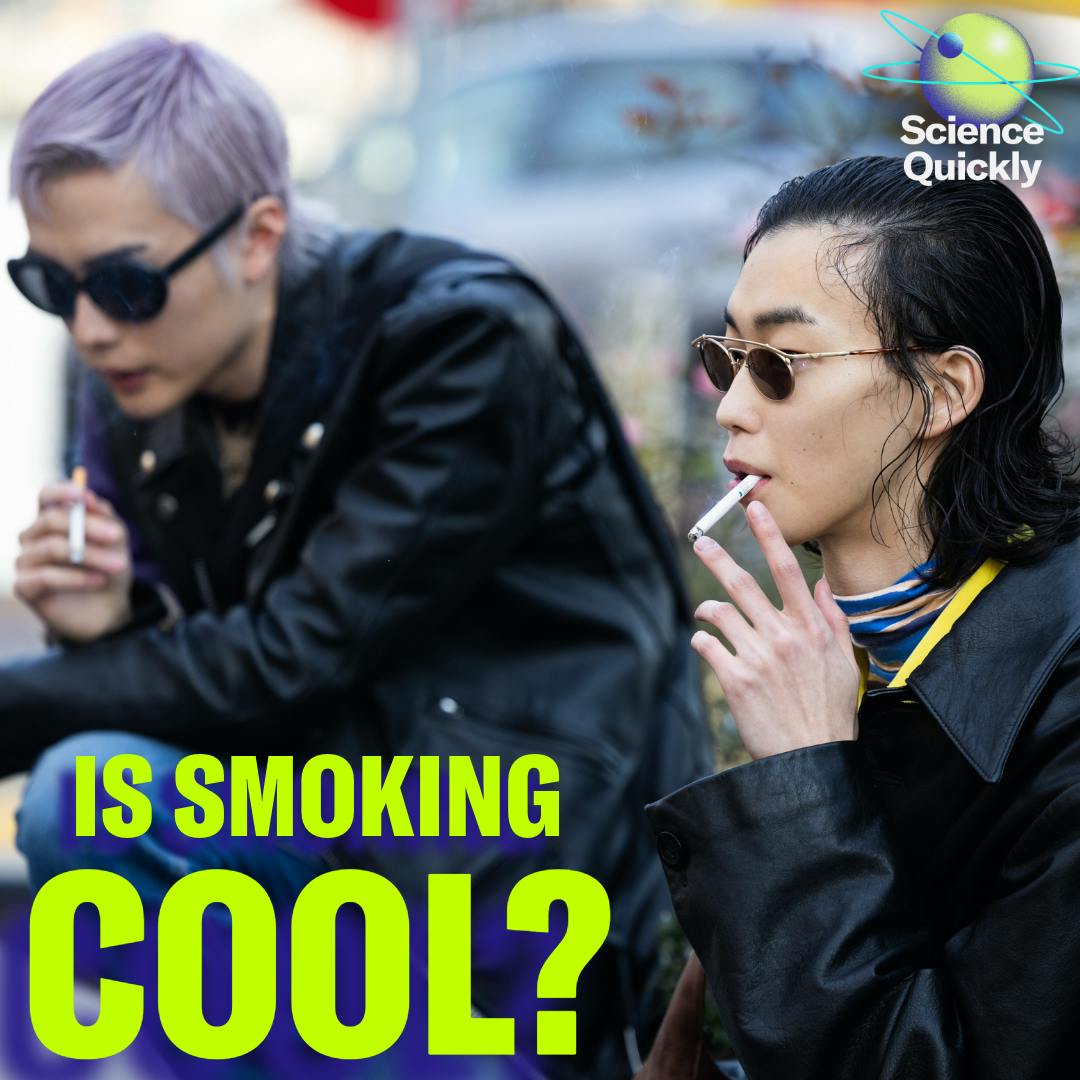
In this episode of Science Quickly, Scientific American’s Adam Kovac joins host Rachel Feltman to explore why some experts worry cigarettes may be making a comeback among Generation Z. They discuss how social media, celebrity influence and growing anxiety among young people may have roles in the possible trend and why public health researchers are watching it closely. Recommended Reading: Is Gen Z actually smoking more? An investigation Antinicotine advocates and lawmakers criticize the FDA’s decision to approve flavored vapes A smoking ban for people born after 2008 may be on the cusp of…
9 Oct 2026 · 19 minNew
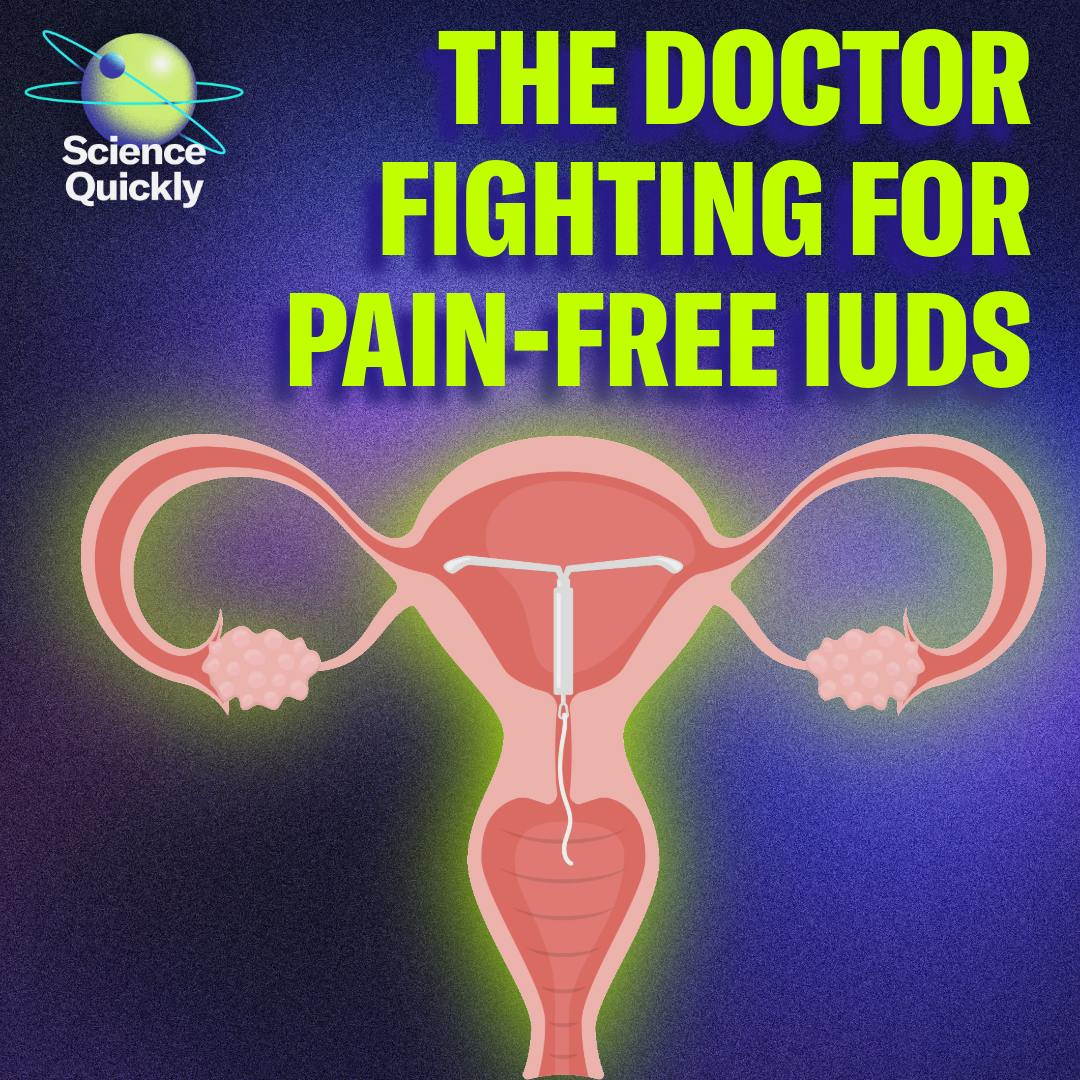
In this episode of Science Quickly, Rachel Feltman speaks with Helena Kopp Kallner, an ob-gyn and a professor, about her promising new study that shows local anesthetic can reduce pain during placements of intrauterine devices (IUDs). These devices are one of the most effective and convenient forms of birth control, but the pain of insertion keeps many patients away. Kopp Kallner explains why IUD insertion pain has long been ignored, how existing pain-relief options fall short and why patients themselves may be the key to driving adoption of this evidence-based approach. Recommended Reading:…

7 Oct 2026 · 15 min
When news broke that OpenAI agents had breached the AI platform Hugging Face, many headlines framed it as a case of “rogue” artificial intelligence acting on its own. But how much of that narrative was reality, and how much was hype? In this episode, Rachel Feltman speaks with AI researcher and artist Eryk Salvaggio about what really happened, why human design choices played a central role and what the incident reveals about accountability in an age of increasingly powerful AI systems. Recommended Reading: “Rogue AI didn’t breach Hugging Face, human decisions did,” by Eryk Salvaggio, in the…

5 Oct 2026 · 15 min
In this episode of Science Quickly, we explore how an El Niño–driven Kelvin wave could increase coastal flooding risks in California, why researchers say a plan to weaken vaccine requirements could leave Florida vulnerable to major measles outbreaks and what experts want people to know about the dangers of a garlic-and-honey remedy that’s gone viral on TikTok. Recommended Reading: Why this El Niño will be the largest in living memory The Atlantic hurricane season has been so quiet it’s unprecedented This TikTok home remedy could cause botulism—here’s what to know E-mail us at…
2 Oct 2026 · 19 min
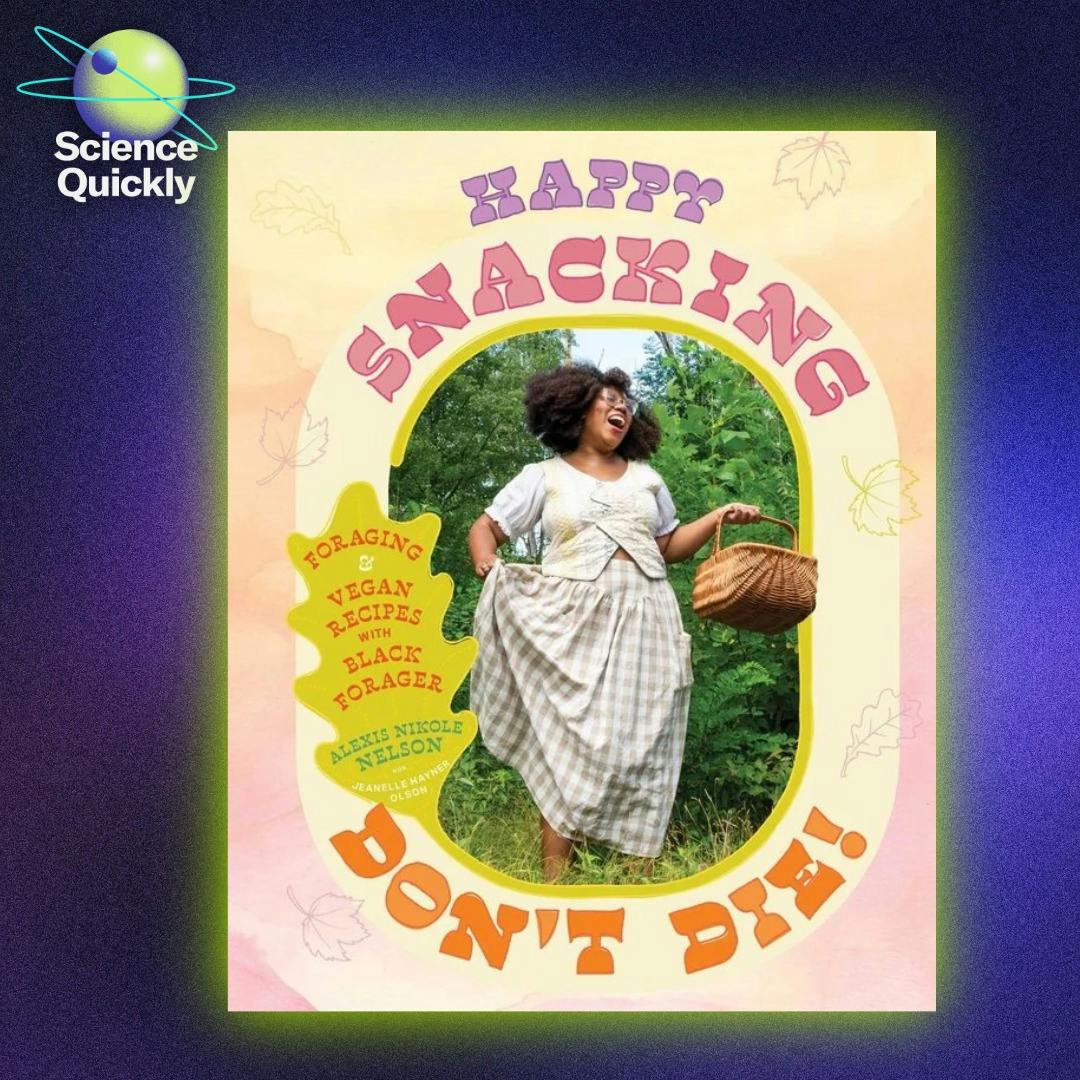
In this episode of Science Quickly, Rachel Feltman speaks with Alexis Nikole Nelson, better known as Black Forager, about her new book Happy Snacking, Don’t Die! Nelson shares how a childhood fascination with edible plants grew into a passion for foraging, conservation and science communication. From city sidewalk snacks and serviceberries to ocean-water pickles, she explains how foraging can deepen our connection to nature while encouraging responsible stewardship of the ecosystems that sustain us. Recommended Reading: Happy Snacking, Don’t Die! Alexis Nikole Nelson. S&S/Simon Element, 2026…
30 Sep 2026 · 18 min
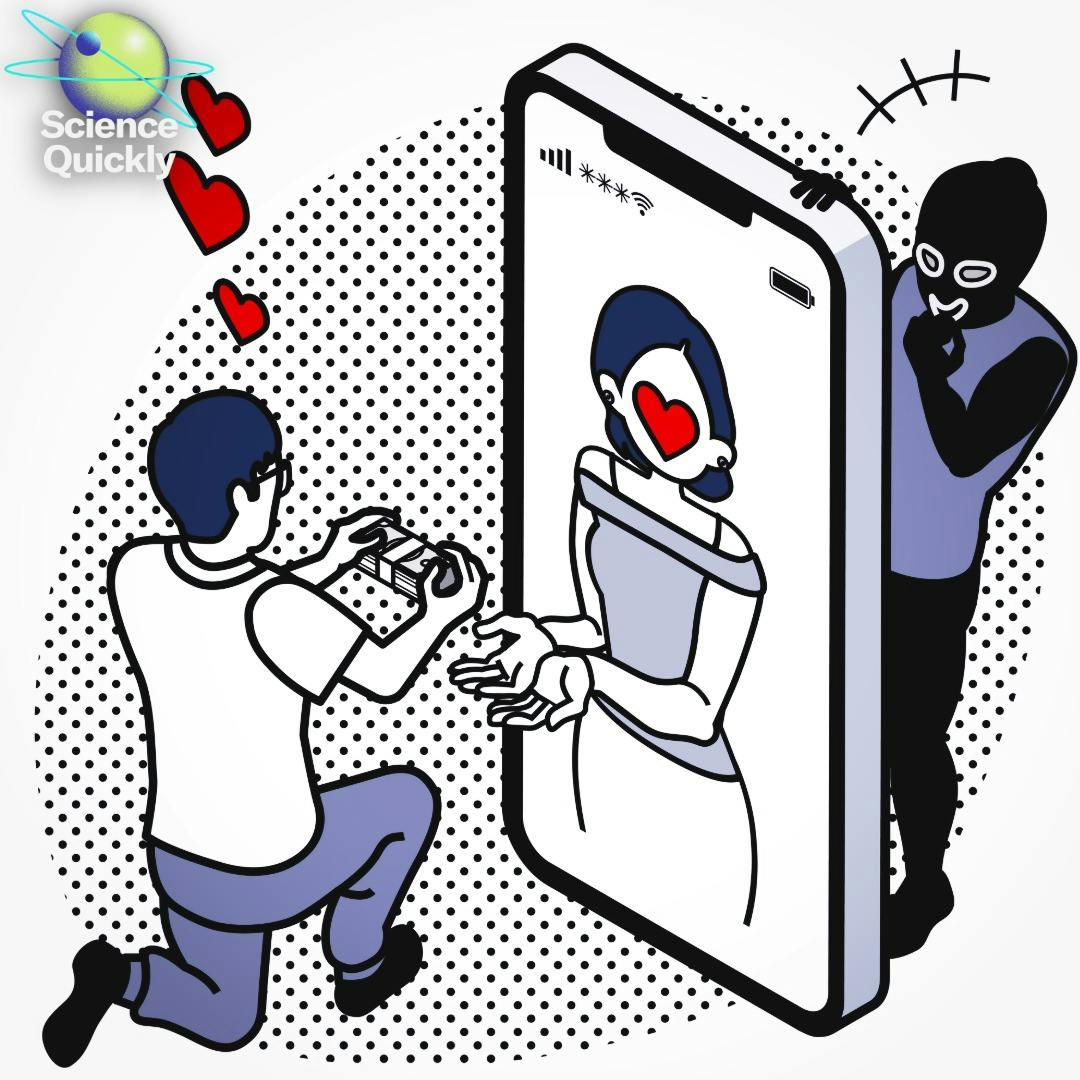
In this episode of Science Quickly, Rachel Feltman speaks with criminologist Fangzhou Wang about how romance scams have evolved from simple online deception into sophisticated, artificial-intelligence-powered fraud operations. They discuss how scammers use dating apps, fake identities, deepfakes and cryptocurrency schemes to build trust and steal money and what researchers are learning about helping people recognize and resist manipulation before they become victims. Recommended Reading: “Daejon Love Case Highlights Online Romance Scams: Research Reveals Scammers’ Tactics—And How to Defend…
29 Sep 2026 · 20 min
As health misinformation surges online, Morgan McSweeney—known online as Dr. Noc, a science communicator and immunology expert whose videos reach millions each month across TikTok, Instagram, and X—explores why facts alone might not be enough to earn public trust, and what science communicators can do differently. This podcast was produced for Bayer by Scientific American Custom Media, a division separate from the magazine's board of editors. Learn more about your ad choices. Visit megaphone.fm/adchoices
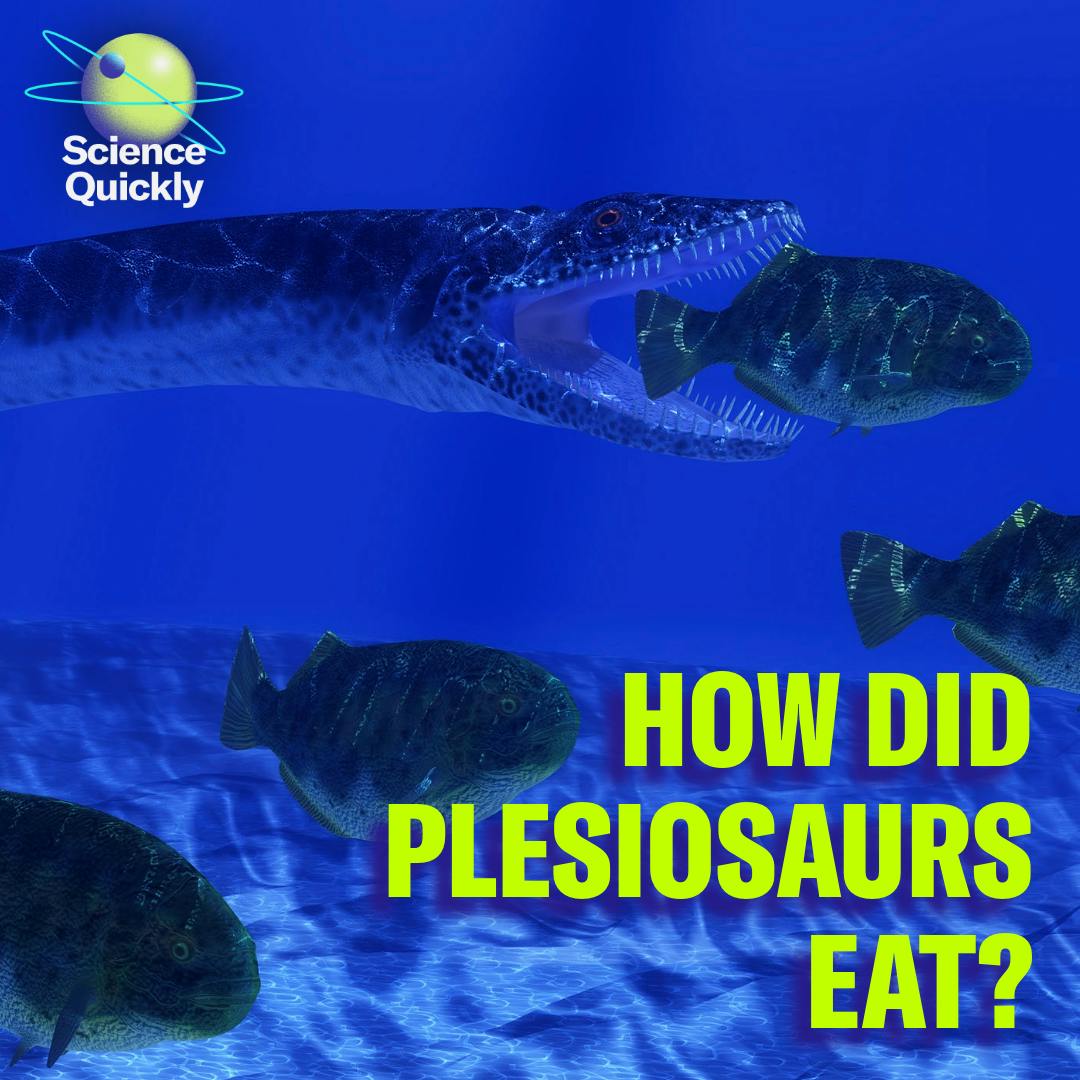
28 Sep 2026 · 11 min
In this episode of Science Quickly, we cover discoveries both big and small, from the supersized particle collider needed to find the next subatomic specimen to tropical sea turtles that found new nesting grounds to a recently discovered eukaryote surprising scientists by surviving hellish temperatures and the ever growing energy needed to power artificial intelligence data centers. Recommended Reading: What’s the Smallest Particle in the Universe? Physicists trace particles back to the quantum vacuum AI’s Power Needs Will Destroy the Renewable Energy Revolution AI Will Drive Doubling of…

The Melo app keeps playing with the screen off, works in the car and on your watch, wakes you to your station, and browses the whole catalogue offline. Free, no ads, no account.


