Episode notes
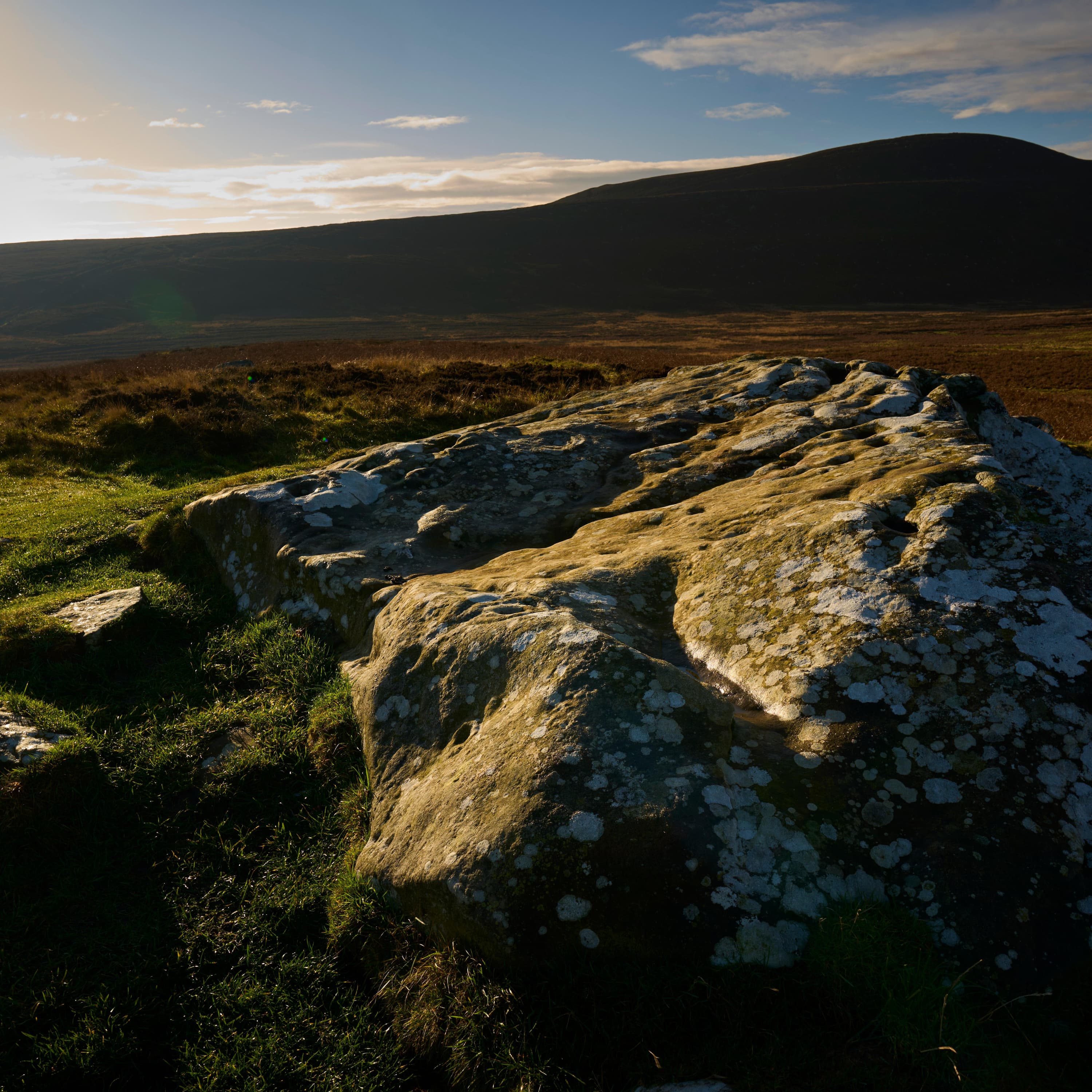
Madeleine Finlay travels to the Rothbury estate in Northumberland, in north-east England. It’s a piece of land that has been in the same family for 700 years, but now it has been put up for sale and the UK’s Wildlife Trusts are trying to raise £30m to secure it intact. To find out what makes the area so special, Madeleine speaks to Katy Barke, the head of nature recovery for Northumberland Wildlife Trust. She also hears from Sam Turner, a professor of archaeology at Newcastle University, who is trying to work out how the land has been used across the centuries. This work will inform the…
Science Weekly
by The Guardian · English · Tech & Science
Twice a week, the Guardian brings you the latest science and environment news
More from Science Weekly
-
13 Aug 2026 · 15 min
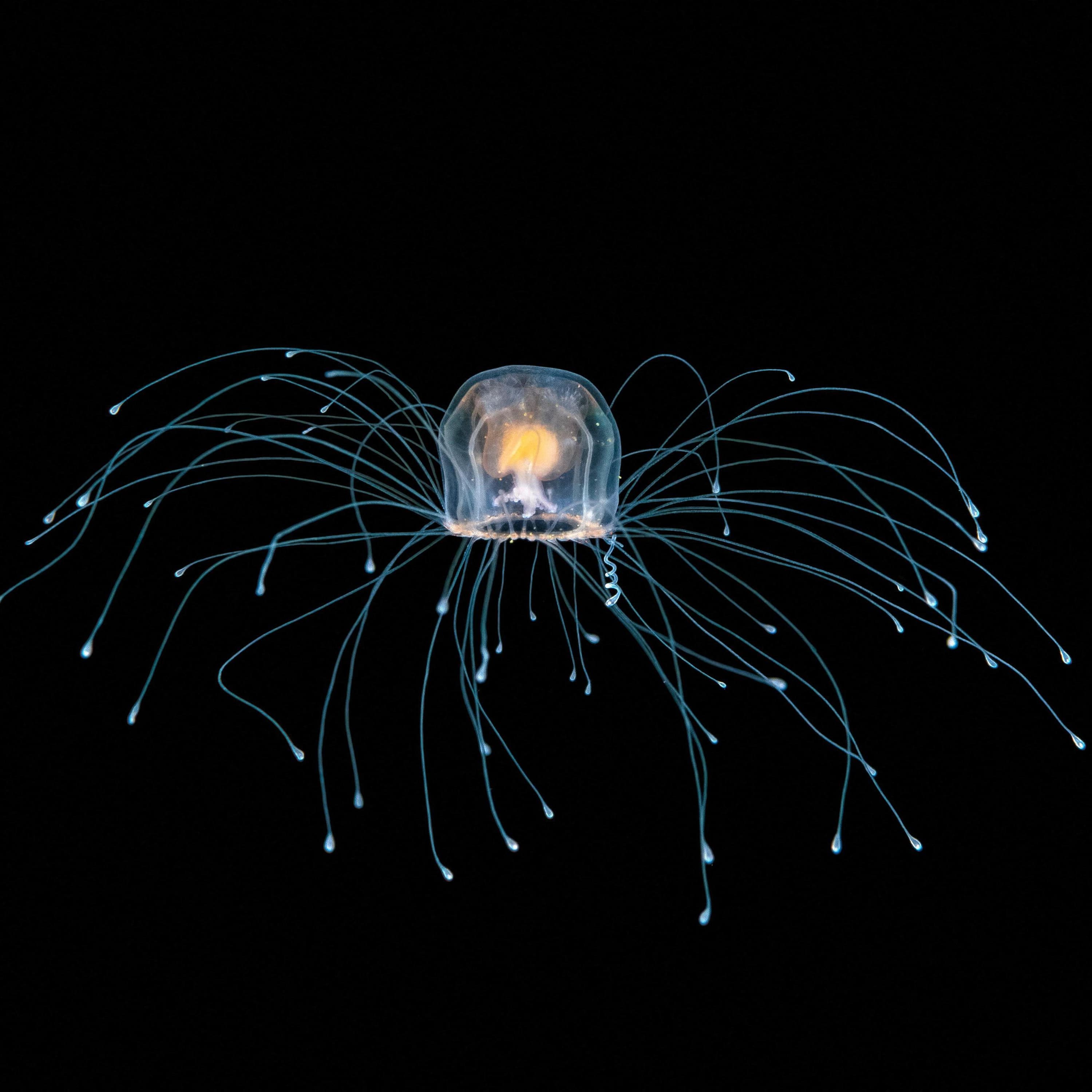
The immortal jellyfish and other mindblowing invertebrates
Each year the Guardian runs a competition to find the invertebrate of the year. To find out more about the 2026 nominees science editor Ian Sample hears from climate reporter Petra Stock, environment reporter Oliver Milman and Science Weekly co-host Madeleine Finlay. They each nominate an incredible invertebrate that you might never have heard of, and argue why their choice should be crowned the winner. Vote for your favourite now and the winner will be crowned on 17 August. Help support our independent journalism at <a…
-

11 Aug 2026 · 20 min
We’re reading less. And it’s making us stupid
Books have never been trendier, but studies show that as more and more things compete for our frazzled attention spans, we’re reading less and less. This is a problem because reading has a wealth of cognitive benefits that we’re in danger of missing out on. To find out why declining literacy could affect everything from memory to IQ, Madeleine Finlay speaks to the Guardian’s science editor, Ian Sample. She also hears from Prof Falk Huettig, an experimental psychologist at the Max Planck Institute for Psycholinguistics and author of The Perks of Being a Bookworm. Help support our independent…
-

6 Aug 2026 · 22 min
Four types of thinker, the cyclosporiasis outbreak, and the UK’s biggest telescope threatened
Madeleine Finlay is joined by Ian Sample, Guardian science editor, to discuss three eye-catching science stories including an investigation that has identified four distinct types of thinker. Also on the agenda is the unprecedented cyclosporiasis outbreak in the US which has now been linked to two fatalities, and the funding cuts that threaten the iconic Jodrell Bank world heritage site, home to the Lovell telescope. Help support our independent journalism at <a href="https://www.theguardian.com/sciencepod">theguardian.com/sciencepod</a>
-
30 Jul 2026 · 16 min
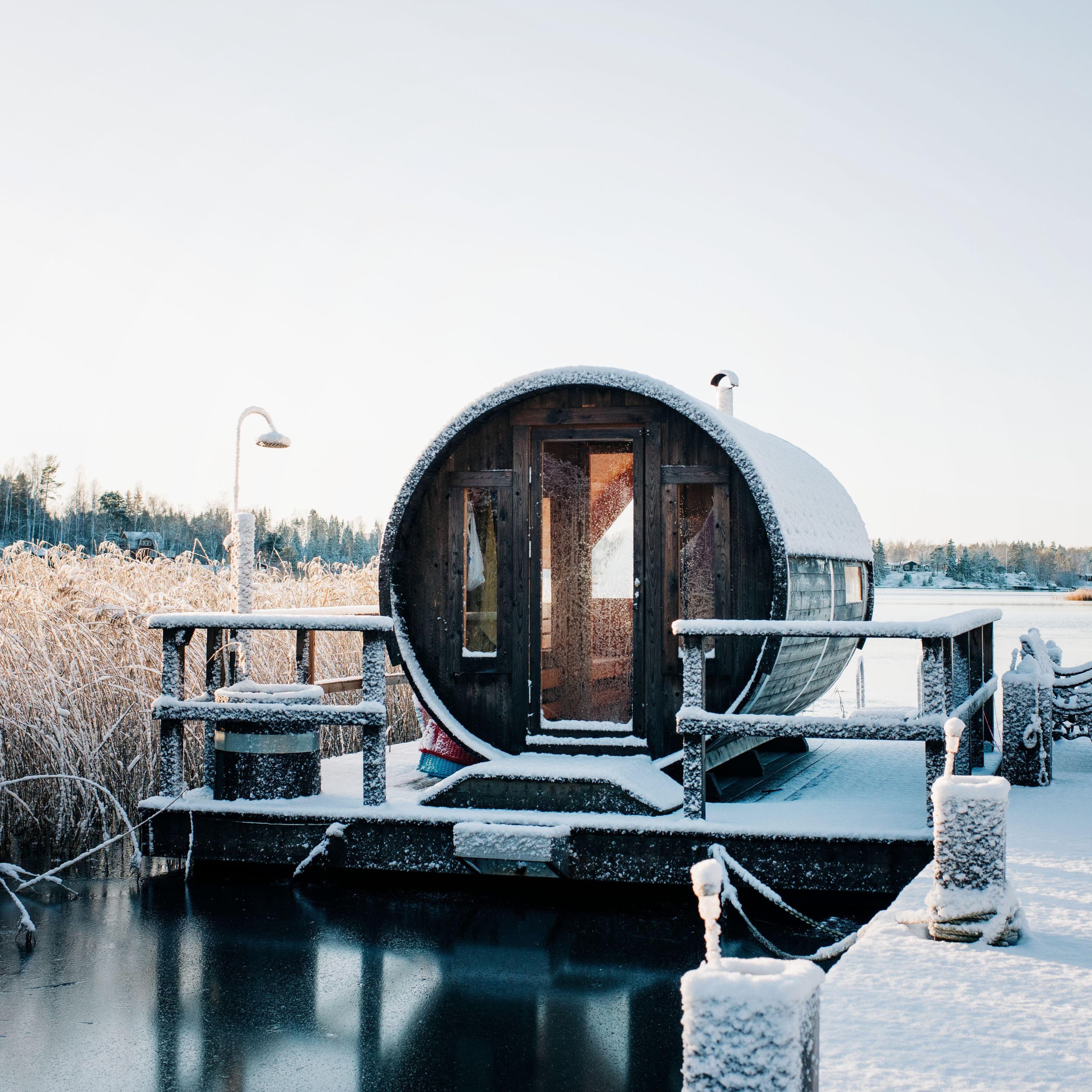
Revisited: Saunas and cold plunges, where does the evidence stand?
Saunas and cold plunge pools are popping up everywhere in the UK, bringing fiery heat and icy cold to a beach, city farm or park near you. Their users will be ready with all the reasons why it’s good for both the mind and the body. But what’s the evidence for the benefits of sauna and cold plunge? In this episode from April, Madeleine Finlay hears from Ian Sample and Dr Heather Massey, associate professor at the University of Portsmouth’s extreme environments laboratory. Help support our independent journalism at <a href="https://www.theguardian.com/sciencepod">theguardian.com/sciencepod</a>
-

28 Jul 2026 · 22 min
Revisited: The surprising science of dreams and nightmares
In this episode from January 2026, Ian Sample puts listeners’ questions about dreams and nightmares to Dr Michelle Carr, the director of the Dream Engineering Laboratory in Montreal’s Centre for Advanced Research in Sleep Medicine, and the author of the book Into the Dream Lab. They look at why we dream, what we can learn by examining our dreams, and what we can do when dreams turn into nightmares. Carr gives her top tips for taking charge of our dreams and trying to influence their content. Help support our independent journalism at <a…
-
23 Jul 2026 · 20 min
Revisited: A Scottish tea mystery, episode three – a bag for life
Science correspondent Nicola Davis investigates the strange story of Tam O’Braan and his attempts to grow tea in Scotland. In episode three of this mini-series first broadcast in October 2025, all of O’Braan’s lies come to a head and it is revealed where he was sourcing the tea being supplied to hotels and shops. At trial, O’Braan takes the stand and the Scottish growers finally get some answers. But what remains today of the Scottish tea industry that O’Braan instigated?. Help support our independent journalism at <a href="https://www.theguardian.com/sciencepod">theguardian.com/sciencepod</a>
-
7 Oct 2026 · 23 min
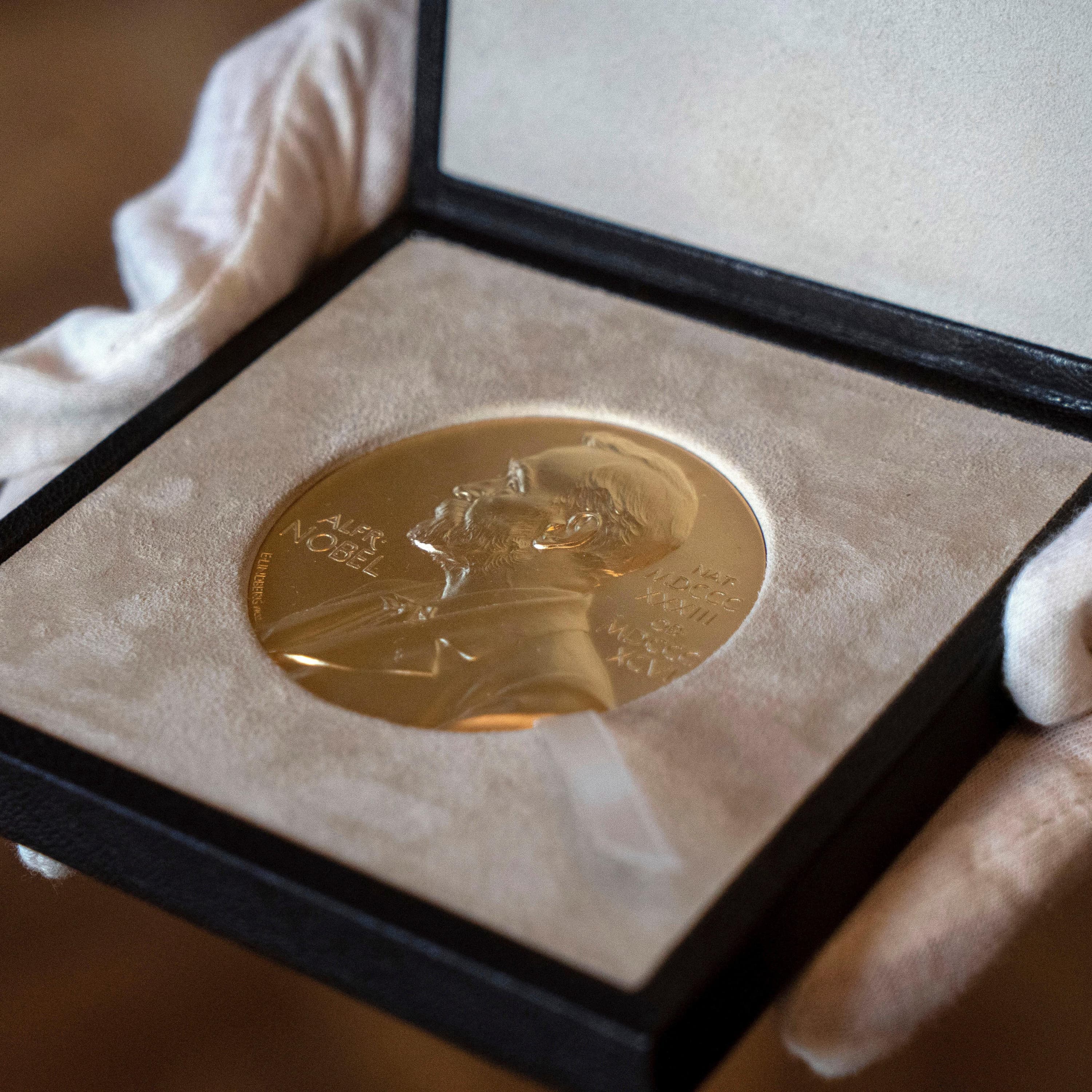
All the news and science from the 2026 Nobel prizes
This year’s Nobel prizes in chemistry, physics and physiology or medicine have celebrated work that has been used to develop countless drugs and transform modern medicine, allowed physicists to observe one of the most mysterious particles, and provided a tool that could act as an on/off switch for brain cells. To find out more, Madeleine Finlay talks to our science editor, Ian Sample, and correspondents Nicola Davis and Linda Geddes. Help support our independent journalism at <a href="https://www.theguardian.com/sciencepod">theguardian.com/sciencepod</a>
-

6 Oct 2026 · 14 min
Today in Focus: Should we be worried about a plague outbreak?
Several hospitals in eastern Russia are under quarantine after a lab worker fell ill at a plague research centre following a reported accident and died. Russia’s health watchdog has said Darya Shipilova, 28, died of ‘pneumonia of unknown aetiology’, but there is speculation about a possible plague infection. Science Weekly co-host Madeleine Finlay tells Lucy Hough, the host of Today in Focus: The Latest, how concerned we should be. Help support our independent journalism at <a href="https://www.theguardian.com/sciencepod">theguardian.com/sciencepod</a>
-

6 Oct 2026 · 17 min
Narcolepsy: why you’ve been thinking about it all wrong
The sleep disorder has been the butt of jokes and a comedic plot point, but the reality of living with narcolepsy is anything but funny. Things could be about to change for people with the condition though, after the US Food and Drug Administration (FDA) approved the first ever drug to treat narcolepsy itself, rather than just its symptoms. Madeleine Finlay tells Ian Sample how the scientific breakthrough came about, and Julie Flygare, who has narcolepsy and founded the non-profit Project Sleep, explains what it is like to live with the condition and how the drug could be gamechanger. Help…
-
1 Oct 2026 · 21 min
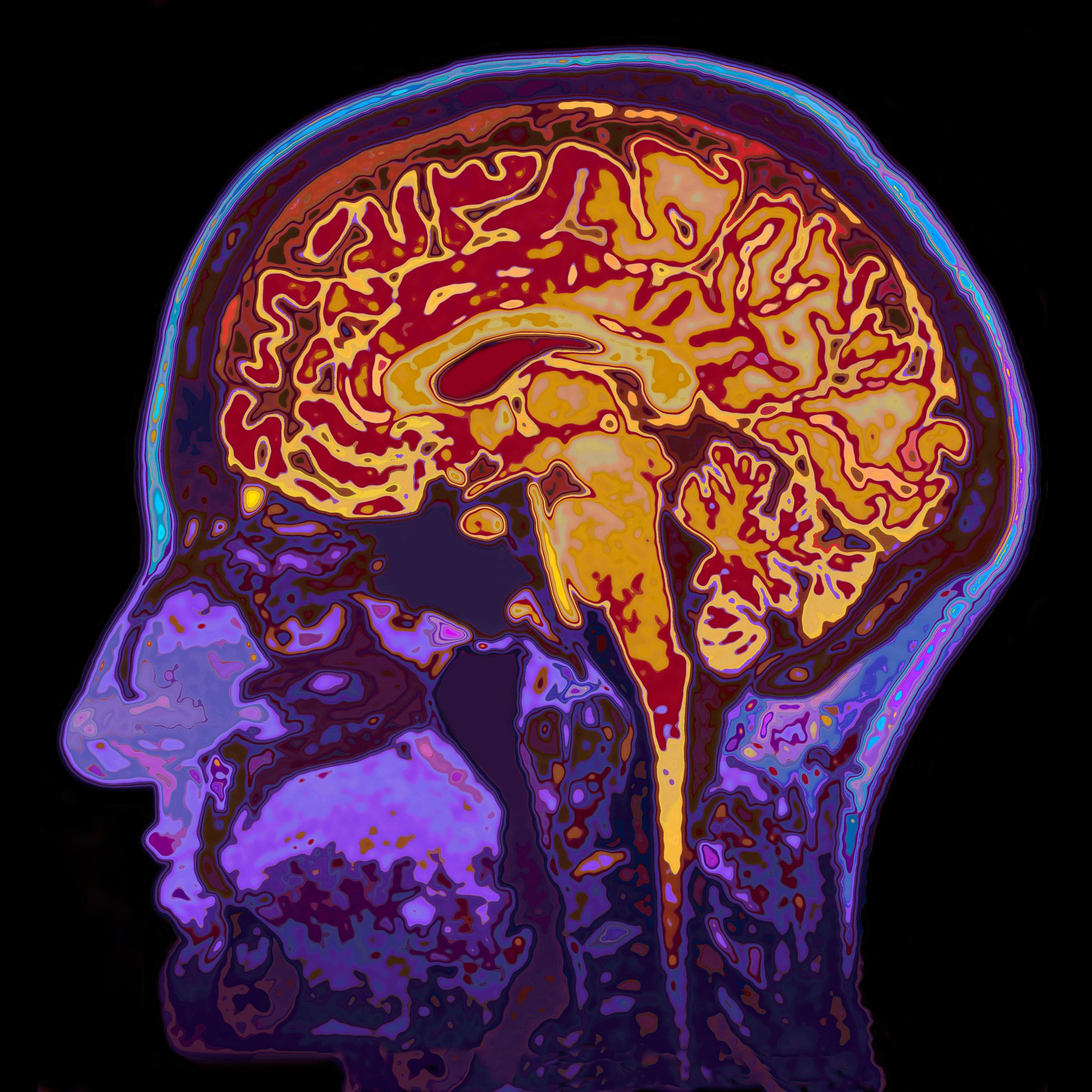
The incredible science of memory manipulation
Madeleine Finlay hears from Steve Ramirez, an associate professor of psychological and brain sciences at Boston University, whose book How to Change a Memory was shortlisted for this year’s Royal Society Trivedi science book prize. He explains how scientists have been able to locate memories in the brains of rodents, trigger them artificially and even remove them, and reveals what the practical applications of this science could one day be for humans.. Help support our independent journalism at <a href="https://www.theguardian.com/sciencepod">theguardian.com/sciencepod</a>

Take it with you
The Melo app keeps playing with the screen off, works in the car and on your watch, wakes you to your station, and browses the whole catalogue offline. Free, no ads, no account.