Episode · Science Weekly
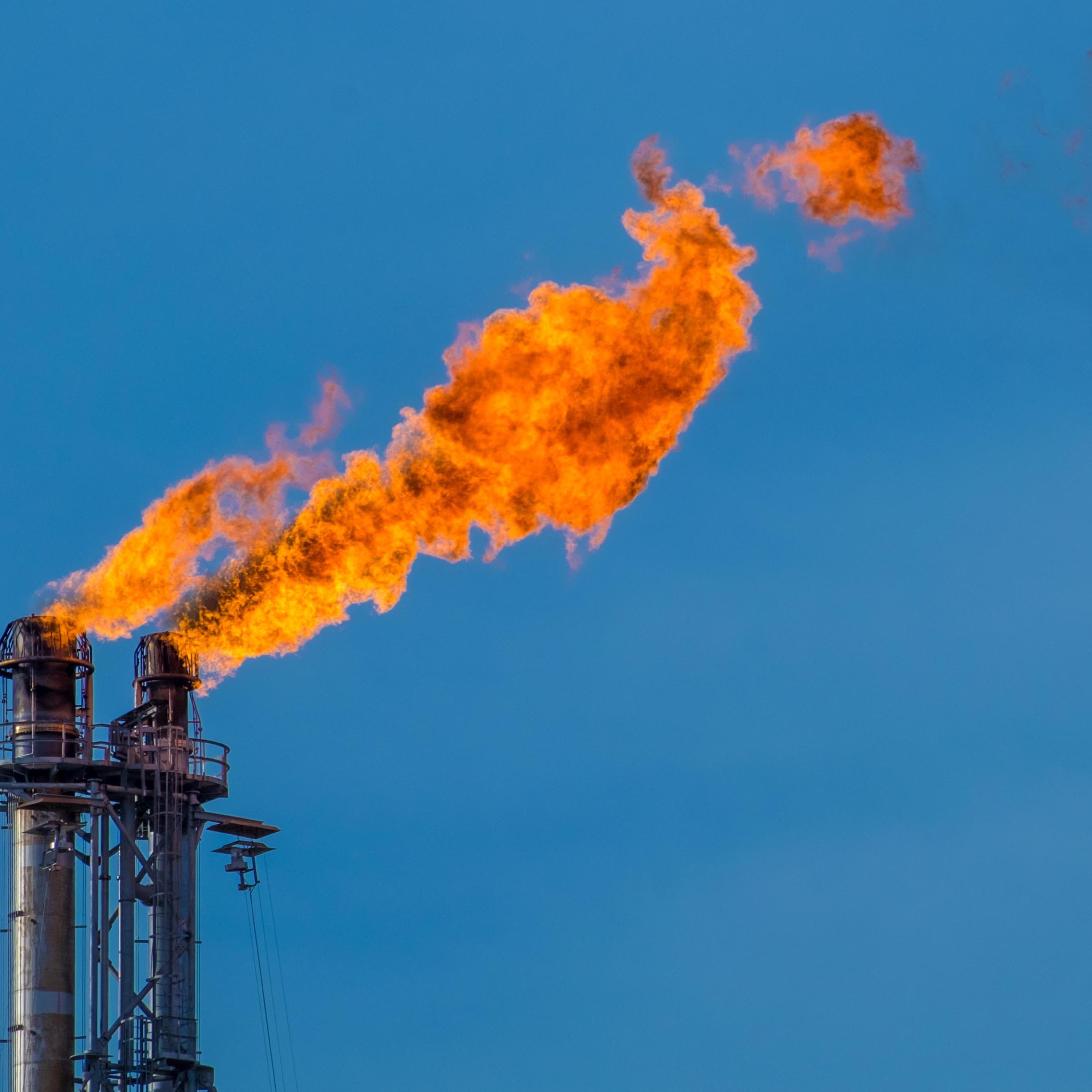
There’s a quick way to slow climate change. Why isn’t everyone doing it?
3 Sep 2026 · 14 min
Episode · Science Weekly
3 Sep 2026 · 14 min
Methane is a potent greenhouse gas that traps more than 80 times as much heat than carbon dioxide over a 20-year period and causes 25% of global heating today. We definitely don’t want this gas spewing needlessly into the atmosphere, but in 2023 that’s exactly what environment editor Damian Carrington found was happening when he reported on 1,000 super-emitting methane leaks across the globe. Now Turkmenistan, the worst country for mega-leaks, has begun to plug them. Damian tells Madeleine Finlay why some experts call stopping leaks the climate ‘emergency brake’ and reveals which countries…
by The Guardian · English · Tech & Science
Twice a week, the Guardian brings you the latest science and environment news

10 Sep 2026 · 17 min
For decades physicists have been puzzling over the enigma of dark matter. We think it makes up 85% of the matter in the universe, but the mysterious substance cannot be seen or detected, and we know about it mainly through observations of the gravitational effects it has on other things. But now scientists believe they may be a step closer to detecting it. Science editor Ian Sample explains to Madeleine Finlay why, if confirmed, the finding could completely transform our understanding of the universe. And Dr Samuel Eriksen, senior research associate at the University of Bristol, and first…

8 Sep 2026 · 18 min
Who’s more likely to steal sweets from a child? According to science, it’s the rich. A study seemingly confirming our suspicions about the moral behaviour of the wealthy was one of the winners of the 2026 Ig Nobel prizes, which honour research that makes you laugh and then think. Science editor Ian Sample tells Madeleine Finlay what the researchers think could be behind the phenomenon, and they explore some of the other awards, including one for a surprising quality we look for in our friends and another for a biomechanical definition of kissing. Help support our independent journalism at <a…

6 Sep 2026 · 40 min
From the Guardian Investigates team: Across the world, hundreds of people have come to believe they have made extraordinary scientific discoveries with AI chatbots such as ChatGPT, Claude and Gemini. Others say their AI has ‘awakened’ or is leading them to a higher spiritual realm. The Guardian journalist Michael Safi begins investigating a phenomenon labelled ‘AI psychosis’, travelling to the US to meet two people who have been on weird journeys with their chatbots. Help support our independent journalism at <a href="https://www.theguardian.com/sciencepod">theguardian.com/sciencepod</a>

1 Sep 2026 · 17 min
Ever since the earliest known recording of whale song was made in 1949, researchers have been captivated by the wails, rumbles, clicks, grunts and squeals of their communication. As technology improves, scientists are decoding the intricate patterns that make different species’ vocalisations distinctive. Madeleine Finlay hears from Emma Bryce, a journalist who has spent months investigating human efforts to understand whale song. She explains how this knowledge could help us better protect whales from human-made harms. Credits: 1. Copyright 1978 National Geographic Society and 1977 Capitol…

27 Aug 2026 · 17 min
AI companies have promised us world-shifting technology. But there’s a cost: loud, unsightly datacentres that drain environmental resources. As the government pushes their rapid growth, can local communities do anything to push back? Madeleine Finlay speaks to the Guardian’s global technology reporter Aisha Down about the backlash to datacentres across the UK and around the world. Help support our independent journalism at <a href="https://www.theguardian.com/sciencepod">theguardian.com/sciencepod</a>
25 Aug 2026 · 16 min
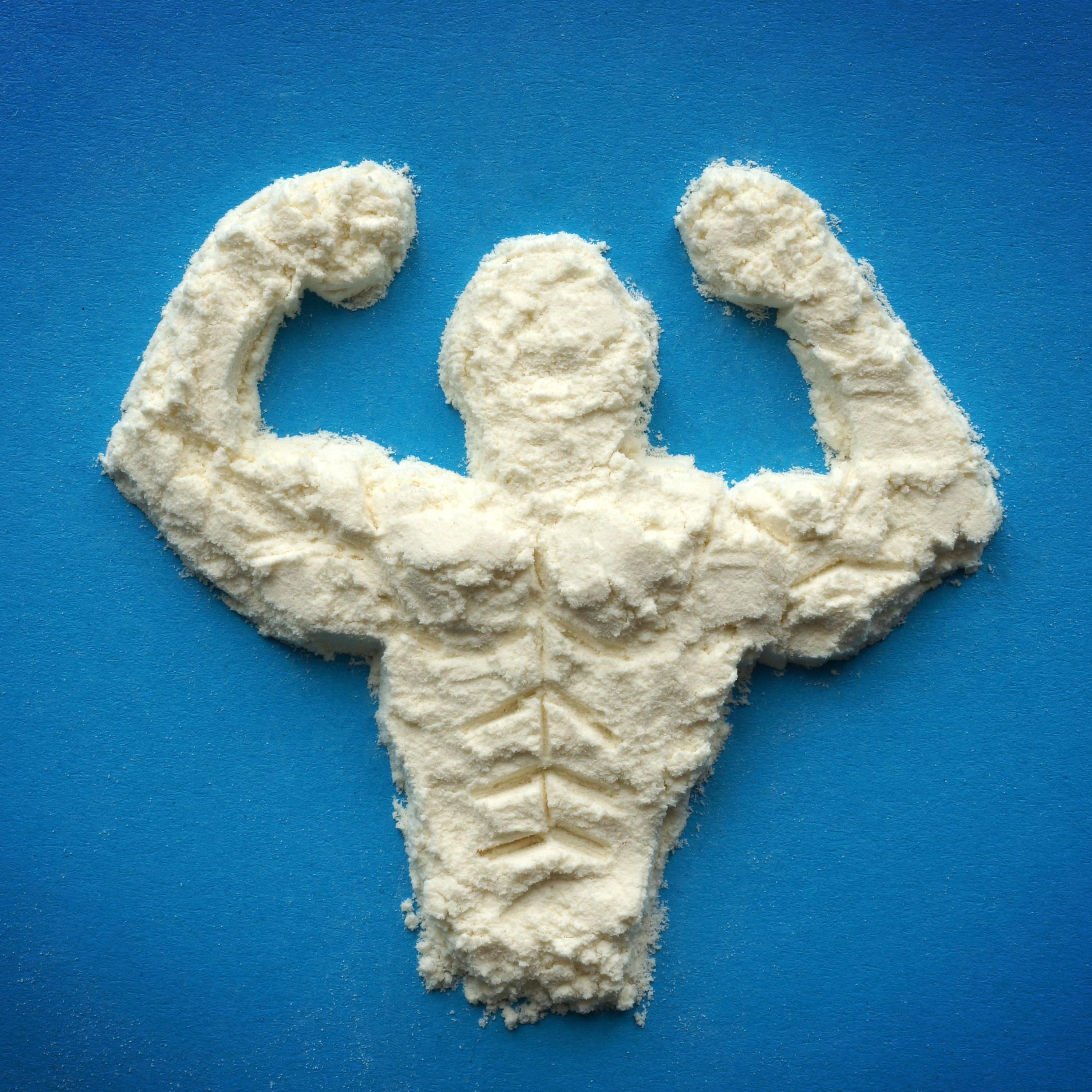
Creatine has become the go-to supplement for anyone wanting to give their fitness a boost and build muscle. It’s even made it out of the gym, with influencers touting its cognitive benefits. But what’s the science behind creatine, and does the evidence stack up? Madeleine Finlay hears from science editor Ian Sample and Dr Justin Roberts, professor of nutritional physiology at Anglia Ruskin University. Help support our independent journalism at <a href="https://www.theguardian.com/sciencepod">theguardian.com/sciencepod</a>
7 Oct 2026 · 23 min
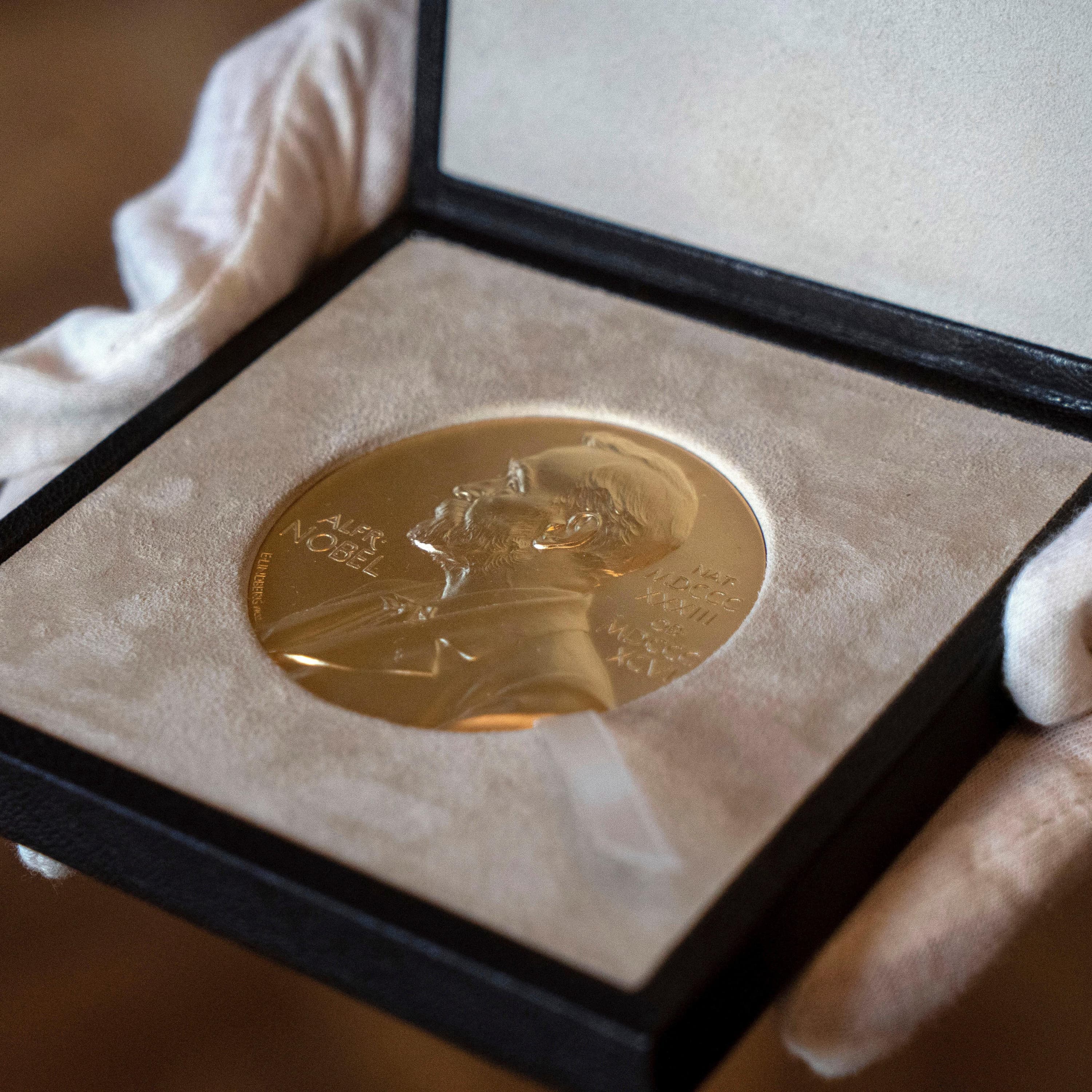
This year’s Nobel prizes in chemistry, physics and physiology or medicine have celebrated work that has been used to develop countless drugs and transform modern medicine, allowed physicists to observe one of the most mysterious particles, and provided a tool that could act as an on/off switch for brain cells. To find out more, Madeleine Finlay talks to our science editor, Ian Sample, and correspondents Nicola Davis and Linda Geddes. Help support our independent journalism at <a href="https://www.theguardian.com/sciencepod">theguardian.com/sciencepod</a>

6 Oct 2026 · 14 min
Several hospitals in eastern Russia are under quarantine after a lab worker fell ill at a plague research centre following a reported accident and died. Russia’s health watchdog has said Darya Shipilova, 28, died of ‘pneumonia of unknown aetiology’, but there is speculation about a possible plague infection. Science Weekly co-host Madeleine Finlay tells Lucy Hough, the host of Today in Focus: The Latest, how concerned we should be. Help support our independent journalism at <a href="https://www.theguardian.com/sciencepod">theguardian.com/sciencepod</a>

6 Oct 2026 · 17 min
The sleep disorder has been the butt of jokes and a comedic plot point, but the reality of living with narcolepsy is anything but funny. Things could be about to change for people with the condition though, after the US Food and Drug Administration (FDA) approved the first ever drug to treat narcolepsy itself, rather than just its symptoms. Madeleine Finlay tells Ian Sample how the scientific breakthrough came about, and Julie Flygare, who has narcolepsy and founded the non-profit Project Sleep, explains what it is like to live with the condition and how the drug could be gamechanger. Help…
1 Oct 2026 · 21 min
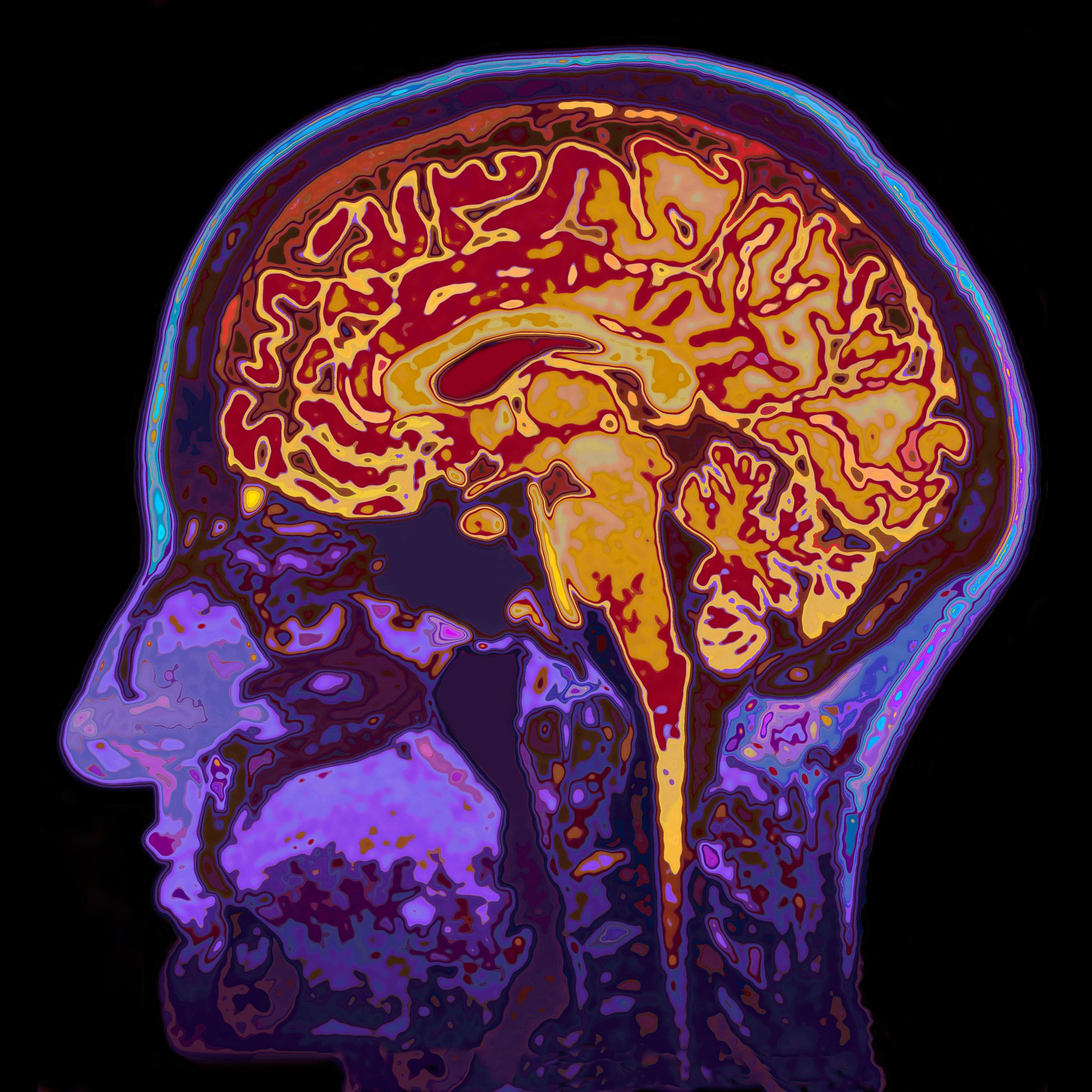
Madeleine Finlay hears from Steve Ramirez, an associate professor of psychological and brain sciences at Boston University, whose book How to Change a Memory was shortlisted for this year’s Royal Society Trivedi science book prize. He explains how scientists have been able to locate memories in the brains of rodents, trigger them artificially and even remove them, and reveals what the practical applications of this science could one day be for humans.. Help support our independent journalism at <a href="https://www.theguardian.com/sciencepod">theguardian.com/sciencepod</a>

The Melo app keeps playing with the screen off, works in the car and on your watch, wakes you to your station, and browses the whole catalogue offline. Free, no ads, no account.