Episode notes
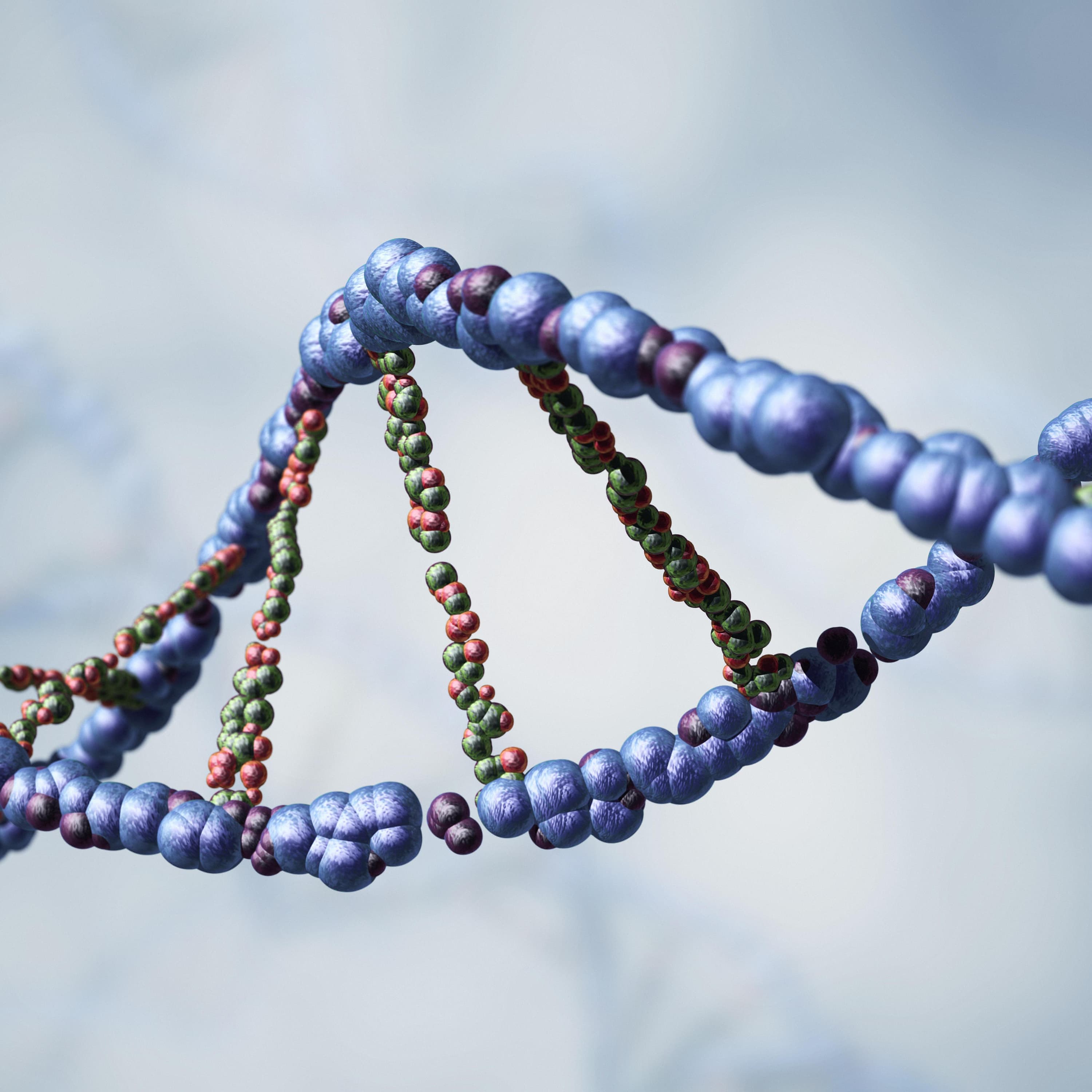
The first person has been treated with a highly anticipated new gene therapy that aims to turn back the clock on ageing cells. The trial is aimed at retinal cells, with the hope that encouraging them to behave as if they were young again could improve sight in the affected patients. If it proves to be safe, it could open the door to a whole raft of therapies based on the emerging field of cellular rejuvenation. To understand more about this cutting edge research, Madeleine Finlay hears from science editor Ian Sample and from Paul Knoepfler, professor of cell biology and human anatomy at the…
Science Weekly
by The Guardian · English · Tech & Science
Twice a week, the Guardian brings you the latest science and environment news
More from Science Weekly
-
23 Jul 2026 · 20 min
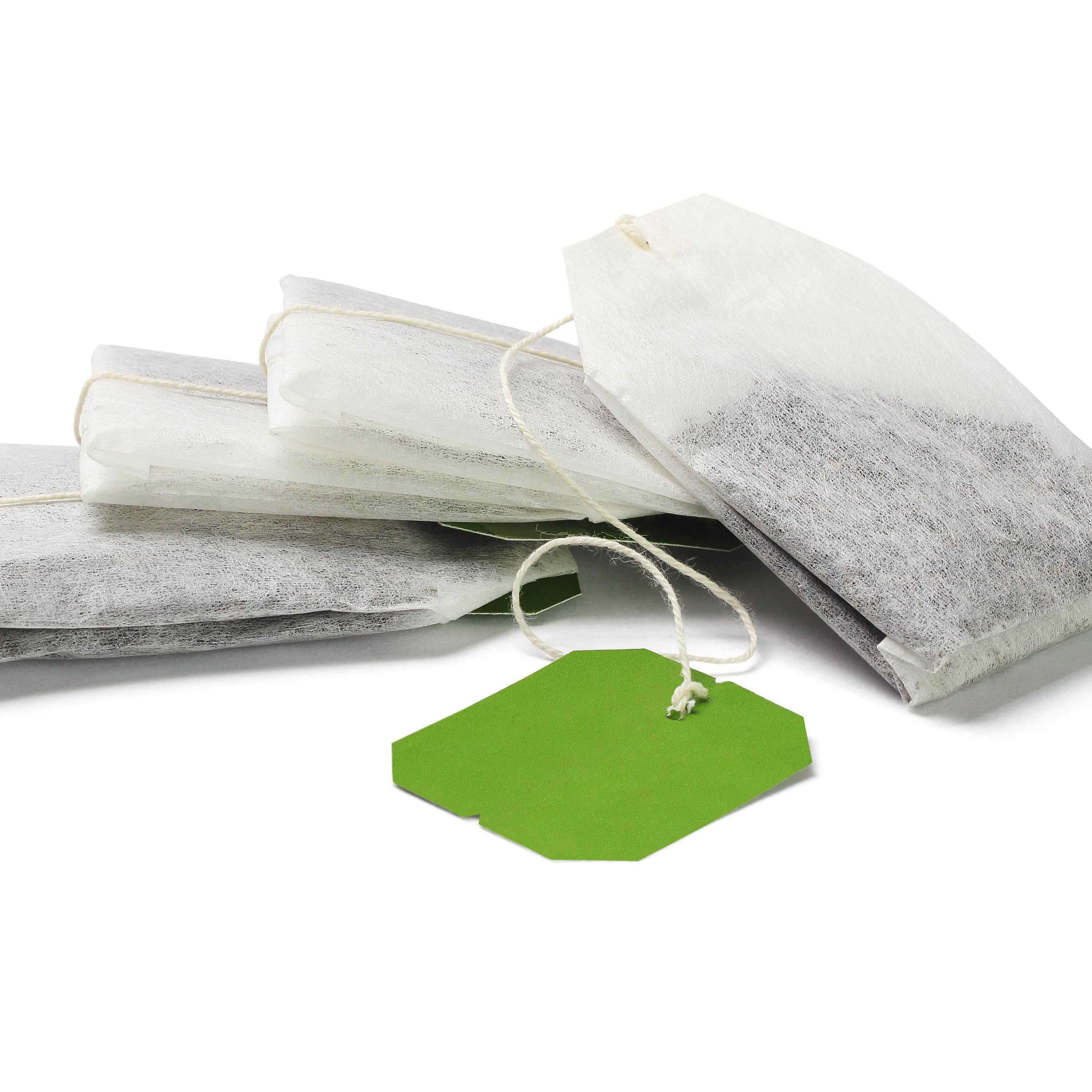
Revisited: A Scottish tea mystery, episode three – a bag for life
Science correspondent Nicola Davis investigates the strange story of Tam O’Braan and his attempts to grow tea in Scotland. In episode three of this mini-series first broadcast in October 2025, all of O’Braan’s lies come to a head and it is revealed where he was sourcing the tea being supplied to hotels and shops. At trial, O’Braan takes the stand and the Scottish growers finally get some answers. But what remains today of the Scottish tea industry that O’Braan instigated?. Help support our independent journalism at <a href="https://www.theguardian.com/sciencepod">theguardian.com/sciencepod</a>
-
22 Jul 2026 · 23 min
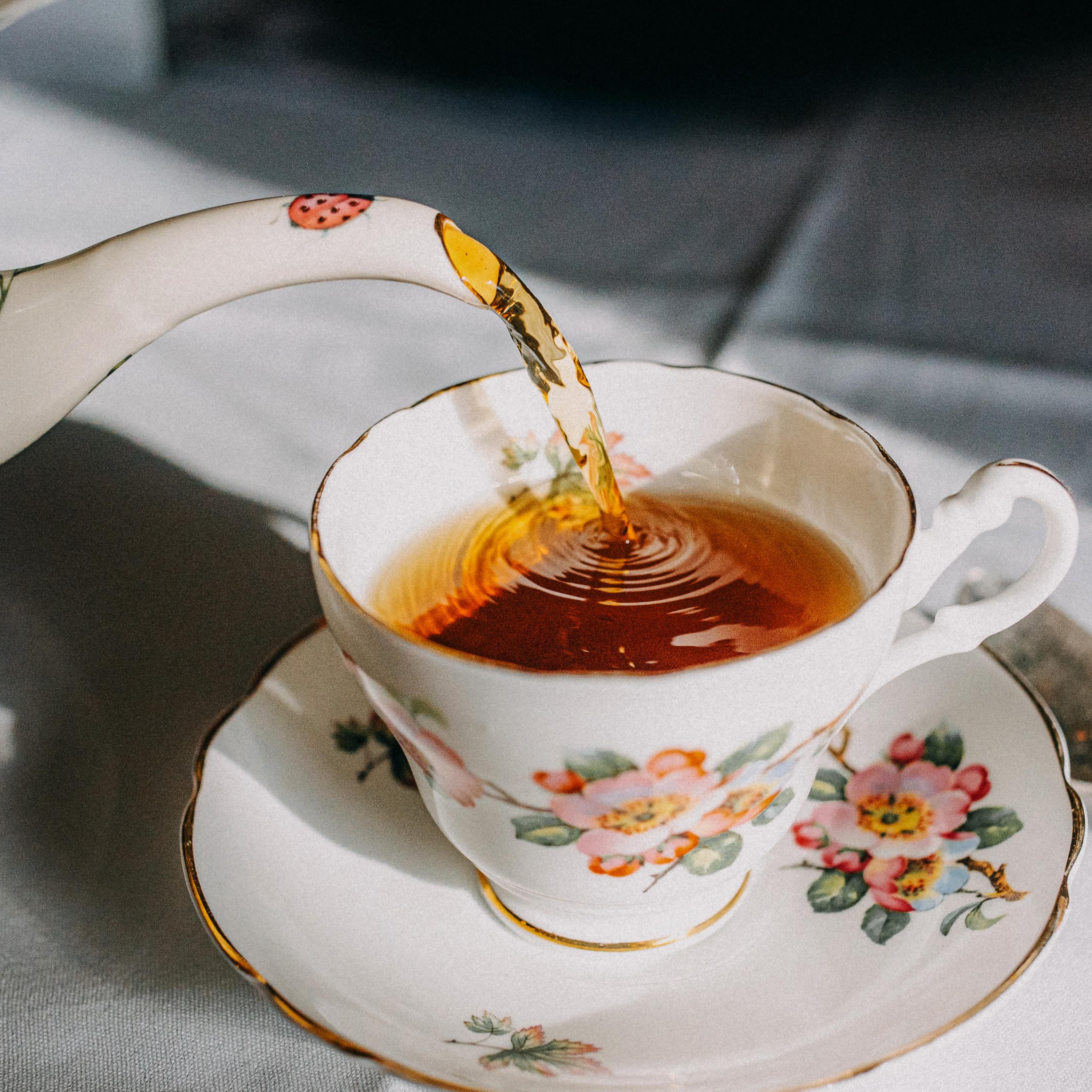
Revisited: A Scottish tea mystery, episode two – the list
Science correspondent Nicola Davis investigates the strange story of Tam O’Braan and his attempts to grow tea in Scotland. In episode two of this mini-series first broadcast in October 2025, Nicola hears how O’Braan’s network of Scottish tea growers began to have suspicions about exactly what he was selling and where it came from, and how cutting-edge science helped provide some answers. Help support our independent journalism at <a href="https://www.theguardian.com/sciencepod">theguardian.com/sciencepod</a>
-
21 Jul 2026 · 22 min
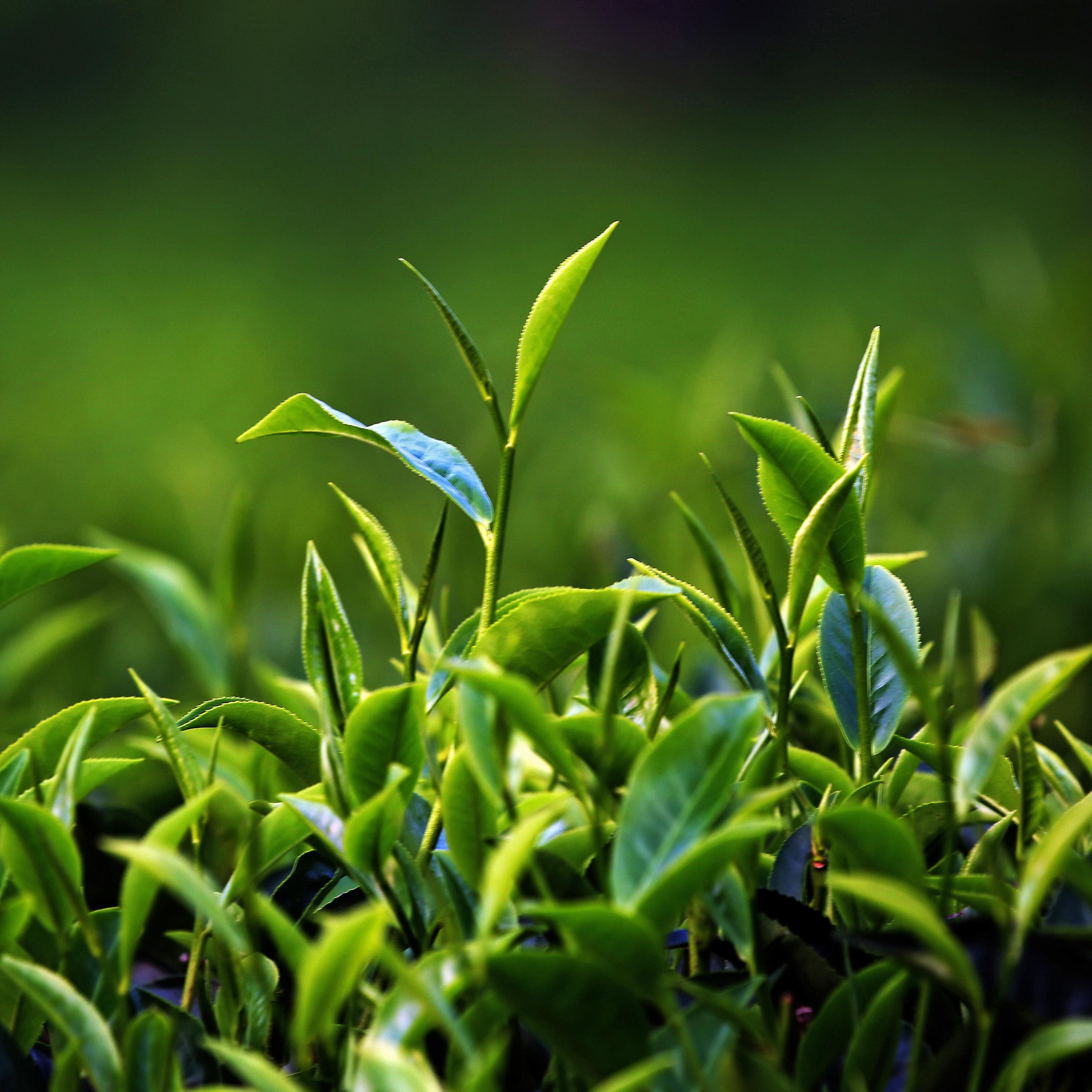
Revisited: A Scottish tea mystery, episode one – green shoots
Science correspondent Nicola Davis investigates the strange story of Tam O’Braan and his attempts to grow tea in Scotland. In episode one of this mini-series first broadcast in October 2025, Nicola looks back on her first meeting with O’Braan while working on a feature about tea plantations in the UK. He was selling his award-winning Scottish-grown tea to some of the UK’s finest hotels, but something didn’t quite add up. And Nicola wasn’t the only person taking an interest in his story. Help support our independent journalism at <a…
-

14 Jul 2026 · 16 min
Fungi: the invisible force protecting our planet
Scientists often talk about the importance of flora and fauna to the health of our planet, but Dr Toby Kiers, an evolutionary biologist and founder of the Society for the Protection of Underground Networks, wants us to consider another force: fungi. Her work charting the planet’s vital underground systems has earned her numerous awards, including a MacArthur fellowship and a Tyler Prize for Environmental Achievement (sometimes called the ‘green’ Nobel). She tells Ian Sample about her work mapping fungal networks on the remote Palmyra Atoll in the Pacific Ocean, and what the research reveals…
-
7 Oct 2026 · 23 minNew
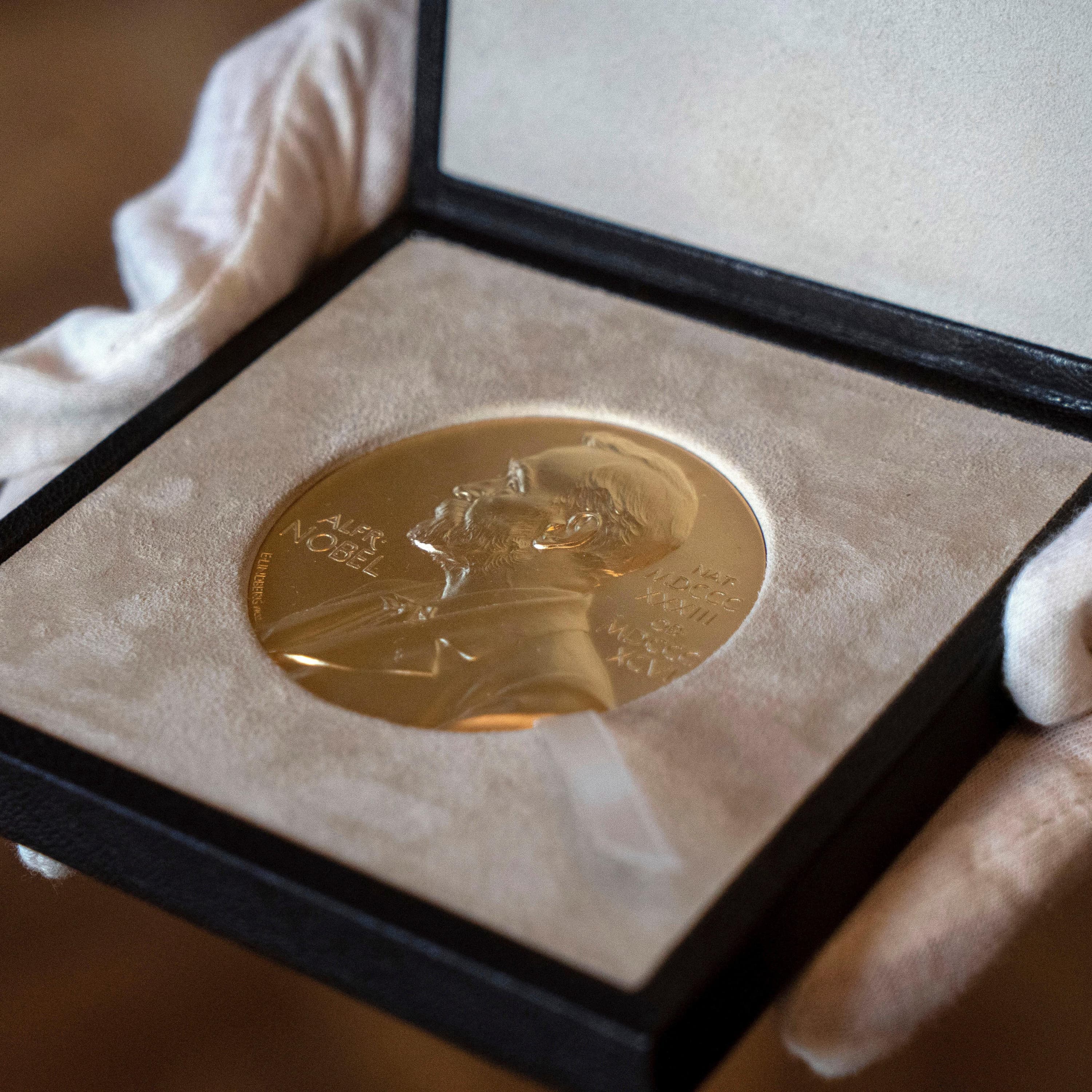
All the news and science from the 2026 Nobel prizes
This year’s Nobel prizes in chemistry, physics and physiology or medicine have celebrated work that has been used to develop countless drugs and transform modern medicine, allowed physicists to observe one of the most mysterious particles, and provided a tool that could act as an on/off switch for brain cells. To find out more, Madeleine Finlay talks to our science editor, Ian Sample, and correspondents Nicola Davis and Linda Geddes. Help support our independent journalism at <a href="https://www.theguardian.com/sciencepod">theguardian.com/sciencepod</a>
-

6 Oct 2026 · 14 minNew
Today in Focus: Should we be worried about a plague outbreak?
Several hospitals in eastern Russia are under quarantine after a lab worker fell ill at a plague research centre following a reported accident and died. Russia’s health watchdog has said Darya Shipilova, 28, died of ‘pneumonia of unknown aetiology’, but there is speculation about a possible plague infection. Science Weekly co-host Madeleine Finlay tells Lucy Hough, the host of Today in Focus: The Latest, how concerned we should be. Help support our independent journalism at <a href="https://www.theguardian.com/sciencepod">theguardian.com/sciencepod</a>
-

6 Oct 2026 · 17 minNew
Narcolepsy: why you’ve been thinking about it all wrong
The sleep disorder has been the butt of jokes and a comedic plot point, but the reality of living with narcolepsy is anything but funny. Things could be about to change for people with the condition though, after the US Food and Drug Administration (FDA) approved the first ever drug to treat narcolepsy itself, rather than just its symptoms. Madeleine Finlay tells Ian Sample how the scientific breakthrough came about, and Julie Flygare, who has narcolepsy and founded the non-profit Project Sleep, explains what it is like to live with the condition and how the drug could be gamechanger. Help…
-
1 Oct 2026 · 21 min
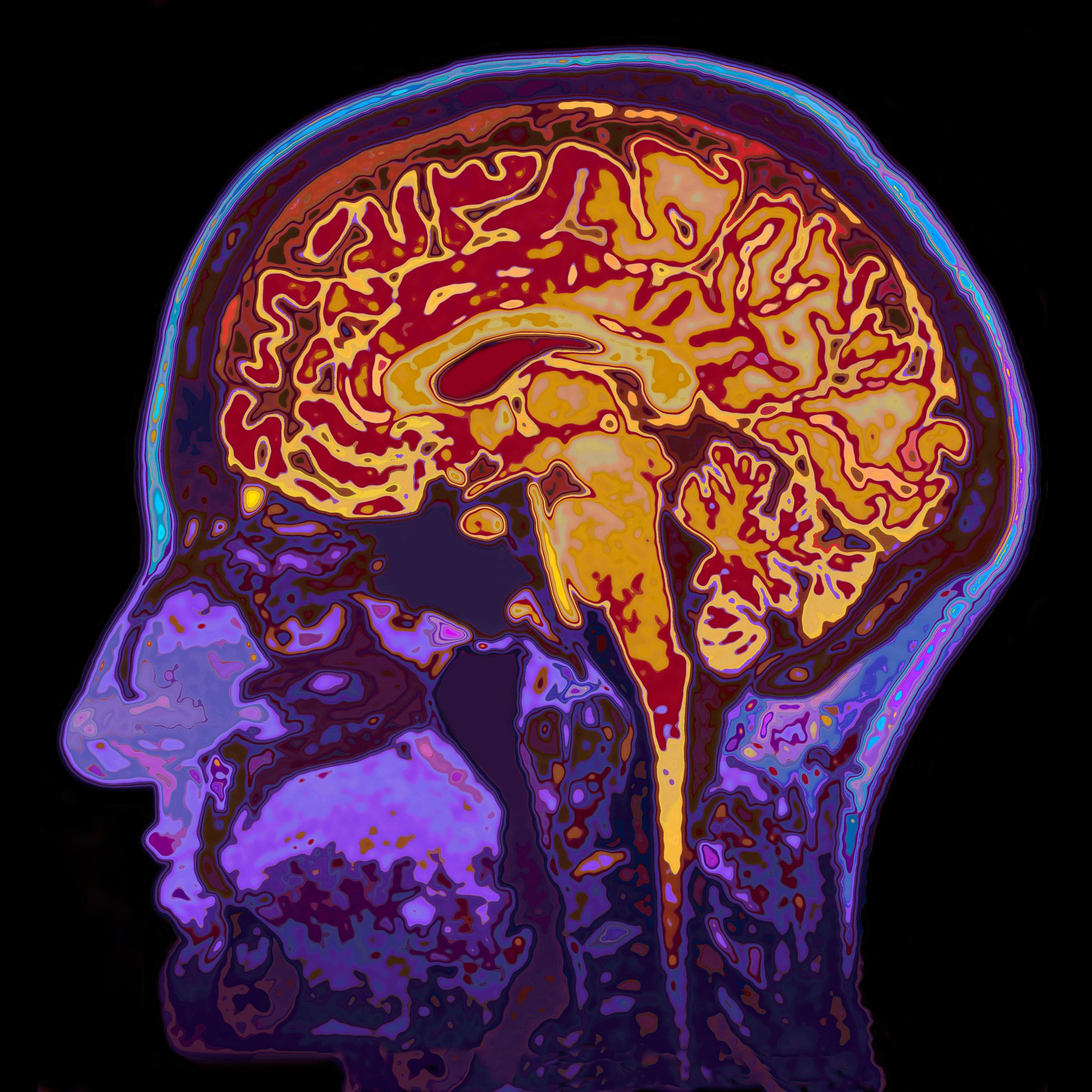
The incredible science of memory manipulation
Madeleine Finlay hears from Steve Ramirez, an associate professor of psychological and brain sciences at Boston University, whose book How to Change a Memory was shortlisted for this year’s Royal Society Trivedi science book prize. He explains how scientists have been able to locate memories in the brains of rodents, trigger them artificially and even remove them, and reveals what the practical applications of this science could one day be for humans.. Help support our independent journalism at <a href="https://www.theguardian.com/sciencepod">theguardian.com/sciencepod</a>
-

29 Sep 2026 · 18 min
Are household cleaning products damaging our health?
Our use of cleaning products has increased since the pandemic, but do we understand what they could be doing to our health? The journalist Rebecca Seal recently wrote for the Guardian about the potential impacts of the many chemicals we now use in our homes. She tells Madeleine Finlay how social media has also played a role in transforming our cleaning habits, why the impact of indoor air pollution is so hard to study, and what the current evidence is that cleaning products may be causing harm. Help support our independent journalism at <a…
-

24 Sep 2026 · 22 min
Are baby girls more sociable? Super El Niño, meningitis outbreak explained
Madeleine Finlay sits down with her co-host and Guardian science editor, Ian Sample, to discuss three science stories from the week, including a study that offers a clue in the age-old debate about whether sex differences are present from birth or a product of socialisation. Also on the agenda is the super El Niño, which is predicted to lead to 450,000 deaths in the next six months, and an answer to why the UK’s meningitis outbreak earlier this year was so big.. Help support our independent journalism at <a href="https://www.theguardian.com/sciencepod">theguardian.com/sciencepod</a>

Take it with you
The Melo app keeps playing with the screen off, works in the car and on your watch, wakes you to your station, and browses the whole catalogue offline. Free, no ads, no account.