

Episode notes
Earthquakes are caused by a sudden release of stress along faults in the earth's crust, not by climate change, but some new studies suggest that melting glaciers and permafrost may influence when, where and how often seismic activity occurs. In this episode, hosts Graihagh Jackson and Jordan Dunbar chat to seismologist Dr. Verena Simon from the Swiss Seismology Service and Associate Professor of Geosciences at Colorado State University, Sean Gallen. Got a question or comment? email us at theclimatequestion@bbc.com Production team: Diane Richardson, Grace Braddock Sound Engineer: Tom Brignell…
The Climate Question
by BBC World Service · English · Tech & Science
Why we find it so hard to save our own planet, and how we might change that.
More from The Climate Question
-
3 May 2026 · 26 min
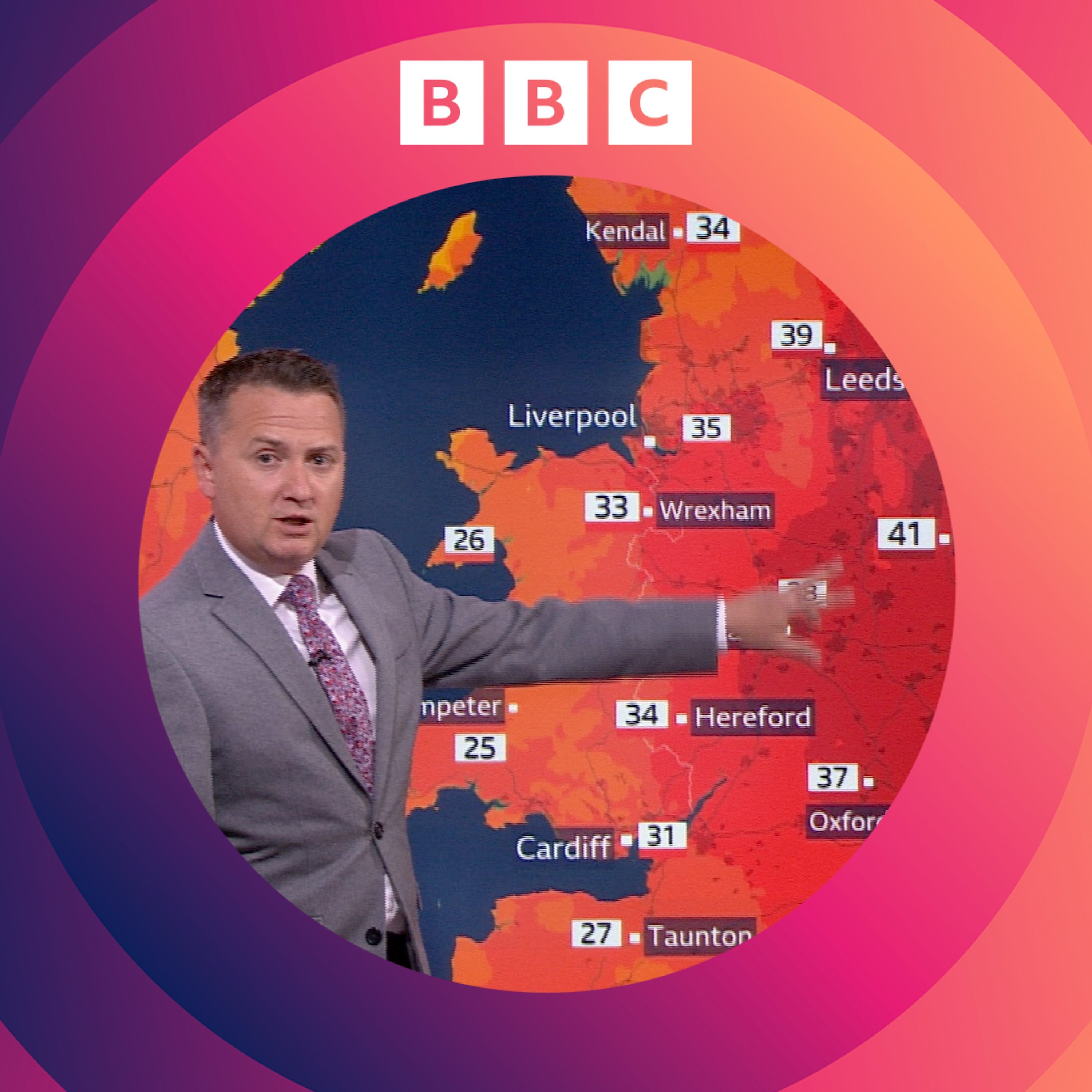
Is this climate change or just crazy weather?
It’s one of the most commonly debated questions in the climate world: Is this weather we’re experiencing natural, or is it linked to man-made climate change? In this episode of The Climate Question, Hosts Graihagh Jackson and Jordan Dunbar are joined by BBC Lead Weather Presenter, Matt Taylor. Matt’s forecasts are seen not just in the UK but around the world. Matt chats to Graihagh and Jordan about the crucial difference between weather and climate, and the challenge of communicating this on air. They discuss why heavy snowfall will still be possible in a warmer world, as well as the likely…
-
26 Apr 2026 · 28 min
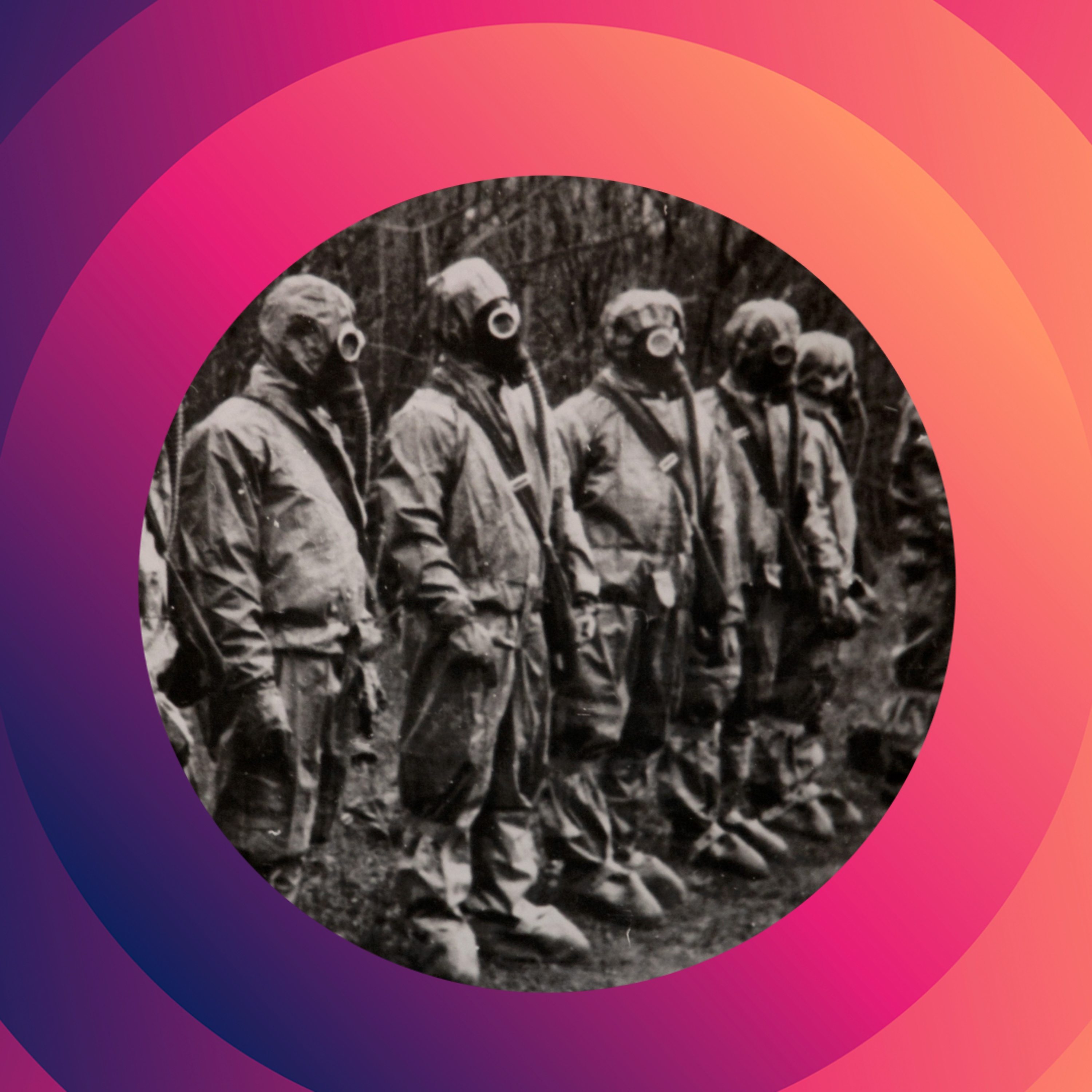
Chernobyl at 40: Is nuclear power back in fashion?
In 1986, the Chernobyl nuclear accident devastated the Soviet Union and shocked the world. But, 40 years on, are we now seeing a nuclear renaissance? And what does that mean for the climate? Climate Question host Jordan Dunbar has just visited the most contaminated place in the world for a BBC World Service documentary. He tells co-host Graihagh Jackson about the ghostly atmosphere in the former Chernobyl control room and the huge dome that now covers the remains of the nuclear reactor that exploded. Jordan and Graihagh also discuss how the disaster set back the nuclear power industry for…
-
19 Apr 2026 · 26 min
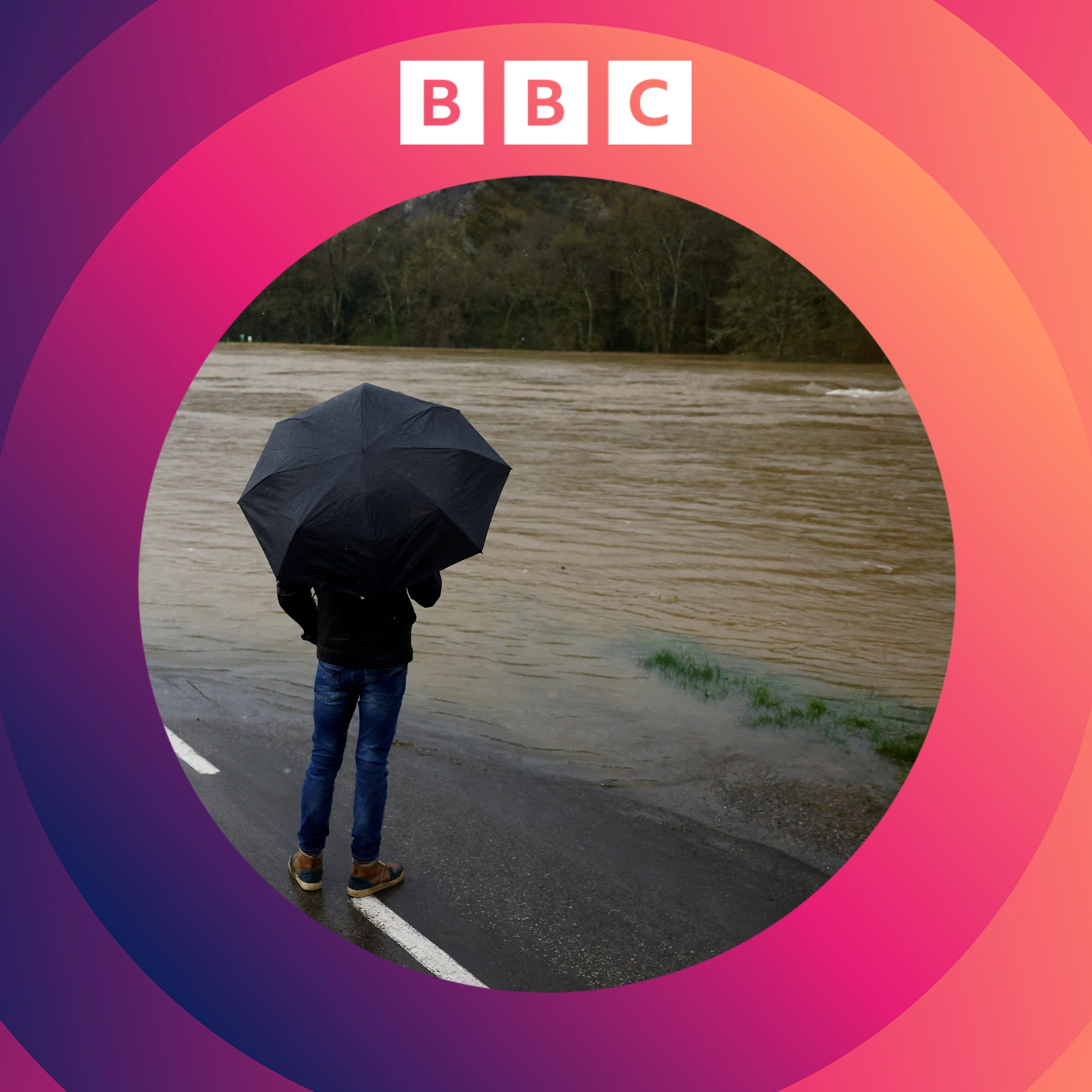
Can technology help us fight flooding in cities?
With more and more people moving to cities, informal settlements are expected to grow. When floods hit these unplanned places, it can be disastrous, as we often don’t know much about them. Crucial questions often remain difficult to answer, like how many people live there, what are the buildings made of, and could they withstand a flood? In the township of Alexandra in Johannesburg, the BBC’s Nomsa Maseko visits a project using drones and artificial intelligence to help authorities prevent the worst impacts of flooding. And in Porto Alegre in the south of Brazil, we hear how an innovative…
-
5 Apr 2026 · 23 min
Why are some cities banning fossil fuel ads?
How much does advertising influence what we buy and how we think? A growing number of cities are restricting adverts for fossil fuel products, from flights and petrol cars to gas heating. From May, Amsterdam is set to become the first capital city to do so. In 2024, the UN Secretary-General António Guterres called on countries to introduce similar bans worldwide. In this episode of The Climate Question, Jordan Dunbar asks whether banning fossil fuel adverts is a good idea and whether it makes any difference when it comes to fighting climate change. He speaks to Marco Silva from BBC Verify…
-

29 Mar 2026 · 26 min
What's it like being a chief heat officer?
As climate change makes the world hotter, some cities have appointed so-called Chief Heat Officers to try to improve their response to record-breaking temperatures. In 2024, Graihagh Jackson spoke to two women who have done the job in Freetown, Sierra Leone, and Monterrey, Mexico. What does their role involve? What solutions are out there? And do they get enough funding? Plus, Umaru Fofana reports from Freetown on what happens when extreme heat grips the city. Umaru talks to locals forced to sleep outside because of the temperature, despite risks to their health and safety. And he also…
-

22 Mar 2026 · 26 min
Can better buses fix city pollution?
Transport is one of the fastest-growing sources of greenhouse gas emissions, and in cities around the world it is also one of the biggest daily frustrations. Congestion, pollution and long journeys to work affect millions of people every day. In this episode of The Climate Question, Jordan Dunbar explores how cities can move large numbers of people more quickly, cheaply and with fewer emissions. With most urban journeys still dominated by private cars, the challenge is how to shift people towards more efficient forms of transport. He speaks to Dario Hidalgo, a transport expert based in…
-

4 Oct 2026 · 26 min
The battery revolution
From Mongolia to Texas, record numbers of lithium-ion batteries are being added to the world's electricity grids - helping to provide more reliable power and speeding up the transition to renewable energy sources such as wind and solar. China is installing over half of these new batteries, often in giant battery farms, followed by the United States and Europe. And with prices dropping fast, the trend is likely to continue and spread to more developing countries. But is battery development moving fast enough to help us meet our climate goals? And what about alternatives to lithium-ion…
-

27 Sep 2026 · 29 min
Climate overshoot: The world beyond 1.5°C
The United Nations says the world will pass its most important climate target within a few years. So can we bring the planet's temperature back down quickly? Or will the damage be irreversible? In 2015, world leaders agreed in Paris to try to keep the global temperature below 1.5 degrees above pre-industrial levels to avoid the worst effects of climate change. But the UN now says what scientists call "overshoot" is guaranteed, and it may have devastating consequences. Experts are worried that the higher temperature may trigger "tipping points" in vital parts of our planet's climate system,…
-

20 Sep 2026 · 23 min
The solar power boom in Pakistan and the Philippines
The Philippines and Pakistan are now the world's top solar panel importers. We find out why, and what other countries can learn from the boom! Cheap solar panels, mainly imported from China, are transforming lives and slashing electricity bills across Asia. In the last year, Filipinos have put up five times as many rooftop solar panels as the previous ten years combined. Installation companies are struggling to keep up with demand. In Pakistan, where the boom started earlier, solar power has reached every sector of the economy from the textile industry to farming. Solar has helped Pakistanis…
-
13 Sep 2026 · 28 min
Can China build its way out of climate change?
Huge construction projects are transforming China - think enormous dams, giant solar power farms and a vast high-speed rail network. Will Beijing's "engineering mindset" help it deal with climate change? China's senior leadership is dominated by engineers, starting with President Xi, who trained as a chemical engineer in the 1970s. They have overseen megaprojects like the 50-kilometre bridge joining Hong Kong and Macau, and a plan to move water from southern China to the much drier north. The engineering mania extends to energy, where the world's largest polluter has invested trillions of…

Take it with you
The Melo app keeps playing with the screen off, works in the car and on your watch, wakes you to your station, and browses the whole catalogue offline. Free, no ads, no account.