

Episode notes
Insects play a crucial role in food production and the spread of disease, as well as being keystone species in many ecosystems. What does a warmer world mean for them? Climate Question hosts Graihagh Jackson and Jordan Dunbar talk to zoologist Dr Tim Cockerill, Senior Lecturer at Falmouth University. Got a question or comment? You can email the team: theclimatequestion@bbc.com Producers: Diane Richardson, Graihagh Jackson and Grace Braddock Sound mix: Mike Regaard and Tom Brignell Editor: Simon Watts
The Climate Question
by BBC World Service · English · Tech & Science
Why we find it so hard to save our own planet, and how we might change that.
More from The Climate Question
-

5 Jul 2026 · 26 min
How to build a climate friendly city
More than seven billion of us are expected to be living in urban areas by 2050. So what are the world’s great cities doing about climate change? Humans are now city creatures – with more than half the world’s population already living in urban environments, and huge growth expected in cities in Asia and Sub-Saharan Africa during the rest of the 21st century. So mayors are on the front line of dealing with climate change – whether it’s keeping people cool during heatwaves or redesigning cities to cope with floods. In this edition of The Climate Question, Host Jordan Dunbar hears about…
-
28 Jun 2026 · 23 min
"Super" El Niños and climate change
Scientists say the El Niño weather pattern has started and this one is potentially so strong that it could have devastating effects in many parts of the world. So how does El Niño work exactly? And what’s the connection with climate change? El Niño starts when water temperatures rise near the Pacific coast of South America, but the impact on weather is felt around the globe. Some regions are more likely to experience severe droughts or more powerful storms; others could face the threat of severe flooding. This “Super” El Niño is likely to add 0.2 or 0.3 degrees to the global temperature.…
-
21 Jun 2026 · 25 min
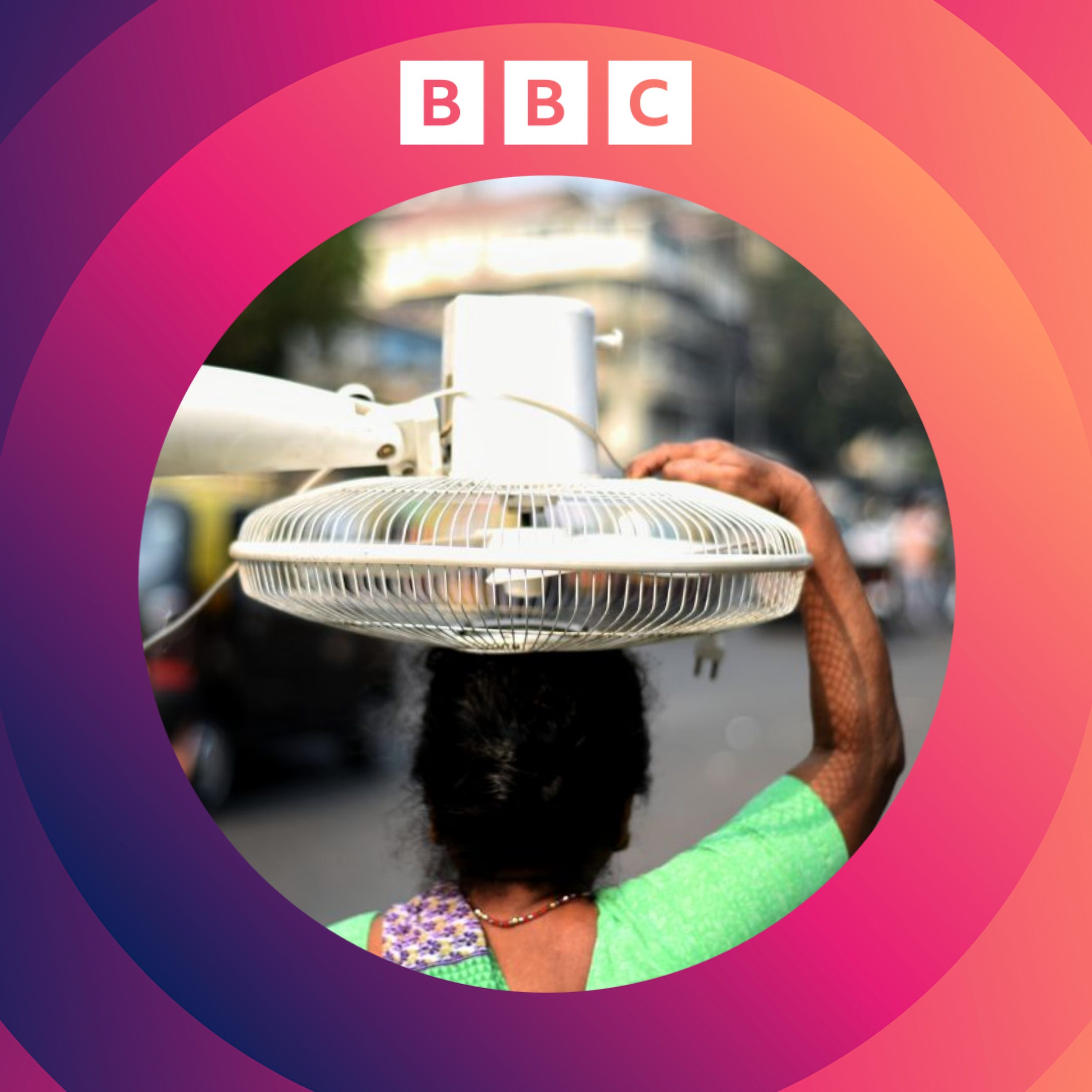
Is climate change ruining our sleep?
Parts of India have been facing extreme heat - with temperatures soaring past 46 degrees Celsius. But a less familiar story unfolds after dark. When temperatures stay high after sunset, an essential human need is threatened: sleep. Scientific research suggests that hot nights are leading many of us around the world to lose shut-eye already. Our bodies need to cool down to fall asleep – but hotter nights make that much harder. And the impacts go way beyond just feeling tired; disrupted sleep has links to poor cardiovascular health and depression. Women, children, the elderly and those living…
-

7 Jun 2026 · 27 min
Can the World Cup cope with extreme heat?
Scorching temperatures are expected at this year’s World Cup in the USA, Mexico, and Canada. How will players and fans cope? And how will it affect the action on the pitch? Scientists are concerned about the impact of extreme heat on the biggest sporting event in history. The organisers, FIFA, is introducing mandatory water breaks to keep players cool, but experts say the hot conditions may slow down the game and give an advantage to teams that play more matches in air-conditioned stadiums. There’s also concern about the health effects on fans. FIFA has put in place measures such as cooling…
-
31 May 2026 · 26 min
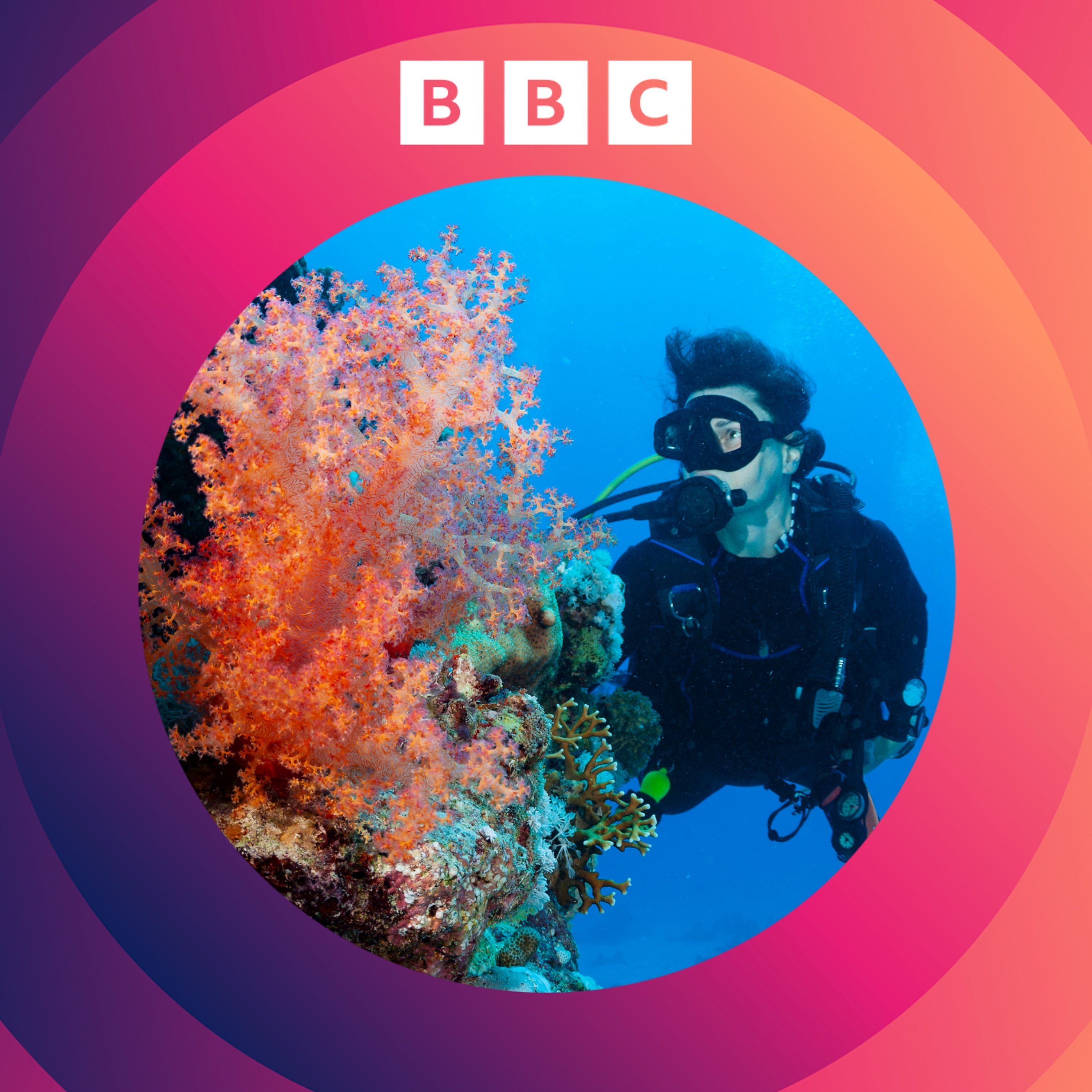
Can we save the world's coral?
Corals protect humans and sustain 25% of all marine life. But reefs are under threat from climate change, and mass bleaching events mean that some scientists estimate they could disappear by 2100. In this episode, Graihagh Jackson is joined by BBC CrowdScience presenter, Caroline Steel. We go to Puerto Rico to see how self-duplicating, carnivorous coral could be the solution. We also speak to the scientist who helped discover what was causing coral bleaching in the first place - back when climate change was commonly denied. This programme was first broadcast in 2024. Guests: Dr Ove…
-

24 May 2026 · 23 min
Should we mine the deep ocean?
In the global race for critical minerals - could the seabed provide solutions? Or should we leave these metal-rich environments undisturbed? Governments and mining companies around the world are on the hunt for the critical minerals we need for the green tech transition. And there’s growing interest in an unlikely source – potato-shaped nodules that are found kilometres below the surface of our oceans. These polymetallic nodules contain high levels of elements like cobalt, nickel, manganese and copper. Supporters of deep-sea mining say that harvesting them might be less damaging to the…
-

4 Oct 2026 · 26 min
The battery revolution
From Mongolia to Texas, record numbers of lithium-ion batteries are being added to the world's electricity grids - helping to provide more reliable power and speeding up the transition to renewable energy sources such as wind and solar. China is installing over half of these new batteries, often in giant battery farms, followed by the United States and Europe. And with prices dropping fast, the trend is likely to continue and spread to more developing countries. But is battery development moving fast enough to help us meet our climate goals? And what about alternatives to lithium-ion…
-

27 Sep 2026 · 29 min
Climate overshoot: The world beyond 1.5°C
The United Nations says the world will pass its most important climate target within a few years. So can we bring the planet's temperature back down quickly? Or will the damage be irreversible? In 2015, world leaders agreed in Paris to try to keep the global temperature below 1.5 degrees above pre-industrial levels to avoid the worst effects of climate change. But the UN now says what scientists call "overshoot" is guaranteed, and it may have devastating consequences. Experts are worried that the higher temperature may trigger "tipping points" in vital parts of our planet's climate system,…
-

20 Sep 2026 · 23 min
The solar power boom in Pakistan and the Philippines
The Philippines and Pakistan are now the world's top solar panel importers. We find out why, and what other countries can learn from the boom! Cheap solar panels, mainly imported from China, are transforming lives and slashing electricity bills across Asia. In the last year, Filipinos have put up five times as many rooftop solar panels as the previous ten years combined. Installation companies are struggling to keep up with demand. In Pakistan, where the boom started earlier, solar power has reached every sector of the economy from the textile industry to farming. Solar has helped Pakistanis…
-

13 Sep 2026 · 28 min
Can China build its way out of climate change?
Huge construction projects are transforming China - think enormous dams, giant solar power farms and a vast high-speed rail network. Will Beijing's "engineering mindset" help it deal with climate change? China's senior leadership is dominated by engineers, starting with President Xi, who trained as a chemical engineer in the 1970s. They have overseen megaprojects like the 50-kilometre bridge joining Hong Kong and Macau, and a plan to move water from southern China to the much drier north. The engineering mania extends to energy, where the world's largest polluter has invested trillions of…

Take it with you
The Melo app keeps playing with the screen off, works in the car and on your watch, wakes you to your station, and browses the whole catalogue offline. Free, no ads, no account.


