Episode notes
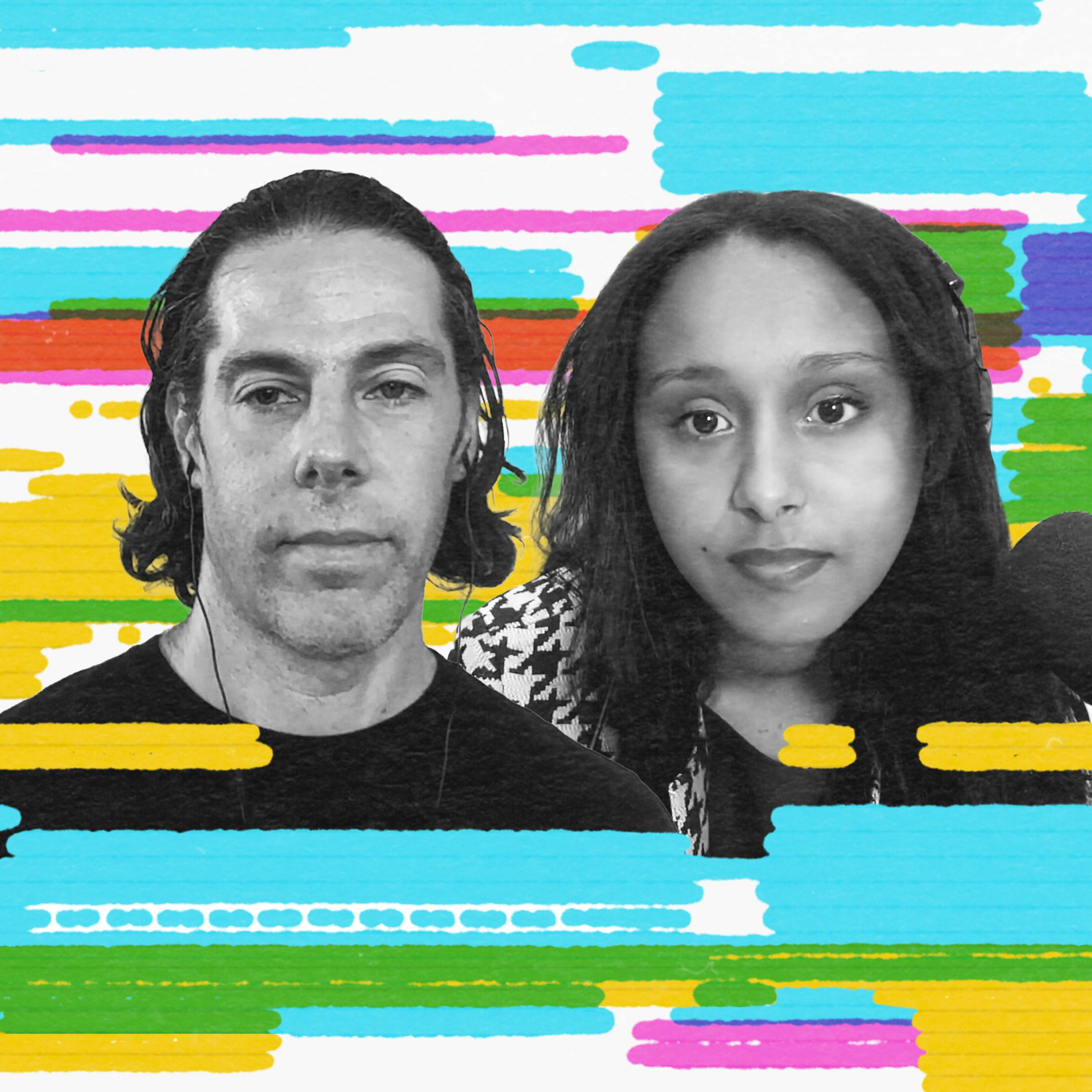
Electronics are getting more expensive—and the culprit has a lot to do with generative AI. Amid all the talk of AI taking over people’s jobs, automating people’s workflows, and doing people’s homework, we’re learning that actually scaling this technology is a lot harder, and more expensive, than it seems. On this week’s episode, “Galaxy Brain” host Charlie Warzel talks to his Atlantic colleagues Hana Kiros and Alex Reisner about why AI is such an engineering disaster, and how this memory shortage is impacting everything from MRI machines to smart fridges to kids’ access to technology in…
Galaxy Brain
by The Atlantic · English · Tech & Science
The internet has warped public life: Politicians behave like influencers, the economy resembles a casino, and people can no longer agree upon a consensus reality. New conspiracy theories, memes, and main characters seem to pop up every day. A constant war is on for your attention, and it’s easy…
More from Galaxy Brain
-

28 Aug 2026 · 1 hr 9 min
Welcome to the Scrolling Backlash
A lot of people are getting tired of their phone—sick of the algorithms and overwhelmed by what can feel like a loss of control. The Atlantic staff writer Julie Beck was a part of a team that dug into why and how people are trying to renegotiate their relationships with technology. They just released a five-part podcast series called “How to Touch Grass,” and in this episode, Galaxy Brain host Charlie Warzel talks to Beck about why people are nostalgic for pre-Internet days, how our brains are changing, and the good that can come from getting lost. Listen to the full “How to Touch Grass”…
-
7 Aug 2026 · 52 min
How Social Media Makes Our Lives Smaller
Most people spend more time than you think agonizing over their social-media posts. Kathryn Jezer-Morton wanted to understand their thinking—and when she dug deeper, she learned that redemption and optimization narratives are what the algorithm rewards, and therefore what drive the stories we tell. What does that mean for how we all think about ourselves? Charlie Warzel talks to Jezer-Morton about how “authentic” has become something different from “true,” and how people’s arcs on social media tend to only point upward. Learn more about your ad choices. Visit podcastchoices.com/adchoices
-

E39 · 31 Jul 2026 · 53 min
The Former ‘Voice of Google’ Speaks Out
Tech companies like Google famously started with a culture and psychology centered on doing good and changing the world. But as Google expanded, it had to adapt to its growing money, power, and influence, and Claire Stapleton, who worked there during this hinge point, describes how that felt from the inside. In this episode, Stapleton talks through her perspective about what happened to the company—and how for her, the work went from being inspiring and mission-driven to what she came to feel was a “bullshit job.” Learn more about your ad choices. Visit podcastchoices.com/adchoices
-
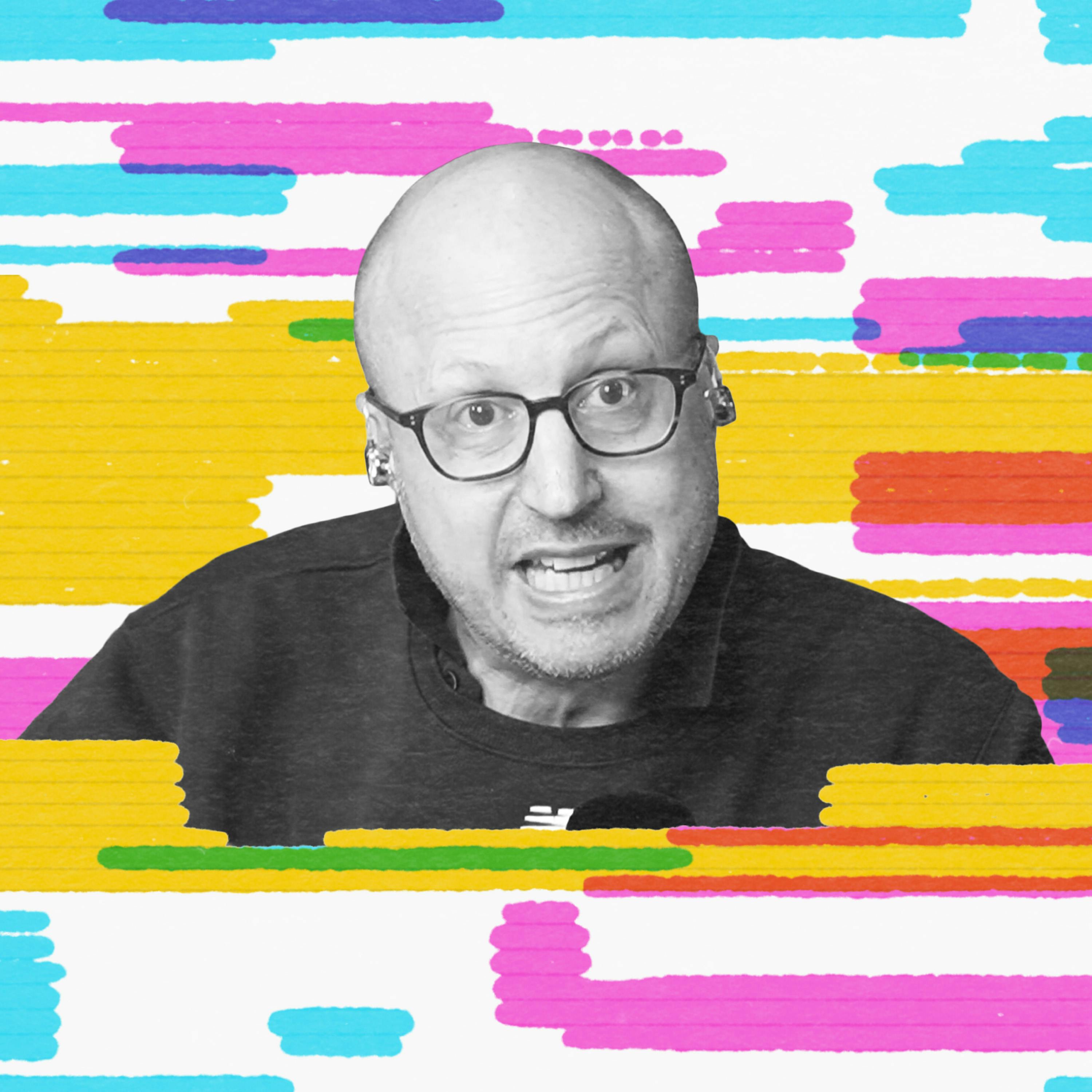
E37 · 17 Jul 2026 · 34 min
How the World Cup Finally Won Over America
Why does the World Cup endure in an age of fractured attention? Is FreddyLA7 a real person? Charlie Warzel speaks with Men in Blazers founder Roger Bennett to chart how the World Cup has become far more than a sporting event and how this year’s tournament marks a turning point for soccer in the United States. They talk about how social media is transforming fandom into an endless thread of storytelling—amplifying goals, celebrations, memes, local rituals, and fan “bits” around the world. On the eve of the final, Bennett breaks down what the World Cup has taught us about national pride,…
-
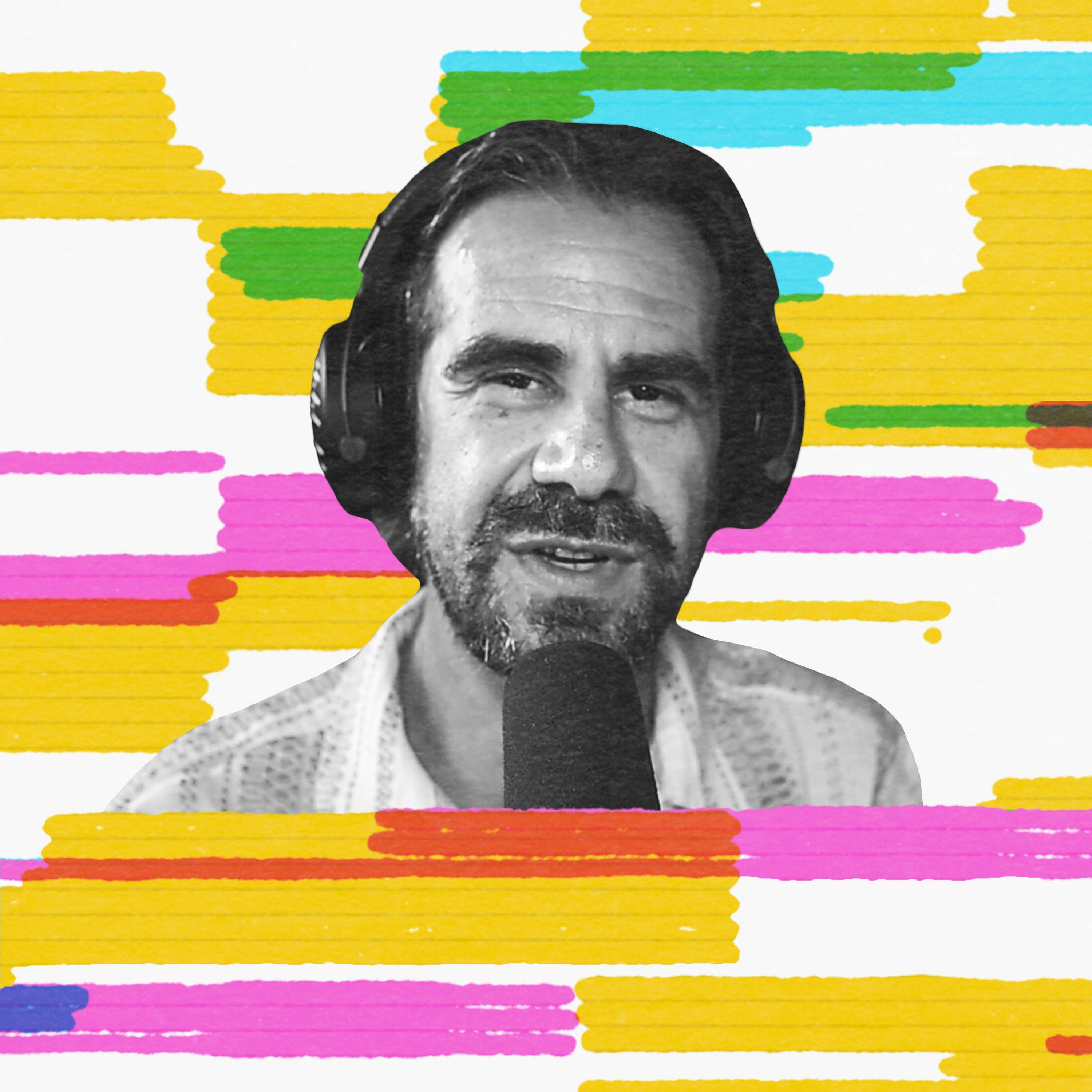
E36 · 10 Jul 2026 · 45 min
The Hidden Cost of Optimizing Everything
Modern life is built to make things easier, faster, and more efficient. But what if, in smoothing away life’s everyday frictions, we’ve also lost something essential? This week on “Galaxy Brain,” Charlie Warzel talks with The Atlantic’s Ian Bogost about his new book, “The Small Stuff,” and why the tiny rituals, sensory pleasures, and routine interactions we tend to overlook may be the very things that make us feel connected—to one another, to the world around us, and to ourselves. Get more from your favorite Atlantic voices when you subscribe. You’ll enjoy unlimited access to…
-

S1 · E35 · 3 Jul 2026 · 50 min
What Do We Do About Elon Musk?
Elon Musk isn’t just the world’s richest man—he’s one of the most influential people alive. His companies have transformed industries, his wealth has shattered records, and his politics now shape governments and public debate. But how did he become this powerful? And is his dominance really inevitable? This week on “Galaxy Brain,” Charlie Warzel talks with the historian Quinn Slobodian and the technology writer Ben Tarnoff, the authors of “Muskism: A Guide for the Perplexed,” about the ideas driving Musk’s rise. They unpack the mythology of the billionaire genius, the ideology behind his…
-
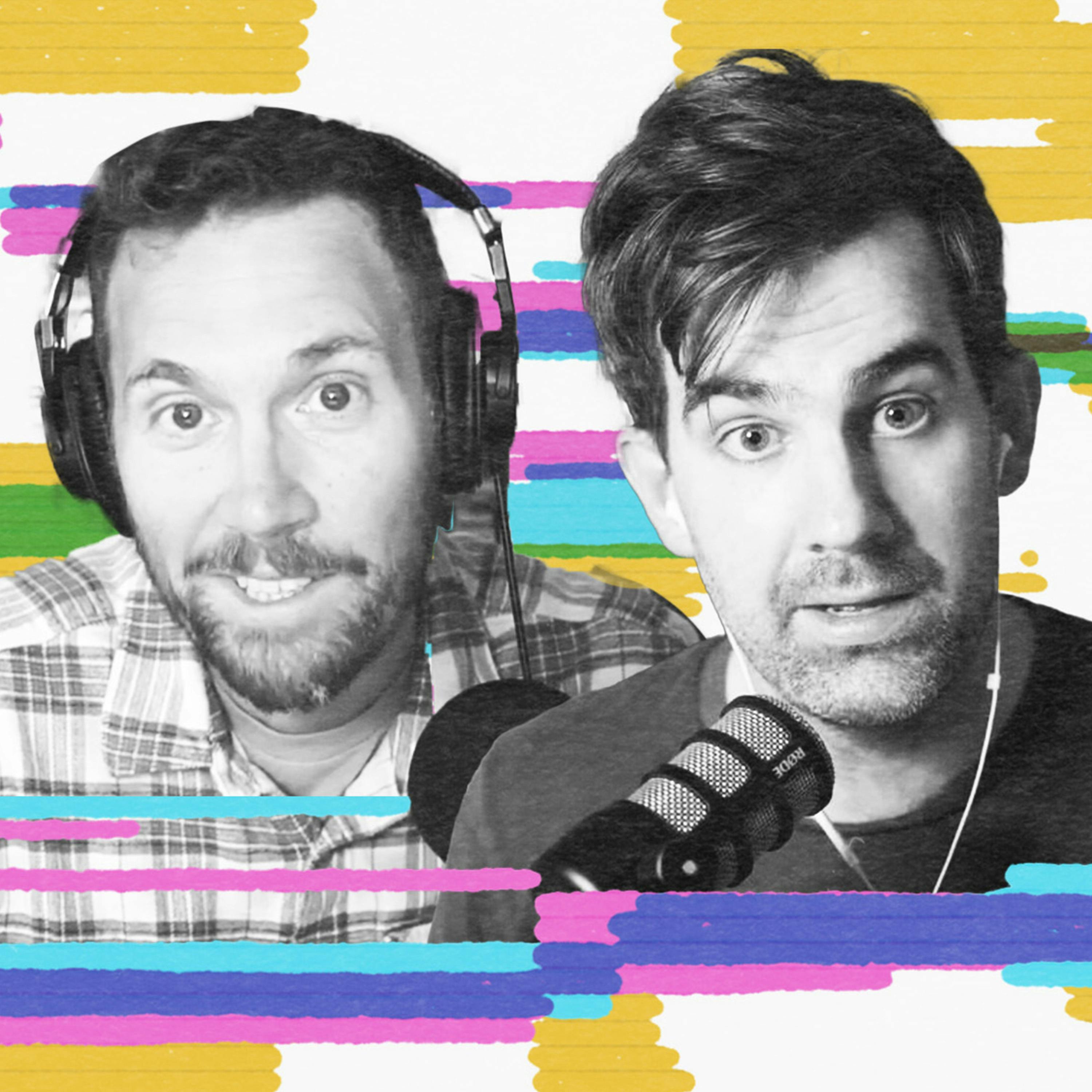
2 Oct 2026 · 1 hr
An Argument Against AI Doom
The flood of reports about AI agents escaping and hacking websites can feel scary. But is this actually just a matter of needing better security to match the evolving technology? Zack Korman, the CEO of Embroidery, thinks so. He works in cybersecurity and argues that “rogue” AI agents are less frightening and complicated than they may seem. “Galaxy Brain” host Charlie Warzel talks to Korman about how companies and institutions should up their cyber defenses, why the so-called AI doomers are frustrating him. - - - Get more from your favorite Atlantic voices when you subscribe. You’ll enjoy…
-

25 Sep 2026 · 55 min
We’re All Being Recorded. What Do We Do About It?
Meta has been selling millions of its camera-equipped glasses, making all of us fodder for content creation—when we’re on the street, at the store, and in our workplaces. Host Charlie Warzel talks with Verge reporter Mia Sato about how regular people are being impacted as these glasses increase in use, the backlash to Flock cameras, and what happens in a world where we’re always being recorded. Get more from your favorite Atlantic voices when you subscribe. You’ll enjoy unlimited access to Pulitzer-winning journalism, from clear-eyed analysis and insight on breaking news to fascinating…
-
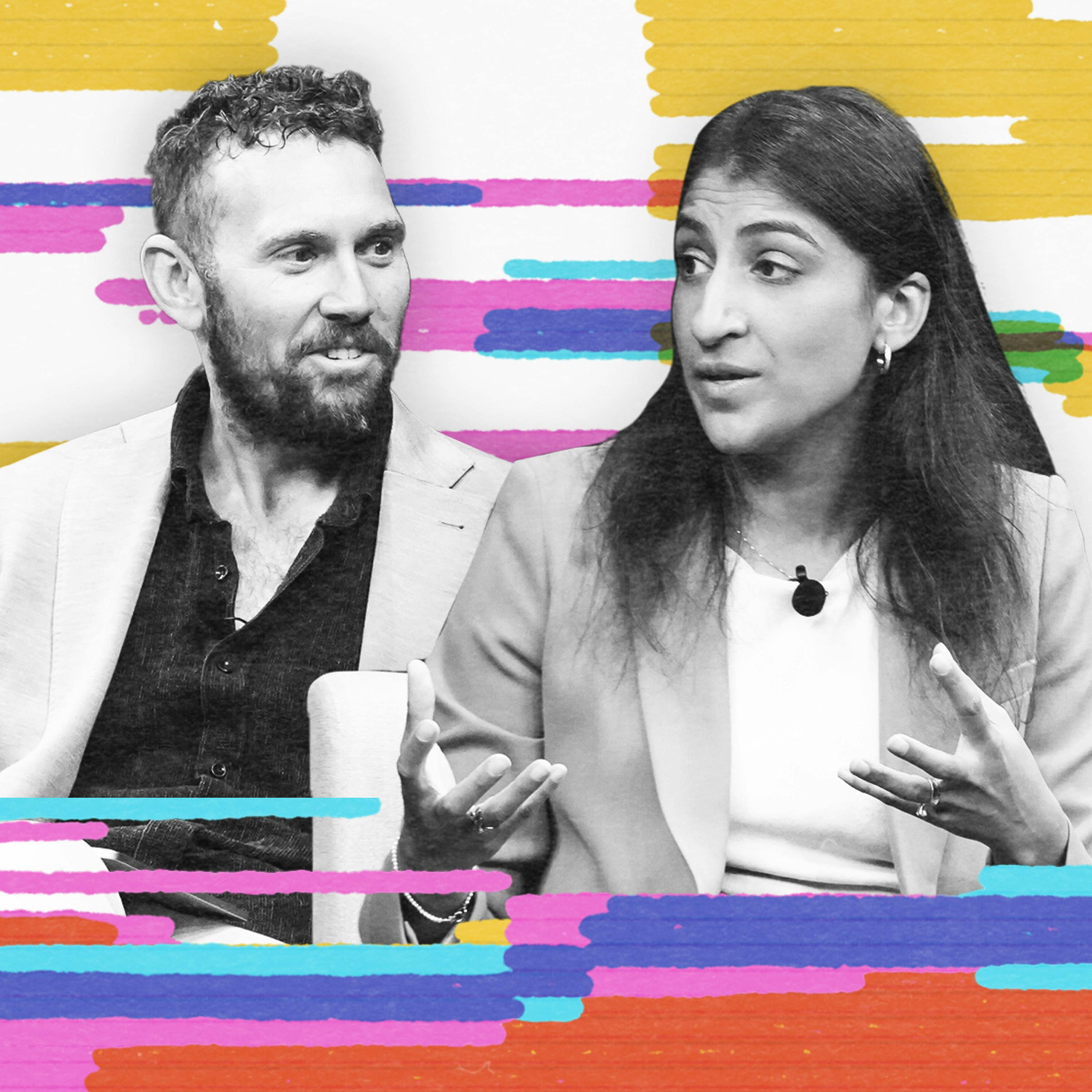
18 Sep 2026 · 35 min
Lina Khan on the AI-Safety Panic
As “rogue” AI agents hack systems and leaders warn of catastrophe, who should be held responsible? The former FTC Commissioner Lina Khan argues that the United States already has a lot of the regulatory tools needed. In this live episode from The Atlantic Festival, the “Galaxy Brain” host Charlie Warzel talks with Khan about why the AI-alarmism conversation feels a little off, how money affects politics and regulation, and some of the ways she would be dealing with AI if she were still the head of the FTC. - - - Get more from your favorite Atlantic voices when you subscribe. You’ll enjoy…
-

11 Sep 2026 · 46 min
Is AI Writing Inevitable?
AI-infused writing is suddenly everywhere: not just in automated email responses or meeting summaries, but in books and even the pages of mainstream newspapers. When an editor at The Wall Street Journal recently defended an op-ed that was 100 percent written by AI, it felt like a possible turning point, at which people are no longer apologizing. So is AI-assisted writing in its post-shame era? What does that mean for the way we process, communicate, and think? Host Charlie Warzel talks to the journalists Elizabeth Spiers and Teddy Brown about being a writer when the robots are coming for…

Take it with you
The Melo app keeps playing with the screen off, works in the car and on your watch, wakes you to your station, and browses the whole catalogue offline. Free, no ads, no account.