
Episode 26 · Human School
How To Navigate Hard Conversations with Jefferson Fisher
29 Apr 2026 · 1 hr 23 min
Episode 26 · Human School
29 Apr 2026 · 1 hr 23 min
Stuck in the same emotional patterns? Onsite's LivingCentered Program is a five-day intensive that helps you slow down, go deeper, and do the inner work that changes things. Learn more at https://hubs.la/Q04dV_Xl0 Have you ever taught others how to communicate, but still lost it in your own kitchen? What if the best communicators in the world are still works in progress, and that's exactly the point? Jefferson Fisher is a board-certified trial attorney, NY Times bestselling author of The Next Conversation , and one of themost-followed voices on communication online. Behind the millions of…
How in the world did a trial attorney become a communication guru? I had this moment of a what if? I start telling how I can add value to people without saying anything of what I do. People love contracts and here I am. Rather than having my suit and tie on in some fancy chair, I'm in my car and I got my daughter's pink car seat in the back. I sit across from you and see what I hoped I might see was that there's actually a human who's still chasing the tools that they've helped curate. It's like anybody in a recovery program, you don't ever stop. If you can learn the reps, then you'll be able to deploy the reps, but if you don't have the information, you're more likely to react than respond.
Every time you go into a hard conversation, the mindset you have to have is have something to learn, not something to prove. Because some of the most beautiful moments in communication, I think happened when you let go of the expectation. This is how I wanted it to go. You can be in front of somebody who's hurting in need and still just miss it. I just miss the true issue and the true need. It's much harder to lead with the humanness than it is with the knowledge. Let me tell you what I don't like about therapy. We've been taught everything except how to be human. I'm Miles Adcox, and this podcast turns raw experience into practical wisdom.
So if you're ready to stop performing your life and start participating in it, you're in the right place. This is human school. The quality of our lives is shaped in large part by the conversations we're willing or unwilling to have. And not just the big ones. The small moments, the tension. The things we don't say are the things we say too quickly. Because the truth is, most of us aren't taught how to communicate when it really counts. And if you've spent any time trying to navigate this, well, there's a good chance you've come across today's guest.
I know I have. And I have personally become a big fan of his work. He's a board certified trial attorney, someone who's built a career in high stakes environments where words matter. But what's made his voice stand out is how he's taken that experience and turned it into something incredibly practical, something people can actually use in their everyday lives. His content, and recently, through his instant New York Times bestseller The Next Conversation, is helping millions of people think differently about conflict, communication, and what it actually means to connect. But more important than his reach, there's a person behind the message, A husband, a father. Someone who, like the rest of us, has had to learn through experience what it means to pause instead of react, and to find his footing in moments that don't come with a script. I'm really excited for this conversation today and the wisdom he has to share.
Please welcome someone who I believe is turning the art of communication into a master class. We all can consume Jefferson Fisher. Thanks for having me. Welcome. Yeah, I'm so glad to get a chance to to sit down and talk to you. And I'll say upfront, I said it before the mics got on. I'm, I'm a little nervous because I, I really admire the way you think and the way you've packaged a tool that I value tremendously. It's what's made me chase my career.
And then every now and then a voice comes along and it's really fun when it's not in our space, you know, in the psychology space where I spend a lot of my time comes along and, and I feel like they package it better than I've heard from some of the great people I've been mentored by. And, and you're one of those I, I picked up, I was an early adopter of your content. I started following you from your car when you were doing some of those early clips.
And I was like, who is this guy? And he's saying things that don't have the insider language and it's not packaged with some of the dogma and stigma stuff that we put around sometimes complex psychological concepts. And you said it's super clear in a way that was really consumable. One thing that really, really stood out to me as I consume more of your content was how you said you, you went to law school, obviously, and but it didn't necessarily teach you how to be with people. It taught you the law.
And I'm somebody who's had a tremendous amount of training and education in, in, in therapy and psychology. And as much as I'd like to say the study of human behavior would teach you how to be with people, that's not necessarily the case. So I really related to that. I thought I've had to either take the origin story of where I got my early imprints on communication and find a way to use that to lead, to have impact and influencing people in front of me and put the tools that I gained behind me, which is a very tough thing to do. How in the world did a trial attorney become a communication guru?
Well, First off, thank you. That was super kind and I'm really honored to just sit down and finally have a conversation. I'm about guru. I mean, I'll, I'll take communication guy. He talks in his car. I so much agree with you on that. Degrees and certifications rarely really qualify you to handle people because you can either be go through all the things of of to be a therapist and what that takes and all the hours you have to log and go to law school and all the classes you have to take. And yet be in front of somebody, a client, somebody who's hurting in need and still just miss it.
I just miss the, the true issue and the true need. A lot of what I teach is, does not come from law school, right? It teaches you how to read the law does nothing to teach you how to read people. And so I, I find that the most effective people who are great at you know what this is human school, right? Who who are best at Human Inc is they've lived a life of experience of these little interactions that have taught them things along the way. It's rarely the the school or the degree for me.
I started at a big law firm, decide I was going to go off on my own. Where was the big law firm? Is in Beaumont, TX and you say? You say you say Hill Country. I know when you're talking, when you're describing it in the book, is that like a Hill Country? I think I've been down to Kerrville and been on a couple hundreds down there, but exactly is that anywhere near there? No, so Kerrville, that was like the family hunt that we would all go on. And so that's.
Where camp was. Yes, that was that was where the ranch was. And so that's where. That's considered Hill Country, Texas. Correct. Yeah. Kerrville Central Classic. Yeah. And so Beaumont is like Southeast Texas. Like you're riding, you're an hour from Louisiana, you're an hour from the coast, OK. And so you're just like right there the. Closest. Largest Texas. Houston, OK. Houston OK, I got you now. It's probably like an hour, almost two hours W ish. I have that along I-10.
And how big Beaumont. I don't know. It's yeah, I mean, I, I was really raised in Silsbee, right north of it, which a very small town. So we had, we had a combo KFC, Taco Bell, and that was really our main thing, if that tells you anything. I. Bet. Were you there when those places came, or were they there when you grew up? Oh no, they came when they. Had a big deal. Like I grew up in a small town. I remember when Heart we had a Sonic first huge deal.
It was huge. And then a Hardee's came. We thought we hit the jackpot. Well, that's when the Frisco burger well, we we changed from doing like going to Dairy Queen everyday to like if you really wanted to treat after school, you went to Sonic and so you got you a a slush and so something like that you. Know Sonic used to do a hot fudge? You know Shoney's did a hot fudge sundae. We didn't have a Shoney's, but we. Went but you you know what I stand corrected. We had a DQ first did you?
That was the. OG we went from like dilly cone to like a, you know, having a slush. That was that was the big thing. So yeah, I came from a. But that law firm you said was in Beaumont. Yeah, yeah, I was in Beaumont and I decided this is 20/1/2021. So not that long ago I was going to start my own law firm and about and I started it beginning of 2022. And about midway through I started going, well, I need to be on social media to like promote the law firm, right.
And what turned into me think I needed to sell myself. I was like what I do, let me talk about the law. I had this moment of a what if I start telling how I can add value to people without saying anything of what I do. I've like if I could just teach people what I already teach clients before deposition or cross examination or my mindset before what we call vordire down in Texas, wide deer up in the northeast of picking juries and and closing arguments.
What if I can teach some of that and say nothing about what I do? And I made my first how to argue like a lawyer video and I went from 800 friends on Instagram that I had all grown up with new from law school. I remember a friend of mine who was another attorney had 1000 friends on Instagram and I was like. That's a big deal. Friends, I was like how in the world doesn't have 1000? I don't even know 1000 people and but after I posted that video, I'll never forget the first time a stranger commented on a video and you're like, that was a big thing That wasn't a thing at the time for people you don't know.
And so it did just continue to grow and grow and then it just exploded the the more videos I. I mean, I guess when, when you have a, a like a viral moment like that where everybody seems to grab a message that it illuminates it in a way that I'm assuming for you it, it takes it up the priority list and it's like, huh, maybe there's something here I should chase or pursue or did you prior to that message? Was that what got that tripped you into becoming what you're doing now beyond your day job, trial attorney?
You still practice? Still practice. I mean, I still have the law firm and of course I'm not able to practice nearly as much. I have other people who handle my cases, still manage the firm. But I I find that people love contrast is one thing I've learned like contrast peaks people's interest. And here I am an attorney. Rather than having my suit and tie on law books in the background and some fancy chair, I'm in my car and I got my daughter's pink car seat in the back and you have a sippy cup.
And you're talking about things that people go ahead and think a lawyer would be like this. And same for like therapy. You have a vision of what that therapist might be or look like. And so when people in certain professions approach you in ways that are contrast from the typical mainstream, people get really curious about that. And if you have the chance to add value, to actually give something meaningful, then I think that's a huge unlock because of people.
I think people focus on if I want to get more customers or clients, I have to talk about what I do. But really people will just follow you because they, they like you. Like, who do you, who do you follow? Why do you follow who you follow? It's because they, they give some kind of value, whether it's entertainment, it's a laugh, it's an insight. And so that's how that kind of grew into what I'm doing. It were you able to draw a thread back to the origin story, which I think you tell really beautifully in the book of where communication started, how it turned into a legacy versus law because I know you got a family full of lawyers yeah but then you say that communication you learned and storytelling I think maybe you framed it was the real legacy that your family builds did you know that before you shot your first video or when you shot your first video, it becomes viral. Then you're thinking, huh, Did it make you start to contemplate and think more about the origin story and how communication is the?
I didn't think about the origin story until I started writing the book. That's when you kind of have to be like, OK, how do I know this stuff? Like where does this stuff originate from? And you kind of go, why am I making it all up? And you go, no, I'm not like this is what I'm you can kind of, I can relate so many little things to stories throughout my life. So I'm a fifth generation trial attorney, which means my family can't do anything with their hands like I am. I am the least handyman that you've ever you've ever met. And I got taught in kind of weird ways, like my dad growing up would discipline me, talk to me a lot of the times in the Socratic method, which is a way of teaching by asking questions. That's what Socrates did.
So in it comes from law school, your old school law schools will you have a room full of students and the professor will call on a student and they're supposed to have done their reading, which could have like 8 different cases, a lot of reading the last day. And they will use you. The professor will ask you questions, have you stand up and ask you questions about the case. And it's not just what are the facts of this case. It's it's asking questions of pushing them in a certain direction and then being the devil's advocate.
So what, what's the holding of this case? And you start giving any good you, is this now, why wouldn't you do this? And so my dad actually, that's how he taught a lot, which was, I can see the value of it now. I hated it back then, you know, And so how did that show up in my childhood? I would be upset about something at school. And then he would come in with, well, what do you think the other person's thinking? And after you said that, what do you think that they would feel?
Well, what if you had said and have me look at it like 8 different angles? And so that was really insightful in preparing me for conversations. Because a lot of the time, if you want to be an excellent trial attorney, you have to know the other person's argument better than they do. You have to know all the reasons why their argument would succeed. And if I know all those reasons and I know where the holes are, but then that allows me on the other side to know where to focus. It was interesting this morning I took a, a ChatGPT rundown, the history of law, because I was very curious about how a lawyer becomes, you know, a communication expert beyond the story that led you here, which a lot of it was imprinted by your your family.
And it was fascinating to see how it started with a set of rules that turned into a concept of persuasion, that turned into a concept of communication and how it how it kind of funneled up from there to turn into an actual profession in a trade. And one of the things that I feel like even the field of psychology could use a reset. You know what I won't even, I'll probably pick on my field a little bit. And you picked on your sum in, in your book.
You picked on ours a time or two, which I thought was really cool. And I want a matter of fact, I want to get to that. I want to ask you about some of your thoughts around some of that because I may be, I'm a little guilty of being one of the philosophers. You said this is how it talks about empathy concepts like they're fluff maybe? Yeah, the fluff. And we'll get there in a minute, but I, I really feel like all professions, no matter what we do, if we're engaging with human beings, there's a human face in a system and a soul in front of us that we just have such a hard time seeing with the amount of cognitive load that we consume these days.
And I think the busier we've become with input and impression, the busy our brains have become. And they're just not a lot of room to take that as you so wisely say that first word and turn it into a breath and give people a minute to get to know who they are before you lean in with an agenda. One of the hardest things to do in my field and when it comes to training great counselors and therapist is how do you put the tools in the background and be a human being in the room so that you can then invite another human being into psychological safety?
Build a little trust, you know, get to the third. See that you use of connection and then that might open the doorway where we could actually look at some things that you might want to grow, change and heal. That is the magic part. And often if you do that right, you don't even really have to bring the rest of the agenda in the door because that activates something within them that they recognize. Oh, wait a minute, I didn't come to you for tools to grow, change, and heal.
Maybe you already got them. I just needed somebody to be a mirror that could help wake that part up. Right. I feel like your voice in the world right now and I'm glad you're you're pursuing this new path in addition to your your law firm is really important and I want to hear more and more people speak up about it. I think it's why I started this show versus a more obvious direction might have been like a counseling show or a psychology show or therapy show, which I, and I'm thankful a lot of those exist too. I've got a lot of great colleagues that do more practical application.
But I really thought, how do you strip all that back and make this just a human to human conversation and then hand picked tools out of complicated concepts and make them simple so that we can digest them. And I feel like you've done that with kind of our primary tool, which is communication. I don't know that I would have gotten consumed by your book had it not started with me getting to know who you are being drawn to that and it went all the way back to hunting camp.
Now I we had some crossover and some some things in our stories that connected a few dots. It was easy for me because we grew up in kind of some similar cultures, but it really wasn't about where you grew up. It was more about the stories and what that meant to you. Then as you go forward with now being, I've called you a guru, I've probably called you an expert, All those things you've kind of batted back across the table and you're like, thank you, but I'm just trying to be a regular guy with a good message. How has this for lack of a better frame, I guess influence or fame per SE, because a lot of people know who you are, got a whole lot of people, a lot of eyes and ears on you. How is it impacting you and has it made it hard, it's stretching you anywhere and has it made it hard to have the human out front when you've got so many, so much pressure and demand on your time and and your message?
I've gone through like the up and down of Lord, you put this in front of me, you, you. I feel like you've kicked this door wide open and you're asking me to walk through it. How am I supposed to do that? Yeah, I, I've had to go through those valleys of. I mean, imagine just being in your car and making a video and you just see a digit on your phone under the video that says this video got, I don't know, 6 million views and you still don't see 6 million people.
It's just you and your car and you go back inside and you just do life and, and but out in public, there is that element of familiarity and and people, people know. And when I did like the book tour and we went to different cities. Incredible. Is it easy to get in your head and go, I didn't earn this? Like that's that's where you have to kind of have some in depth thoughts on. That's not really the the right question to ask that I find that the right question is who can I like help today? If I can just focus on that.
And so when I make a story online or something, if I can just think of one person and I get to meet one person in what I'd call real life, you know, let's say I'm at the airport or, or something, then that to me is the full manifestation of exactly what social media is like. That's the peak when I get to meet somebody. Like last night I had dinner with my family at a small little place in Franklin. And right before I left, somebody goes here, you have some Fisher.
Oh my gosh. And they're so nice. And that is like an element of that's the person I'm talking to when I make a video or whatever. And so same for you and same for people who listen to this episode of when you get the chance to meet them in person. Like that's to me, the pinnacle of social media is making those little connections. Now, is it easy to kind of get in your head and have that imposter syndrome of like, let's be real, I just make videos in my car. I'm not doing hard things, you know, or I'm, I'm talking on a podcast or somebody's hiring me to speak and just say words out of my mouth.
I'm just, I'm just making vowel sounds from my throat and I'm somehow turn this into a thing. It's it's that can kind of mess with your head When I see other people actually have like a full hard 9 to 5 manual labor and I'm thinking, I don't what am I doing? I I need to be doing something else? I, I can relate and the, the, the bigger the room, I know. And thankfully we've had a lot of great people that are doing interesting things in the world that will trust some of our resources through on site, some of the other companies that I'm involved with.
And as I've noticed as, as I'll get invited into rooms with people that are doing things on, on bigger scales, often it's, it's very difficult for me because I, your book was in, your content was in, I'm going to say it was easy read. It was a, it was a relaxing read and challenging in some ways. I'm going to tell you about the challenge in a moment because I might be the one guy you could help today, but it was a relaxing read because I just, I identified and I agreed with most of it. And, and I think I think most all of it. And I thought it was set in a clear and different way. And I think that's what's been needed a lot of times. Our word, our work can get very cluttered. And it was like, boom, this is, this is where it is. I'll, I'll also tell you about the challenging side of it, but I personally, I relate to that because I feel like I try to take complex ideas and concepts and turn them into conversational, story driven tools that might actually could be digested from people that I might have an opportunity to influence or impact in a positive way. And you might back that out and
call it coaching and counseling, consulting, all the different words that we put around it. But I've noticed when I get around other peers that do that at a higher scale, I start to really start leading with, I need to earn my credibility in this circle. So I need them to know what I know in order to keep a seat at the table. And first of all, why do I even have a seat at the table? Tell at the imposter center, What am I doing here? And is it enough to use what I'm comfortable using in my spaces, which is, I think it's, you know, we call it soft skill, but I think that's we got that backwards because I think it's much harder to lead with a with the humanness than it is with the knowledge. But the have you been stretched by that? And I guess that's kind of what I'm asking. And maybe I guess I'm saying I relate to you too, but you're doing it at a level now.
And I think you did it well here in the book because I thought you started every chapter of the story. So you just kept bringing it back to a personal human experience, right. And then you would highlight the knowledge, but then you would make it very practical at the end on here's the take away. Is it tough to sustain? What is it you may say is what's the? The concept and the methods that you teach, like I practice one of them this morning and it worked.
I'm still in the cooling phase, by the way. I'll tell you more about that in a minute. But I, I just wonder, have you been testing your own theory, especially in a high pressure stake? And do you find that the tools you've identified and that you teach, and I'm sure that you try to integrate into your own life, are they sustainable? Or is it something you continue to have to practice and mess up and redo and repeat and repair? Oh yeah. It's like anybody in a recovery program. It's you're working the program.
You don't ever stop. You know, it's, it's like they say, you know, you have to let the program work you. And so I, I find that, yeah, I have a method of when I say, if you want to have a, a solid conversation, if you want to approach communication in a way that's going to improve your life, here's a way that I've learned. I'm not saying it's the right way, but this is a method I've learned because I have seen many things in my very unique weird experience, had a weird childhood, you know, that's, that has allowed me to shape into this thing that I can give to somebody else. And so if you take all of my lumps of coal and you can press it and I have something that I can go here, you can, you can have it if you want, if it's useful to you. Is it sustainable?
Yeah, I think it's sustainable, but you have to continue to to to tweak and the chisel and to and to make it your own is the, is the biggest thing. Because if, if it's what did they say? Like those who can't do teach, It's it's like that, you know, I, I doesn't mean that I'm always perfect. Now it's much easier to tell people how to have a conversation than to focus on yourself having a conversation. I mean, you just my wife Sierra, I mean, and she's is, is very quick to be like, yeah, OK, I got it, Mr. Communication like, you know what I mean?
Like it's you get that too. She's very, she's very quick to be like, don't cross examine me. And I say yes, ma'am. And that's the way that goes. Yeah, I get that. You're not my therapist. Yeah, it's, it's, it's kind of like, it's kind of like that, but it's, you have to pull yourself out of certain modes. And it's it's something that you continually strive to to work on. But attorneys like a lot of different professions. And I think especially attorneys is you take a client's file, here is 3500 pages of my life in a file, help me with this legal problem. And they want to give you all the context and all the background.
And it's very easy for you to go, OK, every single thing is important. I have to give the jury all this information. They need to see all the stuff, all the context, but really all you do is you have to like keep distilling and distilling and shaking the pan and putting the rocks in and sifting the dirt out until you have something that you go, this is what the jury needs to hear. And so when you can continue to have that process of refinement, that's what I mean. It's it's always refining the method. Yeah, well, the you said something early in in your, in your book when you were talking.
It's in the very beginning when you're telling the story about hunting camp and your grandfather telling the story that he had told while you were building the the deer blind. And then he retold in a much more vivid way later that evening. And you said I was, I think you said you were 13 or 14. You'll have to correct me if I don't get all these details right. But you said I was I was having way too much beef jerky and maybe obviously root. Beer. Yeah, it's obviously root beer. Yeah.
Yeah, well, I. Thought we might get you a. Little bit. Oh, nice. This is perfect. That's awesome. I get to take this home. That's what I'm talking about. Got you some jerk. This is my mainstays right here. Hey, we. Got 2. Different kinds. That's what I'm talking about. Thank you. This is perfect. This is going to be awesome. Thank you so much. We this. Is the best. It was just the way that story came to life. All I could think about I could see. My son is 8 now and I could see him because I, I took him on his first, his juvenile last year, got his first year last year.
And it was, it's just such a big deal in terms of the legacy I was raised into to pass on some of those family traditions. And the way you were talking about that, I let him, you know, we stayed at camp the night before and I let him do things that he normally he got to have a Sprite, he got to do the and and I, you reciting that story made me think, I wonder one day if you'll recite that. And remember that like he'll never forget that that moment where he was he felt like he was one of the big boys. Yeah, it's a big impact.
And for me, it was more of an imprint on like, hey, this is who you are. This is who the family is. Welcome into this kind of, you know, League of gentlemen of the Fisher family. Like that. That was that. That was that moment in time for me that impressed a lot of you know you I didn't walk out of. I walked out of the experience differently than I walked into it. Well, I said I reference the cooling phase and I'll stop avoiding this story. And share it with you. So I ironically, I was, I was getting back into your book this morning just to prep for our conversation. And I was on the chapter that was talked that had, I think it was Grace and John maybe that were the couple with the kids and the that you said, if you said you pause the one foot and said, if you're listening to this, you're probably going to have an emotional response if you're a parent. And I was like, Oh yeah, for sure. But I had just had a moment where yesterday afternoon we spent the last eight months remediating mold in the home we live in because we had to move out, had a mold issue, and I had no idea how complicated that can
get. It's a pain. Identifying it, remediating it, and then obviously detoxing your body from it. We've been in that process as a family. So we've been living out of boxes in another house. And I'm not complaining about that because we're really fortunate to have a place to live. And but it takes, it's very difficult to get the green light on when the problem has been fully remediated. It takes the people that test it aren't the same people that remediated, aren't the same people that prevent the water from coming back in.
So you've got all these players. And what I'm learning about the mold industry is it's it's newer and it's highly unregulated. So it's kind of the Wild West a little bit in terms of finding the right people and figuring out who's trying to sell you what. It's kind of like that with like foundation repair. It's kind of the same thing, Like really, it's really hard. Yeah. Well, we got some good news in that we were greenlit to move back in our home, which was going to solve whole lots of a whole lots of problems for our family, solve lots of problems for our family on Friday. And so yesterday things were getting moved in. Things mostly were moved in.
And I went out there just to check on the move in the afternoon. And as I was leaving, I picked the dogs up. It's on the farm I was telling you about earlier and I was getting ready to head back to Nashville where we're staying now. And I got a kind of a 911 text said you got to come up here immediately. And so we had a, a leak that flooded the flooded one of the rooms that we just spent eight months from meeting and took all the walls out, studs, floors, everything got down to it. Now instead of my brain recognizing that it flooded one room.
It's not an overall mold issue yet. There's 48 hours. There's all the logic that sits up in the top third, which by the way, I really respect how you went to the trouble to learn and communicate what's happening in the brain and body physiologically, biologically in in in your book, you talked about that. That was an illuminating piece. I thought you did it really well. Thank you, by the way. But I really appreciate that you took the time to do it.
I think it's important for people to know that, but I was in that definitely in that process is that I couldn't in that part stay up here. I went straight down to the bottom 3rd and I was like, we're out for another year. Let's go ahead and take everything out again. Let's get the furniture out, let's take the walls out. Let's let's start all over again. Before we even could fully identify if there what and what this problem going to look like, I was there.
Well, that started to trickle out and I brought it home and this morning I've got 9 different Subs. Subs. They're trying to solve the problem to fix it because I'm determined it's not going to be one of those year long problems again. And you can imagine trying to communicate with 9 different people overnight and get them to move their schedules to be there. Something was bound to go wrong. I can tell you that logically now from this seat. But this morning I didn't need to hear another wrong thing.
And I had a few of them. They started to stack up at about 7:30. And so my what do you call it? Ignition phase? Man. Yeah, man, everything started to rise and before you knew it, I was in a heated conversation with my wife about something totally separate that had nothing to do with that and everything to do with the energy from yesterday and this morning. Not proud of it. And it was ironically, while I was reading your book. That's. Funny right time. Then and by the time I made it out of that conversation, not resolved it not remeded it, not even tried to repair it yet just feeling like an idiot because I had enough self-awareness started to seep in and I was like this is not about her. It's not about that situation.
It's not even about the three other people I implicated that were part of the problem. I doubled back and she was in the kitchen and she normally I'm this guy for her. I'm I'm the person that can influence and turn on the coolant, the coolant in and start to bring things down with temperature. You said the voice softens all the things you talk about and we reversed all this morning and it was really cool to see now that that's when you really know you got a partner. And interestingly enough, she just did. She's fresh out of three days of work. Because that we hadn't talked about what I do. I don't know if you know anything about what I do yet, but I, I work in the, the therapeutic psychology space, coaching space.
And we run, we help people try to get more human. We help people try to connect who they are so that they can communicate a little differently and bring the temperature down and help them understand what you describe so well, which is where does some of this history come from? If you have an activated nervous system, where does it come from? How can we put tools in place to reconcile that? So. The family of origin stuff. Some stuff like that, yeah. We use lots of different therapeutic tools and we do these immersive places.
We tie in hospitality and it's really cool experience. A lot of people use it, as you can imagine, when they're motivated by some type of crisis or something's going on in their life or their marriage or their profession where they're not doing well or they're struggling with stress, anxiety, depression, all that stuff's totally normal. There's a lot more people now they're using US just because they want to communicate better or they want to raise their emotional intelligence. So they want to become more attuned or deeper connected in their relationship.
And I think that's really cool. It's kind of the, the, the, the, the arc of psychology trending right now. There's a good side and a bad side of that. I'm learning it's gotten pop culture eyes and it's lots of its meaning, but it's really cool. The trend has gotten for people looking at emotions like they do physical fitness. And it's like, hey, if we it's one of the reason why I would ask you about your method of conversation is how do you sustain it?
And you said exactly what I hoped you would. It's like, yeah, it's a practice. It's something to continue to get to do. But this morning I came in and I, I, I got your audio book too, because I love the audio side of things. And I listened, yeah, thanks for sending me that copy. But I listened and I put that, that conversation or the story you were telling about John and Grace. And I asked, I put it on speaker and I said, hey, listen, would you listen to this with me for a few minutes?
And we went all, we went as long as we could before I had to jump in the car and head over here. And it was amazing what it did for us because I was able to recognize hearing it back that she had just brought this conversation right down to where it needed to be. And she got us out of the the funk and back into a place of, of connection. But we, we were laughing at that story, like I hope a lot of couples do, because that story was us. And and you said it, you said it doesn't matter if you're John or if you're Grace and what I'm describing, if you haven't read this, but I really think you should.
I really think this is a, this is an important book that a lot of I think it's applicable to just about everybody. And I think anybody would enjoy reading it, but especially if you're a parent, this story that I'm describing, without giving too much of it away, is a very common thing that happens around bedtime. And it's been one of the biggest invaders of of us because we had different attachment styles growing up. We have different philosophies around sleep. And, and you can imagine that came right into the home, especially with an 8 and a six year old now. And it was almost like a man to see. It feels like we had that conversation a few nights ago and we we just started to laugh.
And before I knew it, we were sharing a a hug and I was out the door and straight into my next optical, which was a wreck and traffic and being a few minutes late for our conversation. But that's what I think this message has an opportunity to do and do well more so than if I would have said it or if somebody that represented mental health says it. I think you as a guy, as a as a dad, but also for somebody that comes from another profession, which by the way is interesting, is a lot of people don't trust that profession. The the law profession, yeah.
For good reason. Right. And and here you are coming in and saying things I believe that are really going to help people have a moment like my wife and I had this morning. So I just there's not a question in there. I'm curious about your thoughts about it, but I just want to say thank you. I tripped right into some of your tools this morning and it's great to place. What I need is for your wife to call my wife to let her know feel like, Hey, look, no, I mean, I, I wrote that story because that's, I mean, that's me and my story. I mean, that's like any, any couple that has kids as part of that.
And what this ignition phases, cooling phase in any argument. You know, when you first feel that like I, I don't like the way you said that I don't like, I don't like the tone. You know, as soon as that starts to rise, everything starts to get flooded and obviously with mold and the, the dealing with construction, anything with your house is just another added stress because you're, can I just live in a place that doesn't have, have all the places to be?
Can this not have any problems? And it turns out the home is where almost all the problems are. And so not just with home repair, anybody's owned a home, but also just in, in life, you have some of the hardest conversations there for growth. And I think it's not just your kids that are growing in the house. It's, it's the parents too, you know, it's the adults are also growing. And I think we just don't look at it that way that we think that I'm the adult and I have kids and my kids are growing. It's not, it's, I'm growing too.
I'm, I'm, I don't stop, neither does my wife, you know, And so we're, we're growing alongside. And anybody who has kids knows what it's like to all of a sudden look at your son or your daughter and go, God, that's me. You know, man, that that's that touches me in a way that, you know, I get to do things different. How that also hits me is, you know, in my conversations with my wife and what I hear you saying is you have that moment of frustration.
And if we have a a head butting of some sort, something happens that we're going to have an argument over. Do I have arguments? Absolutely. Well, I can tell you is how to get out of them, like how to get through them together. But as soon as I start to have this inner sense of frustration, that is the moment I I choose to lose, like not on a win lose thing, but I I'm choosing not to see this through with her. Meaning if she's upset about something and this is like you and your wife this morning.
She could either choose to take anything you say very personally and decide that, oh, you're blaming this on me somehow instead, she's thinking like you don't want to feel this way like that. I have to get in my head of she doesn't want to be mad. She doesn't want to be frustrated. Of course she would be frustrated by this. I that totally makes sense. And so if I can just put aside my frustration just for a moment and instead affirm the feeling that she's having and get out of the habit that I feel like a lot of men do, and that is telling my wife how she should feel about something, which is just the worst possible thing, and instead affirm that feeling.
Hey, that makes a lot of sense. Of course you feel that way. If I was in your position, you know what? I feel that way too, just affirming that feeling before I do anything else. And so I think what I tried to do in the book and what you so brilliantly illustrated just this morning is having that person in your life and what your wife did this morning of being able to bring you down, affirm the feeling and kind of have a laugh over. Life's hard sometimes. And sometimes you just need somebody to go, yeah, this sucks, right?
And they're like, yeah, this really does. Like, you just need that right there. So sometimes even like this was this past weekend. My wife and I were having a we were in a funk. I like to use the word funk a second ago. And I just said, this isn't fun, right? She says, no, this isn't fun. I was like, all right, well, let's just not. At least we have this right now. Like, we agree this is not that fun. And sometimes you need that little moment, I think, to start doing something differently. Yeah, well said.
You. A lot of your stories illustrate what we would call it kind of de escalation when somebody's hype, you know, their nervous system is activated or I think use word triggered and, and, and you have to come in and find an anchor, a point of connection or just what you highlighted with your wife. There's got to be some common here for us to be able to find our way around what might be coming up for you or might be in between US. And that's something that over the years I'm, I would say I'm naturally have gotten good at.
I've got my 10,000 hours of doing that, so much so that I'm not on the front end of of many people's processes anymore because I'm I'm, you know, running a more on the business side, run the company doing talk. But when I get called, usually it's if there is something that has escalated with somebody and they could use somebody who's pretty good at de escalating a situation. And so they might call me and say, Hey, could you come in and spend a conversation with this guest or this with a staff member? And I've, I'm confident in that situation. Like that would be something I would confidently walk into a general confidence.
It's a huge part of your formula. But I'm not sure I've ever thought about how to formalize it or, or share with someone else how my experience in getting good at that could be something I could pass along as a gift to someone else. And I think that's what you do in this book is you take a concept like that and you put a formula around it so that anybody could take it and be like, oh, and that's the part that I think was really good for my wife to hear just in that one chapter.
She actually, she doesn't do many books, you know, and, and she, she said to pass this along because she says, who is this guy again? Who are you interviewing? And I said, well, I don't, I haven't met him, but I've been wanting to meet him for a while. And, you know, she I interview because I overlap with the music industry a lot. So a lot of my guests have been artist friends and friends and stuff, right? Yeah, I think it's a lot cooler than you and I talking about for some reason, you, you being here is cooler for me. And she knew that like I could have a big artist here and, and versus somebody I respect, like you, which I think you're an artist in your own right, just in a different form. But you, she, she, I needed to tell you that because she said, make sure and tell him I like him. I said, do you like him?
Do you like him? Because his content just humbled your husband and brought us back together. And she said, no, actually really interested because I think you're really good at this. She said, I think you're, you're masterful at being able to use some of these tools. But I've always looked at it like this thing that I couldn't figure out that I'm just not wired for. And she said the way he's talking about it tells me that though there's actual practical steps that could help people get right.
How did you take it from a natural concept that was influenced by storytelling from your family, and then one that you use in your daily practice to help people come back into themselves and then turn it into practical application? That's really hard to take. You know what, you go, I think I feel like I'm good at this, but how do I actually put this into words? I think there is a place for where I think I'm a little bit different is this idea of you said the word of an artist in your own right.
And I do feel like that sometimes that there are certain things you can just be skilled at. There's people who who can paint way more vividly than I can ever paint in our draw better than I could ever doodle. And so mine just happens to be with words like I love a well crafted sentence like so that kind of stuff is very cool to me. And so when I would think before a video, so something happened in my day at a call with opposing attorney, I was prepping a witness for deposition or whatever it is. And I would think, OK, how can I take that moment, what I just had and make that something repeatable in a practical moment for somebody?
How can I turn that into some steps? And so I would, what I would do is I'd start walking to the truck and go, OK, how can I kind of 123 this and I would just pull out my phone unscripted and do A123 on kind of how I did that moment for somebody. You put it in your notes app. No, just did it. Not like I would just just and an old single take most of the time. Oh, you were putting it right on your video. OK. Yeah, because they have to, I think part of anybody who's creative and are doing creative things like that's your first expression of probably the most sincere version of it. And so a lot of times the the video that does kind of have the mess ups or a little bit of the fumbles and doesn't have the Polish is way more attractive because they can feel, you know, the that sense of it.
Because in the same way what you said the very beginning of the conversation was that it, it hinted on the aspects of vulnerability, Like if I want to bring somebody into a moment, instead of talking about all my degrees and certifications, if I just say, you know what, the other day, this is what I was struggling with and just OfferUp a little bit of that. That adds way more trust than any something, anything on the wall could, could ever do. And so it's kind of like that, that same moment when I make a video and I go, I'm going to be a little bit vulnerable by showing you I'm far from perfect. And I've made some fashion choices in some of these videos. I'm like, why did I wear that, you know, but nobody cares. And so you, you realize that that's, that's that moment that you can be authentic.
And so that's, that's how I've tried to had this mindset of not taking myself too seriously, realizing I really don't know much like that's if I can just get that mindset of, you know, there, there's a lot I still don't know. And so I I try to live by this phrase of have something to learn, not something to prove. And every conversation, you go there one more time. Yeah. So every, every time you go into a hard conversation, the mindset you have to have is have something to learn, not something to prove. And when you can show up in every conversation, instead of saying, Hey, I need to funnel them through my structure and framework of what I want instead of having something to prove of, oh, no, this is I'm right, you're wrong. I need to convince you of my way of thinking. Instead having the mindset of what can I learn from this conversation that's actually also going to get me exactly what I want.
And, and maybe the moment that I needed is not the moment that I thought I wanted. Maybe the phrase or the, the information that I needed from this conversation is not what I came in wanting. Like some of the most beautiful moments in, in communication, I think happened when you let go of the expectation of this is how I wanted it to go. A lot of times we do that, you know, you're, you're, you're thinking of the conversation ahead of time of what you want to cover and what your bases are.
And you're brushing your teeth thinking like, I need to say this. And they're going to say that it never goes the way you had it in your, in your head. That's why it's when you get into an argument that this is not at all what I was thinking. This is not how I wanted it to go. If you let go of that, this having something to prove and instead just be available for how can I, how can I show them just a slight 1% more that I'm interested in understanding, learning, want to get their perspective and it's ends up 99% of the time you still get where you want to go, just in a much more together way.
Much more together way your stories in in your chapters really illuminate that. And a lot of what you've been saying online, which is there are in in in my world. We study change, you know, human behavior and there are there are these things. What stages of change? You've probably seen them before. And most of the people that come into our work are often in a stage called pre contemplative, meaning something is not working. And I think I, I need help, but I'm not so sure I trust help. And, and often we're in a stage because we're sitting on all these tools for change, tools of action, which is, hey, over here, we got what you need, come on over here and join us. And I've rarely seen that work because it was my idea and not theirs.
And if we can create a shared idea where I'm not over here with an agenda based on what I know has worked for me and other people, and assuming that that might work for you, then I'm more likely to come join you in pre contemplation instead of trying to push or pull you towards action and. Other than trying to like, sell you fluff. Sell you fluff and that's an in our staffing room at onsite where we we gather clinicians every day to staff the work that they're do. We call staff to process the work that they're doing into people might be surprised that they're like, wait, y'all going around in a circle and talk about me and all my issues. Very rarely do we talk about the guests that we're working with. We're talking about how that's impacting us and what might be showing up in our story that might be getting in the way of creating any bias for us to be able to go in and clearly allow someone to find what they need to find. So it's really more of a personal process for building to offload secondary and vicarious stress and trauma to be able to identify any area where I might be projecting some of my own story onto yours and vice versa.
It's a really cool process. But when I when when we get to a point where we can leave action, join people in pre contemplation. And I think you did this multiple times. See most of the stories you told. The last one, I forget the guy's name, but it's when you went and sat on a court bench with him when you walked out. That was such a good story because I can't tell you the number of times I've shared a porch with somebody when they just were, did not believe they had what it took to walk into that moment.
And you can stand over here and tell someone all day long that they have what it takes, but until you go over there and join them in the unknown, then you don't give them the gift of confidence to be able to take that first step themselves. And I think you do that really well. Thank you. Why do you? I feel like most relationships, IE this morning, my wife and I miss each other because we're in different stages, we're in different places with where we might be.
And often it's hard to let the wall down to come join people in the unknown because we have to 1st leave what we know, which is a vulnerable proposition. The work that has been beneficial to me and getting more comfortable and leaving that spot or coming back to that spot this morning, I can't had to come back to that spot through a repair. What is when I take the long journey every day and I leave action, which is often what I wake up in and I go back and grab a younger part of myself that's over here insecure, in doubt, unsure, imposter. Do I really know?
And instead of trying to push them to the front seat of the table and be like, come on dude, get your get your crap together. We don't really have time for this. I go join them and get curious about that part and then it helps us take the next step. I feel like all of your stories kind of in your, in your tools kind of drive people towards that connection. And I'm, I'm, I'm curious for you how that shows up in your personal life. I know, I know you, you do it quite well professionally because you illuminated so many of those stories.
But how does it show up as a dad? How does it show up as a husband? It is a continual process of like surrender. That's about as basic as I could put it down of, you know, with it like any, let's just say any 12 step program, like you first have to have some acknowledgement of I really don't know that much and I need help. And, and that surrender of if I can put aside my ego, if I can put aside that frustration, if I can put aside that, you know, if I can just put down my sword, that is so much more freeing and doesn't tire you out nearly as quickly.
And so for, like for me is a, is a dad. You know, when I see my kids frustrated, I, it's like, I can feel the same feeling. I, I don't know if it's because my son looks like me and acts like me and my daughter acts exactly like my wife and looks like my wife. I mean, they could be 8:00 and 6:00 and so when they argue. Who's the oldest? My son. We got the exact same age as in. My son, daughter, yeah. So you then, you know, when I see them argue, my wife and I look at each other like this is a little too close to to to us.
We can definitely. I mean, it's just it's almost comical when we see their personalities start to clash because it's the same, it's the same exact way. And so when I, when I try and think about, you know, how, how can I show up a little bit better? The key for me is always slowing down. Like, I don't think you can slow down enough. I, I, I, I don't think anybody goes, you're moving too slow in an argument. It's always the pushing on my time frame, my timeline. And it's hard because you got life and schedules and bath time and routine and you only have these moments that you go, hey, OK, we got 20 minutes while the kids in, you know, in the bath. What's that one thing you want to talk about? And then you get in the conversation and then now you're running against the timeline and time frame and then you're starting to push on it.
And then you that's easy just to get really frustrated and and disappointed. And then you show disappointment on your face and the other person takes it personally and goes, well, it's not my fault. And you guys, I'm not saying it's your fault. And then it just, it goes and goes and goes. And I think a lot of times it's much easier to say, I'm about to share with you a feeling that I do not know is rooted in truth. It is just a feeling. And if I can put that out as like the headline of my newspaper before I hand it over to her, that helps because I might say something. I could say, you know, Hey, this is a, a coffee cup and she's and this is, I'm just feeling like a coffee cup right now. And she's like, Oh, you don't like coffee? No, no, I I like it.
Oh, you. So you don't ever want to drink coffee again. And it's really easy to just go the full extreme because I do the same exact thing. And going to extremes I think is incredibly harmful in conversation when you get really quick to be like, OK, fine. Then we just won't do anything. We're just going to cancel all the planes. We're not going to do this. That's not what it's all what I'm saying. Rarely are extremes helpful ever. And so if I can pull the extremes away from my kids, like it's easy to go, OK, you know what, we're just going to take all the toys that you don't play with and we're going to get you get what I mean? And so it's always the when you go to the far extreme. I've never, and I used that word as an extreme. I've never seen that be the answer. Well, I think, I think if you're out there listening, I was hoping I didn't know where today's conversation might go, but I was hoping there might be a feel of what I feel now, which is even the experts, because it's hard to, I made-up a story that it would be hard to interview a great communicator who had basically given you his
playbook on how to communicate. Because you kind of said it even the way you gave your origin story, it was like, what could I ask you about your origin story? You said it so clearly in such a great creative way right up front. And I know that's just a, a snippet of your story, but that's a story I made-up in my head before sitting across from you. And, and now to sit across from you and see what I hoped I might see. And what I saw, or what I felt in the book was that there's actually a human who's still chasing the tools that they've helped curate. Always.
And I want everybody to hear that out there that if no matter what you do, I mean, here's two guys that would both claim we're pretty good communicators, we both do it for a living in different ways, different formats. You've obviously taken it to a whole nother scale in terms of being a teacher, but I teach it my own way. Smaller communities, different groups, we're both communicators, we both communication has enriched. I would say don't let me speak for you, but it's enriched my life significantly and I make up just based on what I've read, it's enriched yours as well. And yet we are still very much a work in progress. Yeah.
I mean, every Olympian, every athlete, I mean, just put it in terms of that. Like they can't just go, well, I'm the best quarterback there is. I guess. I guess I'll just hang it up like you. It's always continually if I'm not getting my reps in, then I'm doing a disservice to both me and to the people that are listening and watching a. 100% I would say if you're it's, it's not as important that routines important. So we'll use the the the reps metaphor. If everybody knows physical fitness is important and what would be difficult if you went to a gym and had no idea what to do, you didn't know what reps you should do. But if you can learn the reps, which is what the next conversation teaches you and hopefully what human school drips into your world if you're a listener. And by the way, thank you if you are. But if you can learn the reps, then you'll be able to deploy the reps.
But if you don't have the information, you're more likely to react than respond. And the good news is once you have the information and get familiar with it and start to practice it, you're more likely to repair the reaction and then get back into a place where you can respond to one another. And I think that's what is highlighted for me in this conversation. And it it's, I'm not shouldn't be surprised. I just don't, I don't know you, but I know a lot of experts in my world.
And in a weird way, I've said this before, I kind of have an allergy to experts and I couldn't figure out why because it just didn't. Sometimes it didn't feel relatable. And all I got was their body of knowledge. Because I couldn't figure out if I could trust the intent or where it came from. But every time I've ever set across from them, you quickly see the human. And sometimes, you know, early in my career, I'd get disappointed. I because I would, I would build a story around somebody who I had platformed in my mind and think they must master this craft. And then when they got there and they were kind of a turd or just not nice, I'd be like, oh man, you know, I learned so much and it was not the, and I think that happens sometimes, but more time than not, you don't know what's happening in their day. You know, what's happening in their world. No clue.
I've, I've, I'm experiencing the a very fraction of what, what I've been. I think I've been watching you just run around being high demand, you know, with your message and, and it's just one more added layer of pressure, right, to somebody who knows the importance and presence of being at home and coaching flag football and coaching basketball. And being what do you think it makes marital life better? You know what I mean? Like none of it, none of it is. And it's not something that's going to just ease like high demand or high pressure.
It, it's all it always makes things that much that much harder. Like, trust me, my life was easier before I started sharing all these videos, you know, But at the same time, the blessing and burden is all the more of more rewarding to be able to, to do this. And it's a, it's a mission and passion that I couldn't do without the involvement of my wife and everybody being on board and joining the, the, the mission, the of the, it is a sense of mission work that we get to do.
And I'm curious like the a lot of therapists refer my my account or my book to their you call them guests or clients. And I'm wondering like this is my question to you, why you, why you think that is? Is it, is it just because they're needing to put words to feelings sometimes? Are they because I, I, I, I was not expecting when I came into this world, how much I don't know if it's like that kind of cowboy wisdom, which which is always like has a layer of therapy in it. I don't know.
I was curious your thoughts. It's a great question. I I have sent your Instagram account to quite a few friends in my space. I will admittedly say I'm, I'm late to the party on consuming your book, but I'm, I've been through it now and now I will fall in line with other mental health practitioners and be sending it to people too. So why is that? First of all, why would I do it? Why do I think other people are doing it? Well, I think you hit it. I think you have found something that first of all, you respected our our body of knowledge for sure. I could tell you did your homework, you infused it in in a thoughtful and humble way.
I feel like you when somebody acknowledges something that you spend your life studying and they see relevance in it to a certain skill set that's applicable to the world, you get our attention because a often we just live in stage 1 where it's like you're floating around these concepts, right? And then we try to do 100 different modalities, make them practical enough to be able to engage people's lives so that they can unlock stuck parts of their stories and integrate who they are and then find a purpose and continue to be who they're becoming. And and then you come along or you know it, it'll happen. Other people come along to outside of our space and taking complex concepts and simplified or clarified our message. And so I don't think as a whole, therapy and psychology, I don't think we're great at clarifying what we do. I think it's confusing sometimes, if not most of the time.
And I think that's one of the reasons why, you know, I, I don't look at the statistics in our world and think I don't completely blame all the obvious contributors to some of the rising statistics in mental health because it's up in every area. More, more addiction, more suicide, more depression, more anxiety, more stress, more divorced, more, you know, on and on and on. And I could sit over here as a victim of it and say, well, look what technology's done to us or look what this has done to us.
I sit over here as a, a person in my profession and say, why is the problem outpacing the solution? IE us like 5 to 1, what's our part in that? And I think our part in that is I think we have inherited and hopefully we're still creating a set of services that are there to support the human condition when it's in struggle. Yeah, it's way too 1 dimensional. I'm with you. I I really think the people who study human behavior should be sitting at the table with other people who shape culture. But we, we're not the people who shape culture. It's education, business, politics, faith, psychology. You didn't have a seat at the table because we fixed problems in the background.
And I think, but we know a lot about human behavior. So why aren't we proactive by bringing solutions based on what we know to solve problems proactively, not in the name of prevention. It's the name of improving humanity. So I have long said there's a lot of beautiful concepts in the therapy space that still hold importance and I'm sure they hold it in Law 21. We're all required under HIPAA and other things. It's a reason for all that stuff. But I think we've we've put so much anonymity and confidentiality and too many church basements where we hide our circles that we've we've contributed to the stigma we complain about. Yeah, I can see that.
And even though I think some of those concepts are important, I think those of us in our field have have not done a good job taking our information to the world because we're too busy waiting on the world to need our information. I just waiting for them. We're waiting for them to come to us. To me, like I've always, and I was trying to encourage a friend to go to therapy one time he said, I don't know about therapy. And they come in with all these preconceived notions.
I'm like, man, all therapy is is just if their tagline was talk to someone else, like that's really all you're doing is like talk to somebody who's not your wife. That's really all it is of of or somebody who can have an objective. That's really all you're doing is just choosing to talk to somebody else. And I think it gets really easy, at least my experience with therapy. Now I'm saying this of so you're not going to couple of therapy tomorrow. I mean, we, we have a pretty routine.
I'm on therapy and where I get to just talk about stuff. And I find that therapy in particular, let me tell you what I don't like about therapy. Yeah, please. I feel like I'm going to say y'all just because Tennessee, Texas there we. Go we helped you out a long. Time ago. Yeah exactly is. I just feel like y'all have a name for everything. And so it could be somebody shares, you know, you know what, I've been really dealing with this and this these cup thoughts and they're like, Oh well, it's because you're a cup of sizing.
That's what they call that. And it's like everything, every time there's a, a feeling, it's like actually it's very normal. We we call that the grand base glasses, Braga, you know, theory. And you're like, what is this? Yeah, there's a whole line of new science that's coming out behind that. And I don't know if it's just always, I don't know if that's like sometimes over prescribing like a doctor does. Like I can do you just need to be told that you have something or do I just need to tell you go, you need to go get a hook from somebody?
Like I could either prescribe all this medicine and yeah, you actually you what I'm saying like like there's like with the doctor. Sometimes I have doctor friends that they go, there's nothing wrong with this person. They just need to hear that something's wrong in it. Write like a prescription for acetaminophen. You get what I mean? Like they just, they just need to feel told that they have something like there's almost comfort and knowing there is something wrong with them.
It's AI couldn't agree more. And I think it's AI got on a soapbox to answer your question, which is a long way for me to to summarize, which is I I think we we work in a bubble and if if you have a bubble inside our language, is it going to be evident? And I think we some of the the things that were wisely set up to build a model around behavioral health was the DSM and where we we put statistical diagnostics and diagnosis. But often I think we overuse not even diagnosis, but just labels exactly what you're saying.
It's coming up with a name for. Everything, it feels like insider info feels like it's loaded. And I, I and I'm, I'm a man. I'm a man of faith. But I think we do the same thing in those circles. Often. Absolutely. Yeah, we use way too much insider language and we wonder why people aren't interested in what's been beneficial for us. I remember therapy does the same thing sometimes. I remember visiting the church and yeah, the the whole service was about like all of a sudden he was talking about double predestination and I was like, So what?
And so like it will you just get, you lose sight of the actual message, you know? And I, I find that sometimes in the same like these circles where it's always you, you want a 50X your life and the cold plunge and the everything and the look in the sun and all, yeah, like all this stuff. And same with all the expectations of women of doing this and doing that when it's like instead of this, work harder. Like you might just need a hug. Like you feel like you actually just might need to have a conversation with that person that you've lost touch with five years ago. So sometimes I do feel like the answer is a little bit more simple.
And I I know I, I feel that kind of same thing of the stuff I make, I put out. It's not anything new, you know, I'm just, I'm saying it in a way that somehow, some way is you're hearing it differently. Yeah, you're hearing it in a different way. And I think a lot of people in the world are incredibly intelligent. The ones that seem to have a little bit more on the sound board, you know, of, of pushing more noise out and being listening to are the people that are able to just have a little bit more succinct of a, a message.
So it's not like I think that's me and you saying we're nothing special. It's just we just happened to have a a particular frequency that people want to tune into. Well, I, I think I just got another moment of clarity because I think you guys, you found a way to talk about the outcome, the practical application of our work and we kind of get hung up in the process. I love talking process. Well, it's like the 1 chapter where you really leaned in on our world fight or flight and you talked about all the process of the brain.
If we if we would write the book on on communication, we might the whole book might have been that. That's right, yeah. And whereas you, you, you, you kept it to a chapter very succinct and you could and I think people was relatable, but then the rest of it was all like, here's how you use it. Right. Yeah, yeah, yeah. And I think that's one of the reasons why, how we find it attractive. And it's one of the things ironically, since you were vulnerable and said, here's what I don't like about your profession. So I'm, I'm working through attorneys now and sometimes I too think that they get hung up in process instead of practical application.
So we've been in a month, you know, it's on a business deal 'cause I'm in other industries too. And, and trying to get a find out if this investor would be interested. It's on a real estate thing is interested and we're going through multiple meetings and layers and layers and layers and finally were yesterday. We're on a Zoom call with 10 boxes, two different firms to to nail down a letter of intent and I'm over here thinking, could we have sent an e-mail with three bullet points?
And I just gone to his house and shook his. Hand and and said are you interested with this but we way over complicated. We were so hung up in the process and sometimes that drive, you know. Attorneys make nothing easier, and that's the unfortunate part. I do think, I do think therapy effectively done does make a lot of things easier. I rarely think law and attorneys make anything easier. So a lot of the times I will dissuade a client from hiring me because I'm like, listen, I could, I could sign you up and we could go through this and you could waste all this time and money and emotion.
Listen to me. You're not going to even care about the money. It's the emotion that you're not thinking about. You're going to be staying up at night. You're going to realize, why am I so tense? And it's because of this case is going on when you can solve it with a phone call. So if you once you have that phone call and it still doesn't work out, then you call me. See, I think that's one of the things that makes you so attractive and effective is your is is you're not so married to your profession.
I see you respect to honor your love, your profession. You're not so married to it that you don't see a world where it's not necessary. And I feel the same way about mine. I'm not scared of my profession being extinct one day. I think if we ever got back to where communication was happening in living rooms and around fires and in schools and in living rooms, and we found a way to do it to where you get the same benefit. I don't want to demean my profession because there are certain certainly acute mental health conditions where you need tactical, really specialized tools and care.
So I I know there is, there will probably always be a necessary element of it. I don't want to get picked on too much here, but I do think often we overcomplicate it. And I wonder if the world will ever shift back where we're all talking to each other and, and being able to be received without an agenda so that we can see the parts of our story and then have the confidence to go integrate and reconnect with who we are at our best. And if, if I go into each one thinking I may not be necessary here, then I think people feel free of an agenda and they're more likely to grab the reins of their own story, which has a way better and more sustainable outcome. Because I never look at a guest or a client that comes into the on site ecosystem or tries to engage with me is, oh, we're going to be locked in.
Let's get regular sessions going for 20 years. It's like the short of the if you, if you, we take two sessions and you're off and running. Bingo. I am a guy that believes in in maintenance and incoming but I also don't think she ever be creating dependence. Yeah, your job is to not for you to not need me. And and this amount of time. And I I think that that has a lot of similarities with with law. And I think the same in in communication. And if we can go into the conflict of understanding and put it this way, my wife, my wife came up with this phrase just while we were in the middle of right after kind of the tail end of an argument.
And I'd kind of gotten the, you know, it's easy just to get downtrodden of like just thinking negative. And she said, well, hey, either way, it's good because I was mad that we even had the argument to begin with because it was just a, a miscommunication. And I was just like bummed about it. So either way, it's good. Meaning I get the chance. We get the chance to learn from each other and how we think and approach. So either way, the argument, the conflict, the conversation was worth it. And in instead of me or anybody being exasperated or this again or whatever and instead seeing it as an opportunity. So either way, it's good we get to, we get to learn a little bit more.
Yeah. How could you? How could you turn away from that? So good. Well, and I sometimes think, you know, like this morning, I felt embarrassed when I, when I got in the cooling phase, I felt embarrassed about the argument that I had started. I was like, you know, I get into that. How do you not know better? How do you not catch it sooner that kind of phase? But. That, but that right there, like that embarrassment, I get that too. It's the difference is how you act on that embarrassment.
And I think there is always the tendency, especially for those who want to be more right and known like they have, they can't show that embarrassment. So to hide that embarrassment, they double down and blame the other person all the more because they can't deal with that embarrassment. And so to be able to voice that because I, I, I think that's where I'm saying a lot of guys really probably they, they, they can't face the possibility that they handled that poorly.
And rather than saying, hey, you know what, I could handle that better, they would rather double down to hide their own embarrassment. And I've done that too. But let me tell you what it does. Let me tell you the gift of finding some humility. And really, it wasn't humility that I found because that sounds like a humble brag. It was more so I had to surrender in that moment. I was like, I got nothing. And I found myself apologizing for like the fourth time.
And I was like, I'm sorry about this morning. I overreacted to that until I finally said, you know what it is? I said, I think I feel a little shame, a little bit embarrassed about that. I even got us there. And, and, but I do need to say that I'm incredibly impressed with how you brought this conversation down, just with the tone of your voice. And you recognize that I was overreacting to a circumstance that had nothing to do with what we were talking about.
And I said, it's really cool, you know, for, for you to, you know, do that. And then I went and got in my truck. And as I was pulling out of the driveway, she circled back and came to the front door and waved at me. And I thought I'd forgot something all down the window. And she said I learned from the best. That's right. That's so good. It's had a really cool moment of connection as I drive away and I'm thinking that wouldn't have happened had I not had to go through that process.
And that's, and that's you telling her, I need you to, you know, I need you to because I think our, our, our spouses, our partners, they, they, they want to be needed too. And so it's real easy just to get into the me and my I show of I run everything. And but when you can, it goes back to the vulnerability, when you can show that weakness, show that, you know what? Yeah, I'm the one that really got us here. That was all my fault. And they get to have a chance to be there for you.
That's that's growth. I mean, you can't I don't think. I mean, a plant can't grow in just sunshine. You know you got to have some water too. This went by way too fast. I had so many things I was, I was excited to ask you about and we'll have to do it another time because I couldn't believe the times we buy, we got to land the plane, you got another commitment you got to get to. I know we got we got to get home for Easter, That's what we're doing. Oh, good.
You headed headed back to Texas. Yeah, great. I'm glad to be home for Easter. Yeah, me too. Yeah, we got Easter icons. The kids are like, just pumped. I don't know what it is about plastic eggs. And. The idea of melted chocolate inside, but they're they're pumped. Easter has, I have some fond Easter memories too, so, but I really appreciate it. I know how busy you are. I know you took some time to come connect and have a conversation and it's meaningful to us.
I know it's going to be meaningful to our our listeners. And I know you're somewhat new to town. So if there's anything at all that I know, you already got lots of friends that are connected. With anything we say, hit me up some hunting spots. Let's go, OK. We do that, do Turkey on. Yeah, OK. It opens up whether the juvenile opens up Saturday for kids and then next weekend regular season opens up. So we'll put I'll put you on a bird if you want to. Go Yeah, absolutely.
Well, we don't have it like you'll have it up here, you know, down in Texas. It's not, it's different, Yeah, it's, it's a, it's a little bit different. So yeah, man, any, anytime. Yeah, we'll do that. Thank you so much for your time. Well done on your work. Can I ask you really quickly before we wrap, what's, what's where you going with all this? What's next? You got a New York Times bestseller. Moved communication experts. Still got your law firm?
Have you even thought about what's happening next? Yeah, you try to try to always kind of have your eye on on some, some vision. I'll tell you what I've learned, especially this last fall of having the rise of the the book and everything else is I, I, I work on this mindset right now. It's what's good for the family is good for the business. And like that is, I'm, I said to myself almost every day right now, because I, I did not do that a year before.
I, I convinced myself of what's good for the business. If I say yes to every single thing, it's good for the family. And, and I just wanted to know. It's the opposite of what, what's good for my wife, for me, my kids and our home life. That is what's best for the business. Instead of trying to fit all that in. I, I, I'd much rather plan my life with my family then it, it's just great at filtering out what you need to say yes to and what you need to say no to. And I've turned down some pretty awesome stuff, but it was sorry, I got my, my daughter's, you know, veteran's day program. Sorry, it's not going to, not going to happen. So I'd say that mindset is something I'm continuing to, to work towards every day.
I have a kids book that's going to be coming out that we're we're working on. So that that I'm really excited for and I have some other projects that are going to be pretty cool, but. That's a philosophy. All you human school listeners out there, I'm going to borrow that page out of that playbook because I would think, you know, somebody really busy might tell me the next three projects right away. But the primary goal was I'm going to go pursue my family. Yeah, that's it.
And I believe if I do that well, then the creative opportunities in the business are going to take care of itself. You've heard me say on this show many times, we've become better. I believe we've become better leaders by becoming better human beings. And I feel like I'm sitting across from a great human being. So I hope you keep telling stories and keep inspiring us. I can't wait to hopefully get kids but comes out while mine are still at the age I can read it to him. We're the same, same.
I mean, there's I wrote it thinking I'm going to read it to my kids and I had to, to, to good thing is I made it to where it was like the size that you know what I mean. When your kids like pick out a book and like not that book. It's like 40 pages. No, we need to go, we need to go bed, you know, not that book. Let's let's how about this other book? So yeah, I have it just the right the right length. I promise. No, I really enjoyed the conversation.
Thank you so much for having. Me. I did too. Thanks, my friend. Appreciate you. Thanks for being here. If this conversation meant something to you, do me a favor and send it to one person who you think deserves to hear it. Just one person. That's how we build a community of people who are done performing and ready to actually live. I'm Miles Ed Cox, and I'll see you next time at HUMAN SCHOOL.
Transcript supplied by the publisher with the episode.

by Miles Adcox · English · Learning
We’ve been taught everything except how to be human. In a world obsessed with output, Human School is where we study what happens within. This podcast was born from a journal entry during a breakdown. A reminder that struggle isn’t weakness - it’s instruction. Human School reframes pain as purpose

E29 · 21 May 2026 · 1 hr 33 min
What if the most powerful thing you could offer the world wasn't your résumé or achievements, but simply your presence and a hug? Tim Harris is an entrepreneur, philanthropist, Special Olympics athlete, author of T he Book of Hugs , host of the Big Heart Talks with Tim podcast, and founder of Tim's Big Heart Foundation . Raised in Albuquerque, Tim built a life around one belief: love, kindness, and connection can change everything. He ran Tim's Place: Breakfast, Lunch & Hugs , greeting every guest at the front door — all while living with Down syndrome, not in spite of who he is, but because…
E28 · 15 May 2026 · 1 hr 58 min
Have you ever met someone who spent 50 years healing others and somehow became more human with every one of those years? What would it mean to stop hiding behind your busyness, your title, or your phone, and let someone actually see you? Mary Bellofatto is a pioneer in mental health who has spent five decades walking the hardest terrain human experience offers — trauma, disordered eating, addiction, grief, and couples work. With deep mastery in psychodrama, she has brought healing to therapy rooms across the world. At 81, she still wakes up excited, tears up at the thought of never retiring,…

E27 · 6 May 2026 · 1 hr 59 min
Have you ever stood in the middle of a life that looks great on paper and still felt like you were failing the people right in front of you? What if being hard on yourself isn't humility? It's just the long way around to never believing you're enough? And what happens when the same obsessive drive that makes you world-class at your craft is the exact thing that makes it hard to just sit down and watch your kid eat cereal slowly? Miles sits down with his longtime friend for one of the most honest and wide-open episodes yet. Thomas Rhett brings all of himself — the songwriter who goes all in…

E25 · 22 Apr 2026 · 1 hr 41 min
Stuck in the same emotional patterns? Onsite's Living Centered Program is a five-day intensive that helps you slow down, go deeper, and do the inner work that changes things. Learn more at experienceonsite.com What if the most meaningful thing you ever did wasn't whatmade you famous, but who you showed up for when nobody was watching? What if the key to getting unstuck isn't adding more to yourlife, but having the courage to quit something on a Thursday? Bob Goff — NYT bestselling author, founder of Love Does, andhonorary consul to Uganda — joins Miles Adcox for one of the most honest…

E24 · 16 Apr 2026 · 1 hr 40 min
Nicolle mentions her time at Onsite's Living Centered Group Intensive in this conversation and the transformation thathappened for her during that program. If you want to know more about that experience, visit experienceonsite.com or give our team a call at 1(800)341-7432. Have you ever built a life that looks like everything you wanted and realized you left the most important version of yourself behind? What if going home and getting quiet enough to hear yourself was actually the bravest thing you could do? Nicolle Galyon is one of country music's most decorated songwriters — BMI Songwriter…
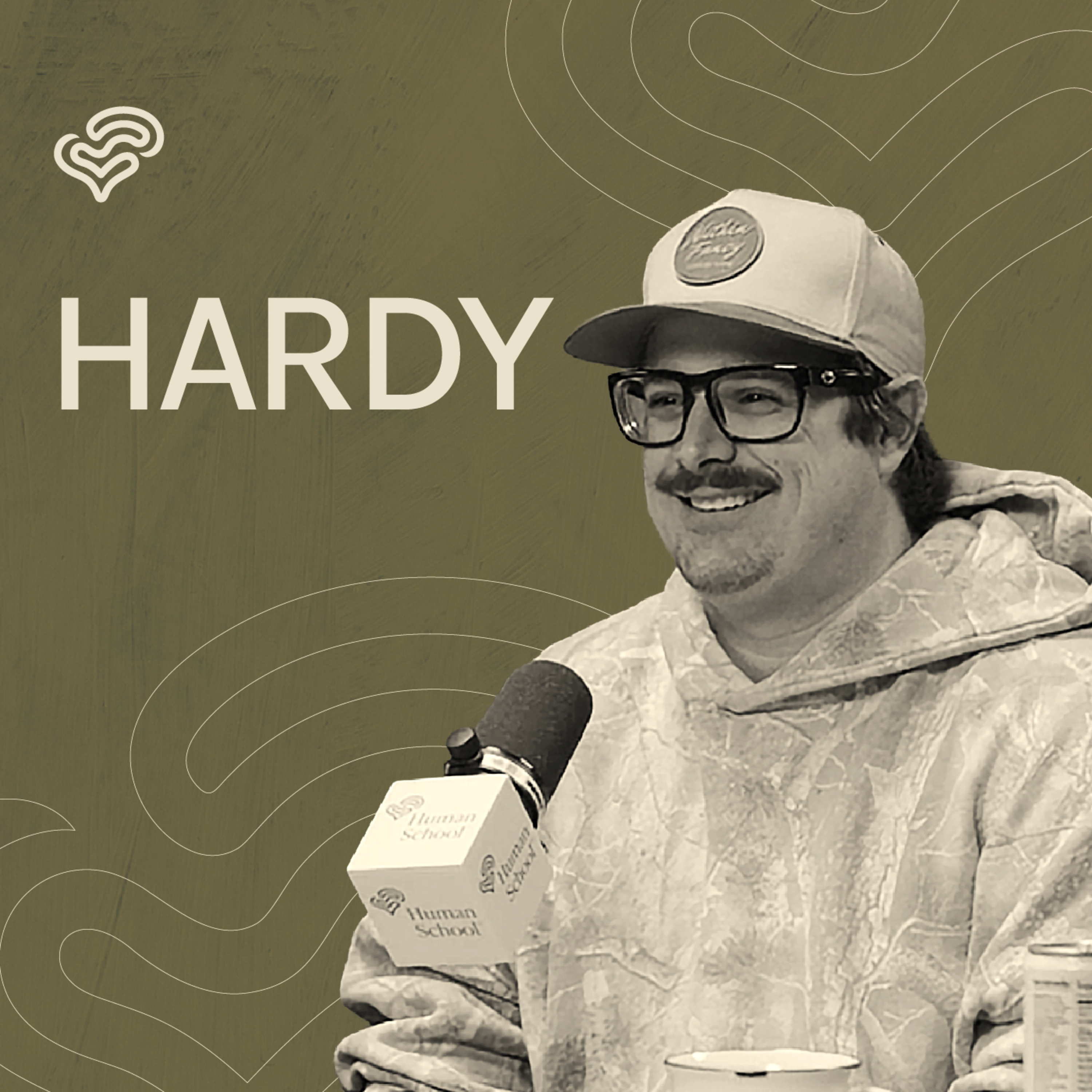
E23 · 8 Apr 2026 · 1 hr 48 min
Real healing for real people. Onsite offers personal growth workshops and intensive therapeutic experiences just outside Nashville and San Diego. Learn more at experienceonsite.com . What does it actually take to stay human when the worldturns you into a commodity? And what happens when the panic attacks you've been outrunning finally catch up with you? HARDY is one of the most respected names on Music Row. With 18 number ones to his name, songs for Morgan Wallen, Florida Georgia Line, Blake Shelton, and Ella Langley, and his own albums, including Quit and Country! Country! , he's built…
E48 · 6 Oct 2026 · 1 hr 40 min
"They said, 'We need you to stop.' And I said, 'I need me to stop, too.'" Grammy-winning country artist Ashley McBryde joins Miles for a deeply moving, unfiltered conversation as she reflects on her roots in the Ozarks, the complexities of generational trauma, and what it truly means to be seen. Ashley opens up about her long relationship with alcohol, the terrifying night that led her to treatment, and how getting sober allowed her to finally hear her own voice and recognize the person in the mirror. This is a powerful discussion on unlearning old programming, re-parenting your younger…

E47 · 30 Sep 2026 · 1 hr 6 min
What happens when the mental health expert becomes the one navigating a family crisis? In this deep and deeply personal conversation, therapist and author Matthias Barker sits down with Miles at the Transform Trauma Conference –– Europe’s largest mental health and wellness conference in Oxford, England –– to open up about his own journey through family estrangement, grief, and reconciliation. Together, they break down the real-world stuff we all deal with: why healing must come before forgiveness, the difference between setting a healthy boundary and running away, the traps of modern pop…

E46 · 22 Sep 2026 · 1 hr 49 min
What if the secret to improving your own life, health, and happiness had nothing to do with self-care and everything to do with giving back? In this episode of Human School , host Miles sits down with long-time music industry veteran and philanthropist Rondal Richardson to flip the script on how we think about generosity. Because you don't need millions of dollars or a massive platform to make a real impact. Today, Rondal shares remarkable behind-the-scenes stories from his 40-year journey in the music business—working alongside legends like The Judds, Garth Brooks, and Naomi Judd—and how an…

E45 · 16 Sep 2026 · 13 min
We spend an enormous amount of energy trying to learn how to be healthier, less stressed adults – but what if the answer isn't learning something new, but remembering what we knew before we got so complicated? In this special solo episode of The Human School Podcast, host Miles Adcox hands the microphone to his seven-year-old daughter, Birdie Rose. With zero media training and absolute honesty, Birdie shares her thoughts on art, missing teeth, strawberries and ketchup, and what makes her feel closest to the people she loves. In this conversation and reflection, Miles unpacks four unexpected…

The Melo app keeps playing with the screen off, works in the car and on your watch, wakes you to your station, and browses the whole catalogue offline. Free, no ads, no account.