
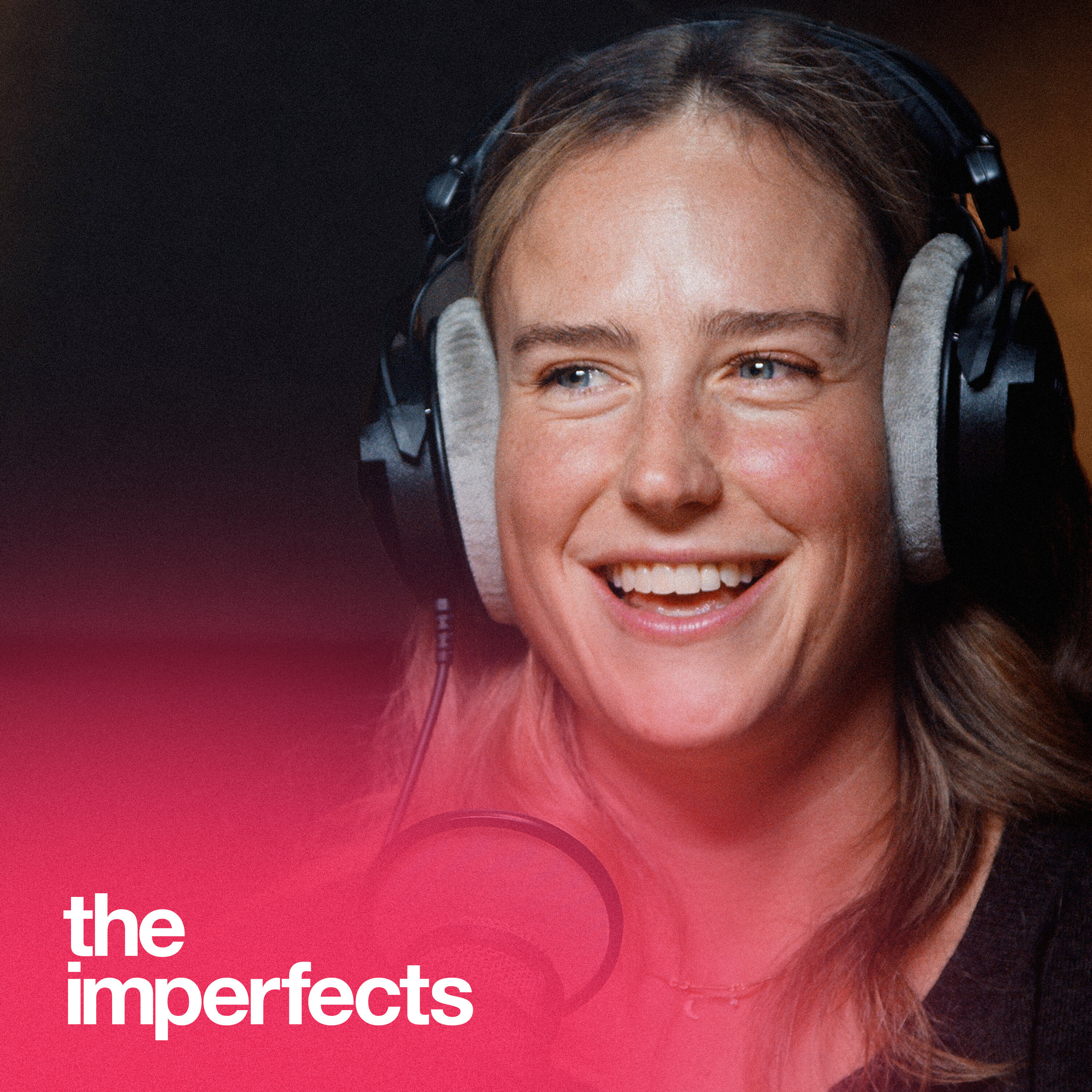
Episode notes
At just 16, Ellyse Perry was the youngest person to ever debut for the Australian International Cricket team. 13 days later, Ellyse debuted for the Matildas. 💌Join 7,800+ people getting our takeaways and favourite moments from this episode in our weekly newsletter - http://bit.ly/45NyQDy Arguably one of the greatest athletes of our time, Hugh, Ryan and Josh chat to Ellyse about how she stays so grounded amidst her incredible success, and whether she is able to separate who she is from what she does. Ellyse chats to the guys about her relationship with her dad (Josh and Hugh furiously take…
Transcript
Read the transcript · about 14,000 words, follows along as you listen
I just stood there for a second and I lifted my head and did a full 360 around the stadium and the G's, like the cauldron kind of thing. And I was just like, oh my God. For so many Australians, Elyse Perry has represented excellence for such a long time. The youngest player ever to debut for the Australian cricket team and the only person ever to have played for Australia in both football and cricket World Cups. It is an easy assumption to make that Elyse is the best athlete in Australia.
And my mum kind of looking at me and being like, are you OK? And I was like, I don't want to do it. And she said to me, like, I really think that if you don't go and try and you don't put yourself on that start line, you'll remember the feeling of that for a long time. It's about going up there and feeling what's possible and what it's like to be a human and have these, like, I guess insecurities or frailties, but still go and do it anyway. I mean this in the best way, but you don't carry yourself as someone who is like the best.
I don't stand there going, I'm a gnarly cricket player. Yeah, no, that definitely comes across. I mean, who uses the word gnarly either? And cricket in the same sense. That's a great pun. G'day, Elise Perry, gnarly cricket player. We're all imperfect. And on this podcast, I'll be chatting with a variety of interesting people who are willing to make themselves vulnerable by sharing their own struggles and imperfections. I'm Hugh Van Kylenberg from The Resilience Project.
And I'm Ryan Shelton from my mum. And I'm Josh from Hugh's Mum. And this is The Imperfects. Whoa! I knew you were going to do a cricket joke. I knew it. Oh, it's just a cricket action. Yeah. Pool shot. It was very good. Pool shot. Beautiful. Nice one as well. Am I right in saying, is the reason we're talking about cricket, obviously, Elise Perry's here today. Is it true that in the olden days when they would do the broadcast for the cricket on the radio and the wireless, they didn't have a microphone on the field so you couldn't actually hear the sound of the ball hitting the bat so they would hit a pencil or something on a wooden block?
On the table. Yeah, true. Yeah. What will they think of next? So is that AI? Well, okay. So Elyse Perry. Yes. She's one of the greatest cricketers of all time. Very exciting for so many reasons. So I was texting two different people this morning and I told them both we're having Elyse Perry on the podcast. I realized there are two people whose opinion I respect more than anyone on cricket. The first one was Australian cricket captain Pat Cummins.
And the second one was our dad. Really? Yeah. Dad knows his cricket, loves his cricket. And I told him we had a list pair and he wrote back a summary of her, basically, which was great. He said- Is that AI? He said, technically correct batter, great competitor, very athletic, with extremely good game instincts and a bowling action like Imran Khan. Wow. And Pat Cummins said, I think her first half of her career, she was one of the best and fastest bowlers in the world.
Then second half, one of the top tier batters. Not many cricketers have ever done that. Always admired her longevity in the sport and always a lovely person. Which I think is a lovely summary. Yeah, very astute. Yeah. Lovely summary. So, Elise Perry, in this episode, we speak a bit about the perspective she has on being one of the best players in the world and how she sees cricket as a part of life, not everything in life. She speaks beautifully about her relationship with her dad, which is so nice and refreshing to hear such a positive relationship between a sports star and their parent.
She also talks about her struggles with social anxiety, which I think is – I found really interesting because it's – we expect so much of sports people, I think, through their work in the media to be so – So big and so charismatic and so social, whereas she speaks really beautifully and honestly about, I think, a general struggle with anxiety and social situations, which I thought was refreshing. Totally. And you're going to talk afterwards? Yeah, there was one thing she spoke about, which I think is such a valuable lesson that she's had to learn through her sporting career, which I think we can all benefit from and we should all...
I think a great opportunity to learn through her, but just the ability to put big life events into perspective so that we can, first of all, I think enjoy them, but also as a secondary thing, like actually do perform at our best, whether it's like an exam or a speech you have to give or a meeting you're in or just a really big thing for you, putting it into perspective so you can do well at it. Great call. Yeah. They do that later. Yeah, we'll do that.
I'll do that more after. You'll do the more perspective chat. Listen to Elise. Hang out with Elise Perry for a bit. Come back. Chat perspective. Yeah. Great. Here is Elise Perry. Oh, cricket. Cricket. Right? Yep. I could go on all day about it. It does go on all day. I like battering or bowling more. This is not the question I had planned to open with, but it's just, I've always wondered, what do you like more? It's actually the question I ask every kid at a... At a training thing?
A clinic. Over the wicket or around the wicket? Right, left, tenon. Spin, pace. But don't avoid the question. Do you like batting or bowling more? I actually, I like both. Yeah. But I think mainly because it sort of keeps you in the game the whole time, as we might have just mentioned, it goes for a long time. So it's nice to do both. Would you rather make 100 or take a 5? I'm really trying to get an answer here. Oh, I feel like maybe take a 5. Yeah.
Interesting. Let's think about this for a bit. Let's spend at least five minutes thinking about this. And not cut it down. Okay. Can we please pump up Elyse Perry and explain to everyone who doesn't realise how incredible this woman is? So, like, we'll just do a tight shot at least while I read this because she's going to be incredibly awkward. It would be great viewing. So here is your bio that we've written. So just so people don't think you've written this, which I don't know why you would have.
What were the final touches to it last night? Elise Perry was 16 years old when she made her debut for the Australian cricket team. 13 days later, Elise made her debut for the Matildas, scoring a goal in the first two minutes of their 8-1 victory against Hong Kong. That is crazy. I know. Yeah. Crazy. We should probably, like, we could do a whole episode on that. That is ridiculous. 16. That's insane. Yeah. And, like, Matildas and, yeah, anyway. Yeah.
I got cast in a Pepsi ad. Yeah. So we've all done stuff. Actually, come to think about it, I was debating captain. So yeah. Not much. Kill loser. Growing up on Sydney's northern beaches, Elise spent most of her childhood outside playing sport with her brother, dad and mum. Where individual pursuits such as swimming, athletics and tennis made her incredibly nervous, Elise gravitated towards team sports with a particular interest in football and cricket.
Okay. The youngest player ever to debut for the Australian cricket team and the only person ever to have played for Australia in both football and cricket World Cups. It is an easy assumption to make that Elyse is the best athlete in Australia. Elyse has been named the ICC Women's Cricketer of the Year in 2017 and 2019. Won the ICC Player of the Decade in 2020 and has won the Belinda Clark Award as Australia's Women's International Cricket of the Year three times.
This is the first player in world cricket history to achieve 1,000 runs and take 100 wickets in T20 International Cricket. In 2016, Elyse released a series of four young adult books and in 2019 released a non-fiction book called Perspective. For so many Australians, Elyse Perry has represented excellence for such a long time, but I think what moves people most deeply about her isn't her greatness, it's her gentleness, the way she carries success without ever losing her warmth, humility or humanity.
We are so happy to have you here. Thanks for having me, guys. I mean, that's such a good point because I'm not a big follower of cricket, so I don't like these guys. I didn't quite understand the enormity of your achievements. But meeting you today, that's so true what you said in the sense that like you – and I mean this in the best way, but you don't carry yourself as someone who is like the best. Yeah. How does one respond to that? But I mean, well, I guess... Nice to meet you too.
Well, no, no, no. Now you can say something nice about me. And then you, yeah, just work. Go through each. But it is so... How does it sit? I think that's the point. Like objectively maybe I've been successful in one very small pursuit in life that like in the broadest game means absolutely nothing. And I don't mean that in a flippant way. Like I've devoted huge amounts of time and energy and passion and all those things to playing a sport that I really enjoy doing.
But... Like when I'm not doing that sport, like I'm just walking around in the world trying to figure it out like everyone else. And I don't think you can approach life with just one persona because you're good at one thing. And then get the full experience and the depth and I guess the completeness of what it is to be alive and share the world with everyone else. Do you ever think about if you had chosen football? Like if you'd chosen football, where your life would be, how it would be different?
No, I don't actually. I think because that whole experience and – part of my life. It felt like it ran a really, really natural course for lots of reasons, not just, I guess, within me, but the context of the environment at the time. When I started playing both sports, they were really semi-professional for women. I don't think anyone was really earning a living from playing football or cricket. Karen Rolton, who was the captain of the Australian team when I first came in, she worked for Australia Post.
Still does, actually, I think. Wow. Yeah, she was full-time at Australia Post and took time off work to go and play a little captain her country. That was the kind of context. And then I guess the way things have panned out since then. Both sports started progressing and particularly cricket in Australia went full-time. probably a little bit before football, and it just felt like a natural kind of evolution of not just like, I guess, my career, but for everyone.
So I never really consciously had to make a choice. It felt like it just unfolded in this like really natural, amazing way, and I was so lucky to be a part of it. I mean, I think it's pretty obvious through the bio, like how big you are in cricket. I said in the intro, like your humility, humanity, your warmth, like just so evident and so present. How do you, um, why is that the case? Why are you like that when I think when you see someone who's achieved so much and like what is it about you or your upbringing that has kept you so grounded when the opposite could be so possible?
Yeah. Uh. I don't know. I mean, sometimes I don't feel grounded. I think there's definitely an element of being a human being, of just competing in sport as well, where I feel like I get way too competitive or my ego takes over. But perhaps maybe, and I'm so incredibly grateful to my parents and all the opportunities that they've given my brother and I growing up and the support and all those things. I don't. Honestly, I can't believe it, like, that they're my parents in a lot of ways.
But I guess there's always been this part of it where it is, like, a perspective of, like, what sport actually means in the grand scheme of things. I remember mum telling me, and it really stuck with me, like I was probably, like, seven or eight and I was in the back of her Kia Portage? Mentor. I don't even know if they make them anymore, but a little hatchback thing. And she was driving me to an athletics carnival, and I was packing it. Like, it was a pretty big deal.
Like, we got to compete at Homebush, like a school athletics carnival, Baker and Primary School. And, you know, so it was off campus. We were on the way to this athletics carnival, and I was so nervous. Like, I just... I felt so sick and I didn't like, I just wanted like, honestly, if someone had said we can turn the car around right now and go home, I would have been like, yes, please. And I remember mum kind of looking at me and being like, are you okay?
And I was like, I don't want to do it. And she said to me like, well, why don't you want to do it? And I'm like, oh, I don't want to. Like, I don't want to be bad. Like, I'm kind of scared of being beaten, I guess. And she was like to me, you know, like, tomorrow everyone who's at that Athletics Carnival today, which probably would have been like five people and a dog, but everyone at that Athletics Carnival is going to wake up tomorrow and they are not going to think.
once about what happened the day before and certainly not going to like be like, Oh, I wonder how Elise went. Like, where did she come in that racing? It's just not life. Um, yeah, And she's like, but I really think that if you don't go and try and you don't put yourself on that start line, you'll remember the feeling of that for a long time. And I think that's kind of framed things for me a lot, like, ever since then. Like, the fact that I remember that conversation because it just feels like, yeah, the point of it is not to go up and win or, I don't know, like, beat your chest or...
fulfill some kind of outcome based scenario it's it's about going up there and and feeling what's possible and what it's like to be a human and have these like i guess insecurities or frailties but still go and do it anyway um and then what comes of that is entirely internal like in terms of like a sense of fulfillment um it's something that builds you as a person but it doesn't make you any better than anyone else it just helps you navigate the world better i guess And even when you're playing in a World Cup, are you still going to a World Cup with that mentality?
Yeah, I hope so. I mean, and that's not to say that like... I don't, like, have moments where I'm unbelievably nervous or scared of failing or just want to win so bad because I bloody hate England. Like, or something like that. Especially in the winter. Freezing. He gets cricket. Oh, dear. Yeah, but I think it's that, like, like accepting that you're going to have those thoughts and that's fine. I mean, that's like to say that you don't would probably be completely dishonest.
But I always bring it back to like, and so what? Like if we lose this World Cup, so what? Yeah. Like, I mean, I really want to win it and it's going to hurt if we don't. But you can kind of get over it relatively quickly because of that. I just don't think it affects me on a fundamental human level. Yeah. You're still the same person. Yeah. I mean, if we lost and I was an absolute dirtbag in a terrible sport, it probably would. Yes. Okay. But losing because someone's better or you made a mistake or you just weren't as good as you wanted to be.
Like, that's just a lesson. That's amazing. But it's the same thing on a bigger scale, obviously, but most people who watch a World Cup final don't wake up the next morning or the next week thinking about it. Life goes on. He's saying that, and I know because obviously the way that we've introduced you in this episode and the way that I imagine most people introduce you, it's all about really your sporting achievements. But I just wonder if that bothers you at all.
that you think that about me? That people would just think that, oh, Elise Perry, cricket legend. No, that doesn't really bother me. That wouldn't bother me either. That actually sounds pretty good. Brian Shelton, cricket legend. I like that. Sorry, continue. Yeah, so I cut you off. No, it doesn't bother me, but it would really bother me if that's what I thought of myself. Wow. When we have a psychologist on the show regularly, Dr. Emily, and recently we did an episode for our subscribers on identity and I came into it with this.
I really struggle with the question of like who am I and especially the thing that occurred to me is like, God, if I lost this show, like this didn't exist and the worst possible thing happened and I didn't have my wife and kids anymore, I think I'd be no one, like I wouldn't be anything. And out of this discussion, I had like a light bulb moment that I'd never occurred to me before that I'm, I'm not those things. I'm the way I do those things. Does that make sense?
Yeah. And I wondered, what is it about the way you do life that makes you, you? I really, I really liked that way of framing it. Um, Yeah, the other way I've kind of heard it is like when someone asks who you are, like it's just I am. Full stop. Yeah. Which is pretty hard to like stop yourself there. Yeah. Very hard. Because grammatically as well. English wasn't a strong suit. I am. Do go on. You keep stopping. But yeah, I mean – That's so much of that is just a feeling within yourself as well.
Like whether you live to the line of where I guess like not to be too woo-woo, but like your inner being pulls you or whether you live to a line that is about, well, if I do this, people will like me. Or if I accomplish this, I'm going to feel great. Or if I win this, like that'll be, that'll be it. That's when I'll like, like myself kind of thing. Yeah. Which I've fallen for a lot in life, I think. And so have I. I think we all do at various times, like...
I could not sit here and say that if I get out for a duck in the next match that I play, that I won't have a moment where I'm like, this is really affecting how I feel about myself. And I think we all do that to various levels. I guess it's probably just recognizing that and accepting it. And then in some time, in some way, shifting that back to, no, like, I'm just me. And how I navigate that world needs to be in line with how I want to be. on a very fundamental human level, not how I want to be because I play cricket or I'm an athlete or I'm a daughter or anything like that.
Yeah. And I think sometimes that shows up most when you interact with a stranger. Oh, yeah. On any given day. Yeah. Can you explain more? Well, I think like... If you give them the time of day. And there's days where I am so far in my own head and so concerned about something to do with me that I can't see a fellow human being next to me for them. And there's other days where I'm like really, I guess, calm and composed and just present. And that person next to me is, I don't know them from a bar or so, but they're the most interesting person in that moment.
And you want to know more. Yeah. That lights you up. Yeah. Are you okay? Like if you were to say fluff an opportunity to be that person that you want to be, do you feel a sense of sort of shame or guilt about it? Does that? I think firstly I kind of feel a sense of, okay, well, what's going on? Why am I in this space? And then if it's kind of something that I don't love about myself or a characteristic that I would rather not do, then I'd feel guilty, yeah.
You know when you turn up to your family's house or you see mum and dad and you're just like... walk away from it and you're like, damn it. Like I was not as good a daughter as I could have been just saying because I was distracted by X, Y, Z and I know that they love me unconditionally. So I just let my guard down. But then that's how you showed up that day. Like what can you do other than. Yeah, keep trying. Should I begin the next day? Yeah. In that situation, would you ever, like, reference it to them?
Would you ever say, would you ever, like, message them afterwards and say, I was not 100% still thinking about the duck? Yeah. Would you reference it and talk about it? 100%, yeah. Yeah. And I think the thing that I struggle with is that my parents are just the most incredibly amazing, like, unbelievable people is so forgiving and they just accept me for how I turn up. And maybe that is what gives me the capacity like in the broader world to go out and, and try really hard to be that open kind of gracious, hopefully like nice person, which I'm not all the time.
Like, and that's the point that's because I'm a human, but we're all flawed. But yeah, I think mom and dad have always given me that space. Um, Even when I chucked a tantrum in the nets with Dad when I was a kid, when he was throwing me balls, I was thinking, why have I brought her down here again? How old were you then? 20. Getting ready for your second World Cup. Well, that is – I mean, that interests me so much. My daughter is six and she had her first ever sporting event the other day.
It was cross country. Oh, that makes me nervous. Yeah. Well, it made me nervous for her. She didn't really know what it was. It comes as bliss. Yeah, absolutely. And all the girls lined up together and I had to run – I think it was a K – It was an amazing memory that I will cherish forever. I decided to not talk about what it was because she was just excited. She said, we've got cross country. I said, what's that? She said, I think we're running.
That'll do. And then she got out there and I watched her line up talking to her friends. And the whistle went off and I could see her going, what are we doing? And just ran because everyone else was running. But there was one point I saw her running sideways so she could talk to the person next to her. But I remember afterwards I said, oh, my God, you came third and you did some of it backwards. That's amazing. And she said, yeah. And I saw Benji cheering for me.
I heard him yelling my name. And that's what she was excited about. And that's what I was obviously excited about as well. But people were trying to congratulate her for where she finished in the race. She didn't even notice that. I don't think she even knew the aim of the race. The joy she got from her older brother cheering her. The thing I'm thinking about most in my life right now is how to father my daughter. Like that's getting that relationship right.
Yeah. And that felt like a big moment for just, you know, with me and Elsie, just like the way I was with her for half an hour after that, just chatting about it and that night we reflected on the race. It feels like a sadly unique scenario where a lot of extremely successful sports people, their dad has been, their influence in life has been questionable. You seem like you have the perfect dad. What could I learn from your dad about how to be a good dad?
Oh, firstly, you sound like an amazing dad, but I, yeah, I think it's just, it's just that it's just going along for the ride with each other. And, and not having some, I guess, grand plan of where that's going to end up. And I think as a kid, like reflecting on that, you feel that the genuineness or the intent from your parents, like even if they're trying to hide it, like I think you know exactly what. what things are about you might not be able to articulate it but you get a sense of your parents expectations and I think for for me growing up I just all my memories and and still what means the most to me from a cricket perspective is just spending hours like in the backyard down at the park You know, at the local swimming pool, it didn't matter where, just being active and learning new skills with mum and dad.
And that kind of transversed into being in the nets when I was old enough and getting my first bat and learning technique and then... You know, we had a bit of grass next to our house at one point, so Dad taught me how to kick left and right-footed. But none of that was with, like, this intent to go anywhere with it. It was just learn the skill, enjoy doing it, and spend time together. And I think that has fundamentally given me this amazing kind of reason why I do things because it's like it all stems back to just the joy of learning a new skill and working on something and progressing something with Dad.
Dad's the last person I speak to for every game that I play. One, because a big reason why I play is because of this connection that we've got and what we've shared. And I think, you know, whenever I walk out on the field, like I never feel like I'm just walking out by myself to do this. Obviously, I'm in the team as well. But, like, in terms of, like, I don't ever carry everything by myself because it's just kind of like I might be, like, the physical embodiment of it.
But, like, yeah. Dad's always been there. We've always worked together. It's like this shared space, which I love. And so, yeah, I still look to him for all of his advice and wisdom and perspective as well. Very specific parenting question. When you did have a tantrum in the nets, when you were in the net. I was going to ask that, actually. What did he do? Exactly. Word for words. My dad is like the most placid, docile guy. just not fazed by anything.
I'm pretty sure he just used to stand there and just let me have at it. And it didn't happen a lot. But when it did, yeah. And then, like, he did kind of just peter out and then he just threw balls again. But, yeah, I mean, there's probably been a quiet word in the car on the way home. Oh, like, Dad, can I get an ice cream? Not today. That's where I'm going wrong. Yeah, me too. So you've spoken so beautifully about the relationship with your dad in sport and what an amazing figure he's been.
Is that relationship and sort of advice extend outside of sport? Do you have a similar relationship with sport? Yeah, well, fortunately slash very unfortunately, Dad was a maths teacher as well. At the school you went to? No, thank God. But, yeah, we did lots of times tables in the car. We used to dread a red light because it'd be like, right, six times six. 36. We get going. It's one of those, the only bit of maths that I remember. Same. Yeah, and actually I missed a lot of school towards the back end of high school and I vividly remember Dad teaching me basically the entire maths curriculum one weekend before the HSC exam and I was just bawling, like in tears, sitting there like, I hate this.
Fair enough. But he was so good and he'd go and get me a hot milo. Just to ease the pain. Good for you. He's just the most patient, placid man and just always bends and flows with his family. And so I think no matter what I've kind of been going through, he's just constantly there. He doesn't have a strong opinion on how I should do it or why I'm doing it. He just is interested in me and what I'm doing. There's a couple of things I would love to ask you about.
I think if it's okay, I wouldn't mind reading you just a small passage from your book. I am naturally pretty shy, especially around new people, and I practically have a phobia about having phone calls with strangers. Yeah. Being on my own in a social situation with people I don't know is probably the most uncomfortable situation I can imagine. My immediate reaction to anything that involves meeting new people or being in a public setting on my own is to run away or avoid it at all costs.
I think a lot of people would experience, but they wouldn't expect it from someone who is just like so accomplished and so successful. How do you work through that when so much of your life, I'm guessing, would be meeting people you don't know and being in situations that feel a little bit uncomfortable? Yeah, I think you've just got to be open to it. And I guess in that sense, like, fight every urge to, like, cower within your own shell. Actually, this reminds me, it's a bit of a random story, but last year I went to a retreat in New Zealand.
I've never been to a retreat before, but... What sort of retreat was it? Like a health and wellness retreat, I suppose. And part of it was one of the days we fasted, but we also didn't speak. So it was a silent day. Did you know the people on the retreat? My best friend was there, but everyone else was strangers. There's 20 of us. Most amazing people I've ever met. Still in contact with quite a few of them. Yeah. On this day where we were fasting and also it was a silent day so there was no verbal communication with anyone.
And perhaps because of this, like, everything was heightened. But, like, I'd be walking on the property and you'd be approaching someone, like someone I didn't know that well. from a distance. And I realised for the first time ever how anxious I am about initial interaction with someone because I'd see them and my mind would be like, oh my God, what am I going to say? Make sure you're not weird. Make sure you make them feel great. Like, oh crap. And then this whole sense of relief, I don't have to say anything.
And it took so – or it gave me so much mental energy back when I realised for this day I don't have to overthink every interaction that I have with another person. Even when you're talking? Yeah. It was more so that day. I was like, oh my gosh. What a realisation though. Yeah. How much time do I spend overthinking simply saying hello to someone, let alone having a full conversation with them? I really struggle when I'm anxious or just shy or panicked.
Yeah, awkward. Like, making eye contact is really hard. Standing still and just holding myself in a composed nature, like I'll always fiddle with my hands or sway or something. I just, like, the energy that I need to kind of get rid of, like, somehow or another. I definitely find it, yeah, really tricky to just be still in a space and engage with someone directly. Yeah, yeah. Yeah, and it really blew me away that that's the case. And I think it actually, to a degree now, when I am in situations, I'm like, okay, you're just saying hello.
And what happens from there? I feel like I probably think three steps down the track. Okay, so I say hello, and then what do I say? And then what do I say? And it's like, actually, relating to another human being is a pretty natural instinct. I just go with the flow. But, yeah, I never used to do that. And it wasn't until that day that you couldn't actually speak to people that I was like, oh, my God, I overthink all of this. What a realisation. Yeah, that's amazing.
I mean, I think people – I find that surprising that someone who is so accomplished would struggle socially because my assumption would be that – you'll always feel like you'll fit in because when someone asks the dreaded question, like, what do you do? You've got a really good answer, you know, that people will be generally impressed by. Unless you're in England, but other than that. But I guess like there's a comedian, he's been around for a long time, a guy called Frank Skinner, a British comedian actually.
And he once told a funny story about... it wasn't really a story, he's just sort of saying like he only holidays in places where he's recognised. So because he hates the feeling of not being famous because it just helps him feel like it helps with his anxiety, I guess. It's like he'll only go to places where he's healthy. Anxiety or ego? Probably both, probably both. But it's funny because he's so upfront about it and open about it. But does that like...
I don't know. Does that resonate with you at all? Obviously, you're not the same in that sense, but is it more comfortable for you if you're in a room where everyone in the room knows your successes? Does that make it easier or does it not make a difference? I probably think it's the total opposite because then I think you perhaps need to live up to someone's perception about you. And you almost start on unequal footing because they've seen you before.
They've made assumptions about you based on what you do. And back to that conversation that we're having about identity. In any interaction that I have with anyone, I don't stand there going... I'm a gnarly cricket player. Yeah, that definitely comes across. I mean, who uses the word gnarly either? Yeah, yeah. And cricket in the same sense. You probably should. That's a great line. G'day, Elise Perry, gnarly cricket player. Oh, my God, I'm such a loser.
I used the word gnarly a lot in our conversation yesterday as well. Did I? Yeah. It's a great word. It's the end of the month. Yeah. I just thought, like, maybe I should use that word more. For less is easy, I know. Yeah. Silent G as well really gets me. It's a brilliant word, really, isn't it? Gnarly. Gnarly cricketer. I don't think anyone's been ever described as a gnarly cricketer. No. Not until then. Let alone self-described. Self-described. Yeah, all that stuff I was talking about being humbled.
On your next podcast, our self-described gnarly cricket player, Elise Perry joins us. But, yeah, so I think that can sometimes feel like... Yeah, it takes out like the genuineness of a conversation. I really relate to that. I really do. We did a national tour last year and the year before and the first national tour we did, we actually hung outside the venue and met anyone who would come and chat to us. talk to them and I found it exhausting. Like I love meeting everyone, but I found it exhausting.
So I remember thinking, someone talked to us and I'd be thinking, but I've said all my best stuff. You've heard all the best stuff I can possibly say. It's not going to be as good as what I said on stage. So this is not going to, you're not going to, you're not going to get used. You'll be disappointed. This is going to be, whatever I say now is disappointing. And I just, every single person that came up to us would be like, this is going to be disappointing.
Whatever I say, I'll be disappointing. I don't think you guys, I think you guys really enjoyed it. I think you guys were. But I remember, I was just, I remember. All the attention was on me. It was great. But all I'd say, I relate to that feeling of like if they know who you are, there's an expectation. I don't know. I find that a bit stressful. Yeah. It's like this when someone asks you a question and I think they already have an answer in their head and you don't deliver that answer.
I like see the disappointment on someone's face. Have you got an example? Like what do you mean? Like what's – Oh, it's a great question. Like I feel like – oh, you must be really excited about that game coming up. And I'll be like, oh, yeah, like it'd be good, I think. But like, I don't know, like I'll just downplay it or whatever. And they're like. Yeah. how can you not be excited about that game? And I'm like, I haven't thought about that game.
And I don't know, that's a terrible example. No, that's a great example because I think like that sense of it means so much to them, the game, and this is like their moment to talk to you and like share the excitement and the fact that you're not as excited or, you know, as they were hoping that you would be. It's sort of like confusing. It's like, hang on a second, what? You're supposed to be like so pumped about this. Yeah, and I think it's just like that you've got this idea of me and now you've got the real me and there's a big disconnect there.
Yeah. And I'd probably rather talk to you about not cricket, but that's what you want to talk to you about. Of course. So then like trying to find that, or I'm more interested in you than talking to you about like, you know, I don't know. whether the ball bounced on that pitch a lot, like, if you know what I mean. I don't know. It's a terrible example. But, like, yeah, I think it's just perfect. No, no, but that's, like, first thing Hugh asked today was, like, do you prefer batting or bowling?
I think he asked that facetiously. He did, he did. But that's the sort of question. Sorry, glad you picked that up. Yeah. It was definitely facetious, but it's a good example of if someone has their moment with like an athlete that they really love in a sport they really love. Yeah. It's like their moment to talk about that. It's like, oh, get an insight. I'll get a little bit more than they don't get on when they watch it on telly or whatever. But it's, of course, that you're like, that's not my whole life, you know.
Yeah, and then I think really in that situation, like the best thing to do is just actually match that person's expectations and excitement because I think that would probably be the kind thing to do. But then is it like genuine? No. So then it drains you a bit. Yeah. Maybe the same thing as like meeting people outside of the show. Like you kind of bring this persona because like that's probably what they want. And that is like to me that's a bit like, oh, I've just lost a part of myself doing that.
Yeah. It's kind of like the persona versus the person. It's like you're putting on a bit of a performance, I guess. Yeah. So it still feels like work, whereas I think all the best parts of life are like just genuine interactions. And often like friends... you know, that you make, like you need, like, well, I find these days anyway, I connect with people because there's just this sense of like, oh my gosh, there's something in the air. Like we're just like connecting and for whatever reason, your energy and my energy and everything.
I haven't touched on what you do or who, like, like what your job is and you haven't touched on that. But like, we're just like finding all these crazy, like things to talk about and like be interested in each other. But it's hard to contrive that. It just happens rarely. Totally. So I met you in 2020, right start 2020. It was just before your World Cup campaign. I was very lucky to come in and speak to the girls. It was an absolute career highlight for me.
It was just incredible. It was awesome. The guy introduced me, went on about my cricket for way too long. I was mortified. He wrote way too much of the bio I gave him. He went past the highlighted person. It was – He must have paid, isn't it? And so soon after that, the World Cup campaign started like days afterward and it was a home World Cup, which is so exciting, a highlight for any sports person. At that time in your career, absolutely, you were without question the best player in the world and a lot of the attention was on you and a home World Cup.
Progressed to the rounds nicely and then in the last final before the actual final, you tear your hamstring off the bone. Proper tendon rupture, which is just horrific. And then Australia go on to play in the final against India. Sorry to bring this up. No, no. It's absolutely fine. At the MCG in front of the biggest crowd ever for a women's sporting contest. And you're on the sidelines. How did you deal with that? I mean, the disappointment must have been, I'm guessing looking back on career to be one of the most disappointing moments.
You seem to handle yourself so incredibly well, but I'm guessing on the inside, it was really painful. Yeah. I mean, look, it's sort of a weird experience, all of that, actually. Yeah. Because on one hand, like, the whole moment and, like, period of time for that World Cup and particularly the final where we had, like, nearly 90,000 people at the MCG for the final, which was, like, completely, like, unheard of for women's cricket at that time and, like, a real watershed moment.
Just that moment or that period was so much bigger than any game that, like, Part of me was, like, just, like, amazed to be a part of that. And it wasn't really about playing or being involved in it. And maybe that, like, kind of in some ways kind of softened the blow of not playing in it and just experiencing it and seeing it as, like, this amazing moment for so many people. And, like, everyone owned it and also completely didn't own it. Like, it was just, it was so cool.
But, yeah, like on the other hand, like missing out on something that you would desperately love to be involved in. Yeah, it was kind of bittersweet, I guess. And I remember the one thing I do remember from that was the girls were amazing and I stayed on with the team after I got injured and they insisted on me walking out and singing the anthem with them before the game. I remember like because I didn't have to run off the field to get ready to play I just stood there for a second and I lifted my head and did a full 360 around the stadium and the G's, like the cauldron kind of thing.
And I was just like, oh my God. And I remember feeling quite emotional and being like, oh, I'd love to feel what that would be like to bowl a ball out in the middle today or hit a ball. But... Like, it just wasn't, it wasn't written, written like that for me. And that's like, yeah, it's not something that I guess I dwell on because I still had some amazing experiences. But yeah, it was, it was a tough one. You've been at the forefront and you speak about that watershed moment in Australian women's cricket.
When you started, you were speaking about the fact that it wasn't a profession nowadays. So you've lived the transition. What are your feelings around how far women's sport has come but also how far you'd like it still to go? Yeah, it's amazing. I think... It's phenomenal how far it's come. It's also not like in the sense of like, I guess, like the way that society has shifted and there's been so much change and growth in that space. And I think sometimes sport mirrors or even like precedes like a general change in society.
And I think the role that women play more broadly is so much more evolved and advanced than, you know, what it used to be. And in terms of equality, like there's been no better time to be a female in lots of respects. But specifically from a sports perspective, like to kind of live that out, it's easily like my biggest career highlight is to just like to kind of been fortunate enough to play in an era that's seen that transition and growth. And one of the coolest things about it is like now when we play games, you know, at the end of a game around the fence.
There's the same amount of young girls and boys lining up to meet the players and get an autograph or a picture. And I think about that like 10 years down the track, they're going to be 18, 19, 20 talking to their mates about what they want to do on Friday night and they'll just be like – Let's go to the WBBL. Like it's nothing. You know, whereas I think it's probably still a small, like it's a small element, but there's still an element at the moment.
Like we'll go to the women's cricket or the women's soccer or the women's rugby, women's AFL. So there's sort of like that defining characteristic that kind of sets things apart. Whereas like to me, like trill quality is like, you just talk about it, like in the same vein. Yeah. So that perspective. And then, like, I guess the other part of it is, like, what's possible from, like, a commercial perspective. And I don't know how I feel about that, like, because I think there's so many special elements about women's sport that seems, like, so authentic and accessible at the moment to, like, everyone that the further down the track you go, like, in terms of, like, professionalising things or putting more, like, financial kind of stimulus around the sport, maybe it loses some of that.
Becomes a bit more commercialised, a bit more corporate. Yeah, potentially. But then I also think there's so much capacity and space there for the sport to grow and become even more lucrative. I just really hope that that happens in a really like – authentic way, I guess, like a way that is, it doesn't just follow the blueprint of how male professional sport has gone and where that's landed, but actually like goes to a pattern and vibe that fits women's sport.
you've mentioned a couple of times ego and just the idea of ego. I've thought a lot about it over the last like 10 years or so and just in relation to my own and just trying to like reckon with it and trying to understand like what is, when am I doing something from like an egoic place or not? And it's a really fantastic, fascinating area. Have you thought much about the idea of ego? We all have an ego, but even how would you describe your ego? How would you... Yeah, I think I have actually.
I've never thought to put descriptive words to it, but I think... you know, it's kind of designed to protect us in some respects. Like I guess at like an elementary or fundamental level, like it's there to protect you as a being from threats. So whenever I feel like I'm – like a lot of my behaviour or actions or thoughts being like sort of coming or derived from my ego, like I feel like it's when – I'm fearful, I've got some kind of doubt or some kind of complex about something and I'm trying to prove to myself that, like, I'm great.
And often that means, like, pitting yourself against other people. And I know that that... brings absolutely zero peace or joy to what you're doing. I think it becomes a bit like survivalist. Like I think that's the way I've thought about it. And then – And then how your ego interacts with others. And, you know, if you've got two people in that same sort of disposition, it's so ugly. Yeah. Gross. Yeah. Loggerheads. Yeah. If you're the one being like that and someone else is like, you know, completely calm and like devoid of their ego at that point in time, how ugly that makes you feel.
Oh, yeah. It can also bring you out of it though, I find. Yes. If someone can meet you with compassion, it can break that fear down. Yeah. Yeah, I totally agree. And I think when you go to the root of it, it's like all of it is so materialistic that comes from your ego, I think. It's always about something that's not within. What do you mean by that? Well, like when I think about when I'm becoming egotistical, it's all about like outcomes or status or like rewards that have nothing to do with my internal fulfillment or drive or like state of being.
It's all like, oh, I'm better than them or I need to win this to prove to people that like how great I am or if I say this and prove them wrong. That makes me more attractive. Yeah. So, yeah, I don't know. I don't know. How would you describe yours? Pain in the ass. Yeah. I read a thing years ago. I think I forget who, right? I think it's like Hugh Mackay. I think that's his name. Australian social scientist. Yeah. And he wrote something in one of his books, which is essentially like at any given moment, as humans, we're always assessing, are we the high status or the low status in a room?
Like, are we up or down, basically? And I think when I'm, if I'm doing that unconsciously. And I can sense myself trying to get high, like trying to kind of essentially like win, like not win, but be the highest status. That's when I get, when I look back at my life and think of all the times that I've tried to do that. They're just, they're the times where I feel like my ego has really got a hold on me. And it still happens. And whenever I am conscious of it and I'm with someone and I'm like, oh, I'm trying to get up here and I can catch myself and just be me or not try to win or be the best, that's when I feel like I can get a little bit of a handle on my ego.
Yeah, and I think that's so true. Like, it's not just like, like, you can feel it. Like, you can feel your own ego and you can feel someone else's. And what that does to an interaction or the, like, Yeah, the mood or the energy or people's responses in a room when there's like, when your ego is really strong is kind of scary. Like you walk away from it and you just, you don't feel like. Connected. At all. Yeah. Whereas when you can, like when you're devoid of that and you're in a space and you just, the connection is amazing.
on social interactions I feel a lot of pressure to be sometimes I don't want to be chatty I just want to be sort of quiet and introverted I enjoy people but I get nervous around people and even old friends I feel this pressure to be really charismatic and extroverted there seems to be a social kind of construct and belief that extroversion is better than introversion and and I don't know, I might be projecting, but it feels like the way you've talked about social interaction and just generally being is that you're somewhat introverted as well.
Have you ever felt that pressure that, like, one is better than the other? There's always a question in those, like, bio pieces or, like, you know, snippets for social media or whatever it is, like, who's the funniest teammate? And I remember thinking, like, I never get a vote in that. I'm not filthy about it at all. I like you never get chosen as the funniest. No, I never get a mention. You know, it's sort of like the same crop of people come up.
But then, like, I kind of think, well... And you need both because, like, extroverted people set a great mood and vibe and, you know, bring people together or, like, create an energy in a space, which is wonderful. But introverted people give them that platform and probably, like, see things a little bit more broadly in any given time so that, you know, like... If you're a little bit quieter and reserved and you're sitting back and you might pick up on someone over in the other side of the room who's actually kind of like not responded well to something because they're not quite great or – and you see that and then that's something you can pick up on like as a teammate.
And I think there's different strengths to both and you need both of them in a social setting and in the world more generally in a family for it to all kind of work well, I guess. But the stigma, yeah. I mean, because it's much easier to be in a room... like extroverts because it's like stuff just happens. But I think some of my most deep and meaningful connections are like in those quiet moments of like conversation where like neither of you are particularly extroverted and it takes a lot to talk like deeply about something.
But they're often more profound conversations too. Absolutely. Yeah. I don't think it's, I think it'd be pretty obvious that I feel that way and behave that way. But I think it's interesting for me that I feel like a lot of my closest friends are kind of the opposite to me in a social setting, but then also have the gear where they can go into that very deep conversation. But I think, I've always been very attracted to sort of charismatic, extroverted people and want to be around them.
And I think you've summed it up beautifully that I think it works well as a compliment. They compliment each other well when it's. When you're allowed to be yourself, I guess. I feel like they've probably been drawn to you for the opposite reasons. Like you provide a platform for them to express themselves publicly, but then also a platform to be more introspective or deeper in another space when it's appropriate. And I think that means a lot. I hope I haven't mislabeled you at all as a sort of introverted person.
Has it been challenging for you? That's a very nice thing to say, by the way, and very true. It's so accurate. Yeah, sorry. I should have said I'm just not great at accepting compliments either. I'll accept it for you. He accepts it. I accept it. It's great. We did a podcast again. Silence. It's called Our Greatest Achievements. Yeah. What I wanted to ask from that position is that so much of your, the job, there's like so many parts to your job as an elite sports person, but part of that is sort of performing in front of a camera and performing in interviews and doing things like you're doing today.
And I think hopefully today doesn't feel like a lot of those, but that must be so bloody hard. Whoever invented TikTok. Oh, God. One, because I'm 35 and I don't fit the demographic but somehow I still get asked to do TikTok things. But that's kind of an expectation that's placed on sports people. Yeah, I mean... I read something once which really resonated with me and it was a psychologist talking about like balance, you know, and often when we talk about having a balanced life or living a balanced lifestyle.
Like we talk about time. So how much time do you spend working versus being with your family or working or playing? And she really reframed that to, like, to me balance is about energy. So whenever you have to do something that you find really draining and takes away a lot of energy, like how is that balance with the things that give you lots of energy? Yeah. As a bit of an introvert and also as just things that I love doing. Like, I could train all day.
Like, that gives me so much energy. I love it. Like, it doesn't feel like a job I lose track of time. But if you ask me to go into a photo shoot, like, that's the longest day of my life for most of all reasons. Um, and so like the amount of photo shoots that I would do a year, well, because I don't get asked to do that many photo shoots, but like it wouldn't be many because if I had to do them all the time, I'd, I'd be so drained and I'd be a terrible version of myself.
Um, but there are things that you have to do, like, you know, same with like functions and that kind of stuff. Um, so then I just like try and find things that give me lots of energy back, um, And that's been a really nice thing because I think in modern day life, it doesn't really matter what you do as a vocation. There's not really a lot of balance to it. No. And especially if you want to be really good at something or you want to give your all to something.
Like from a time perspective, it's just, you know, especially when you're in the thick of it and you're grafting and you're trying to like master something. Like that takes a lot of time. But if it gives you all the energy in the world, then like I think that's a great thing. Yeah, absolutely. It's been such a wonderful conversation. I feel like there's so much – I mean, I was – there's a few things I want to touch on, but we just went to so many places that I really feel like will be so helpful to so many people.
I think especially when I think about – It's kind of like why this whole podcast started. We wanted to chat to people who, from the outside, you go, well, they've got everything, life's perfect. But then to hear what life is actually like and to hear that you are such a deep thinker with such profound insight into the way you move through the world. For me, it's been really encouraging to think about the way I live and the way I relate to people.
Yeah, that's amazing. Yeah, but do you want to – should we talk more about cricket now or do we – Just have a bowl out there. There's a lot of room. Yeah, that would be awesome, wouldn't it? I know we're just joking, but that would actually be great. I've got a bat and ball in the car. No, I don't. I need you to know I don't. I don't. Do you have any more nuggets of wisdom perspective that you can impart on us mere mortals? I'm far from wise, far from wise.
And also, I was actually thinking about, I haven't seen that book in ages. Your book. That book. But it reminds me, like, so I guess that's the point in time. Like, I would never read that again because I think I read – Other people should buy it and read it. I think you get it for free. They give them away as kindling most of the time. But, yeah, like, I kind of look at that and I can't remember when – maybe it was 2020, so what's that, six years ago – It's like the minute you finish writing that, you are not the same person.
Yeah, so true. So when I saw it on the desk, I was kind of like, oh, what is in that? Because it's probably intriguing in a way because there'd be things in there. I'm like, what were you smoking? Yeah. Well, that surprises me. What were you smoking? I wouldn't have thought that would be part of the health regime for a professional. Passively, passively. Yeah, of course. Yeah, so I guess that's the point. Like it's just you are constantly growing and changing and I think just being open to that.
But is there one main difference that you know in yourself since you wrote that book? Like how have you changed? Is there one thing that you think, oh, this is how I'm different than when I wrote that book? Um, I think I know myself better and quite contradictory to that is that I know less than probably what I thought I knew in that book. Oh, wow. Yeah. About yourself or about the world? Um, about the world, I think. Yeah. So, like, I always kind of think the stronger my opinion is, the less I know.
Because once you know something deeply, there's so much grey. There's no black or white. Yeah. And I mean, that only really comes with time. Yeah. That's a pretty good nugget of wisdom. It's going to be roomy. It resonates with me a lot. I feel like, and it's exactly what you said, but I certainly feel like the more I understand myself, that just generally the more I just feel like I don't understand the world. Which is a nice feeling as well, Eric.
Yeah, and that's the thing. It's good. It makes you more accepting about this, I've found. I'm going to stop rambling, but I probably had a really strong position on how I think you should be as an athlete at one point when I was younger. dedicated to the cause, you know, like training really hard and this and this and this and this and like this routine and this level of fitness. And I think about that now and I'm like, it's just crazy like to put that kind of imposition on anyone like because we're not robots and like there's no right or wrong way to do anything.
Yeah. And that's why there's so much magic in the world because people find all these obscure ways to do things. True. It's kind of like – I think that's sometimes when I meet someone who's very judgmental of someone. Like if you're very judgmental of how someone's living their life or the things that they're choosing to do – None of us know what's right or wrong, but when you hear someone make a really kind of harsh judgment on someone else, it sort of sounds like you're coming from a place of knowing.
Yeah. And that's just so liberating to not to know. A hundred percent. Yeah. And this is maybe a little bit controversial. And it's just my opinion, which means nothing. But like even when people are so strongly aligned to a set of values or words that like they come back to like and that is that might work for some people. But I've kind of realized for me like if I tried to literally live this word every single minute of every day, I would fail regularly.
Yeah. So, like, to hold yourself to that kind of account or hold anyone else to that kind of account is so fraught with danger because at some point you will, like, have mud on your face because it's just how the world works. The minute you think you've got it sorted, something else happens. In the same way as the minute you think you know something, you know, your mind changes. Yeah. That kind of comes back to the grammatically awkward sentence you said earlier of just I am, which is sort of a lot of like presence.
This is like very present, like just sort of like taking life as it comes and just being and just sort of like reacting and taking it all in. Which how often do you reckon you do that? Oh, 100%. I'm always so present. Past, future, do not exist. No, I do it so, so little, but it's my ultimate. If I had a genie in a bottle, my three wishes would be present 100% of the time. Yeah, I mean, because 30 seconds is bliss sometimes. And then when you get a whole space of it, I think that's what makes performing in a sports sense.
Everyone talks about flow. I think that's what's so addictive about it. It's like, oh, my God, I've actually escaped all this, like, regret and all this anxiety about the past and the future. And I am just here like, and I am. It's the best, isn't it? Yeah. How often do you reckon you're present? Not often. Like, not often enough. And then I think about, like, so we had a training camp last week. It was our first one back. And the whole week, for no particular reason, I was just, like, nowhere.
Like, every time we were in the nets, I was thinking about, oh, what am I going to have for lunch? Oh, what have we got next after this? And I just could not focus. Like, yeah. Properly. And it, like, carried throughout the whole week. And it was driving me nuts. And, like, yeah, like, trying to find the reason for that was, like, really interesting. I was, like, I was actually really nervous about, like, being back with the team for some reason.
Like, I'm, like, okay. Yeah. This is kind of like I've been here a few times before. People are probably getting sick of me. Like, you know, I'm closer to the end of my career than I am the start. I really want to show up and be, like, another really good version of myself for this season, and this is the first one, and I'm really worried about, like, all the different things that I'm doing. Is it still good enough? And that just permeated through the whole week.
In actual fact, like, if I just went and batted in the nets and just were there and present for that moment... all of those defining things about me being a bit older or being here for like too long or like, am I still good enough? Would have gone out the window. I feel like people should just like rewind the last two minutes, listen to what you just said again and imagine like apply it to like how to live life, not how to play cricket. Like that is like such a, it's such an incredible, um, I don't know if it's an analogy or a metaphor, but it's, As a way to think about that as a way to be present and why and the benefits it has, that's so helpful.
Can I ask a question on that? Because I think... I just had to acknowledge the fact that you asked for some more wisdom and my gosh... We got it. You're about to bim me off. Absolutely. I was like, I don't want to go. Please keep me. One more chance, Perry. We're going for the Hail Mary. It's awesome advice, but I wonder how do you do it in the, like how did you catch that, like that that was happening and then how do you stop yourself from falling into that trap next time?
Yeah. I think the very first thing is accepting that it's happened and not fighting it. But then carving out some space in your mind to have a think about it and kind of not... Not kind of just push it to the back, but be like, okay, well, why, why was I like that? Um, and, and not, so, you know, as we're talking about non-judgmentally, why was I like that? Um, okay, these are the feelings I'm having. Like, like, I'm just scared. Like, I've just got, I'm carrying some fear into this and why am I like scared?
And it probably goes full circle back to what my mom said to me, like, um. The only person that really cares whether you turn up and have a go is you. And you're the only person that feels that. The rest of it is inconsequential to the landscape of life, whether you win or lose, like... All those things don't matter. So I guess that always rolls around in my mind. And then it's just about, okay, next time when I get this opportunity, I'll just try and, like, be a little bit better.
And I spent the whole week doing that. And by Friday I was, like, a bit better. But I was, like, still, like, okay, it's just been a tough week. Yeah. And that's okay. Nothing's permanent. Like, but... Yeah, I also learnt a lot from that week because it was a bit like a bit of a tougher one in terms of doing what I wanted to do and do it well. So that can be growth as well. It's totally growth, yeah. Yeah, I mean, I like to find a space like I'll just go for a walk and that's a great space for me to like think about that.
And like try and leave my phone at home and not have headphones in and all that stuff because it's really easy to distract yourself. Yeah. It's amazing what like, you can spend hours doing something so I can spend like, four hours in the nets batting and go nowhere. But having 10 minute quiet conversation with yourself, whether that's writing it down or literally just talking to yourself honestly can change everything. Um, yeah. Particularly if you've been doing something for a long period of time, like I actually don't need to do four hours in the nets.
Yeah. I probably need to do an hour and then have an honest conversation with myself and how I'm feeling and accept it and then make some plans to, to feel better. Oh, that's awesome. This is just like, keep going. Keep saying stuff. I thought this was going to be like a six-pack of nuggets, but this is like a 12-pack of nuggets of wisdom, like a full family pack of nuggets. We should threaten to end the podcast again It's been so amazing Thank you so much for your time Unless you've got anything else No, I think people will be tuning up I think tune in next episode We'll be having Lisa's parents on To talk all things parenting Because they sound incredible But thank you so much for your time It's been amazing Thanks for having me, it's been awesome Well, she is the best.
And I think I also deserve credit for not asking her cricket questions for the entire time because that's kind of what I wanted to do. That would have been hard for you. Yeah. And I just asked, because I'm not a big cricket fan, but as you guys explained to me, she's considered one of the best Australian cricket players ever. Is that statistically the best or just ability? Both. Both? Yeah. Wow. Yeah. Numbers and talent. Incredible. Yeah. The thing I want to talk about was her perspective, which she spoke about that she got from her mum early on in her.
She was going to an athletics carnival as a kid and her mum, she was wracked with nerves and anxiety and her mum said to her, no one's going to remember what you did in a week's time. And it seems though she's managed to carry that through to her cricket. Such a rough thing to hear from your mum, isn't it? Hey, sweetheart, no one's going to remember. I certainly won't. Anyway, there's a psychologist called Daniel Kahneman who has won a Nobel Prize for economics, but he's a psychologist.
And his work completely changed the way that we understand thinking and behavior. He's written a book called Thinking Fast and Slow. Huge book, isn't it? Yeah. And it's about how our emotional thinking is really fast, but our rational thinking is really slow. And here's a quote, which is so perfect. He just said, nothing in life is as important as you think it is while you're thinking about it. And when I thought about that quote, I just realised that this is such a big topic for everyone's attempt at philosophy.
Everyone's trying to talk about this gaining of perspective and putting things into perspective, understanding the sun comes up tomorrow. And so I just wanted to touch on four different philosophies and their take on this because I think it's – With the hope that listening to this, one of them will really resonate with you and will help you sort of the next time you have something really big coming up that you are so anxious about, you're so nervous about, and you feel like it's not a healthy level of anxiety or nerves, like it's going to get in the way of your performance.
Maybe one of those four things. I read somewhere that when you do a list, it's meant to be like you're meant to do the top three or the top five. Well, I got four, so apologies. Four's cool. Apologies for the list. Rules. Doyons of lists, yeah. I feel like people are sick of prime numbers anyway. Go four. Yeah, I'm going four. Maths gag. Don't get many of those from me. No. So the first philosophy I want to talk about is the Buddhist philosophy on this, and they talk about impermanence.
So a core Buddhist teaching is that everything passes. Pressure rises, moments pass, feelings change, embarrassment fades. A lot of anxiety comes from treating temporary moments as permanent ones. But one of the oldest ideas in Buddhism philosophy is that everything changes, everything moves, and everything passes, which I think is really nice. That's great. Yeah. The Greek concept of eudaimonia, which is focus on meaning, not performance. And I think this is something that Elise has learned to do really well.
But the ancient Greeks believed that the good life wasn't about constant success or praise. It was about living with meaning, purpose, and character. So before a big moment, a practical strategy you could think about was just to ask yourself, what kind of person do I want to be in this moment rather than how do I make everyone admire me? That shift often is powerful enough to reduce anxiety dramatically. Yeah, yeah. How do I want to be rather than how do I want to impress people?
Awesome. It's sort of – it's not exactly the same but it reminds me a bit of – link it to cricket – Finally. To link it to another cricket episode we've done with Pat Cummins where he talked about how do we want to fail. Yes. It reminds me of that in a similar way of like it doesn't matter how do we want to go about this task? Like how do we want to fail at this task? I'd rather fail being brave than timid, for example. Yeah, yeah. Yeah. So Alain de Botton's, so his philosophy around, his taken on is that everyone is embarrassed.
So he's written extensively on the idea that everyone is carrying insecurities, fears, and self-consciousness, which means... the people that we think are judging us are often just worrying about themselves. And this is a common thing we have spoken about before, but a lot from his writing is we are all deeply flawed and frightened human beings. And I think just remembering that, especially if you're up in front of a group of people talking, that perspective often softens performance anxiety because it kind of, It reminds us that nobody is above us and nobody has life fully figured out.
Like we're all in our own battle to try and succeed. Yeah. Which is, it's impossible to really believe that when you meet some people. But if this podcast has proven anything, it's just like people are not what you think they are. People, you assume, we assume people are like so confident and happy and flawless and everything. And then that they're just not. No one has. Yeah. And they're concentrating on that. That's what they're thinking about while you're worrying about your own thing.
Yeah. And also, I feel like even if they give you, maybe it's just my own thing, but if I give someone, like I think about someone's insecurity, I might do it for a few seconds, but I'm back on me pretty quickly. Does that make sense? Yes, totally. Yeah, totally. And the last one is like more of a, I know it's a philosophical reflection that's used in psychology a lot, but it's the funeral perspective, which sounds quite macabre, but it is incredibly grounding.
So will this matter at the end of my life? So then all of a sudden the speech, the exam, the awkward moment, the game or the sport, whatever it is, it kind of shrinks back into proportion. I think it's one of the most grounding questions we can ask ourselves in high pressure moments is... Will this really matter in the big picture of my life? And often the perspective helps us realize there's far more to life than just one moment. Like our life consists of so many moments put together and one moment does not define it.
And I think when we do lose perspective, when we are anxious, we have this idea that this thing here is huge. But if you're looking back on it at the end of life, it's really not. Yeah, that's true. It's kind of like, because I find myself when I'm trying to like focus or when I'm, I think I've spoken about this before, but a little like hack that I use, jam and I use is the spotlight kind of analogy to kind of feel present and to just like everything within the spotlight that's on us is the only thing that matters in the world.
But then I guess you can reverse that in that situation and kind of like zoom out like on Google Earth and like zoom out right away or even not on Google Earth, but zoom out on your entire life as more than a moment. You're like, oh my God, who cares? This is like one speck of a dot in my life. It doesn't matter. Yeah. So yeah, I guess it can go both ways. There's amazing, there'll be a video you can look up on YouTube, Carl Sagan's blue dot thing.
It's phenomenal on that point. It's an image of Earth taken from a very long way away where it's a tiny little blue dot. And it's a great speech that talks to that exactly. It's beautiful. Yeah. well a huge thank you to Elise who was very generous with her time and also with the things she shared with us and yeah to me it just felt like a very special episode for so many reasons but thank you Elise thanks Elise and everyone who listened what was that shot it's a journey shot isn't it I keep bowling straight at the same spot don't bowl there I'll keep hitting it If you enjoyed this episode and want a little more, you might enjoy our subscriber-only eps, available on Patreon and Apple Podcasts.
If you want a little more but don't want to pay any more, then you can join our newsletter at theimperfects.com.au. And while you're there, you'll be able to see the names and faces of all the incredible people who helped make this show. A show made on the lands of the Wurundjeri, Woiwurrung people, and we pay our respects to elders past and present. The Imperfects is not a licensed mental health service and is not a substitute for professional mental health advice, treatment or assessment.
The advice given in this episode is general in nature, but if you're struggling, please see a healthcare professional or call Lifeline on 13 11 14.
Transcript supplied by the publisher with the episode.
The Imperfects
by Hugh van Cuylenburg, Ryan Shelton & Josh van Cuylenburg · English · Health
We’re all imperfect. On this podcast, founder of The Resilience Project Hugh van Cuylenburg, his good friend Ryan Shelton, and only one of their brothers, Josh van Cuylenburg, talks to a variety of interesting people who vulnerably share their own struggles and imperfections, or expertly pass on…
More from The Imperfects
-

S8 · E23 · 28 Jun 2026 · 1 hr 43 min
Janelle Booker & Hamish Blake - The ADHD Playbook for Parents
How do you raise a child whose brain works differently? This episode is for parents of kids with ADHD. And parents who have ADHD. And people who don’t have a diagnosis, but would consider themselves ‘fast and loose’. And for everyone who knows someone who fits the above criteria. 💌Join 8,300+ people getting our takeaways and favourite moments from this episode in our weekly newsletter - http://bit.ly/45NyQDy Janelle Booker, a psychologist who specialises in ADHD, is BACK, this time, to talk to parents of ADHD kids, and how to parent when you yourself have ADHD. And also,…
-

S8 · E22 · 21 Jun 2026 · 1 hr 1 min
Jimmy Wales (Wikipedia) - In Trust We Trust
How do you choose who to trust? And how do you show others that you are trustworthy? 💌Join 8,100+ people getting our takeaways and favourite moments from this episode in our weekly newsletter - http://bit.ly/45NyQDy In this Academy of Imperfection, we are joined by Jimmy Wales, co-founder of Wikipedia. No biggie (BIG biggie). And if there’s one thing Jimmy knows, it's how to garner and imbue the trust of millions. You’re right in feeling like the general level of trust globally is low right now, but this episode is here to step through Jimmy's 7 rules which will help you build,…
-
S8 · E21 · 14 Jun 2026 · 1 hr 15 min
Dr Emily - You're Full of Grit
Do you think you have grit? 💌Join 8,000+ people getting our takeaways and favourite moments from this episode in our weekly newsletter - http://bit.ly/45NyQDy Research has shown that the most common characteristic of elite performers and high achievers is grit. Understood as the passion and perseverance for very long term goals, Grit is not about natural ability or talent, but rather how we choose to grow. Your favourite resident psychologist, Dr Emily Musgrove, is back in the studio this week to talk about how you can become a grittier person! We also look inward, as Josh asks how to…
-

S8 · E19 · 2 Jun 2026 · 10 min
We're Doing a One-Off Live Show!
We have a BIG announcement. August 19. Balwyn Cinema. Our first ever live podcast recording. With Hugh, Ryan, Josh, Dr Emily, and you? ARE YOU AS EXCITED AS WE ARE?! And you could win your way there! THE ULTIMATE GOLD CLASS DOUBLE PASS includes: 2 x tickets, flights or a limo if you're already in Melbourne, accomodation for the night, popcorn, choc top, sparkling wine and a personal escort to your seats by former Balwyn Cinema employee Hugh van Cuylenburg! 🏆 Enter here NOW - https://www.theimperfects.com.au/balwyn-entry/ Tickets will go live Monday June 8. 🎟️ Buy here -…
-
S8 · E18 · 31 May 2026 · 1 hr 15 min
Ryan Holiday - A Stoic Life & Death
We can’t control what happens to us, but we can control how we respond. At least, that’s what the Stoic’s say. 💌Join 7,500+ people getting our takeaways and favourite moments from this episode in our weekly newsletter - http://bit.ly/45NyQDy Today we are joined (deep breath Hugh) by Stoic philosopher Ryan Holiday. Using the wisdom of the past to appreciate the present, Ryan’s work is dedicated to communicating how the practicalities of stoic philosophy can help us lead more present, mindful and resilient lives today. In this incredible chat, Hugh, Josh and Ryan (our…
-

S8 · E17 · 24 May 2026 · 1 hr 29 min
Joel Pearson - I Think, Therefore AI
In the age of AI, do you feel that your future is more uncertain? 💌Join 7,500+ people getting our takeaways and favourite moments from this episode in our weekly newsletter - http://bit.ly/45NyQDy In today’s Academy of Imperfection, we’re joined by Dr Joel Pearson; a neurofuturist, whose work centres around predicting how AI will impact every aspect of our lives from now on. While many of us (us included) first and foremost imagine the impacts of AI in a tech-revolution-y, robot butler-y, terminator-adjacent way, this episode goes deeper. Joel discusses how young people are…
-

S8 · E38 · 11 Oct 2026 · 1 hr 30 minNew
Zoë Foster Blake - Perimenopause, ADHD & Everything That Helped with Dr Fatima Khan
This is not your mother’s perimenopause. 💌 To join our journaling club, subscribe to my imperfect email - https://www.theimperfects.com.au/sign-up-to-our-newsletter/ Joined by guest host Zoë Foster Blake, and Dr Fatima Khan, we’re diving head first into perimenopause: the what, the why, and the how-the-f**k to deal with it. Typically beginning in your late 30’s, and in your brain of all places, perimenopause symptoms include heightened anxiety, irritability, sleep disturbances, brain fog … all things that make you feel further and further away from your best self. Beginning 5 -7 years…
-
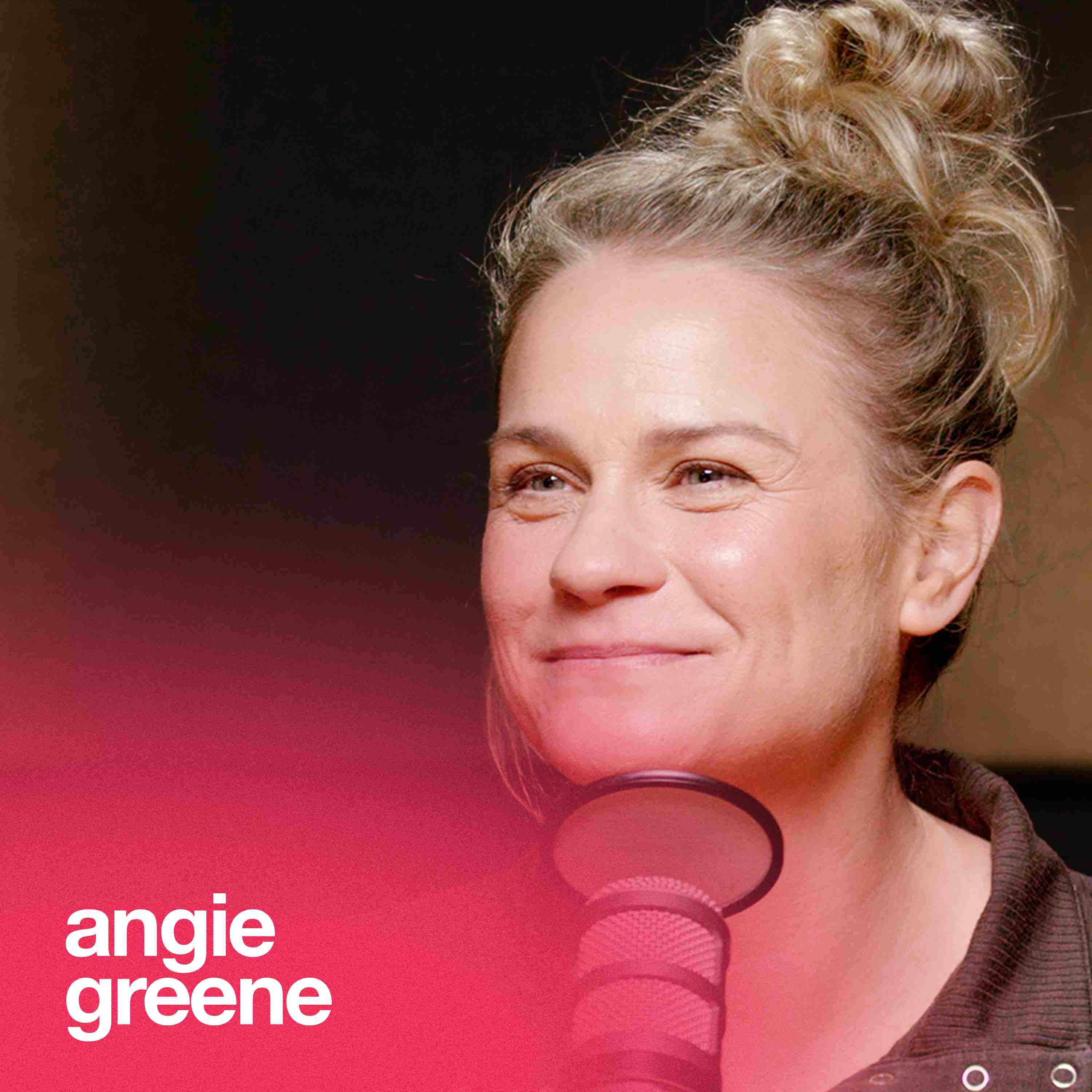
S8 · E37 · 4 Oct 2026 · 1 hr 11 min
How OCD Hijacks Your Brain with Angie Greene
Angie’s OCD obsessions are that she has committed her worst, most insidious, fears. 💌 Join 9,500+ others in our newsletter community - https://www.theimperfects.com.au/sign-up-to-our-newsletter/ Officially diagnosed with obsessive compulsive disorder (OCD) when she was 19, some of Angie’s earliest memories are of obsessions, compulsions and seeking reassurance. Joining us in the studio, Angie talks to Hugh, Ryan and Josh about the reality of living with OCD, how she navigates particularly bad episodes with her partner, and why she wouldn’t wish it on her worst enemy Angie explains false…
-

S8 · E36 · 27 Sep 2026 · 1 hr 16 min
Luke Bateman - Gambling With My Life
Mid 20's and $250,000 in debt. Gripped by a gambling addiction. How do you recover? 💌 Join 9,500+ others in our newsletter community - https://www.theimperfects.com.au/sign-up-to-our-newsletter/ From the outside, it looked like Luke Bateman was living the dream: a professional NRL career with ludicrous pay checks and sponsorship deals. On the inside, Luke was battling a crippling gambling addiction, deepening depression and a widening chasm between the character he was playing, and his true authentic self. With immense courage, honesty and vulnerability, Luke takes Hugh, Ryan and Josh…
-

S8 · E35 · 20 Sep 2026 · 1 hr 12 min
Dr Emily - The Phenomenon That Is Imposter Syndrome
Do you live in fear of being found out as a fraud? That despite your years of competency, achievement and high performance someone will uncover the truth? Well, you’re in the right place. Our resident psychologist Dr Emily Musgrove is here to tell you that your imposter syndrome is nothing to be afraid of. In fact, it’s not even a syndrome. 💌 Get practical take-aways from this episode, and join 9,400+ others in our newsletter community - https://www.theimperfects.com.au/sign-up-to-our-newsletter/ To get a little bit meta, Dr Emily explains that knowing that you don’t know…

Take it with you
The Melo app keeps playing with the screen off, works in the car and on your watch, wakes you to your station, and browses the whole catalogue offline. Free, no ads, no account.


