by CSIS | Center for Strategic and International Studies · English · Business
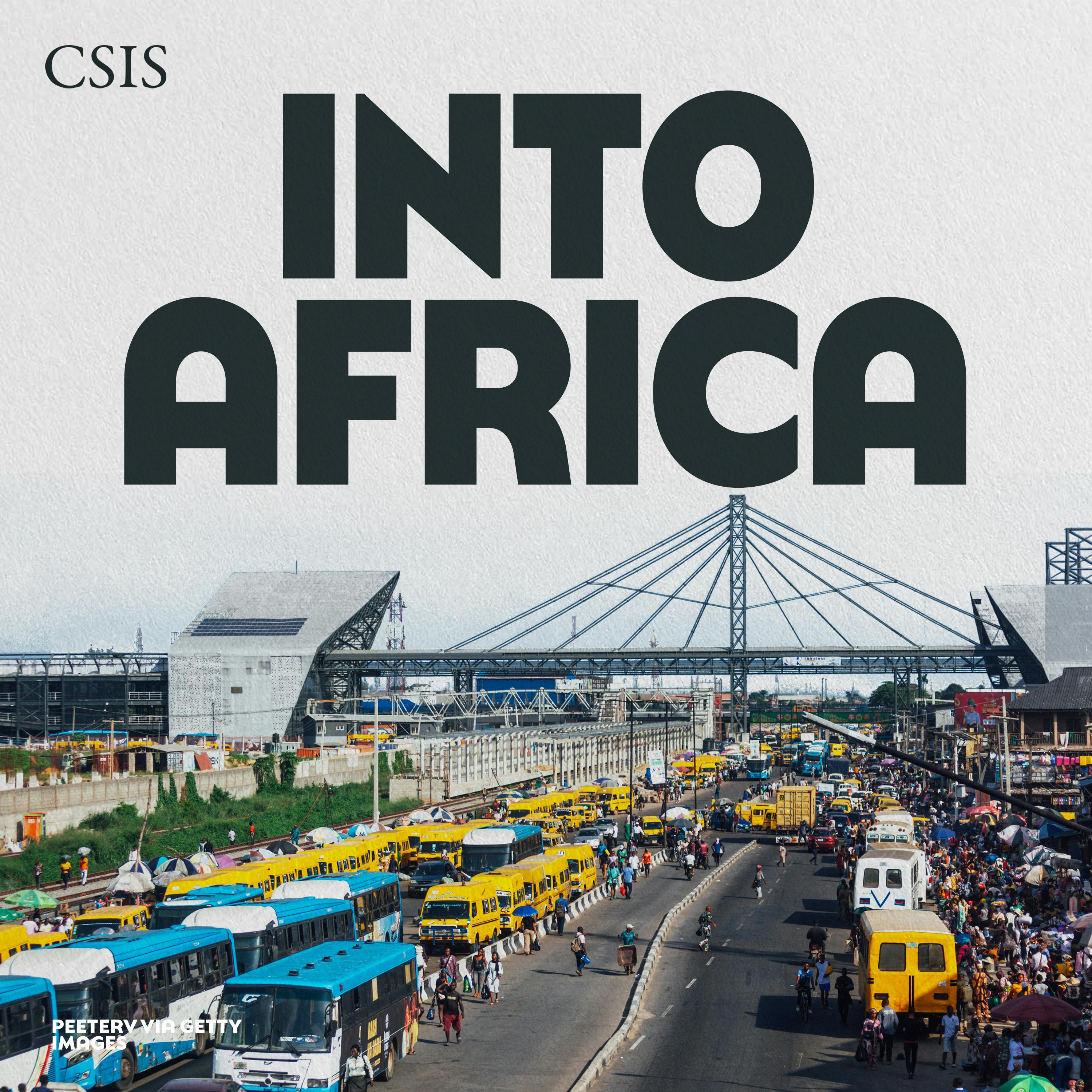
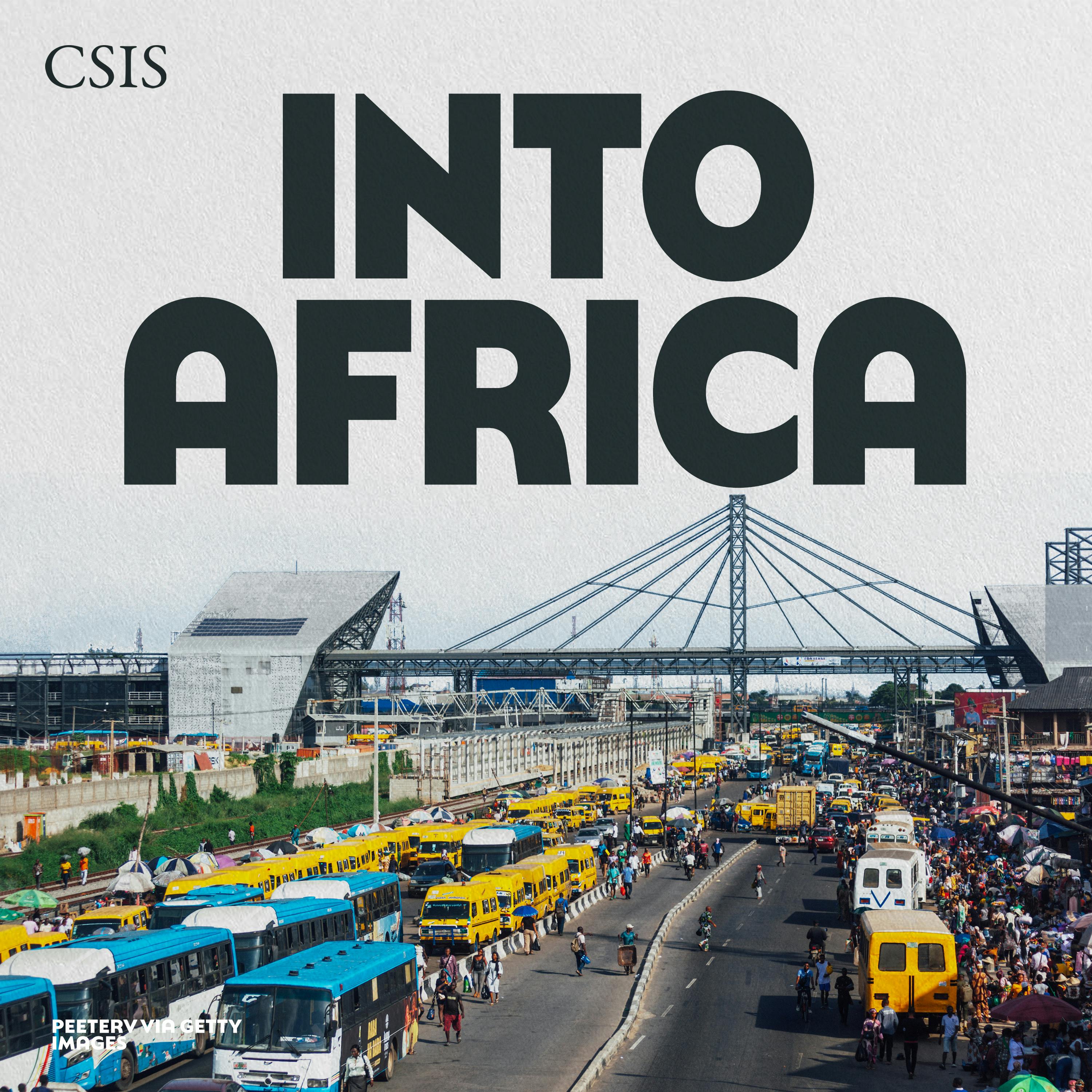
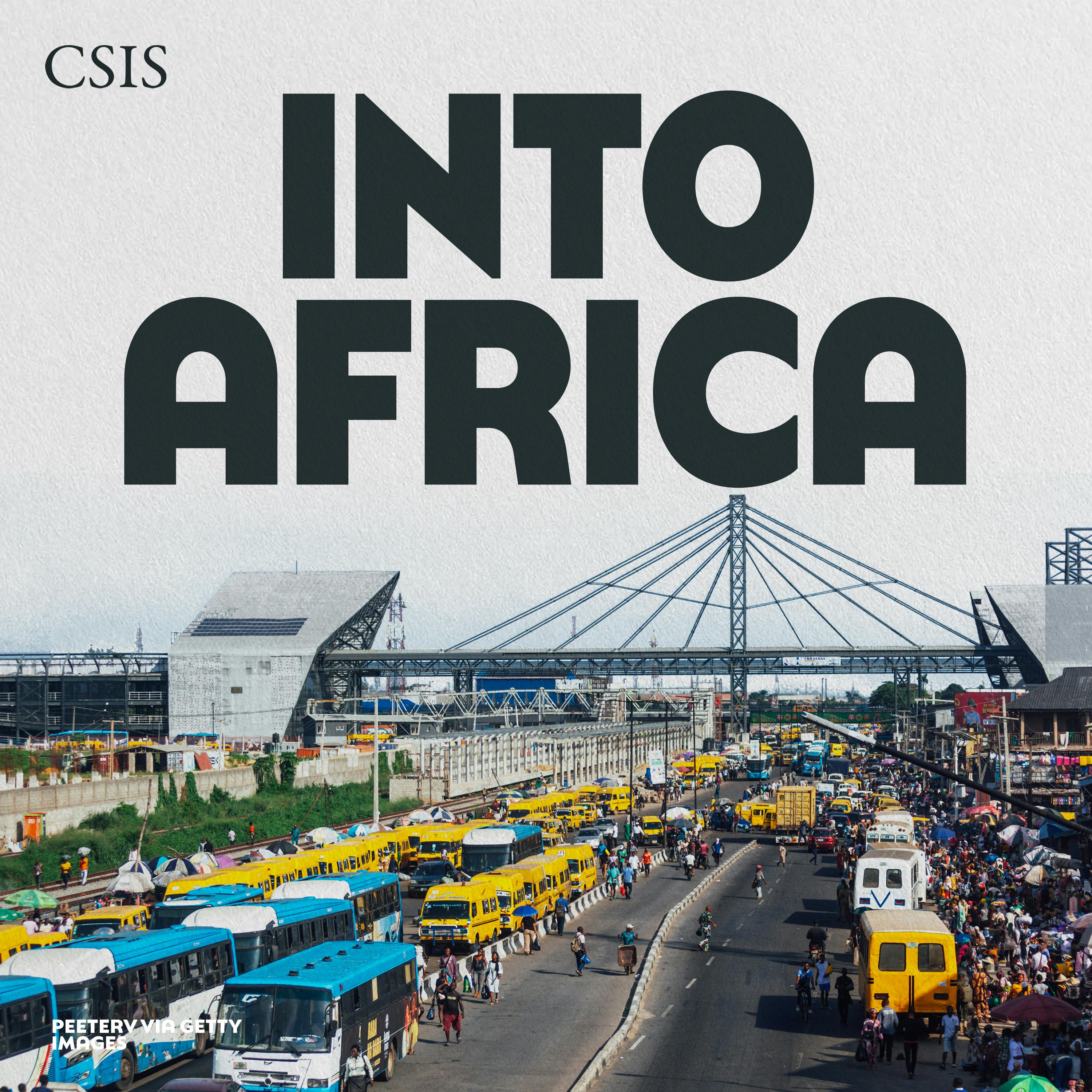
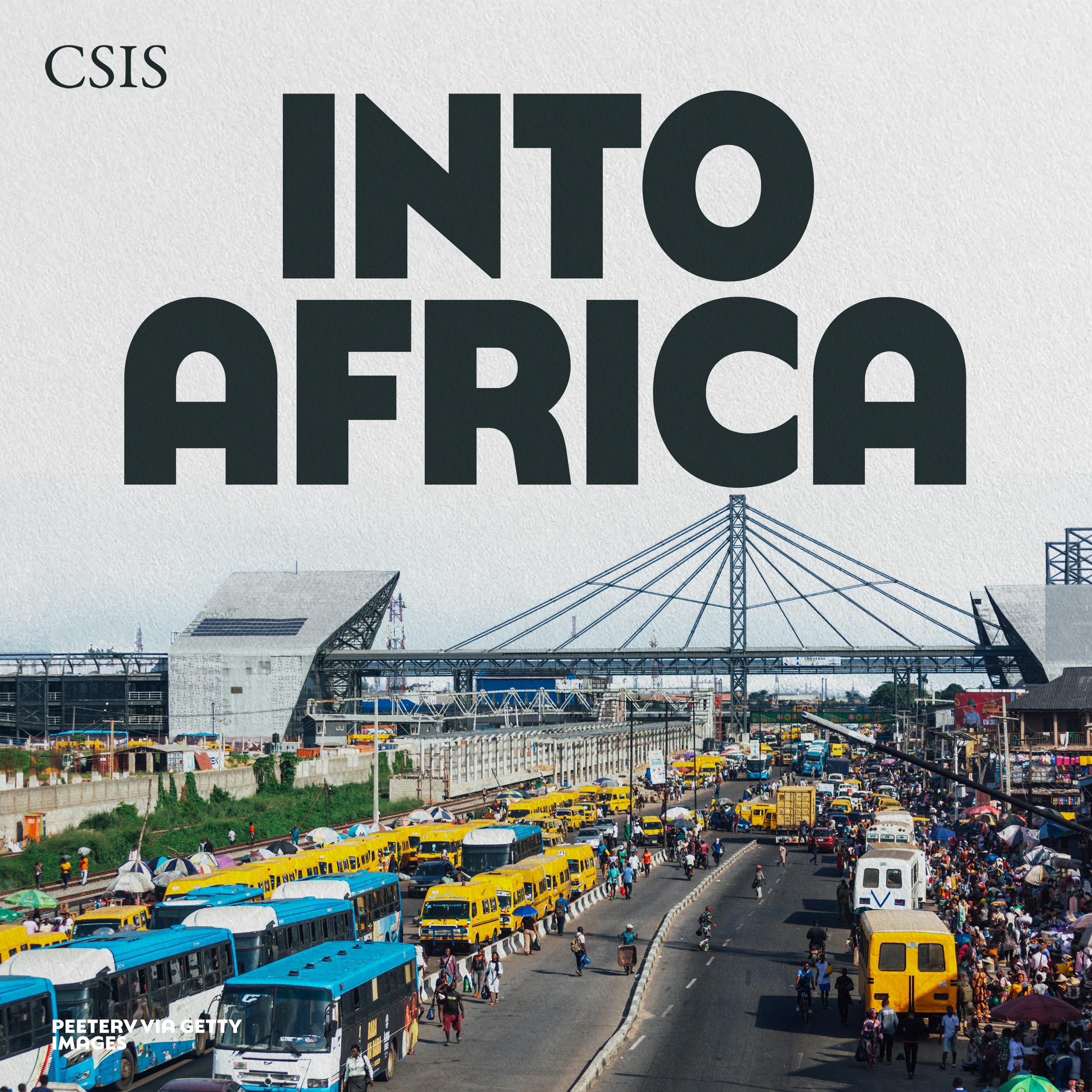
Fearless music activists. Savvy tech entrepreneurs. Social disrupters. Into Africa shatters narratives that dominate U.S. perceptions of Africa. With the world’s youngest population, the decisions made across Africa today—good or bad—will shape the world’s future. Featuring in-depth interv
As leaders gather in New York for the 81st session of the United Nations General Assembly (UNGA), Africa sits at the center of many of the world's most consequential debates, from peace and security to climate, development, and global governance. In this episode of Into Africa, Oge speaks with Bitania Tadesse of the International Peace Institute about what to watch as UNGA unfolds, the prospects for meaningful UN reform, and Africa's evolving role in shaping the international agenda. Together, they explore a central question: as Africa's voice grows louder on the world's stage, is it also…
As Nigeria prepares for its 2027 elections, the country faces a critical test. Trust in electoral institutions is weakening, young voters are increasingly disillusioned, and demands for accountability are growing louder. These challenges extend beyond Nigeria, as countries across Africa grapple with questions of democratic credibility, governance, and public trust amid declining funding for democracy and governance programs. Despite these challenges, citizens and civil society across the continent continue to push for more accountable and responsive governance. On this episode of Into…
Africa’s economic future will be shaped in part by the movement of people, skills, and labor across the continent. Yet migration remains one of the most debated and politically sensitive issues in Africa and around the world, raising questions about jobs, borders, demographics, and social cohesion. Recent attacks against migrants in South Africa have brought these debates back into sharp focus, even as the African Union and the African Continental Free Trade Area push for deeper regional integration. In this episode of Into Africa, Oge Onubogu speaks with Amanda Bisong, a policy expert and…
The 2026 men's World Cup was a landmark for African football. Nine of ten African sides cleared the group stage, a continental record, yet only Morocco and Egypt reached the round of 16. In this Youth Roundtable, Catherine Nzuki is joined by Janine Anthony, an award-winning broadcaster who founded LadiesMarch, Africa's first all-women women's soccer network, and was the BBC World Service's first African female commentator to run lead commentaries at a major men's football tournament (the Africa Cup of Nations); and Chibuogwu Nnadiegbulam, a journalist with the International Sport Press…
This week on Into Africa, we are sharing an episode from the CSIS podcast, CommonHealth, hosted by CSIS Senior Vice President and Director of Global Health Policy Center Stephen Morrison. Stephen is joined by Dr. Chikwe Ihekweazu, Executive Director, WHO Health Emergencies Programme. Dr. Ihekweazu spent several weeks in the hot zone in eastern Congo, mobilizing the international response to the late-discovered Ebola outbreak. Establishing community trust and confidence is the single most urgent challenge across all activities. At the six-week point, the response is scaling. However, "We have…
As global power shifts and competition intensifies, Africa is moving from the margins toward the center of the global strategic stage. The question is whether the continent will become a decisive global actor—and whether its partners are prepared for that repositioning. Too often, policymakers consumed by immediate crises overlook the deeper structural forces reshaping Africa’s trajectory. Trade integration, demographic shifts, and greater African agency will shape the continent's role in the changing global order. Drawing on decades of forecasting data and scenario modeling, Jakkie…
Across Africa, the security landscape is shifting. Extremist groups are becoming more mobile, more digitally savvy, and more deeply rooted in local grievances, even in cases where they lose physical territory. From northern Mozambique to the Sahel, the old playbooks for counterterrorism and conflict response are struggling to keep pace with threats that operate more like adaptive ecosystems than traditional insurgencies. In the season two premiere of Into Africa, Dr. Olajumoke Ayandele, Clinical Assistant Professor at New York University, and Peter Bofin, Senior Analyst, Southeast Africa at…
In this season finale, we revisit our guests’ reflections on what continues to inspire hope for them. Into Africa will be back on June 18th for its second season. Thank you for listening.
The international development and humanitarian landscape in Africa is at an inflection point, driven by a convergence of severe funding cuts, escalated climate and conflict-related crisis, and a necessary, but challenging shift from donor-led relief to locally led, long-term development. The current aid architecture was built for a different era, and this moment of disruption presents an opportunity to reimagine a system that is more effective, sustainable, and built on local partnerships and resilience. Tjada D'Oyen McKenna, CEO of Mercy Corps, and Noam Unger, Vice-President of the Global…
In this youth roundtable, Catherine Nzuki, Associate Fellow with the CSIS Africa Program, is joined by two Sudanese scholars to discuss Sudan's Emergency Response Rooms, a grassroots network of young volunteers delivering food, medicine, and essential services across all eighteen states in Sudan. Noaman Mousa is a political science PhD student at UCLA, where his research focuses on civil wars and state-building in Sub-Saharan Africa. Yasir Zaidan is an adjunct lecturer at Seattle University and a PhD student at the University of Washington, where his research examines the expanding influence…
As the U.S.-Israel-Iran war intensifies, global attention is focused on the Middle East, but a profound geopolitical restructuring is unfolding along the Red Sea. For years, the Horn of Africa has been a critical arena for understanding global geopolitical competition and shifts, and the Iran war is exposing the risks and gaps that analysts had foreshadowed. As international attention and diplomatic bandwidth for the Horn’s overlapping crises decline, the region is undergoing rapid political repositioning and transformation as the attention of Gulf states turns inward. In this special…
Is the new wave of U.S-Africa bilateral health deals a game-changer for African health sovereignty or a step backward for solidarity? With more than a dozen African countries signing nearly $20 billion in bilateral deals by early 2026, the Trump administration’s America First Global Health Strategy is reshaping the future of foreign assistance and global health. In this episode, Doris Macharia, president of the Elizabeth Glaser Pediatric AIDS Foundation (EGPAF), and Steve Morrison, senior vice president of the CSIS Global Health Policy Center, join Oge to take stock of this pivotal moment.…
Late last year, the U.S redesignated Nigeria as a Country of Particular Concern, a move that reignited fierce global debate and intensified an already complex moment in U.S.–Nigeria relations. U.S. military air strikes on Christmas that targeted an ISIS-affiliated terrorist group in northwest Nigeria, which the U.S. accused of persecuting Christians, further illustrates these complicated and evolving dynamics. What does this CPC redesignation mean for the millions of people living in Nigeria? Is this a necessary wake-up call for accountability or a surface-level solution to a deeply rooted…
As the world’s largest humanitarian catastrophe enters its third year, international aid is facing drastic reductions. Local and international humanitarian organizations are adapting their strategies to continue delivering lifesaving care to the over 30 million people who urgently need assistance. The recent launch of the Sudan Humanitarian Fund, which included contributions from regional and international partners, including the US and UAE pledging $700 million in support, signals renewed attention to the humanitarian funding gap in Sudan, but also highlights the complexity of addressing…
The Horn of Africa is experiencing a profound, and dangerous geopolitical restructuring. From the war in Sudan, to renewed tension between Ethiopia and Eritrea, to rising security challenges in South Sudan, and Somalia’s governance struggles alongside ripple effects from Somaliland’s bid for international recognition, the region’s internal instability and volatility is reshaping international alliances and fueling a fierce competition for influence by global actors – from the Gulf to the West – who are vying for power, maritime routes, and strategic dominance. Samira Gaid, founding director…
In the first episode of this season, Oge is joined by Fonteh Akum, Executive Director of the Institute for Security Studies (ISS), and Raymond Gilpin, Chief Economist and Head of Strategy at UNDP’s Regional Bureau for Africa, to reflect on the defining moments of 2025 and explore what 2026 may hold for the continent. While 2025 brought few surprises, it reinforced trends that had long been taking shape on the continent. From the drastic shift in U.S. policy toward Africa to the spread of youth movements, evolving security challenges, and shifting economic dynamics, these trends define a…
Into Africa is back with all-new conversations hosted by Oge Onubogu, senior fellow and director of the Africa Program at CSIS. Tune in starting January 15th for in-depth interviews with journalists, academics, and other trailblazers as we discuss the cultural, political, and economic trends shaping the continent.
Since this episode aired last year, we’re still dreaming of a just and representative global order. Catherine Nzuki was joined by Ambassador Martin Kimani, PhD, the Executive Director of New York University’s Center on International Cooperation. He was previously the Permanent Representative of Kenya to the United Nations (UN). In this episode, we take a deep dive into Africa’s bid for two permanent seats on the UN Security Council (UNSC) and the long road to get there. We discuss how long Africa has been pushing for these seats (3:40); the procedure to create the two permanent seats (7:00);…
Catherine's taking a break this week. In the meantime, we want to reshare one of our essential episodes on demographics. As you all know, by 2050, one in four people will be African. How do demographers reach this conclusion? And how does Africa's population growth intersect with population declines in the Global North? To answer these questions, Catherine was joined by Dr. Jennifer D. Sciubba, President and CEO of the Population Reference Bureau and one of the foremost experts in the field of political demography. Dr. Sciubba breaks down how demographers project future populations and the…
Youth in Kenya have three demands: justice, accountability, and better governance. Over the past two years, “Gen Z” and government critics nationwide have taken to the streets in their thousands to demonstrate their frustrations and anger with the government. In this episode, Chemutai Ruto, a recent graduate of Political Science and Africana Studies, joins Khasai Makhulo, CSIS Africa Program Research Assistant, for a conversation on the ongoing political movements in Kenya. Speaking as two diaspora Kenyan “Gen Z” voices, they explore the pivotal role of women in current movements, how joy…
Arjun Jain, the UN Refugee Agency’s Representative in Nigeria, joins Catherine Nzuki to discuss the drivers of internal displacement in Nigeria and the daily realities facing displaced communities. They explore how religion and geography shape public perception of the crisis, the capacity of federal and state governments to respond, and the impact of shrinking humanitarian budgets. The conversation also looks at how displacement worsens food insecurity and how UNHCR is supporting innovative agricultural solutions to help internally displaced people access farming land and rebuild their lives.
Chad now hosts 1.8 million displaced people, including 1.2 million Sudanese fleeing one of the world’s deadliest conflicts. With 42 percent of its population living below the poverty line, Chad is struggling to provide basic services like food, water, and healthcare for both locals and refugees. In this episode, Abdouraouf Gnon-Konde, Director of UNHCR’s Regional Bureau for West and Central Africa, explains how the crisis is unfolding at the Chad–Sudan border, why Chad continues to welcome refugees despite limited resources, and how this mass displacement is reshaping the lives of young…
African content is booming on global streaming platforms. But as the industry shifts to appeal to Afropolitan elites and international audiences, who gets left behind? In this episode, Catherine Nzuki is joined by Dr. Wunpini Fatimata Mohammed, assistant professor in the Department of Communication at Cornell University and the author of Afropolitanizing the local: how cultural imperialism is rewriting the narratives of African entertainment industries. They discuss the rise of New Nollywood, the politics of representation, and what’s lost when African stories are tailored for a global…
Africa is undergoing a health funding crisis due to overreliance on external aid and a lack of internal investment from African governments. The healthcare sector is 95 percent dependent on external aid for crucial commodities: vaccines, medication, and diagnostic equipment. Africa saw a 41 percent rise in public health emergencies in 2024, highlighting the vulnerability of the health infrastructure. In response to these challenges, the Africa Center for Disease Control (CDC) released a concept paper titled: Africa’s Health Financing in a New Era. In this concept paper, the Africa CDC…
Catherine Nzuki is joined by Blair Glencorse and Cheri-Leigh Erasmus, co-CEOs of Accountability Lab, to unpack the latest findings from the Global Aid Freeze Tracker. Together, they reflect on the current state of the development sector and explore where the development sector goes from here.
Peter Obi, former governor of Anambra State and 2023 Nigerian presidential candidate, joined Into Africa to discuss his belief that the answer to Nigeria’s persistent challenges lies in the character of its leaders. Obi shared that to restore public trust in Nigeria’s government, leaders need to embody competence, capacity, compassion, and integrity. Obi joins Mvemba to explore how leaders can be role models for their constituents. With Africa’s young population and expansive informal sector, he emphasized that cultivating a culture of entrepreneurship is essential for creating a suitable…
Catherine Nzuki is joined by Cameron Hudson, Senior Fellow with the CSIS Africa Program. He unpacks the immediate causes of the war, the growing number of regional actors involved in the war, how the entry of foreign actors is changing the dynamics of the conflict, and the unique role the U.S. can play in mediating a peace process. Cameron Hudson's testimony to the House Foreign Affairs Subcommittee on Africa can be found here.
From rapid urbanization to persistent housing shortages, Africa’s cities are facing immense challenges—and emerging opportunities, including innovative mortgage models, government-backed projects, and rising investor interest in sustainable development. In this episode, Mvemba is joined by Thierno-Habib Hann, CEO of Shelter Afrique Development Bank, to explore how innovative finance, strategic partnerships, and public-private collaboration are reshaping the continent’s urban future. Together, they examine the scale of Africa’s housing deficit, the barriers to affordability, and the emerging…
Catherine Nzuki is joined by Dr. Daniel Cash, Associate Professor in Law at Ashton University. He specializes in the study of the international credit rating agencies. They discuss the “Big Three” credit rating agencies, why they have been accused of biases against Africa, and the impact that sovereign credit ratings have on outcomes for young people. Dr. Cash explains why the Africa Credit Rating Agency (AfCRA) is being formed and why it is important to champion this initiative.
But not much else has changed: Catherine Nzuki is (still) your host, and by 2050, one in four people in the world are still expected to be African. Thank you all very much for supporting this podcast. We are back this Thursday, May 15, with a new episode on the case for an African credit rating agency.
About Into Africa
Fearless music activists. Savvy tech entrepreneurs. Social disrupters. Into Africa shatters narratives that dominate U.S. perceptions of Africa. With the world’s youngest population, the decisions made across Africa today—good or bad—will shape the world’s future. Featuring in-depth interviews, the CSIS Africa Program sits down with policymakers, journalists, academics, and other trailblazers in African affairs to shine a spotlight on the people and stories shaping cultural, political, and economic trends across the continent today and for decades to come.
Into Africa is a English business podcast from CSIS | Center for Strategic and International Studies. Melo plays each episode straight from the publisher's own feed — no ads added, no account needed — and remembers where you stopped, in this browser only.
Publisher
CSIS | Center for Strategic and International Studies
The Melo app keeps playing with the screen off, works in the car and on your watch, wakes you to your station, and browses the whole catalogue offline. Free, no ads, no account.