

Episode · Orbit: Science for kids on the move!
How does AC lower the temperature?
16 Jun 2026 · 21 min
Episode · Orbit: Science for kids on the move!
16 Jun 2026 · 21 min
❄️ Do air conditioners actually make cold air? How was air conditioning invented? And what does an HVAC technician do all day? In this episode, HVAC instructor John Vernon helps Orbiters discover the surprising science behind air conditioning. Learn how refrigerant carries heat, why compressors are so important, and how air conditioning changed homes, schools, hospitals, and cities around the world. This episode is part of our Cool Jobs series with Level Up Texas and Texas A&M University'...
SPEAKER_08:This episode is produced with Level Up Texas Powdered by Texas A and M.
SPEAKER_00:Hey parents, this episode continues our series with Level Up Texas and the Texas AM Office for Youth Engagement, exploring STEM careers and the science behind their jobs. Okay, let's get started. Hank, it's the middle of summer here in Texas, and it is hot outside. Woo! It's so hot, I think my shoelaces are melting. I think you're right, Hank. We need to cool down. I wish I could make this room colder. I know. How about we tape a giant popsicle to the wall?
SPEAKER_00:Woo! Yeah, we'd probably eat it. Here's another idea. We fill the house with snow.
unknown:Woo!
SPEAKER_00:Good point. I don't actually know where we can get the snow. Okay, this is my best idea yet. We tape ice cubes to the ceiling fan. Yeah, now that I say that out loud, they'd probably slip and fly across the room. Ah, there it is. The beautiful sound of air conditioning. And the air coming from the vent is nice and cool.
unknown:Woo!
SPEAKER_00:Of course! I know how air conditioners work, Hank. You see? Inside each air conditioner are two penguins who are making snowballs, and then they have a big snowball fight, and the snowball fight makes the air cooled. Okay, I don't actually know how they work, but I want to learn, and so do you orbiters?
SPEAKER_03:Why does AC give cooler and what is difference between between air cooler and air conditioner? Bye!
SPEAKER_08:How air conditioning was invented. Thank you, bye! How has air conditioning changed cities and countries all around the globe?
SPEAKER_00:Today we're exploring the cool science of air conditioners, and we asked Mr. John to help us out.
SPEAKER_01:Hi orbiters, my name is John Vernon, and I teach heating and cooling at Skill Point Alliance in Midland, Texas. Skill Point Alliance is a nonprofit organization that helps people learn skilled trades through free, fast-paced job training. I teach students how air conditioners and refrigerators work and how to fix them safely.
SPEAKER_00:You sound like a real air conditioning expert, Mr. John. Alright, can you get us rolling, Adwat?
SPEAKER_03:Hello, my name is Adwat. I am seven years old. I live in Jammu, India. My question is why does AC give cooler and what is the difference between between air cooler and air conditioner? Bye.
SPEAKER_01:Good question, Edwat. Air conditioning means treating the air to make people comfortable. An air conditioner moves heat from inside your house to outside. When the heat leaves the room, the room feels cooler.
SPEAKER_07:Hi, I'm Lisa. I am eight years old and I live in Ecuador. And my question is, how do air conditioners make the hot air into cool air?
SPEAKER_06:Bye. Hi Arbeid, my name is Sigrid Mostahan. I'm 10 years old. I live in Santa Cruz, Bolivia, and my question is how do air conditioners function inside? Thank you, bye.
SPEAKER_01:Great question, Alyssa Negret. So air conditioners don't create cold air.
SPEAKER_00:Wait a second. Are you sure, Mr. John? I'm pretty sure I feel cold air when I turn on the air conditioner. If an air conditioner doesn't create cold air, what in the world does it do?
SPEAKER_01:The way to think about it is an air conditioner takes heat from inside the house and moves it outside. The big science concept to understand air conditioners is that heat wants to move from something hot to something cold.
SPEAKER_00:Wow! Did you know that, orbiters? Scientists think of cold as just having less heat. So instead of saying something is cold, you could also just say it has less heat than something else. Like, instead of ice cream is cold, you could say this super delicious chocolate sprinkle sparkle ice cream is very, very not hot. Sorry, Hank, apparently I have ice cream on the mind. Alright, John, I was thinking about this. When I leave my baseball glove on the floor in the living room and my mom tells me to take it outside, I just pick up the glove and I carry it outside.
SPEAKER_00:But if I want to take heat and move it outside the house, I don't know how to do that. I can't just grab a handful of heat and throw it outside. So how does an air conditioner do that?
SPEAKER_01:It starts with a special chemical called refrigerant. The refrigerant travels through pipes back and forth between the inside and outside parts of the air conditioner.
SPEAKER_00:Okay, there's a new word in there. Refrigerant. Can you say that with me? On the count of three. One, two, three. Refrigerant. Way to go. Refrigerant is a liquid with a superpower. Refrigerant is really, really, really, really, really, really, really, really good at soaking up heat from the air and carrying it somewhere else.
SPEAKER_01:Inside your house, the refrigerant gets very cold and moves through small metal pipes called coils. A fan blows warm air from the room across these cold coils. What does that do, Mr. John? Remember, heat wants to move from warm things to cooler things. So the heat from the warm air moves into the cold coils and into the refrigerant inside of those. Once the refrigerant absorbs the heat, it carries that heat outside through the pipes.
SPEAKER_00:Ah, so the refrigerant is acting like a sponge. Hey orbiters, imagine spilling water on your table. If you put a sponge on the water, what happens? That's right. The sponge soaks up the water. Well, refrigerant is like a sponge, but for heat. So now our heat sponge is full. What happens next?
SPEAKER_01:Well, outside a machine called a compressor squeezes the refrigerant into a hot, high-pressure gas. Then a fan blows outdoor air across the outside coils and the heat is released into the air outside. So the air conditioner is really moving heat.
SPEAKER_00:Wait a second. Did you hear that? The compressor squeezes the refrigerant. Remember the sponge you used on the table? Well, what happens when you squeeze it? All the water comes out. When the compressor squeezes the refrigerant, instead of releasing water, it releases heat into the air. After the refrigerant gets squeezed by the compressor, the heat gets released outdoors. Then the refrigerant is kind of like a dry sponge again, and the air conditioning system can send the refrigerant back inside so it can soak up more heat all over again.
SPEAKER_00:Hey Mr. John, what were the key steps again?
SPEAKER_01:First, the chemical refrigerant absorbs the heat from the air inside your house. Second, the refrigerant carries the heat outside the house, and finally, it releases the heat outside.
SPEAKER_00:Hey John, one more question. What does the fan do? Why does an air conditioner blow air around?
SPEAKER_01:After the fan blows the air across the cold coils, the air has less heat in it, so it feels cooler when it comes back into the room. That cool air is what you feel coming out of the vent.
SPEAKER_00:Isn't that cool, Hank? Now I get why Mr. John keeps saying that air conditioners don't create cold air. They move heat from inside to outside. Hey families, this is a great point to pause the episode and talk about this together. Can your curious orbiters explain how an air conditioner works? Here's a few vocabulary words you might use. Heat inside the house. Refrigerant acting like a sponge. Compressor, the super squeezer. Coils that the refrigerant moves through.
SPEAKER_00:A fan that blows air. Okay, your turn. Pause here and talk together. Ready to continue?
SPEAKER_05:Hello, my name is Margaret and I'm eight years old. I live in North Carolina. And my question is when and who made the AC. Thank you.
SPEAKER_08:Hello Orbits, my name is Amita. I am eight-year-old. I live in Venezuela and I want to know how air conditioning was invented. Thank you, bye!
SPEAKER_00:You know what that means, orbiters? Into the Orbiter Time Machine. Three, two, one, air.
SPEAKER_01:Air conditioning was invented in 1902 by an engineer named Willis Carrier.
SPEAKER_00:Hello, orbiters. You can call me Willis. I'm an engineer and I'm extremely sweaty in this room.
SPEAKER_01:He was trying to solve a problem at a printing shop where hot, humid air was causing the paper and ink to stop working correctly.
SPEAKER_00:Flabber snappers. Not again. The paper is bending. The ink is smearing. The newspapers look like melted pancakes.
SPEAKER_01:So he designed a system that could control both temperature and humidity by moving heat and moisture out of the air.
SPEAKER_00:Dear Diary. The giant popsicles on the wall idea didn't work. But what if we take the heat from in here and move it out there?
SPEAKER_01:Maybe the ink won't melt. That invention helped the printing machines work better and it became the beginning of modern air conditioning. Today we still use many of the same science ideas and air conditioners around the world.
SPEAKER_08:My question is, how has air conditioning changed cities and countries all around the globe?
SPEAKER_01:Well, Luna, air conditioning has changed the whole world. It's made it possible for people to live and work more comfortably in very hot places. Before air conditioning, some cities were much harder to work in during the summer because the heat and humidity could make people tired and uncomfortable. Air conditioning helps schools, hospitals, offices, factories, and homes stay cooler and safer. It also helps store food, medicine, and other products without them spoiling.
SPEAKER_00:I guess you're right. Can you imagine if we didn't have air conditioning to keep milk cold or ice cream frozen, they would go bad really fast. And that would taste gross. Hey orbiters, let's pause here for a mystery sound. You could move around and wiggle while you think of what it is. Stick around to the end for the answer. Okay, let's get back to more questions. Hey Mr. John, why do you know so much about air conditioners? Are there people who are experts in air conditioners?
SPEAKER_01:An air conditioning technician is someone who diagnoses problems with air conditioners, figures out what's wrong with the system, and fixes it.
SPEAKER_08:Hi, white biggest. My name is Kenji. I'm six years old. I live in Pasadena, California, and my question is how do people learn to work on air conditioner spice?
SPEAKER_01:Well, Kenji, most air conditioning technicians start by going to a trade school or a training program. These can be as short as five weeks and teach the basics of heating, cooling, electricity, safety, and how the refrigeration cycle works. Then they usually start working with experience technicians to get real job experience.
SPEAKER_00:Hey orbiters. Mr. John said trade school. You probably go to school to learn about math and reading and science and languages. Well, people who are adults can go to trade schools where they learn how to do important jobs with their hands, like fixing air conditioners with Mr. John, or fixing cars, building houses, working with electricity, or cutting hair. Hey Mr. John, what are these trade schools like?
SPEAKER_01:The classes are a mix of classroom learning and hands-on lab work. For example, students might learn how a thermostat controls an air conditioner. Then in the lab, they wire up a real thermostat, connect switches and relays, and test how the system turns fans and compressors on and off.
SPEAKER_00:These labs sound like super interesting places to learn and practice. Mylam and I are wondering what it's like after you finish school.
SPEAKER_04:Howdy Hi, I'm Mylam. I'm seven years old from Houston, Texas. My question is, how do you figure out what's wrong with an air conditioner when it doesn't work?
SPEAKER_00:Hey orbiters. Before we talk about fixing air conditioners, let's make sure we're all imagining the same thing. When most people talk about an air conditioner, they're usually talking about a whole system that helps cool a house or building. You might see air vents on your walls or ceilings. You might see a thermostat that lets you choose the temperature. And if you go outside, you might notice a big metal box with a fan in it. All of those parts work together to help move heat out of your house.
SPEAKER_00:And something else that's important, air conditioners aren't toys. They use electricity, moving parts, and that superhero chemical we learned about. Do you remember its name? Refrigerant. That's why if something isn't working, families call a trained air conditioning technician for help, like Mr. John and the students he trains. Now, Mr. John, can you help us with Mylam's question? How do you figure out what's wrong with an air conditioner?
SPEAKER_01:Well, Mylam, when an air conditioner stops working, we have to diagnose the problem step by step, kind of like solving a puzzle. First we talk to the homeowner to find out what the machine is doing or not doing. Then we test different parts of the system to look for the cause. Sometimes the problem could be a bad sensor, a loose wire, a low-own refrigerant, or a part that stopped working. The more experience you get, the better and faster you become at solving those puzzles.
SPEAKER_00:Oh. With so many things that could be wrong, this does sound like a tricky job. Let's go to Sam's question.
SPEAKER_09:Hi Robert Earth, my name's Sam. I'm seven years old. I'm from Newfoundland, New Jersey. My question is, what kind of skills are important to be successful in your job? Thank you. Bye.
SPEAKER_01:Well, Sam, it helps to like working with tools, machines, and solving problems. You need to understand basic electricity, safety, and how mechanical systems work. You also need patience and good communication skills because you work with customers, teammates, and different kinds of equipment every day. And since technology keeps changing, good technicians are always learning new things.
SPEAKER_00:This is a great moment to pause the episode and talk with a friend or family member. Do you enjoy working with machines, solving problems, knowing about electricity, or interacting and being social with others? Pause here to talk about your interests and start whenever you're ready. Today, I want you to pretend you're a peacock showing its feathers. You can do it sitting down or standing up. Get creative with it. And while we're doing our best peacock impression, let's recap what we've learned.
SPEAKER_00:Today we learned that air conditioners don't actually make cold air. Instead, they move heat from inside your house to outside. We learned about a special liquid called refrigerant that acts kind of like a sponge for heat. It soaks up heat from the inside of your house, carries it outside, and then releases it so it can go back and do it all over again. We also learned that parts like vents, thermostats, fans, coils, and compressors all work together as one big air conditioning system.
SPEAKER_00:And finally, we learn that air conditioning technicians are expert problem solvers. They are trained in trade schools and use science, tools, electricity, and lots of practice to figure out why air conditioners aren't working and how to fix them safely.
SPEAKER_01:One thing family can do together is pick something in the house like a refrigerator, a thermostat, a freezer, or an air conditioner, and ask, how does this work? Then you can go onto YouTube with a parent and watch a video that explains it. You can even walk around your house together and look for all the places where heating and cooling systems are used, like vents, thermostats, window units, refrigerators, freezers, ice machines, and fans. Once you start looking, you'll notice heating and cooling technology almost everywhere.
SPEAKER_00:Here are some options: a thermostat that controls the air conditioning system, an air vent on the wall, a window air conditioning unit, a refrigerator in your kitchen, an air vent in your car. Or maybe you hear an ice cream truck driving by. No, Hank, we can't go get ice cream right now. We're not done with the episode yet. Hey, Mr. John, thanks so much for joining us today on orbit.
SPEAKER_01:Orbiters, I really hope that you learned something from what we talked about today and that maybe you get interested and can see a future in the HVAC industry.
SPEAKER_00:Hey parents, our guest today was John Vernon, a heating and air conditioning instructor with Skillpoint Alliance in Midland, Texas. Skillpoint Alliance has locations all over the state of Texas. You can find information about Skill Point Alliance, including about their skilled trade programs for adults, at skillpointalliance.org. And before we wrap up, I bet a few of you are curious about the mystery sound. Do you remember it? What was your guess?
SPEAKER_00:If you said it was a tea kettle boiling, you were right. Way to go. One more thanks to our friends at Level Up Texas and the Texas AM Office for Youth Engagement for making possible this series about cool jobs. Orbit is produced by Coombrae Kitts. The episode was written by me, Robert Carpenter. The producer is Catherine Aguilar. Artwork for the episode by Moises Monsalve and Jorge Wick. We'll see you in the next episode. Ciao!
SPEAKER_08:The important thing is not to stop questioning Albert Einstein. The end
Transcript supplied by the publisher with the episode.
by Cumbre Kids · English · Kids & Family
Science made simple to help kids better understand the world around them. Publishing "Wild Critters," a series with PBS Nature and the National Wildlife Federation! 🦬 For kids ages 3-11. Perfect for car rides, family adventures, and learning on the go! 'Orbit' builds STEM vocabulary and in

1 Jul 2026 · 30 min
Did you know that American bison help prevent grasslands from turning into forests by body-slamming young trees? And that they once lived in herds so enormous they stretched all the way to the horizon? This week, we travel to the grasslands of Montana with Dr. Andy Boyce, a research ecologist at the Smithsonian's National Zoo and Conservation Biology Institute. Discover why bison live in herds, how they defend themselves from predators, and why scientists call them a keystone species. Along t...
24 Jun 2026 · 27 min
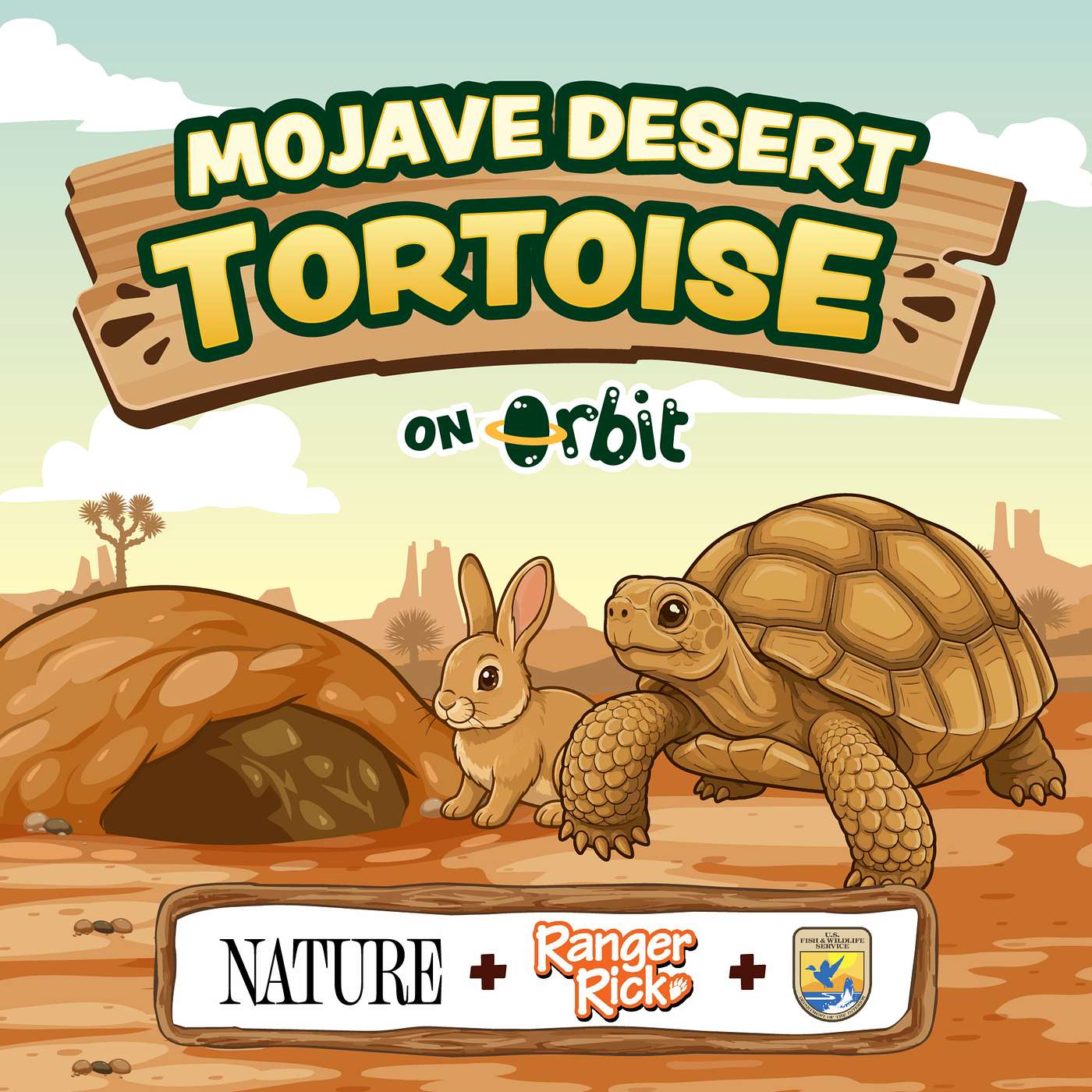
Did you know a single Mojave Desert tortoise burrow can become a shelter for rattlesnakes, owls, kangaroo rats, and many other desert animals? This week, we explore the Mojave Desert with wildlife biologist Brianna Fogel from the U.S. Fish and Wildlife Service. Learn how desert tortoises survive in one of North America's harshest environments, why they spend so much time underground, and why scientists call them a keystone species that helps support an entire desert community. ➡️ Part o...

24 Jun 2026 · 1 min
Discover the wild side of America with Orbit’s brand-new Wild Critters USA series! Join us as wildlife experts from the National Park Service, U.S. Fish and Wildlife Service, and Smithsonian's National Zoo and Conservation Biology Institute answer real questions from curious kids about alligators, bald eagles, desert tortoises, bison, and more. Perfect for summer road trips, family adventures, and screen-free learning for kids ages 3–11. ➡️ A special summer series celebrating Amer...
3 Jun 2026 · 24 min
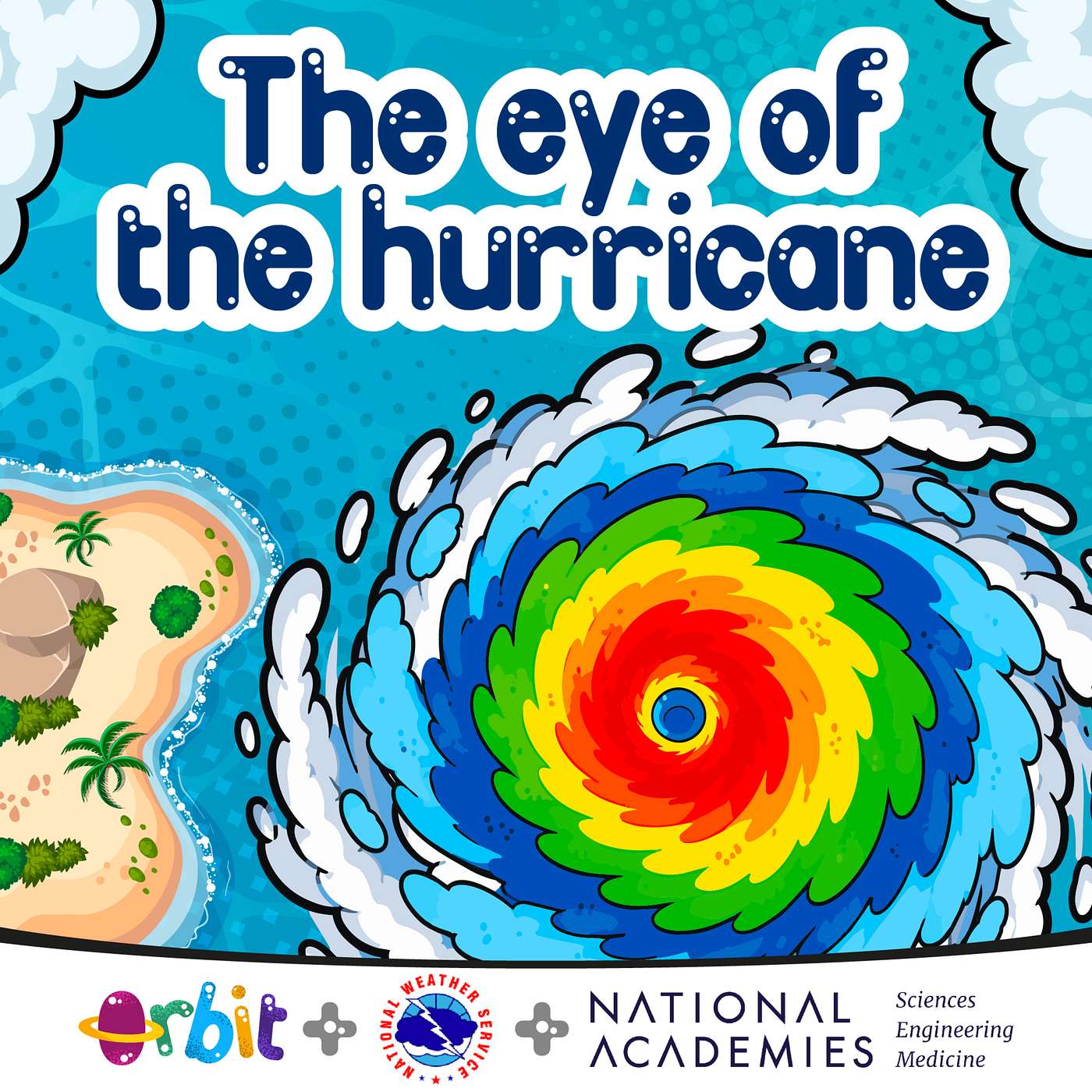
Ever wonder how hurricanes form, why they spin, or why some storms get names? Join Rob, Hank, and cohost Milam as we explore the wild science of hurricanes with meteorologist Steve LaVoie from the National Weather Service! Special Middle School episode extra: YouTube Family conversation starter: What did you learn about hurricanes?Steve was very interested in weather when he was a kid. Do you have one favorite topic, like Steve, or do you enjoy learning about many topics?Keep lear...

27 May 2026 · 27 min
Ever wondered if rocks can melt like cheese, explode out of volcanoes, or travel to the bottom of the ocean? Today, we follow the incredible adventure of Walter the Rock through the rock cycle with geoscientist Dr. Lina Pérez-Angel from Brown University and the Geological Society of America. We'll discover how rocks form, melt into magma, cool into igneous rocks, break into sediments, and transform deep underground over millions of years. ➡️ This episode is possible thanks to the Geolog...

13 May 2026 · 27 min
Ever wonder what exactly is a flash flood? Are all floods flash floods? We have a fascinating episode featuring Nichole Cronce, a hydrologist from the National Weather Service. Join Rob, Hank and Sam as we learn not only about the science of floods, but how to stay safe when the storms get strong or the river starts running high! Episode Extra for middle school: LINKThree questions for families to discuss: Where is a safe place we can go if there is flooding? What should we b...

7 Oct 2026 · 34 min
We're time traveling this week to get to know one of the most famous wild critters to have *ever* roamed the Earth! We're going back 70 million years to meet the infamous T. rex, the apex predator with an astoundingly powerful bite, huge teeth, ginormous legs, and ... surprisingly small arms? We're joined by an amazing paleontologist, perfect to teach us all about the T. rex and age of dinosaurs! Dr. Roger Benson, Macaulay Curator, Division of Paleontology at the American Museum of Natu...
22 Sep 2026 · 32 min
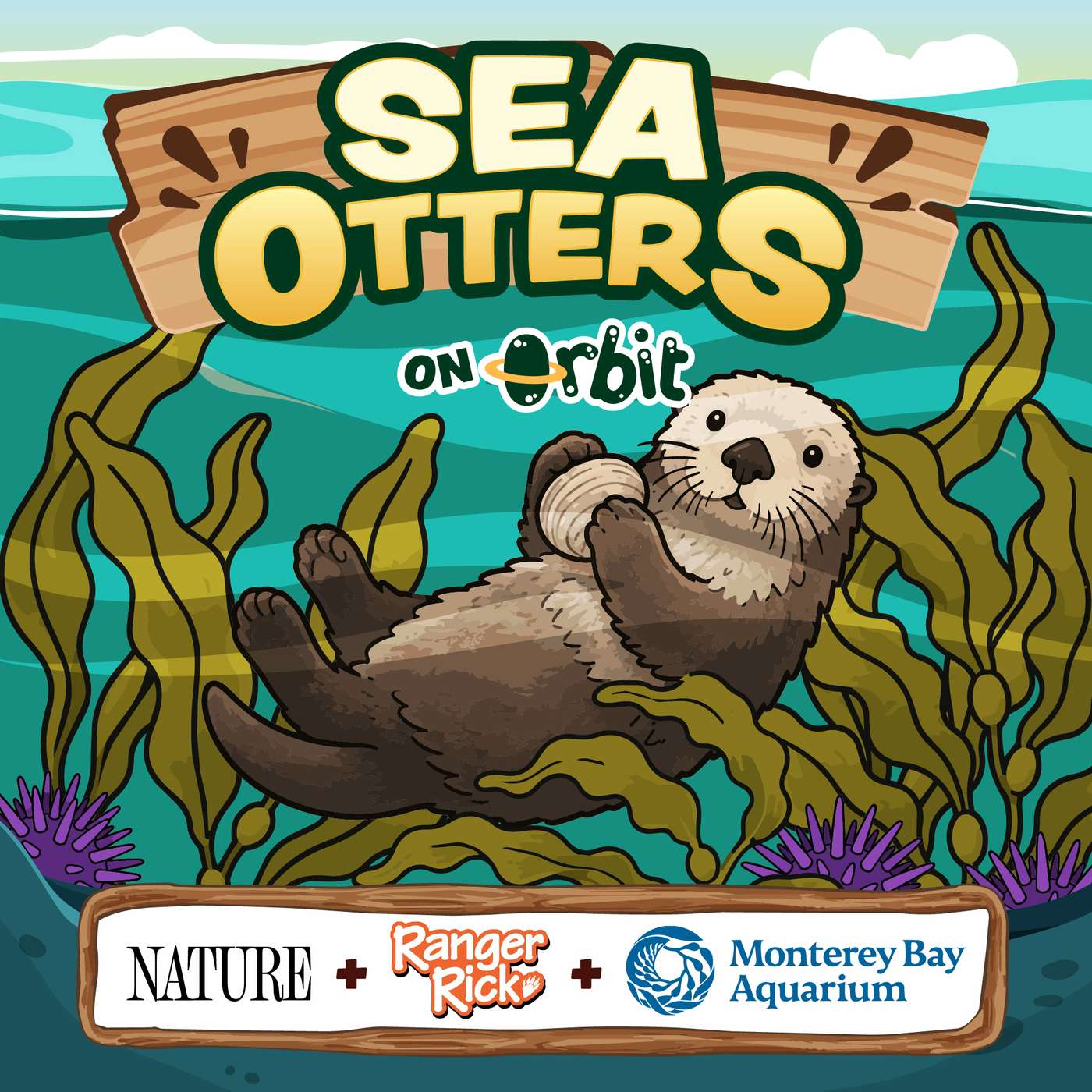
Sea otters aren't just adorable! They're a critically important keystone species for a fascinating underwater ecosystem - kelp forests! In this episode of the Wild Critters series, we're joined by marine biologist and sea otter expert Leilani Konrad from the Monterey Bay Aquarium, who teaches us about sea otters, the relationship with kelp and sea urchins, how they are on the of the few animals to use tools, and the incredible role of foster moms in raising orphaned pups! Part of the Wild C...
16 Sep 2026 · 28 min
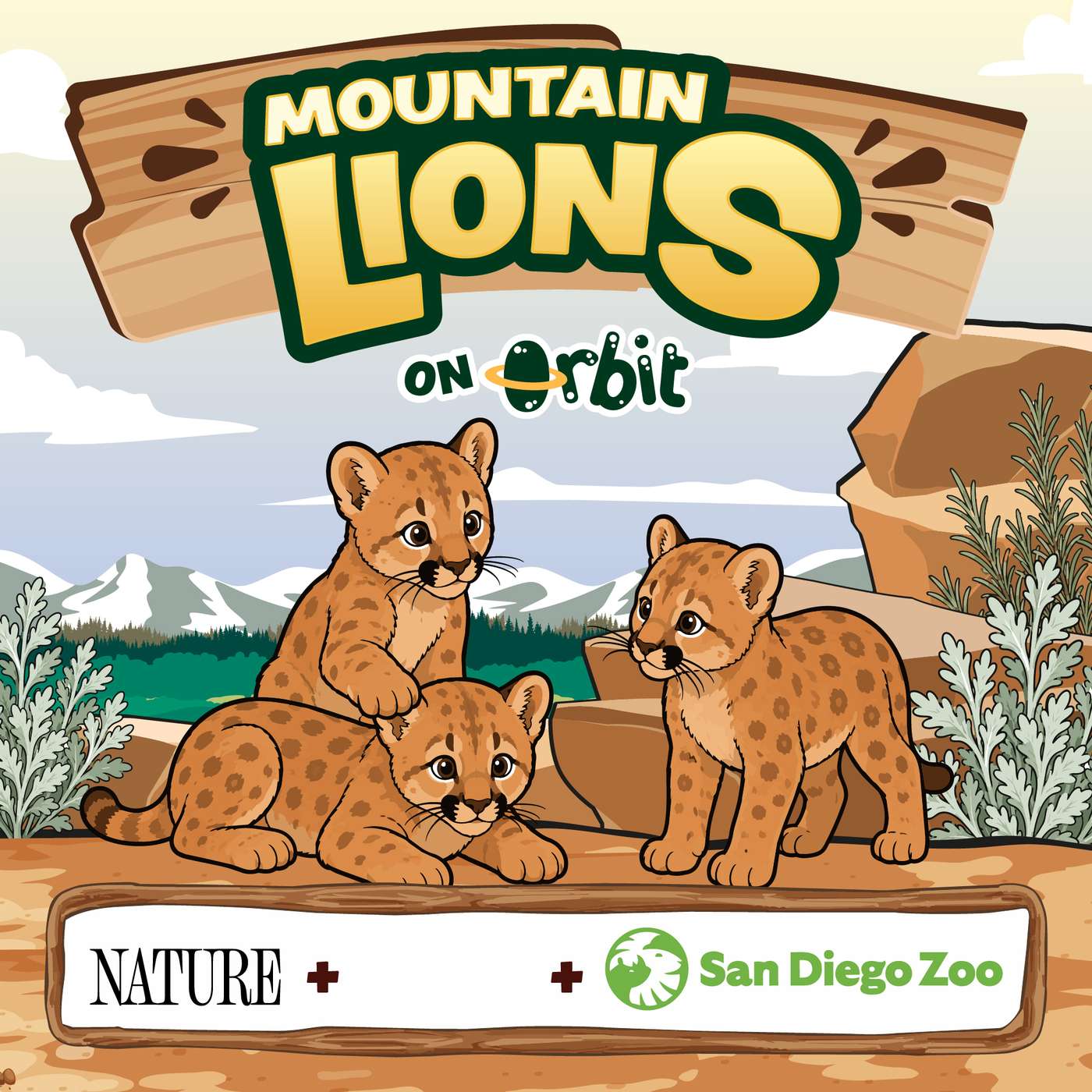
Three mountain lion cubs were left orphaned in the California wilderness, and a team of scientists raced to find them before it was too late! In this episode of the Wild Critters USA series on Orbit, families meet wildlife ambassador Marco Wendt from the San Diego Zoo Wildlife Alliance. We learn about the incredibly versatile mountain lion - which can be found from Canada all the way down to Argentina - including what makes it a stealthy hunter and how it adapts to an incredible variety...

2 Sep 2026 · 31 min
Did you know a coral reef, one of the largest structures ever built by a living creature, is made by an animal smaller than a grain of rice!? And that corals aren't plants or rocks at all, but tiny animals related to jellyfish and sea anemones!? In this episode, marine scientist Dr. Mike Henley from the Smithsonian's National Zoo and Conservation Biology Institute joins Orbit to explore the underwater world of coral reefs! Learn how thousands of tiny coral polyps build a single reef, how cora...

The Melo app keeps playing with the screen off, works in the car and on your watch, wakes you to your station, and browses the whole catalogue offline. Free, no ads, no account.


