Episode · Science Quickly
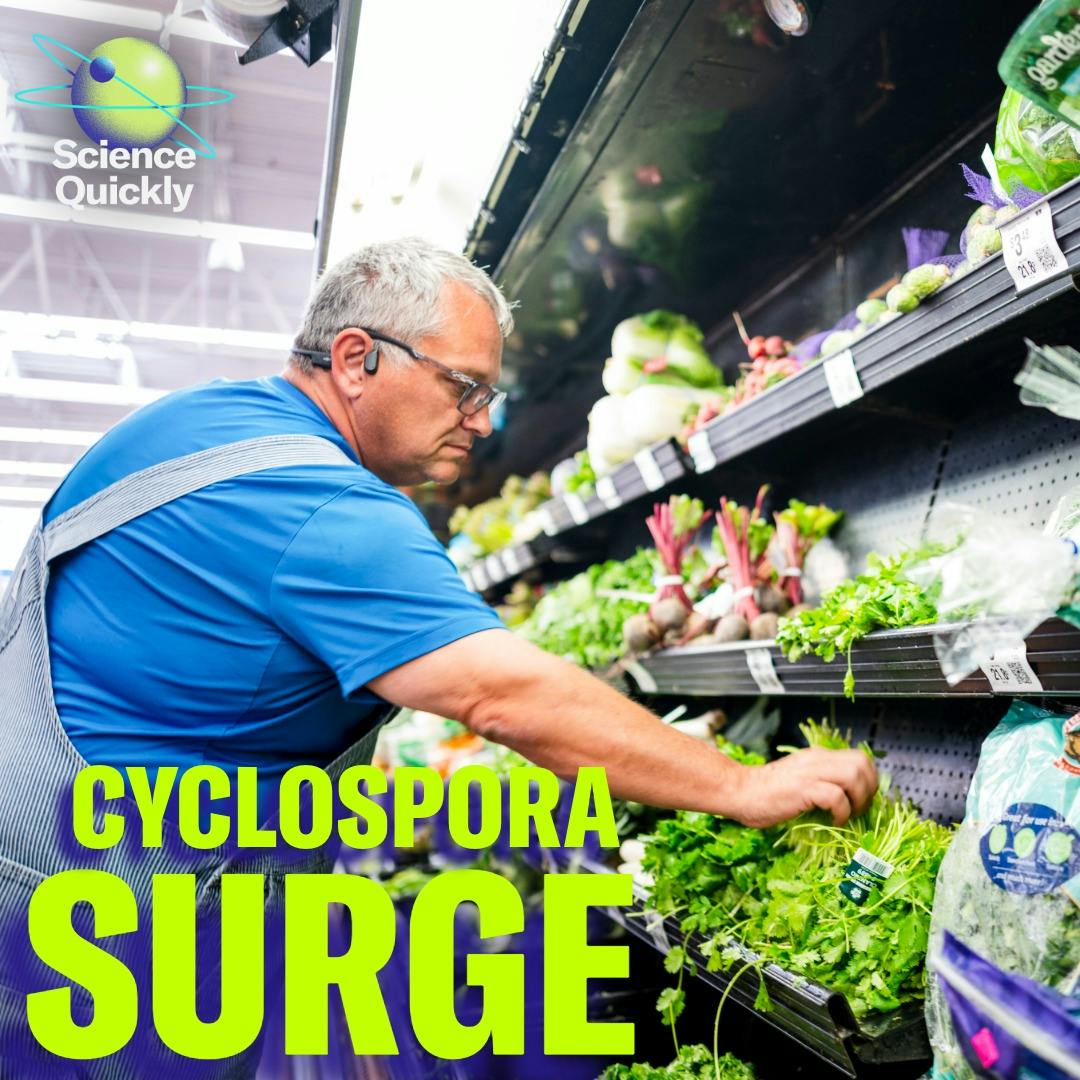
Explosive diarrhea, ‘protein maxxing’ and the science of burnout
3 Aug 2026 · 13 min
Episode · Science Quickly
3 Aug 2026 · 13 min
In this episode of Science Quickly, we unpack a major outbreak of Cyclospora infections linked to contaminated produce, explore new research that suggests that “protein maxxing” may do more harm than good and examine mental exhaustion’s effects on the decisions we make. Plus, Europe faces another devastating wildfire season, with one blaze having become so intense that it created its own weather. Recommended Reading: Is buying lettuce off the table all summer? How mental exhaustion changes the choices you make Eating less protein could help you live longer Inside the race to spot wildfires…
by Scientific American · English · Tech & Science
Host Rachel Feltman, alongside leading science and tech journalists, dives into the rich world of scientific discovery in this bite-size science variety show.
10 Aug 2026 · 14 min
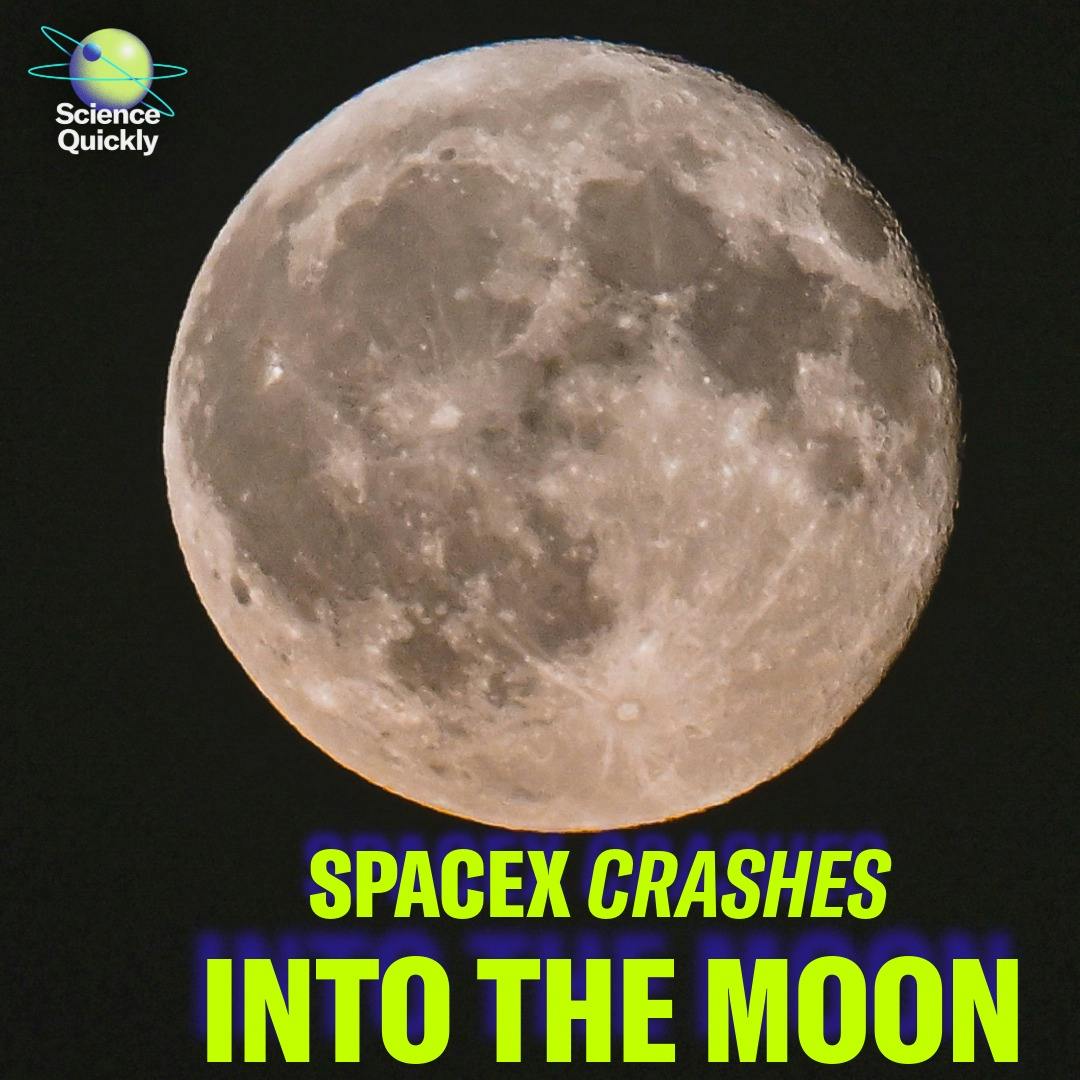
A wayward SpaceX rocket crashes into the moon, offering scientists a rare chance to study a lunar impact, while cyberattacks targeting U.S. water utilities raise concerns about critical infrastructure security. We also unpack the record-breaking Cyclospora outbreak driving shoppers to farmers markets and explore the Food and Drug Administration’s approval of the first mRNA-based flu vaccine. Recommended Reading: A SpaceX rocket is about to crash into the moon—scientists will be watching Elon Musk reveals SpaceX plans to build satellite factories on the moon In a first, U.S. approves powerful…
7 Aug 2026 · 14 min
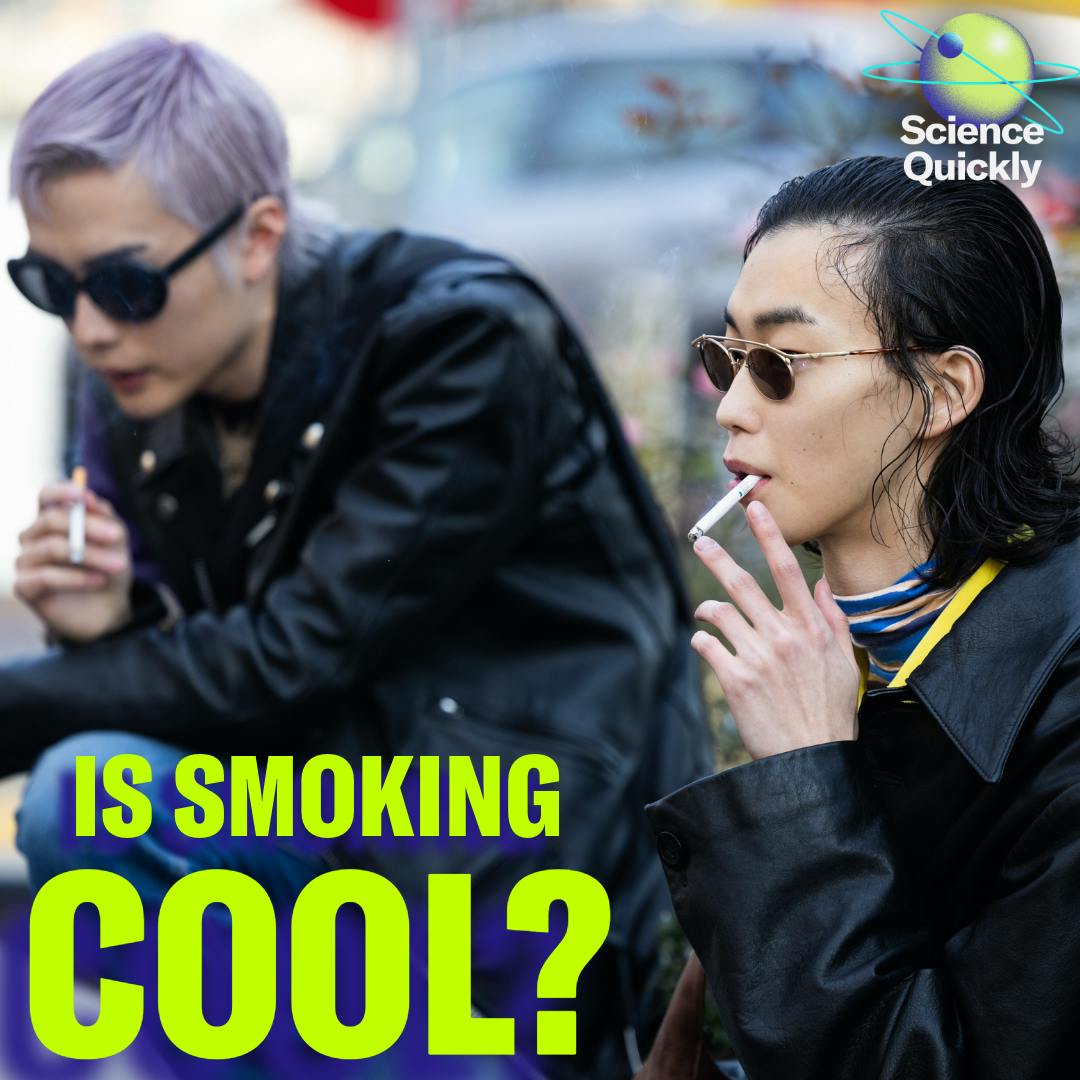
In this episode of Science Quickly, Scientific American’s Adam Kovac joins host Rachel Feltman to explore why some experts worry cigarettes may be making a comeback among Generation Z. They discuss how social media, celebrity influence and growing anxiety among young people may have roles in the possible trend and why public health researchers are watching it closely. Recommended Reading: Is Gen Z actually smoking more? An investigation Antinicotine advocates and lawmakers criticize the FDA’s decision to approve flavored vapes A smoking ban for people born after 2008 may be on the cusp of…
5 Aug 2026 · 25 min
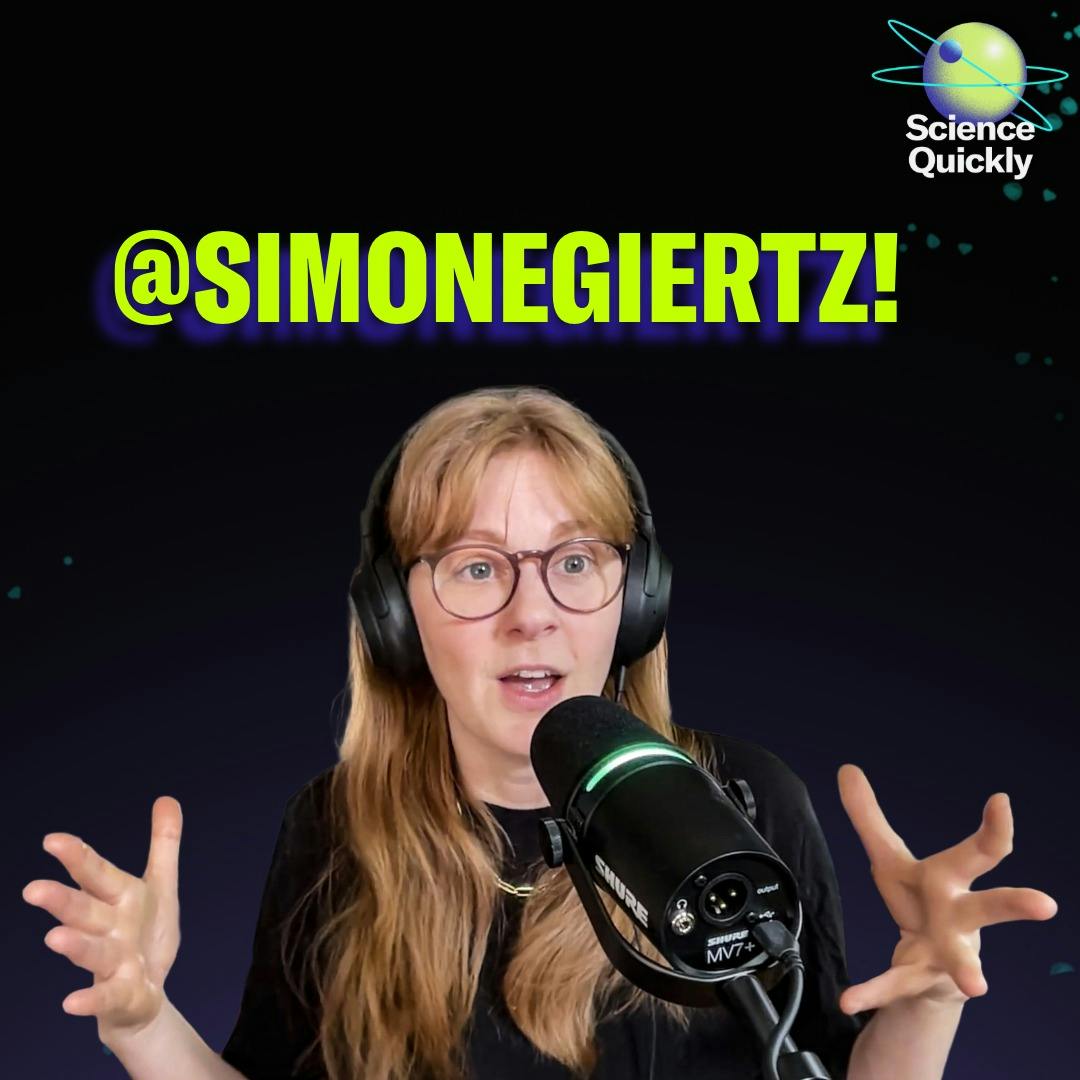
In this episode of Science Quickly, we talk with Simone Giertz, YouTube maker extraordinaire, about her life in science and the influencer spotlight. She started making, in her words, “shitty robots” and has evolved into a maker and product designer. But while she makes things to solve ordinary problems, her designs are anything but. Simone’s ethos is all about questioning why we use certain objects the way we do—and realizing that anyone can make up a new thing to make their lives a little better. Recommended Watching: Simone Giertz’s YouTube Join our Summer Reading Challenge…

31 Jul 2026 · 26 min
In this episode of Science Quickly, Scientific American’s books and culture lead Bri Kane talks with historian Craig Fehrman about This Vast Enterprise, his fresh take on the Lewis and Clark expedition. Rather than focusing solely on the famous explorers, Fehrman highlights the often overlooked people who made the journey possible, including Sacagawea, York and the expedition’s enlisted men. The conversation explores how science, survival, politics and personal stories shaped the expedition while challenging some of the myths many of us learned in school and revealing a much richer, more…
30 Jul 2026 · 8 min
Almost all of us know someone who suffers from an autoimmune disease. Or maybe you do yourself. Autoimmune diseases are common: only cancer and cardiovascular diseases are more prevalent. So how do you fight a body that is fighting against itself? argenx, an immunology innovation company that develops antibody-based therapies, is developing a new toolkit of molecules that can tamp down the rebelling part of the immune system. Scientific American Custom Media recently talked to argenx’s new CEO, Karen Massey about what's in the toolkit -- and how it's helping patients. This podcast was…

29 Jul 2026 · 14 min
Science Quickly’s summer reading series continues! Host Rachel Feltman chats with Scientific American books editor Bri Kane about the magazine’s Summer Reading Challenge and swaps recommendations—from queer physics memoirs and Pompeii history to ecohorror, sci-fi adventures and other books you won’t want to put down. They also discuss what makes a great summer read, what the joys of reading communities are and how listeners can participate in the challenge for a chance to win prizes. Recommended Reading: Join our Summer Reading Challenge E-mail us at sciencequickly@sciam.com if you have any…
9 Sep 2026 · 18 min
Friendships are key to our well-being, but what kind of friendships do we really want? Despite being such a foundational part of the human experience, the science of friendship is still mysterious. Assistant professor of psychology Jessica Ayers is trying to fill in the blanks. While it’s long been assumed that people want either a few close friends or a large network of friendships, her recent research shows that many people need a mix of both friendship types to feel connected. Her research points to new ways we can understand our own friendship styles and gives insight to the loneliness…

4 Sep 2026 · 16 min
What if a dating app could optimize human connection, even after death? In this episode of Science Quickly, books and culture editor Bri Kane speaks with author Sarah Pierce about her debut novel For Human Use, a darkly comic thriller centered on a dating app that matches users with dead bodies. Pierce discusses dating apps, human behavior and the search for meaningful connection. Together, they explore what modern dating technology can and can’t offer and what our reactions to a truly bizarre innovation reveal about human behavior. Recommended Reading: For Human Use. Sarah G. Pierce. Run…

2 Sep 2026 · 15 min
Across the U.S., the digital infrastructure that runs our utilities is quickly aging, becoming more vulnerable to cyber attacks. Recently at least a dozen states reported attacks on their water systems. Stepping up to defend these utilities is DEF CON Franklin, an organization that pairs expert volunteers with infrastructure operators who want to step up their cyberdefense. To learn about how the program works, Science Quickly host Rachel Feltman talks with Eric Geller, a senior reporter at Cybersecurity Dive. They talk about why so many water treatment plants need a cybersecurity glow-up,…
31 Aug 2026 · 14 min
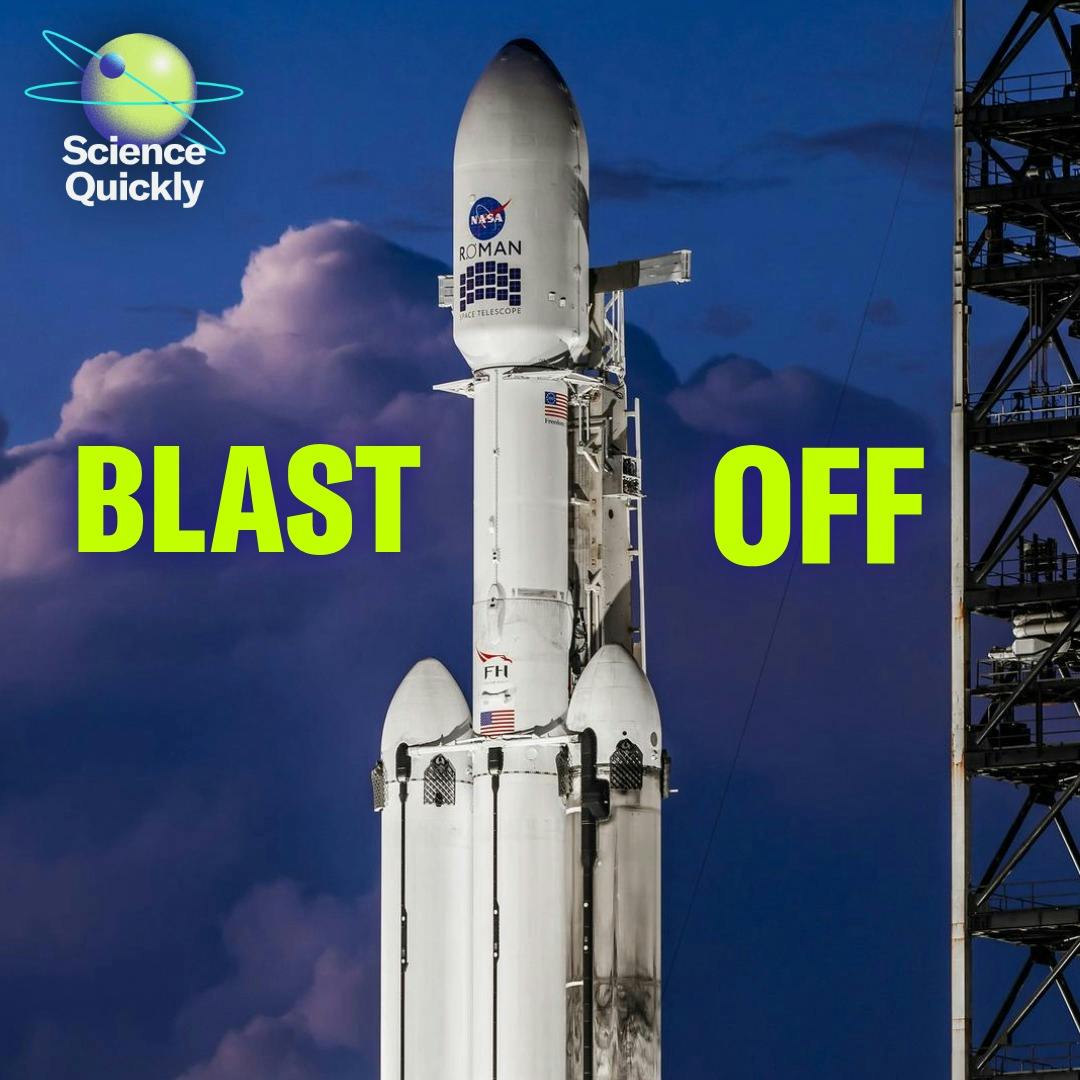
In this episode of Science Quickly, NASA’s Nancy Grace Roman Space Telescope begins its mission to probe dark energy, hunt for distant worlds and map the cosmos in unprecedented detail. The mission’s senior project scientist Julie McEnery explains why astronomers are so excited about what Roman might discover. Recommended Reading: NASA’s newest telescope is about to rewrite how we study the universe Can NASA’s Roman Space Telescope solve the biggest problem in the universe? E-mail us at sciencequickly@sciam.com if you have any questions, comments or ideas for stories we should cover!…

The Melo app keeps playing with the screen off, works in the car and on your watch, wakes you to your station, and browses the whole catalogue offline. Free, no ads, no account.