
Episode 1565 · Short Wave
What's missing from the lethal injection conversation
7 Oct 2026 · 15 minNew
Episode 1565 · Short Wave
7 Oct 2026 · 15 minNew
You might have seen the news that Christa Pike, a convicted murderer in Tennessee, did not die from the injections given to her as part of her death penalty sentence last week. After her failed execution, she was hospitalized, where she continues to receive critical medical care, according to her attorneys. Her survival is singular, but her mishandled execution is not. A review of executions carried out between 1890 and 2010 indicated that three out of every hundred executions were botched – and that lethal injection executions, which began in 1982, have a more frequent incidence of…
by NPR · English · Tech & Science
New discoveries, everyday mysteries, and the science behind the headlines — in just under 15 minutes. It's science for everyone, using a lot of creativity and a little humor. Join hosts Emily Kwong and Regina Barber for science on a different wavelength. Support public media by joining NPR+ at…

6 Oct 2026 · 13 minNew
We’re all aware – and wary – of doomscrolling. Lots of screen time can be bad for us. But what if that’s not always the case? We spoke with the author of a study that found a positive relationship between screen time and brain development in young people. This episode, we sort through what to actually worry about when it comes to screen time – and what guidelines already exist that can empower you and the kids in your life. Interested in learning more about how screen time affects your brain? Email us your question at shortwave@npr.org . Support public media with NPR+ and enjoy perks for…

E1563 · 5 Oct 2026 · 14 min
We’re easing you into Halloween season with an episode about bats . There’s a silent serial killer decimating little brown bats as they hibernate. White nose syndrome has driven populations across the U.S. to almost the brink of extinction over the last decade. But recently, conservation biologist Giorgia Auteri and her team noticed several genetic mutations in the survivors. These mutations could explain how natural selection has shifted the existing population – and inform conservation efforts in the future. Interested in more animal science? Email us your question at shortwave@npr.org .…

2 Oct 2026 · 10 min
Being more social has a ton of benefits: lower stress, decreased inflammation – even living a longer life! Recently, some scientists have added lowering your blood sugar to the list. To figure it out, researchers had people break bread both in duos and alone. And they think the results could tell us something about the roots of our social nature. Consider it another reason to prioritize our social lives. Interested in more science in the news? Email us your question at shortwave@npr.org . Support public media with NPR+ and enjoy perks for over 25 podcasts like this one. This show’s perks…

30 Sep 2026 · 14 min
If you, like us, clicked on the cute cat photos posted everywhere recently, announcing the discovery of the first new cat species in more than a century, you might have wondered how rare it is to find a new species. Turns out, it’s not! We live in an era of “unprecedented” discovery, says John Wiens , a professor of ecology and evolutionary biology at the University of Arizona. And scientists say we’re still just scratching at the surface of how much life exists on Earth. Interested in more science in the news? Email us your question at shortwave@npr.org . Support public media with NPR+ and…
E1560 · 29 Sep 2026 · 15 min
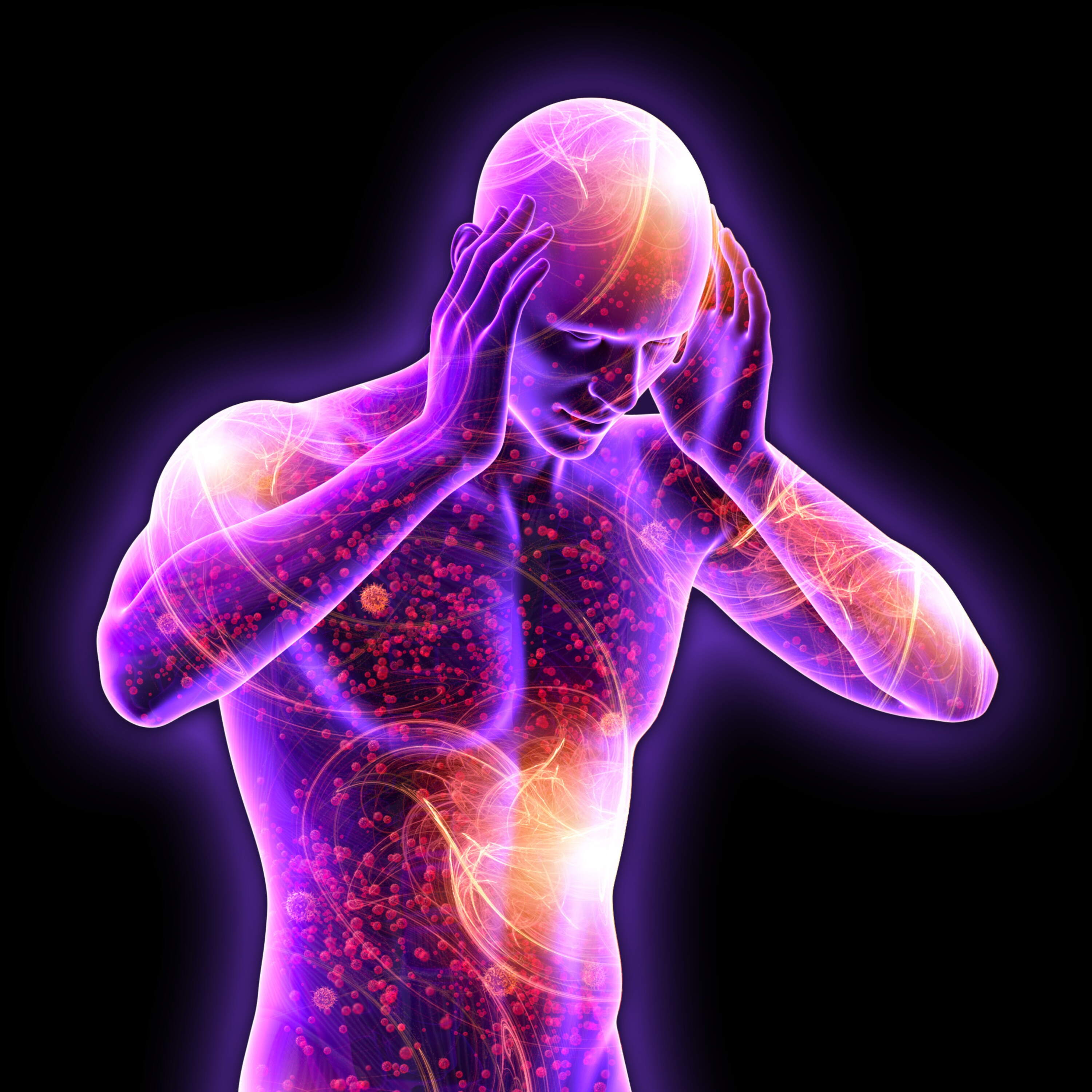
Inflammation is all over our feeds. Influencers claim it’s the reason you're bloated or fatigued, the source of digestive problems and the cause of more serious illnesses like Alzheimer's or cardiovascular disease. But how much of that is scientifically backed, and how viable are the solutions you see on social media? Short Wave talks to immunologist Shruti Naik to separate the health from the hype. Interested in more wellness science? Email us your question at shortwave@npr.org . Support public media with NPR+ and enjoy perks for over 25 podcasts like this one. This show’s perks include…
28 Sep 2026 · 14 min
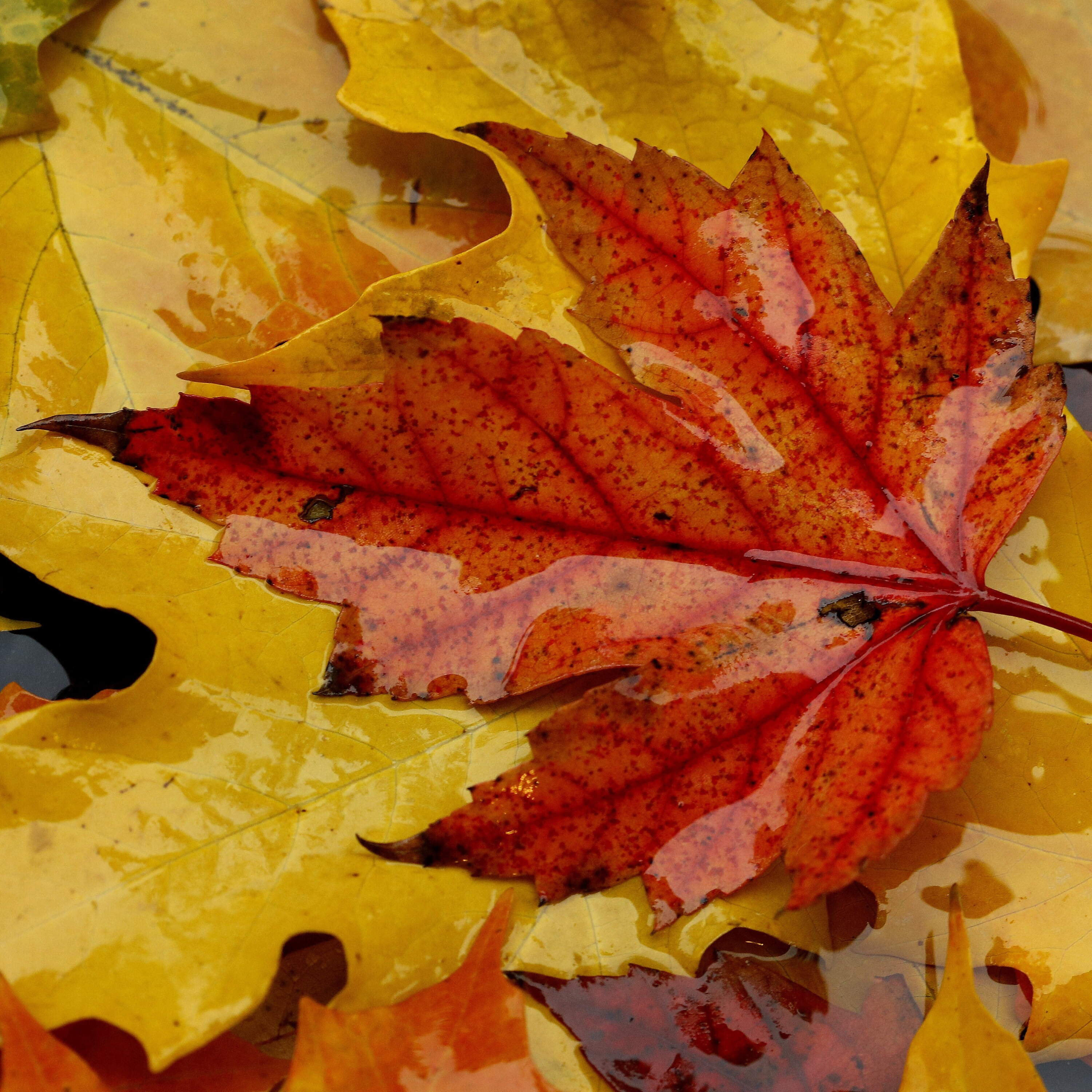
Leaves turn yellow in the fall because Chlorophyll breaks down, revealing the yellow pigment that was there all along. But why red? Red is a different story altogether. Leaves have to make a new pigment to turn red. Why would a dying leaf go an extra mile to do that? Scientists don’t really know. NPR science correspondent Nell Greenfieldboyce reports on the leading hypotheses out there. Read more of Nell's reporting on this topic . Interested in more seasonal science? Email us your ideas at shortwave@npr.org . Support public media with NPR+ and enjoy perks for over 25 podcasts like this one.…

25 Sep 2026 · 13 min
The world is bracing for the worst effects of a Super El Niño. Or a Godzilla El Niño. But what does that really even mean? For millennia El Niño has shaped weather across the globe, fueling flooding in parts of the U.S., droughts and wildfires in Australia and Indonesia, and disrupting fisheries across the Pacific. Scientists have long wondered if human activities — chiefly the burning of fossil fuels — are making El Niños stronger. Now, on the eve of the strongest El Niño on record, a team of researchers think they have an answer. Interested in more science behind the weather? Email us your…

E1557 · 23 Sep 2026 · 14 min
Measles is making a comeback. Ongoing outbreaks in Pennsylvania, South Carolina, Texas, and Utah have documented hundreds of cases, mostly among unvaccinated people. And while local and federal politicians debate the definitions and impact of those measles-associated deaths, health experts worry that we’re overlooking the real problem: the threat of a full-scale epidemic. Today, we talk to one of those experts – epidemiologist Michael Mina – to figure out who’s most at risk and whether there’s any way for us to turn this epidemic around. Interested in more health and medical news? Email us…

E1556 · 22 Sep 2026 · 13 min
Your self-worth today can be affected by your memories. But you have power over those memories – when you re-experience them. By doing that, you can reshape your self-esteem for the better and change your perspective. That idea and the broader science of self-worth are at the heart of Marisa Franco’s new book Worth. It’s so intriguing to us, we couldn’t pass up the chance to share it with you. That’s why today’s episode is a peek at a conversation Marisa had about self-worth on NPR’s self-help podcast Life Kit . Interested in more psychology episodes? Email us your question at…

19 Sep 2026 · 11 min
Remember your mom, dad and teachers telling you to read because it’s good for you? Well, a compilation of the latest research shows they were right. “Reading is one of the simplest and most accessible activities for actually supporting cognitive performance, brain health, mental health, but also overall wellbeing throughout our lives,” said Christelle Langley, a cognitive neuroscientist at the University of Cambridge and co-author of review, published in the journal Psychological Medicine. The review looked specifically at recreational reading — reading for fun — and found broad benefits for…

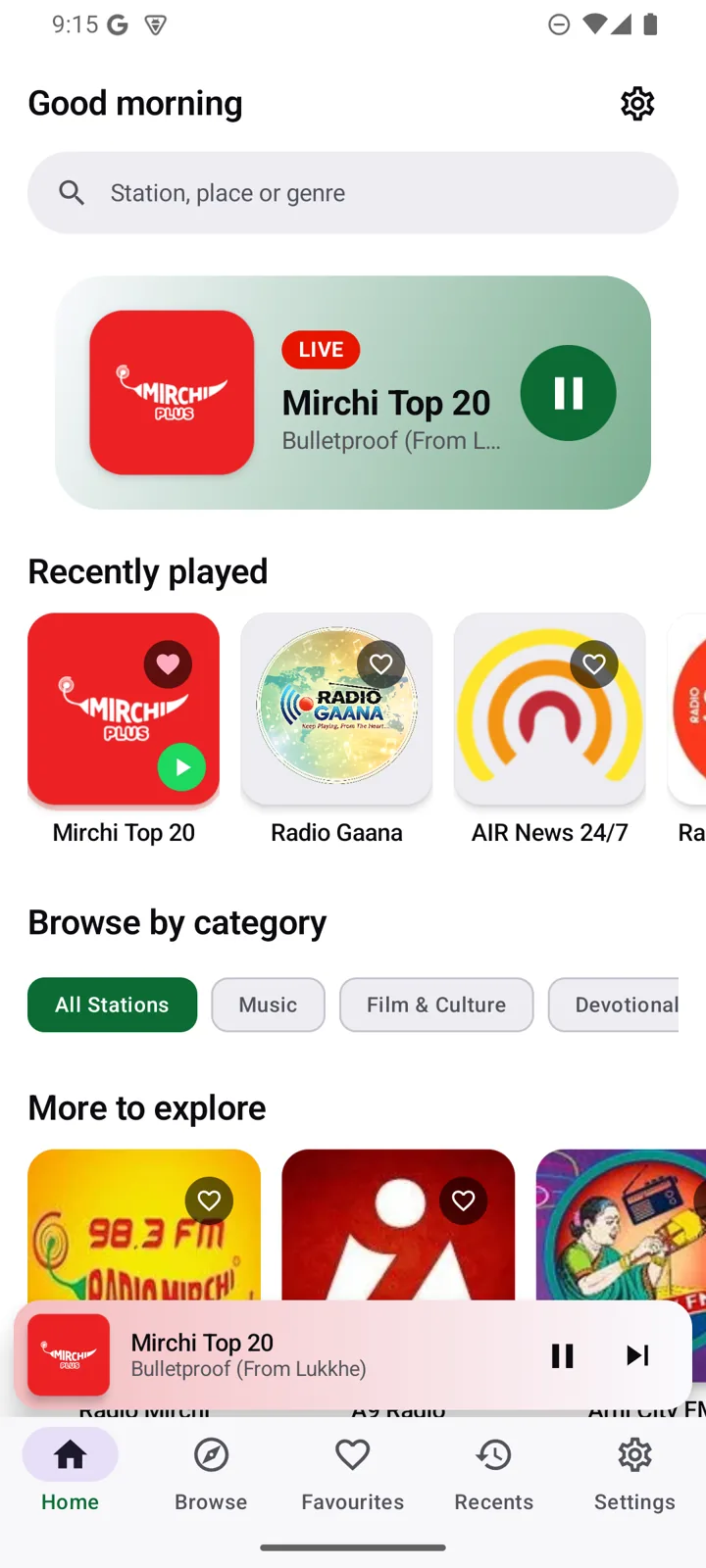
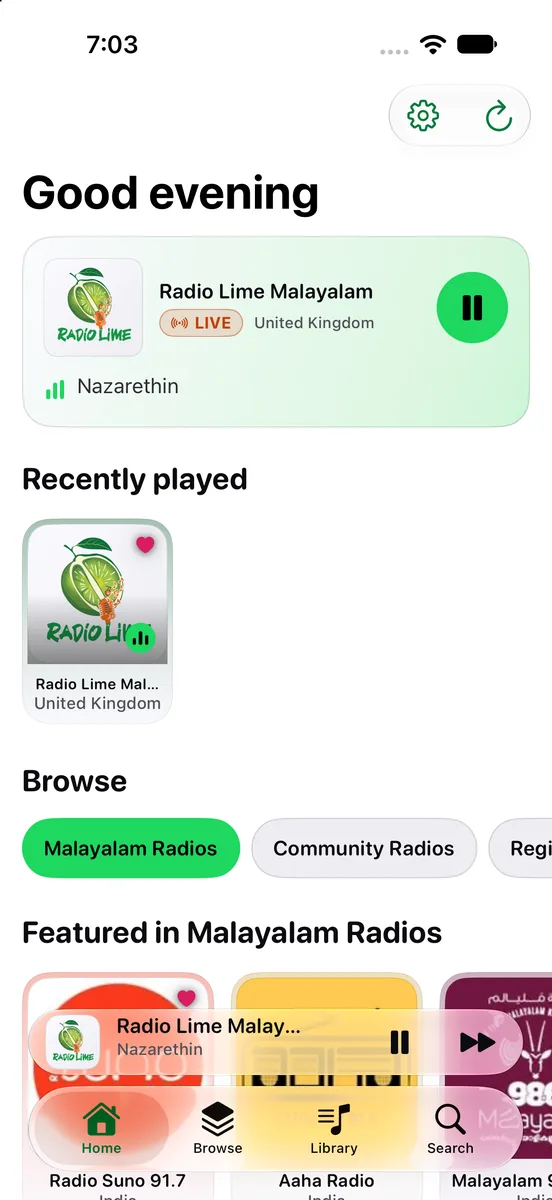
The Melo app keeps playing with the screen off, works in the car and on your watch, wakes you to your station, and browses the whole catalogue offline. Free, no ads, no account.