
Episode · TED Health
Does touch strengthen your brain? with David Eagleman (Senses Miniseries #1)
11 Aug 2026 · 27 min
Episode · TED Health
11 Aug 2026 · 27 min
David Eagleman is a neuroscientist who studies brain plasticity and how our senses help us perceive the world. Over the next 5 weeks, Shoshana is diving into ideas about our senses. First up she invites David to talk about touch and its relationship to brain plasticity. She then asks what role touch plays in a world that is increasingly digital and mediated by screens. Hosted on Acast. See acast.com/privacy for more information.
What does exercise do to your brain? Can psychedelics treat depression? From smart daily habits to new medical breakthroughs, welcome to TED Health, with host Dr. Shoshana Ungerleider . TED speakers answer questions you never even knew you had, and share ideas you won't hear anywhere else, all arou
27 Aug 2026 · 25 min
Have we lost the practical wisdom of what happens as people die? With lessons from a career witnessing thousands of people's final breaths, palliative care expert Kathryn Mannix urges us to demystify the experience of death, sharing how a better understanding of what actually happens can reduce fear in the final days, for you and your loved ones. After the talk, Shoshana shares how one patient changed her life forever and led her to found endwellproject.org, a platform dedicated to making end-of-life PART of life. This episode originally aired on March 26, 2024. Hosted on Acast. See…
25 Aug 2026 · 34 min
Are screens ruining our eyesight? Will eating carrots fix your vision? And are blue light glasses essential… or a scam?! In this episode in the five-part miniseries on senses, Dr. Rupa Wong joins Shoshana to talk about eye diseases, what technology is doing to our vision, and why spending at least 2 hours a day in the sun can help your eyesight. Hosted on Acast. See acast.com/privacy for more information.
18 Aug 2026 · 18 min
With fascinating research and hilarious anecdotes, neuroscientist Camilla Arndal Andersen takes us into the lab where she studies people's sense of taste via brain scans. She reveals surprising insights about the way our brains subconsciously experience food -- and shows how this data could help us eat healthier without sacrificing taste. Hosted on Acast. See acast.com/privacy for more information.

4 Aug 2026 · 54 min
Trigger warning - this episode contains mention of suicide and severe depression. For years, the warning has been: smartphones are destroying a generation. But developmental psychologist Candice Odgers says that decades of data on teens tells a different story — violence, alcohol use and pregnancy are at historic lows, and research shows social media may not actually be the culprit for mental health problems. Hear her analysis of what’s really troubling kids these days, and why banning them from online spaces may make things worse. And stick around after her talk for a deep dive conversation…
30 Jul 2026 · 40 min
Why do we feel exhausted all the time? We’ll get through the workday, collapse on the couch, scroll for a while, and go to bed… but wake up still feeling depleted. In this episode, Shoshana seeks to understand the concept of“deep rest.” She speaks to psychologist Dr. Alexandra Crosswell on the role stress plays in our daily lives and what safety has to do with bodily repair and restoration. Talk featured What’s the best position to sleep in? | Rachel Marie E. Salas Hosted on Acast. See acast.com/privacy for more information.
30 Jul 2026 · 39 min
In this episode, Shoshana invites Dr. Vivek Murthy, the 19th and 21st Surgeon General of the United States, to discuss the ongoing loneliness epidemic. After the interview, Shoshana shares a TED-Ed talk from Terry Kupers, "What happens to your brain without social contact?" Everyone needs time to themselves, and peaceful solitude has stress-relieving benefits. But when being alone is forced upon you, the effects can be surprisingly extensive. And though different people experience distinct effects, symptoms tend to become more severe and persistent the longer they're isolated. So, how…
6 Oct 2026 · 33 min
From group chats to video calls, technology should make social connection easier than ever. So, why is everyone so lonely? In this episode, Sabrina sets out to investigate the "loneliness epidemic" that is sweeping the globe and impacting her friends and cohosts. She interviews Professor Fay Bound-Alberti, author of "A Biography of Loneliness: The History of an Emotion" to understand what loneliness is, where it comes from, and whether there is a "cure". In the process, Taha and Melissa challenge Sabrina to tackle her own loneliness through a sidequest that reveals just how hard connection…

29 Sep 2026 · 37 min
Where does pain originate? According to Rachel Zoffness, a scientist and psychologist who studies pain, research shows that pain originates in the brain. In this episode Rachel joins Shoshana to talk about how stress and anxiety can amplify pain. They also discuss the ways medical programs fall short when they don’t teach biopsychosocial pain education and how understanding pain can help you regain power over your body. Hosted on Acast. See acast.com/privacy for more information.
24 Sep 2026 · 12 min
Your belly and your brain speak to each other, says obesity researcher Mads Tang-Christensen. Offering scientific proof that obesity is a disease influenced by genetics and the environment, he introduces a molecule discovered in both the brain and gut that helps control appetite -- and which could be engineered to promote healthy weight loss for those living with obesity. Hosted on Acast. See acast.com/privacy for more information.

24 Sep 2026 · 16 min
Women and girls with autism spectrum disorder often don’t display the behaviors people typically associate with neurodivergence, greatly impacting when, how -- and if -- they are diagnosed. Autism acceptance advocate Kate Kahle makes the case for more research into this gender discrepancy, sharing her personal experience with masking, being diagnosed as a teenager and how it allowed her to better understand herself. “Autism is not a disease, and it doesn’t need to be cured,” she says. “It’s just a different way some brains can work.” Hosted on Acast. See acast.com/privacy for more information.

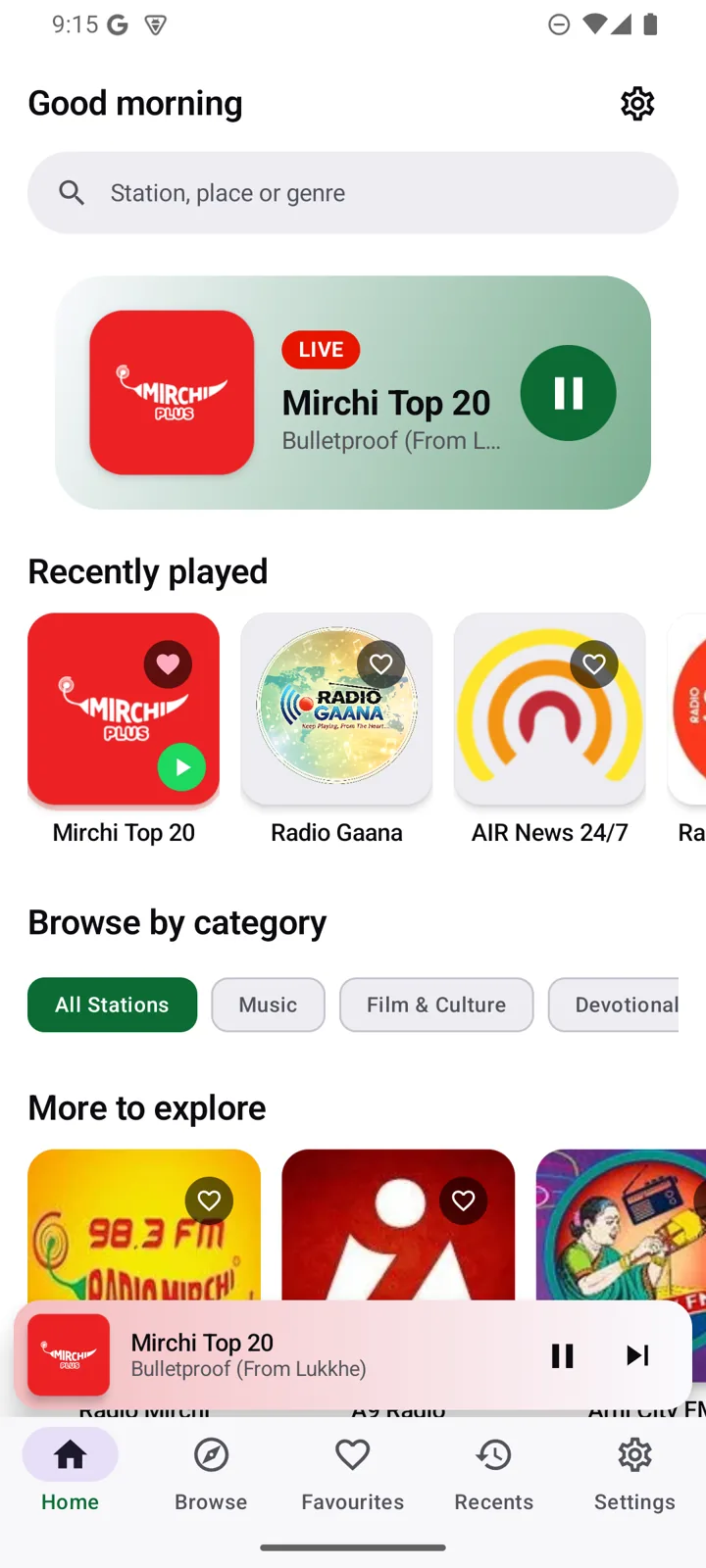
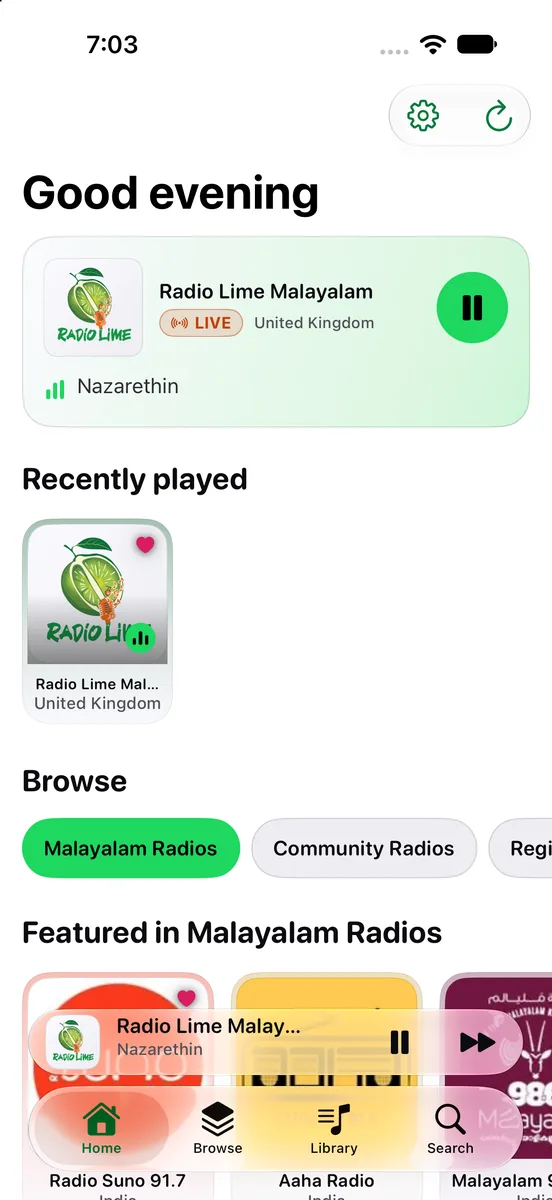
The Melo app keeps playing with the screen off, works in the car and on your watch, wakes you to your station, and browses the whole catalogue offline. Free, no ads, no account.