

Episode notes
Graihagh Jackson talks to mothers from India, Kenya and the UK about how climate change is affecting women's decisions about whether to have children and how to raise them. Her guests are Bhavreen Kandhari, a clean air campaigner from Delhi; Dr Susan Chomba, a Kenyan forest scientist and environmentalist; and Dr Elizabeth Cripps, a political philosopher specializing in climate justice. This programme was first broadcast in 2025. Got a question for The Climate Question? Email us: theclimatequestion@bbc.com Produced and presented by Graihagh Jackson Sound mix: Tom Brignell and Neil Churchill…
The Climate Question
by BBC World Service · English · Tech & Science
Why we find it so hard to save our own planet, and how we might change that.
More from The Climate Question
-
23 Aug 2026 · 23 min
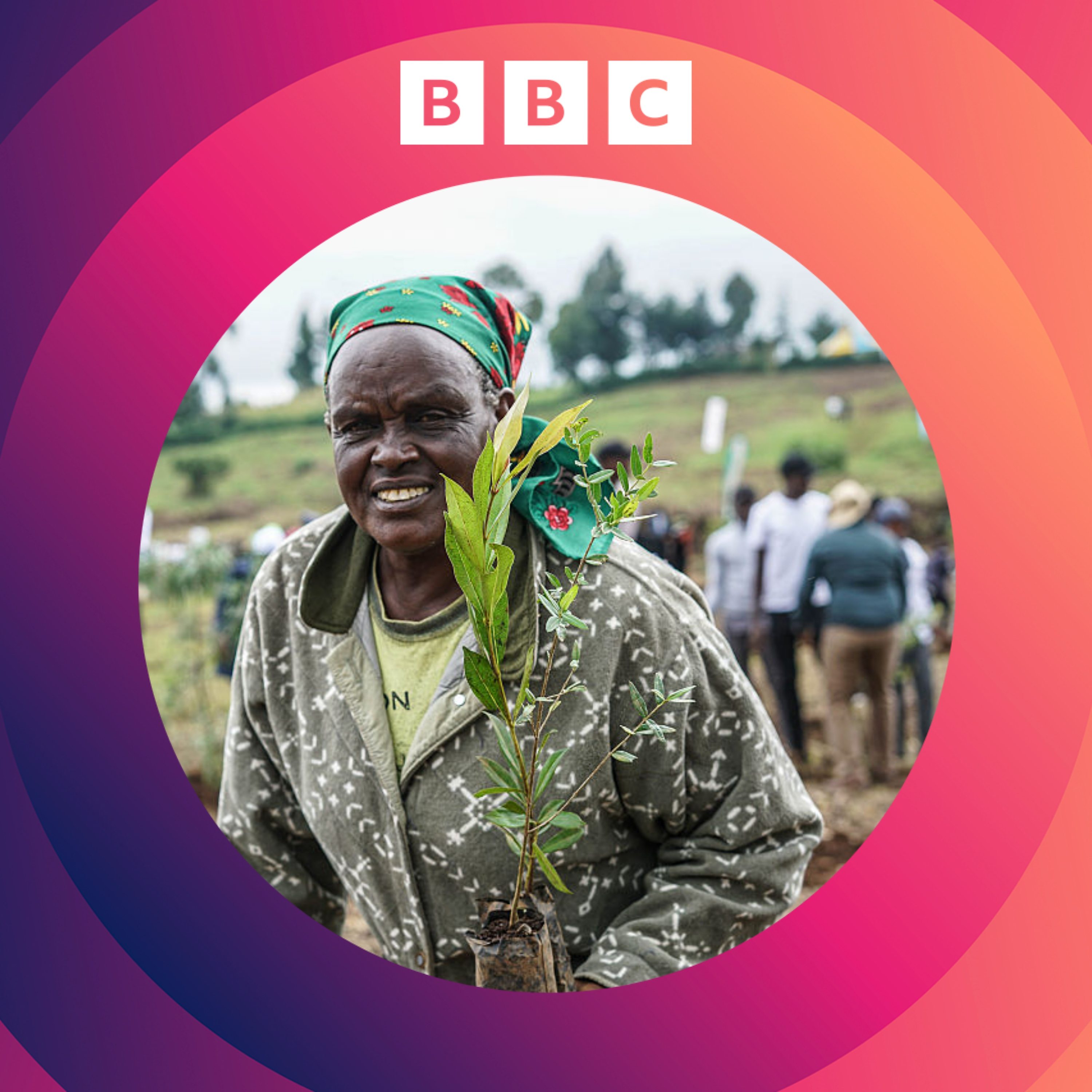
How do we save Africa's forests?
African forests are vital for food and economic development, as well as for supporting millions of species of animals and plants. We find out how to protect them better with one of Africa’s top environmentalists! From the giant Congo rainforest to the Kenyan highlands and the mangroves of Mozambique, Africa’s forests are some of the most spectacular places on Earth. And these sensitive ecosystems are not just important for Africa: they play a vital role in the global climate because they store huge amounts of carbon dioxide and pump out oxygen. Kenyan environmentalist Wanjira Mathai has been…
-

16 Aug 2026 · 26 min
Is air conditioning the answer to extreme heat?
Experts say we may now need to spend more on cooling our homes than heating them because of climate change. In fact, the International Energy Agency thinks the equivalent of 10 new air conditioners every second will be installed for the next 30 years! This surge in air con will put strain on the world’s electricity grids, which are still mostly powered by fossil fuels. The units also pump heat into the streets outside our homes – making cities feel even hotter when we step outside. But there are alternative options – like redesigning houses to include more shading and increase the air flow,…
-
9 Aug 2026 · 23 min
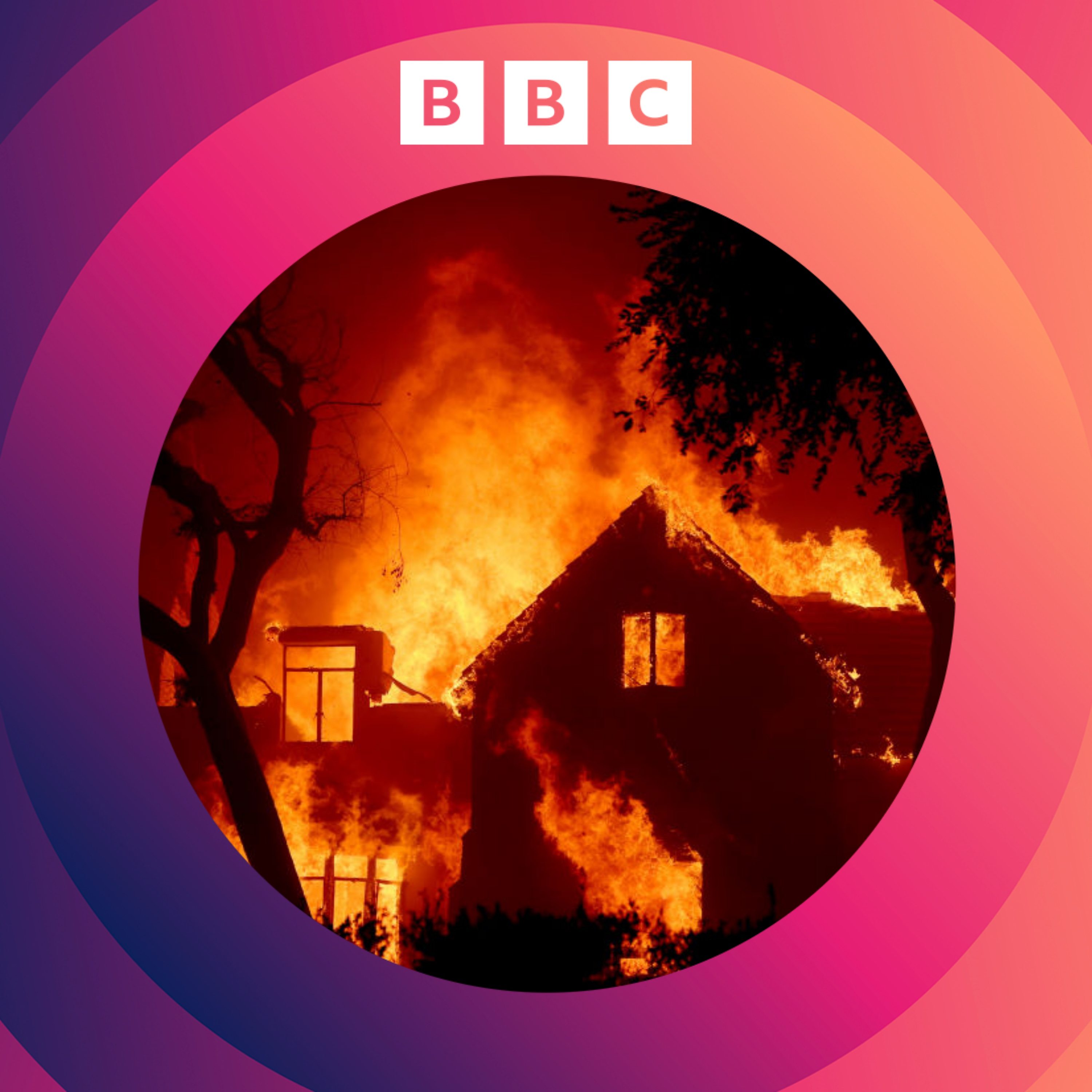
Is this a new era of wildfires?
Huge wildfires have been sweeping across Southern Europe and North America. Is climate change increasing the risk? And what can we do? Weather experts say the world is starting to see new types of wildfire – including enormous Pyrocumulonimbus fire clouds that spit lightning and black hail. These infernos can burn for more than a year. They can also spawn fire tornadoes, which move at more than 200 kilometres an hour, destroying everything in their path. The Climate Question hosts Graihagh Jackson and Jordan Dunbar talk to John Vaillant, the author of “Fire Weather”, about how wildfires are…
-
26 Jul 2026 · 26 min
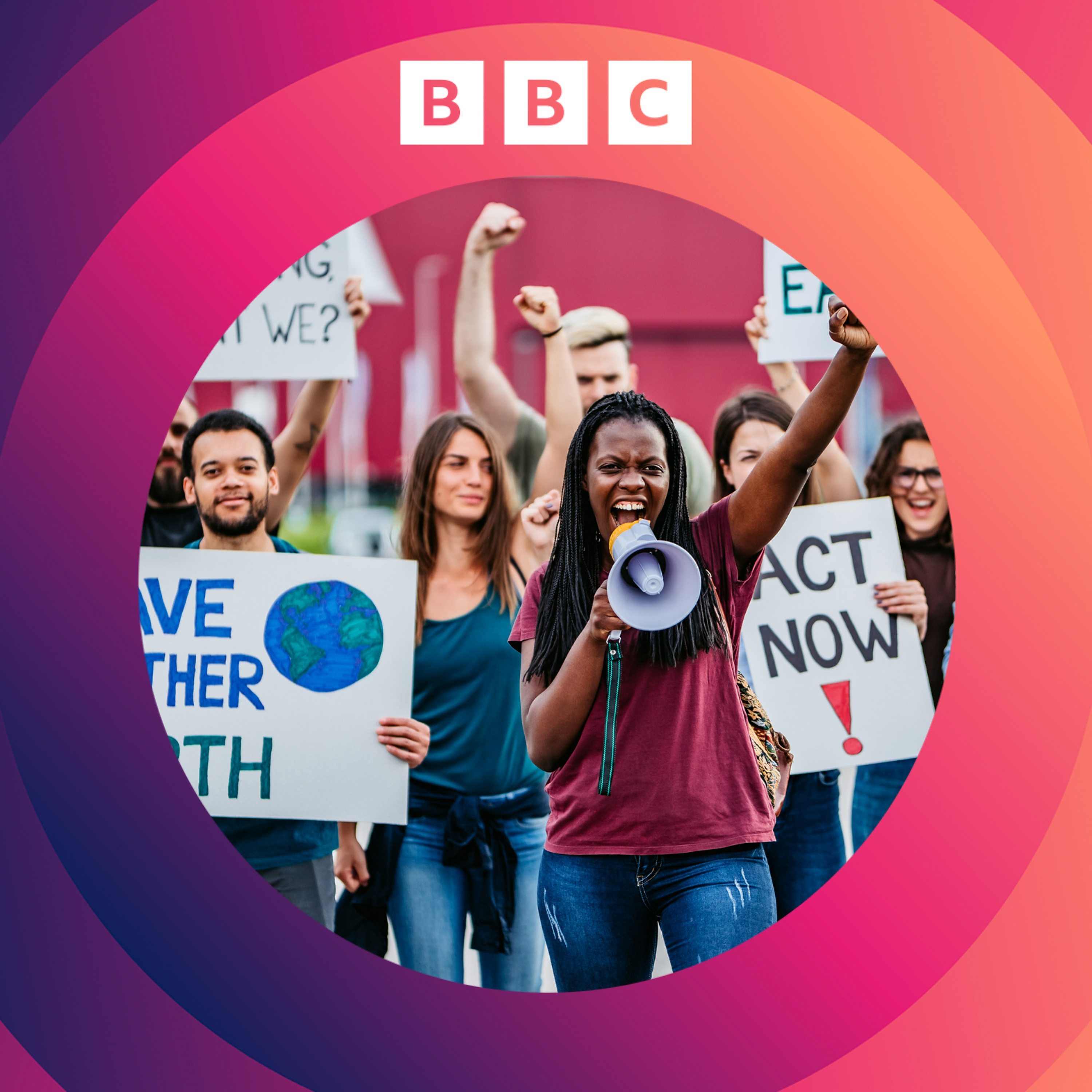
Do climate protests ever work?
Climate activists have blocked highways, scaled oil rigs and even thrown soup at master artworks. But have protests ever made a difference? The modern green movement started in the 1970s when Greenpeace sailed a fishing boat towards a nuclear test site in Alaska. It now encompasses everything from bake-ins and marches to Radiohead concerts. A small minority of activists even favour breaking the law to raise awareness about climate change. Some of them have superglued themselves to railings and blocked bridges. BBC Climate Editor Justin Rowlatt has made a new podcast series about the green…
-

19 Jul 2026 · 26 min
Could climate change fuel an epidemic?
Scientists are warning that climate change and deforestation increase the risk of outbreaks of deadly diseases. How big is the danger? And what action can we take? Dr Neil Vora is a so-called “disease doctor” - an epidemiologist who has travelled the world to help trace the sources of outbreaks of Ebola, cow pox and rabies. Dr Vora tells The Climate Question hosts Graihagh Jackson and Jordan Dunbar about his specialism in zoonotic diseases, which are caused by infections passing from animals to humans. He is worried that the combination of climate change and cutting down forests will lead to…
-

12 Jul 2026 · 26 min
Can science fiction help us fight climate change?
The acclaimed US sci-fi author Kim Stanley Robinson is also a star in the world of climate activism because his work often features climate change - on Earth and beyond. Robinson has been a guest speaker at the COP climate summit, and novels such as The Ministry For The Future and The Mars Trilogy are admired by everyone from Barack Obama to former UN climate chief Christiana Figueres. Robinson's books are not just imaginative but scientifically accurate, and some of their ideas have even inspired new thinking about climate-proofing technology. Kim Stanley Robinson spoke to the Climate…
-
11 Oct 2026 · 23 minNew
Are we ready for a super El Niño?
When a powerful El Niño strikes, it can devastate harvests, flood communities and kill thousands of people. Scientists have been warning for months that this one could become the strongest on record. The question is: are we ready? In this episode of The Climate Question, hosts Graihagh Jackson and Jordan Dunbar find out how communities in Kenya and Peru are preparing for a potentially historic El Niño. They speak to BBC Nairobi Correspondent Thomas Mukhwana and Miguel Aristegui from the international development charity Practical Action about the challenges that lie ahead. From flood-prone…
-

4 Oct 2026 · 26 min
The battery revolution
From Mongolia to Texas, record numbers of lithium-ion batteries are being added to the world's electricity grids - helping to provide more reliable power and speeding up the transition to renewable energy sources such as wind and solar. China is installing over half of these new batteries, often in giant battery farms, followed by the United States and Europe. And with prices dropping fast, the trend is likely to continue and spread to more developing countries. But is battery development moving fast enough to help us meet our climate goals? And what about alternatives to lithium-ion…
-

27 Sep 2026 · 29 min
Climate overshoot: The world beyond 1.5°C
The United Nations says the world will pass its most important climate target within a few years. So can we bring the planet's temperature back down quickly? Or will the damage be irreversible? In 2015, world leaders agreed in Paris to try to keep the global temperature below 1.5 degrees above pre-industrial levels to avoid the worst effects of climate change. But the UN now says what scientists call "overshoot" is guaranteed, and it may have devastating consequences. Experts are worried that the higher temperature may trigger "tipping points" in vital parts of our planet's climate system,…
-

20 Sep 2026 · 23 min
The solar power boom in Pakistan and the Philippines
The Philippines and Pakistan are now the world's top solar panel importers. We find out why, and what other countries can learn from the boom! Cheap solar panels, mainly imported from China, are transforming lives and slashing electricity bills across Asia. In the last year, Filipinos have put up five times as many rooftop solar panels as the previous ten years combined. Installation companies are struggling to keep up with demand. In Pakistan, where the boom started earlier, solar power has reached every sector of the economy from the textile industry to farming. Solar has helped Pakistanis…

Take it with you
The Melo app keeps playing with the screen off, works in the car and on your watch, wakes you to your station, and browses the whole catalogue offline. Free, no ads, no account.


