

Episode notes
Scientists are warning that climate change and deforestation increase the risk of outbreaks of deadly diseases. How big is the danger? And what action can we take? Dr Neil Vora is a so-called “disease doctor” - an epidemiologist who has travelled the world to help trace the sources of outbreaks of Ebola, cow pox and rabies. Dr Vora tells The Climate Question hosts Graihagh Jackson and Jordan Dunbar about his specialism in zoonotic diseases, which are caused by infections passing from animals to humans. He is worried that the combination of climate change and cutting down forests will lead to…
Podcast
The Climate Question
BBC World Service · Tech & Science · English
Why we find it so hard to save our own planet, and how we might change that.
More from The Climate Question All episodes →
-
23 Aug 2026 · 23 min
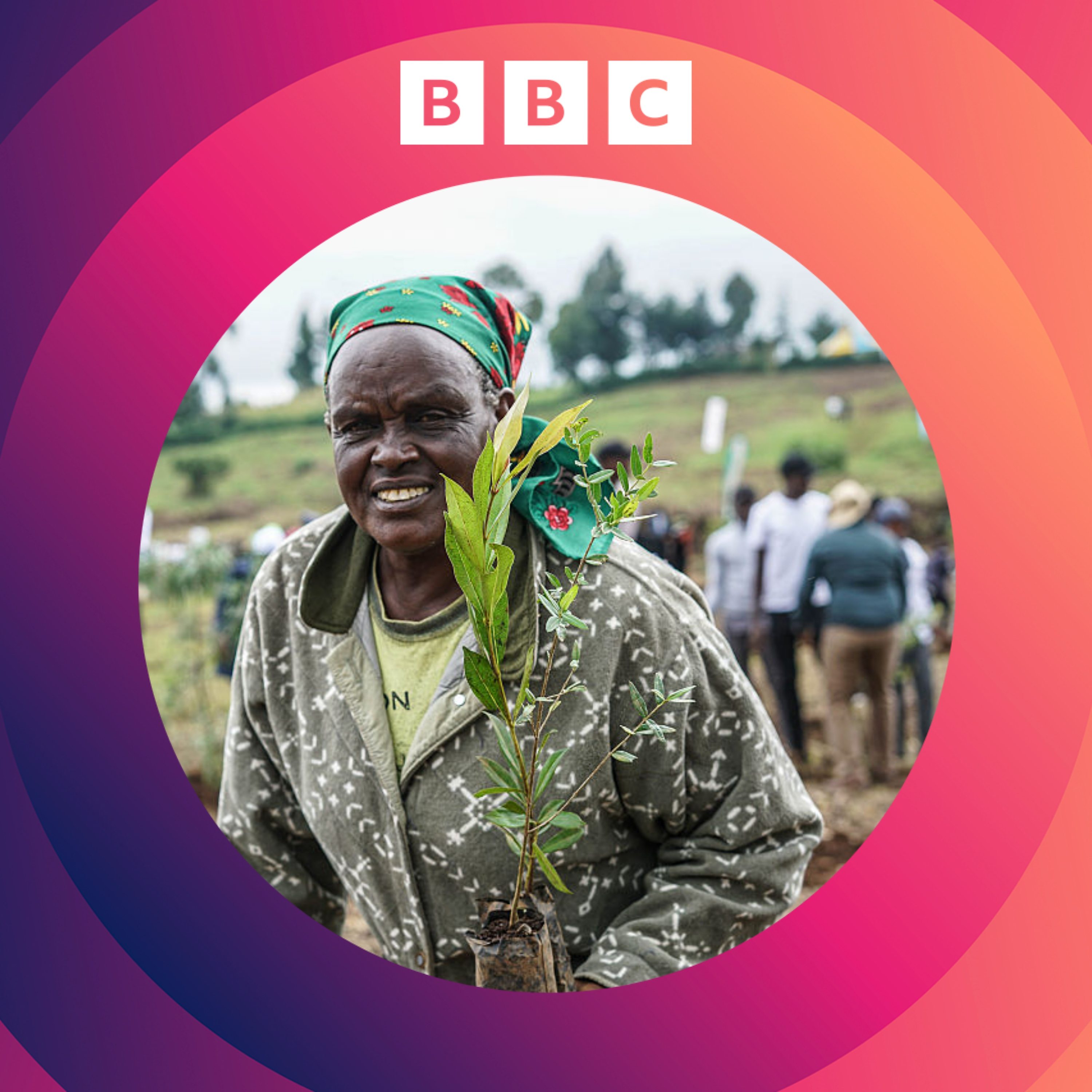
How do we save Africa's forests?
African forests are vital for food and economic development, as well as for supporting millions of species of animals and plants. We find out how to protect them better with one of Africa’s top environmentalists! From the giant Congo rainforest to the Kenyan highlands and the mangroves of Mozambique, Africa’s forests are some of the most spectacular places on Earth. And these sensitive ecosystems are not just important for Africa: they play a vital role in the global climate because they store huge amounts of carbon dioxide and pump out oxygen. Kenyan environmentalist Wanjira Mathai has been…
-

16 Aug 2026 · 26 min
Is air conditioning the answer to extreme heat?
Experts say we may now need to spend more on cooling our homes than heating them because of climate change. In fact, the International Energy Agency thinks the equivalent of 10 new air conditioners every second will be installed for the next 30 years! This surge in air con will put strain on the world’s electricity grids, which are still mostly powered by fossil fuels. The units also pump heat into the streets outside our homes – making cities feel even hotter when we step outside. But there are alternative options – like redesigning houses to include more shading and increase the air flow,…
-
9 Aug 2026 · 23 min
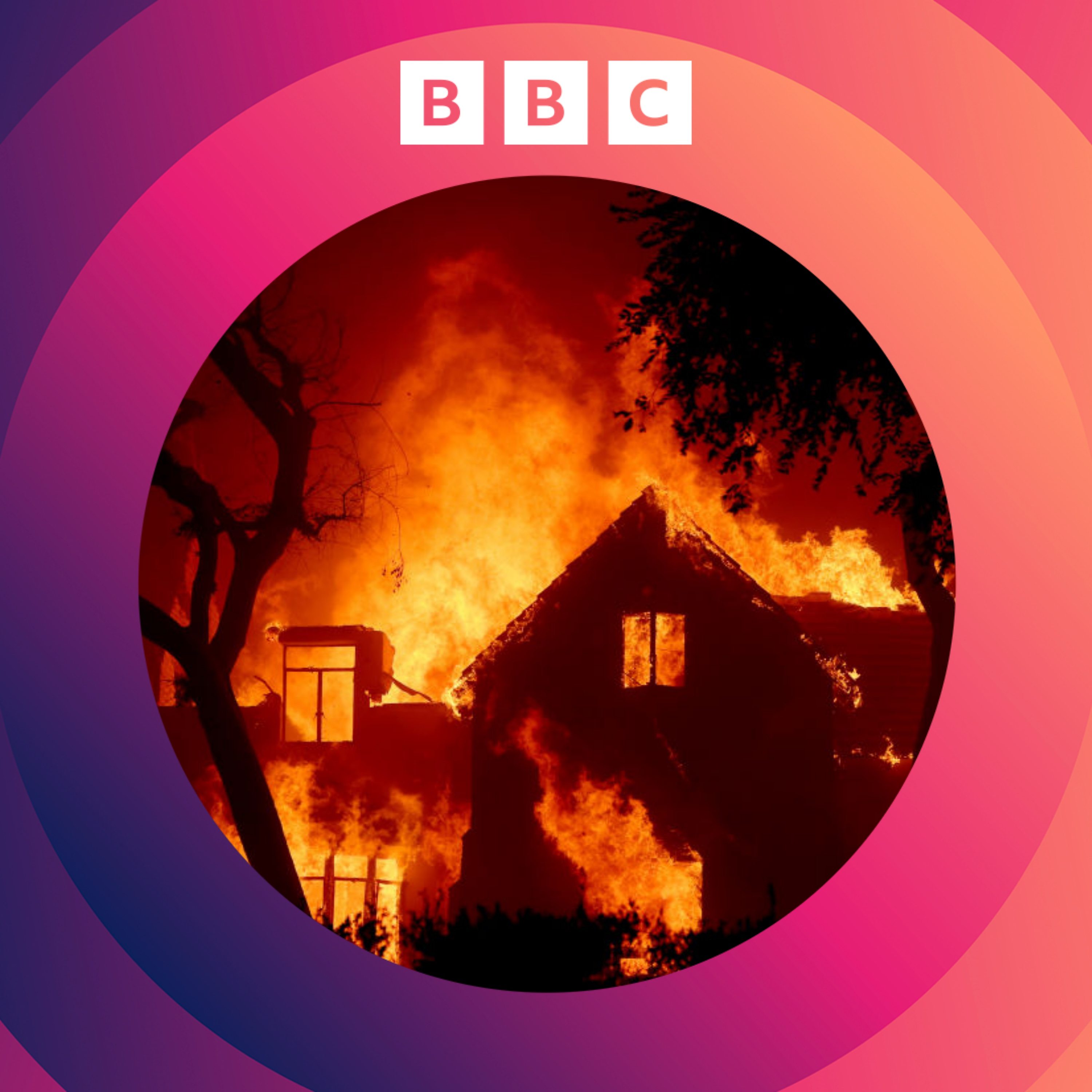
Is this a new era of wildfires?
Huge wildfires have been sweeping across Southern Europe and North America. Is climate change increasing the risk? And what can we do? Weather experts say the world is starting to see new types of wildfire – including enormous Pyrocumulonimbus fire clouds that spit lightning and black hail. These infernos can burn for more than a year. They can also spawn fire tornadoes, which move at more than 200 kilometres an hour, destroying everything in their path. The Climate Question hosts Graihagh Jackson and Jordan Dunbar talk to John Vaillant, the author of “Fire Weather”, about how wildfires are…
-

2 Aug 2026 · 26 min
How is climate change affecting motherhood?
Graihagh Jackson talks to mothers from India, Kenya and the UK about how climate change is affecting women's decisions about whether to have children and how to raise them. Her guests are Bhavreen Kandhari, a clean air campaigner from Delhi; Dr Susan Chomba, a Kenyan forest scientist and environmentalist; and Dr Elizabeth Cripps, a political philosopher specializing in climate justice. This programme was first broadcast in 2025. Got a question for The Climate Question? Email us: [email protected] Produced and presented by Graihagh Jackson Sound mix: Tom Brignell and Neil Churchill…
-
26 Jul 2026 · 26 min
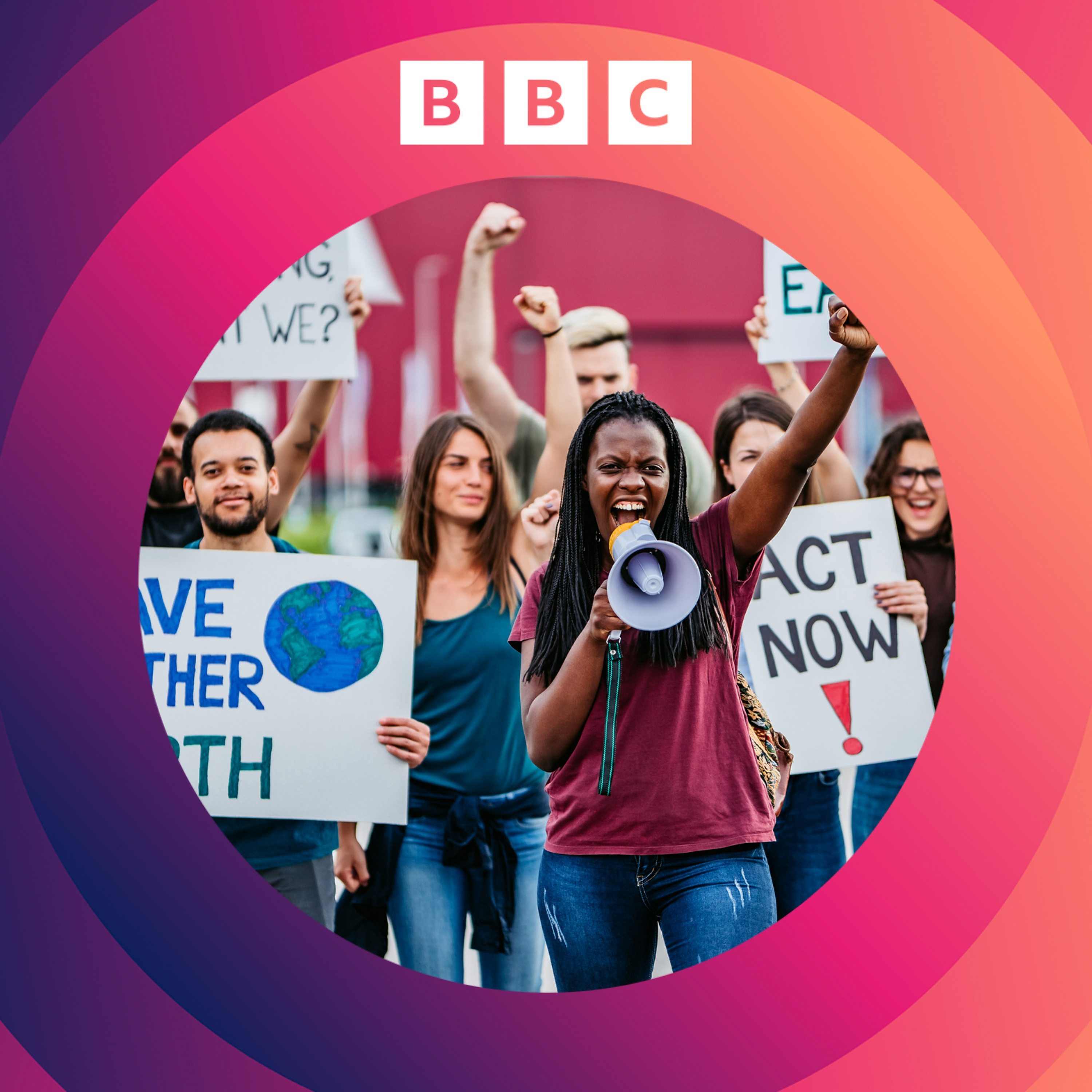
Do climate protests ever work?
Climate activists have blocked highways, scaled oil rigs and even thrown soup at master artworks. But have protests ever made a difference? The modern green movement started in the 1970s when Greenpeace sailed a fishing boat towards a nuclear test site in Alaska. It now encompasses everything from bake-ins and marches to Radiohead concerts. A small minority of activists even favour breaking the law to raise awareness about climate change. Some of them have superglued themselves to railings and blocked bridges. BBC Climate Editor Justin Rowlatt has made a new podcast series about the green…
-

12 Jul 2026 · 26 min
Can science fiction help us fight climate change?
The acclaimed US sci-fi author Kim Stanley Robinson is also a star in the world of climate activism because his work often features climate change - on Earth and beyond. Robinson has been a guest speaker at the COP climate summit, and novels such as The Ministry For The Future and The Mars Trilogy are admired by everyone from Barack Obama to former UN climate chief Christiana Figueres. Robinson's books are not just imaginative but scientifically accurate, and some of their ideas have even inspired new thinking about climate-proofing technology. Kim Stanley Robinson spoke to the Climate…
-

5 Jul 2026 · 26 min
How to build a climate friendly city
More than seven billion of us are expected to be living in urban areas by 2050. So what are the world’s great cities doing about climate change? Humans are now city creatures – with more than half the world’s population already living in urban environments, and huge growth expected in cities in Asia and Sub-Saharan Africa during the rest of the 21st century. So mayors are on the front line of dealing with climate change – whether it’s keeping people cool during heatwaves or redesigning cities to cope with floods. In this edition of The Climate Question, Host Jordan Dunbar hears about…
-
28 Jun 2026 · 23 min
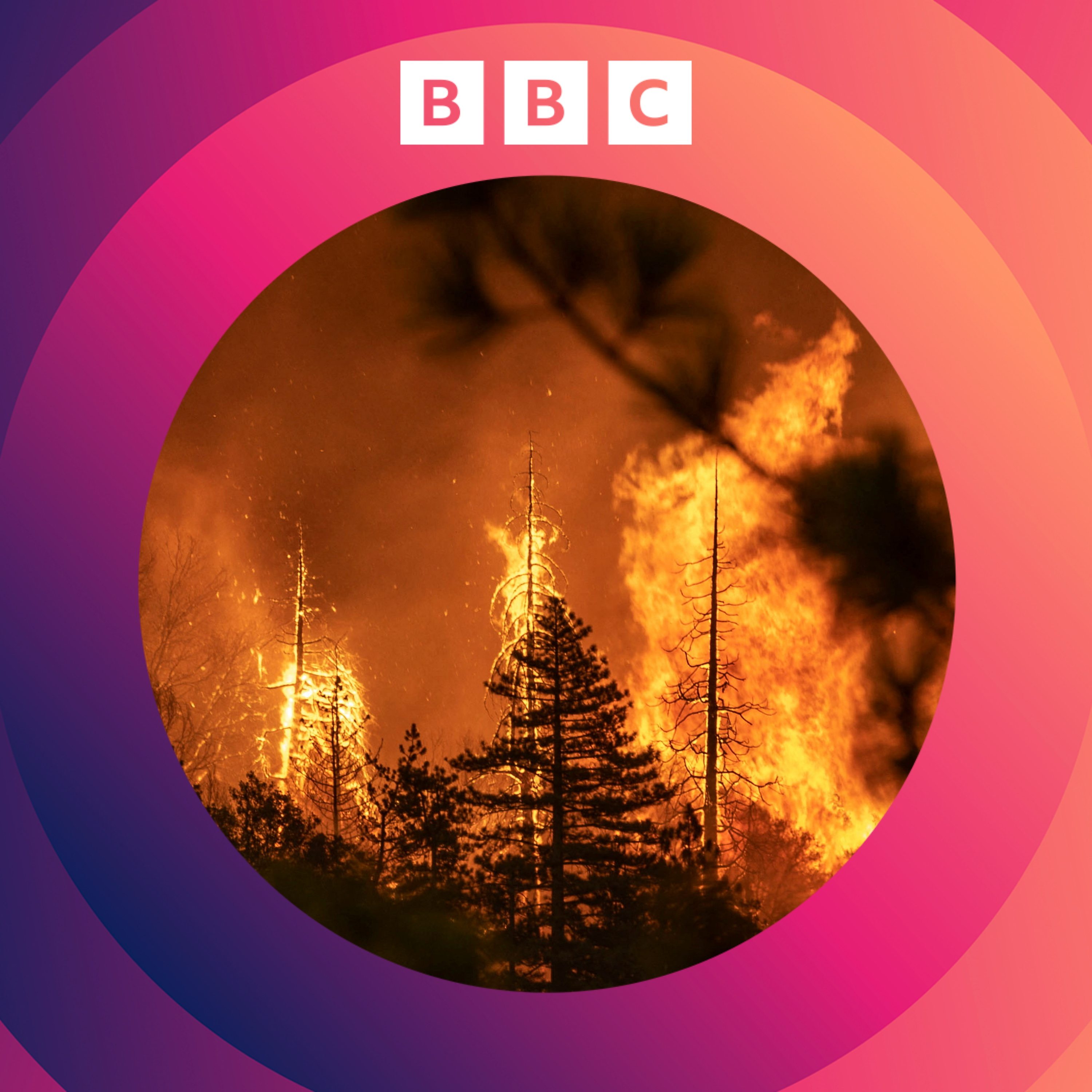
"Super" El Niños and climate change
Scientists say the El Niño weather pattern has started and this one is potentially so strong that it could have devastating effects in many parts of the world. So how does El Niño work exactly? And what’s the connection with climate change? El Niño starts when water temperatures rise near the Pacific coast of South America, but the impact on weather is felt around the globe. Some regions are more likely to experience severe droughts or more powerful storms; others could face the threat of severe flooding. This “Super” El Niño is likely to add 0.2 or 0.3 degrees to the global temperature.…
-
21 Jun 2026 · 25 min
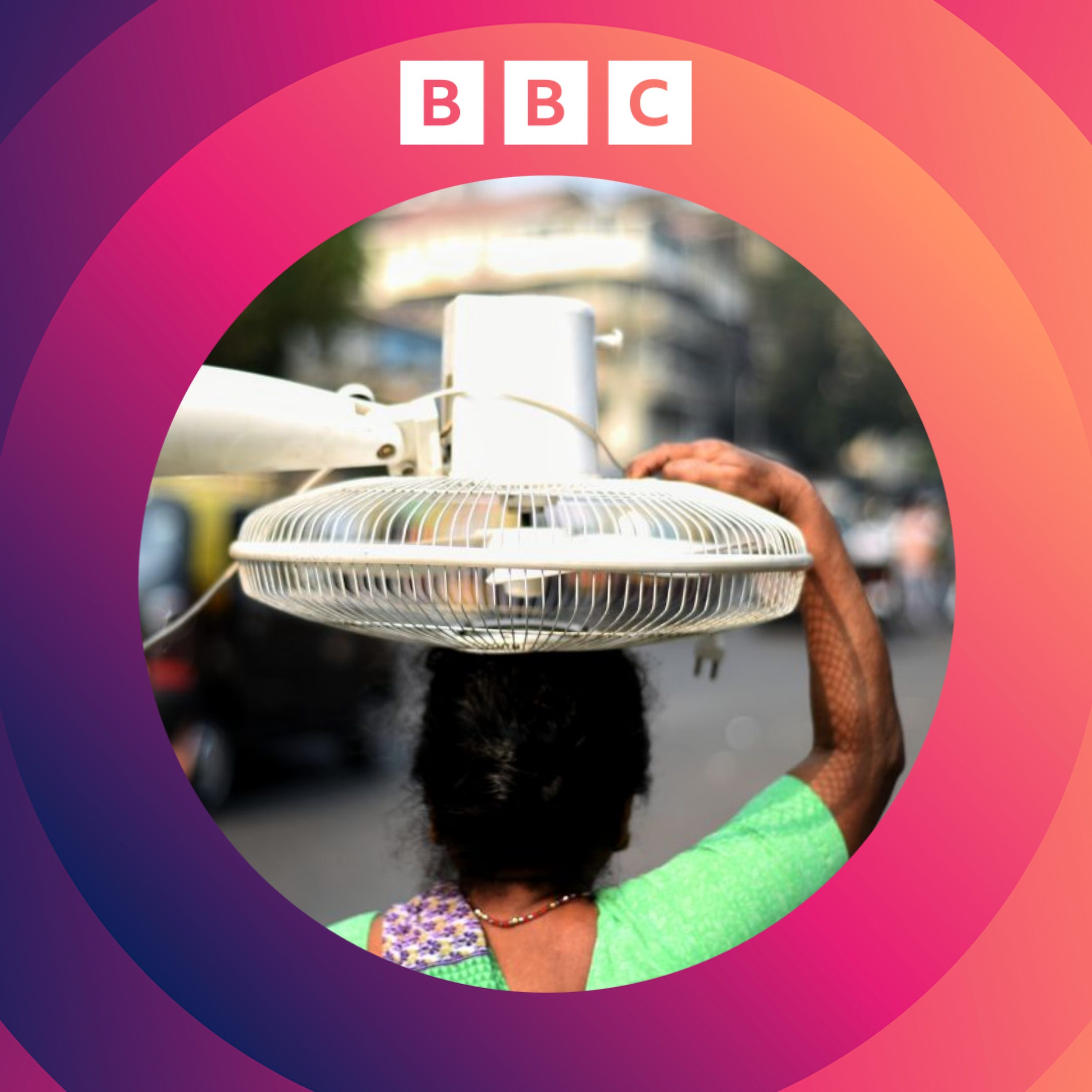
Is climate change ruining our sleep?
Parts of India have been facing extreme heat - with temperatures soaring past 46 degrees Celsius. But a less familiar story unfolds after dark. When temperatures stay high after sunset, an essential human need is threatened: sleep. Scientific research suggests that hot nights are leading many of us around the world to lose shut-eye already. Our bodies need to cool down to fall asleep – but hotter nights make that much harder. And the impacts go way beyond just feeling tired; disrupted sleep has links to poor cardiovascular health and depression. Women, children, the elderly and those living…
-

14 Jun 2026 · 24 min
How will climate change affect insects?
Insects play a crucial role in food production and the spread of disease, as well as being keystone species in many ecosystems. What does a warmer world mean for them? Climate Question hosts Graihagh Jackson and Jordan Dunbar talk to zoologist Dr Tim Cockerill, Senior Lecturer at Falmouth University. Got a question or comment? You can email the team: [email protected] Producers: Diane Richardson, Graihagh Jackson and Grace Braddock Sound mix: Mike Regaard and Tom Brignell Editor: Simon Watts

Take it with you
The Melo app keeps playing with the screen off, works in the car and on your watch, wakes you to your station, and browses the whole catalogue offline. Free, no ads, no account.


