
Episode · Express Conversations
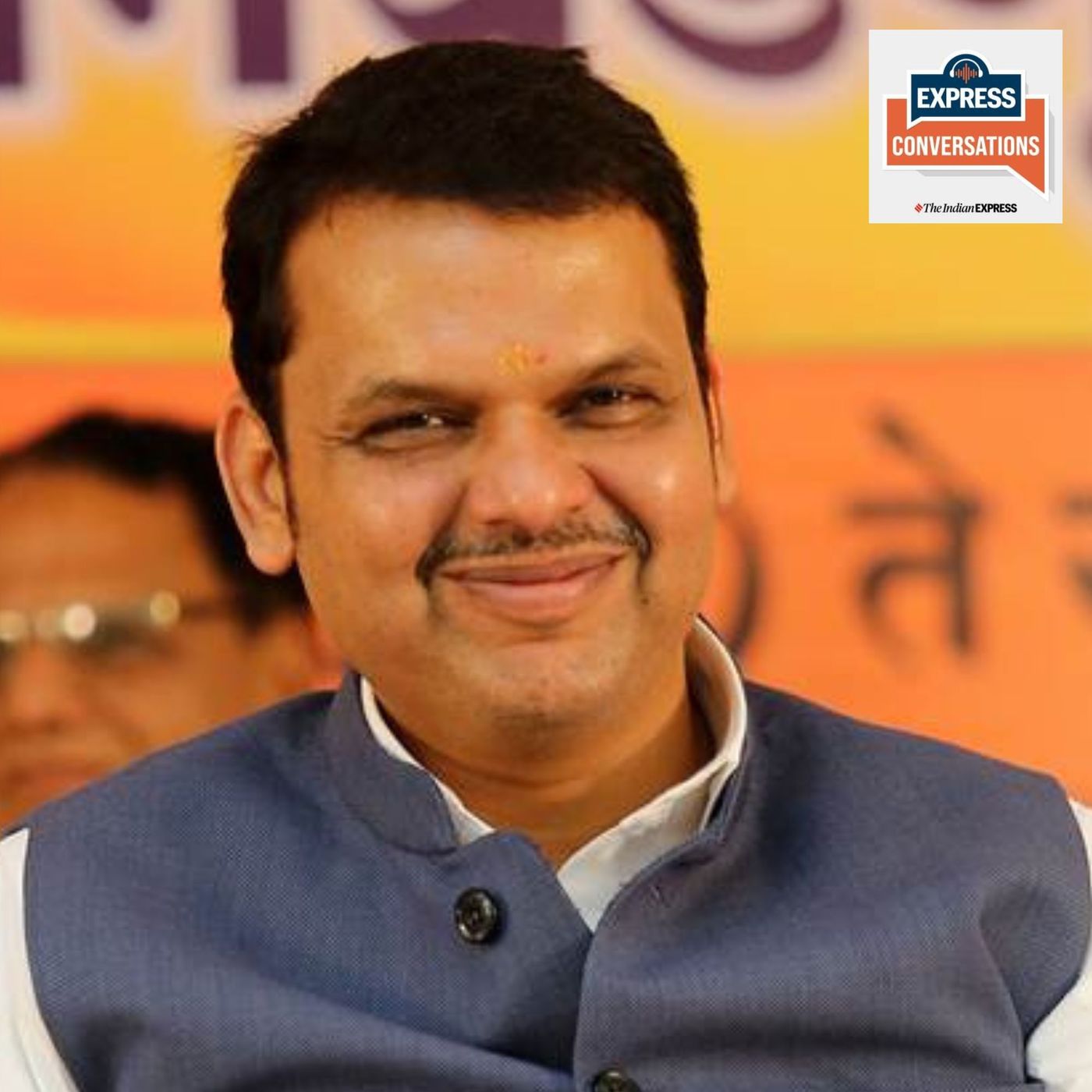
CM Devendra Fadnavis Exclusive Interview on Power, Politics, & Maharashtra’s Future
6 Jun 2025 · 1 hr 8 min
Episode · Express Conversations
6 Jun 2025 · 1 hr 8 min
Join us for an exclusive conversation with Maharashtra's stalwart leader, Devendra Fadnavis. In this insightful interview, CM Devendra Fadnavis shares his perspectives on the 2024 general election's challenges and the BJP's remarkable turnaround, Maharashtra's transformative infrastructure projects, and his development-driven vision for the state. He also discusses building consensus across party lines in a polarized political landscape, upcoming local body elections, and national economic challenges. Get a glimpse into the politics of transformation and the road to Viksit Bharat 2047, and…
Speaker 1:Welcome to another episode of Express Conversations, a podcast where eminent voices from the world of politics, governance, sports, business and arts talk to us about their life, work and issues that really matter. In this episode, we will hear from the Chief Minister of Marashtra, Demandra Fadnavis. This exclusive conversation was a part of our Express Ada series. Our guests are in conversation with Anantguinka and Wan the Tamishra from the Indiane Express. In this chat, CM Fuddavis shares his perspectives on the twenty twenty four general elections challenges and the BJP's remarkable turnaround, Marastra's transformative infrastructure projects and his development driven vision for the state.
Speaker 2:Starting from a mayor leader Opposition, then CM, then Deputy CM interestingly and now CM again. So it's been an incredible journey to watch, David rig and we were so happy to have you with us.
Speaker 3:Thank you for coming.
Speaker 4:Thank you, it's absolute pleasure.
Speaker 5:You just forgot that after CM I became leader of Opposition and then Deputy SAM and then against CM.
Speaker 2:But what a journey and what an incredible political comeback event. What so what's changed? Tell if I would ask you what's the one thing that you changed in your government today as CM compared to when it was your government as Deputy CM.
Speaker 3:What's the one thing you've changed in your government?
Speaker 5:See today, I'm a more confident CM because I have already delivered.
Speaker 3:So now I know how to deliver.
Speaker 5:In fourteen when I started, I started delivering, but even I was not confident that I'll be able to deliver today. I know how to deliver today. I know what were my shortcomings between fourteen and nineteen. So I'm a more confident person. I would say that I would deliver more in this term.
Speaker 2:Super and more power to you that we want that from you. But you know, we were all very pleasantly I would say, you know impressed with your w cmship.
Speaker 3:You are pleasantly impressed. It was an incredible run you had.
Speaker 2:So you are more confident as an administrator or as a vote getter.
Speaker 5:I think I'm more confident as an administrator because you say I would say that vote is a byproduct. If you are a good administrator, and if you do write things, then there is a ninety percent chance that you will be voted back ten percent. You cannot say anything in politics and just to tell you that what is the difference you asked, So now I recognize one difference. In my tenure of fourteen and nineteen, I was more focused on transformation in infrastructure, in some tangible things. But now my focus for six months, for six months has been more on building the institution. So I first did a hundred day program. In the hundred day program, it was in a challenge mode for one hundred days, all the departments and all the offices.
Speaker 3:There are around.
Speaker 5:Twelve thousand offices of the Government of Marashtra in various districts, which are major offices, so they had to work on certain issues. The departments had to work on nine hundred points and the offices on seven particular issues which included grievance, dress, which included you know, cleanliness.
Speaker 3:And I would say that.
Speaker 5:In one hundred days that did work which they would not have done in two years. And I think out of those nine hundred points, more than seven hundred points were achieved. And so I threw again a one to fifty day challenge. Now this one fifty day challenge is more about institutionalizing the entire institution or the entire government. Just to tell you that I was going to the General Administration Department, and I could say that there are sixty thousand promotions pending, sixty thousand and why they are pending because at the right time, the appraisal reports are not written at the right time.
Speaker 4:You know, all all.
Speaker 5:The things which you need to do to give a promotion, those sheets are not filled. Now, just imagine these sixty thousand people who are not promoted. They have I mean no incentive because I'm due for a promotion and I'm not being promoted for five years, six years, seven years. Now in this one fifty days will be totally transforming the General Administration Department. Everything will be digital, everything will be on a single platform, everything will be automated, and all these sixty thousand people who are due for promotion will get promotion in this one fifty days.
Speaker 4:That is a difference I'm trying to make.
Speaker 5:And secondly, my focus in these one fifty days is more on e governments because I've seen that. You know, we talk of e governance, and in my last tenure also we did a lot of e governments. We brought a lot of these government services online. But now I want end to end digital governments. So if anybody wants anything from the government, he should not visit government office. That should be available to him online and we are also putting it on WhatsApp. We have now MoU with Meta, so Meta is also providing a gateway, a payment gateway.
Speaker 3:So anything you require.
Speaker 5:So we will be providing around twelve hundred services of different departments end to end online, so that you know, ultimately all of us know that technology is something you know which increases efficiency, which brings transparency.
Speaker 3:And it's it's also a leveler.
Speaker 5:So I think that this use of technology, which we could not, I mean do it totally in my last ten year, I wish to do it in this one fifty days. So this is a speed at which I am trying to do in this regime.
Speaker 2:One of the things that the governance talks about access. Obviously access is a big part. The other thing is that avenues for corruption get get get significantly reduced.
Speaker 5:So recently I interacted for an entire day with all the municipal commissioners and municipal council CEOs.
Speaker 3:So one thing I proposed.
Speaker 5:Sublog we all talk about JALDI building plan approle.
Speaker 3:We always talk.
Speaker 4:Nice systems like online systems like.
Speaker 3:Improvement.
Speaker 5:It has not happened man up man from jaldi nice system. I see lying this system may up una building plans, submit karrega or Kojevo building plan.
Speaker 3:When it will be approved.
Speaker 5:At the time of approval, he will also get received or whose receipt may it will be written is K pas.
Speaker 4:His table for or kis so who is the culprit yet?
Speaker 3:So we.
Speaker 5:May pass plan? I k Karen well able to bring more transparency?
Speaker 2:And is corruption something which you feel there's a perception that you know, the last four five years it's not been Marastra's strongest, you know, perception that corruption was and it was becoming an issue. Would you agree and do you think that's why you're treaking? A government will say.
Speaker 5:Why should I blame four five years? So these years or that years? Corruption has always been an issue and we have to fight the you know, it is sometimes more, sometimes it's less, and then common public when they approach you know, the government offices for certain things to be done and they are dragged because of corruption. I think there they feel the front. So corruption is an issue and I feel that this issue can only be tackled by using technology.
Speaker 2:I saw a more urgent issue today than it was three four years ago.
Speaker 3:It's always our urgent is shoe, you see.
Speaker 5:For me it has always been urgent is shoe, and for everybody it has to be our urgent is shoe because you know, ultimately, if there is no transparency, then I think your government can not become efficient.
Speaker 6:I mean there's your v age of barish with you.
Speaker 7:Just say mumbaipri ruk sagyata to ach to is urban systems a marriage. I have a design on siki streame, weather conditions, climate change, global warming, corruption.
Speaker 3:B is.
Speaker 7:The quality of infrastructure jo he just quality he bo contracted driven development, not people driven development.
Speaker 5:Ultimately hemlo design So salme am average barish or jada, but he climate change the current problem monsoon there s amare joe infrastructure designed Jesse mum To Mumbe Cariba Art major pumping station Mumbe Island city as japper or high tide to push knap k and I push kar naper Thai high tied rou tie, I says pany move jam skill Mumbai Caribo art a major pumping station, the r K no minor pumping station, the r K door comping station or sat b m c yejo carib sade charso pumps or jo panko typically is bar is a b m c hasha ye jo pumps.
Speaker 3:The big I'm just a king.
Speaker 5:Circle pated temporary pms. Yeah, problems, infrastructure problems, design, key problem, say climate change problem like corruption cob DINNI okay, I'm logan de kai nals corruption a police commissionary be nal corruption history, film ideas look nicolete camera came jam kerk or an ideas logan and Nicole but.
Speaker 3:K skopa y koreer but a log Yes, sorry, problems would I say, nickim may.
Speaker 7:Or m.
Speaker 3:Climate change? Which are we spoke about this?
Speaker 2:I wanted to come to this a little bit later and get into detail, but now that we're talking about it, I can't resist to just spend a little more time on it. Early Metro brand new. I mean, you know you're talking about corruption with Nala cleaning, but you know this is a much You know it's because and two hundred mm of rain were used to you were not prepared for it because it came early. But you know we have seen to memo rain in June. It becomes normal so when it's that kind of you know, you've got such an incredible infrastructure sort of uh, plan and execute it.
Speaker 3:I mean the coastal road.
Speaker 2:Everybody who comes is in praise, Metro everything somewhere.
Speaker 3:Do you feel that we're getting the scale right for some quality is a problem. No, that's not right.
Speaker 4:You keep since you have talked about the Metro.
Speaker 5:Now, this underground Metro has total seventeen stations right now operational. Out of those seventeen stations, it was totally operational on sixteen stations. Solar stations with Koe problem seventeenth station Johanne aiata a station.
Speaker 3:Humko yestre.
Speaker 5:Kataka problem yo adhiata.
Speaker 3:I mean this is also problem.
Speaker 5:To all complete Karniti does Junta Karniti or burn wa q q station car come announced, Ka come August n so by augusta, bia t J come complete, Nika pany and Aya Hey come complete, Hoga bar j s A Yes, solar stations per ethny bar rok both world class come oy a qualitica cam high accident, he come prepared, burn burn it barish broken j s A he come August my complete hoga or Mayhem.
Speaker 4:Krenge bar ye complaint fantastic, very assuring, very very good.
Speaker 7:Here Mumbai bars corruption heir to b back positions lead you corruption against a politics issue, but logan personally corruption Jack cabinet mah j.
Speaker 3:Ja or so y k s a wh or is.
Speaker 4:He reality of politics? Politics? May was our only may Uri majority or announced.
Speaker 5:Try Bungay prime minister announced bad dad politics may apart perhap very betany Yeah. I see j jah rasta or Jinda learn rasta kojatata.
Speaker 4:Us mae amesha ye bad principal k o ky.
Speaker 3:Up to principal. They kill zind and compromises to.
Speaker 5:Compromise man jink I, this cannot be my way of life. Amrie who so Mari montrimental k not kam karta mary capacity a or I fortunately make Mari manrimental who comes come.
Speaker 3:You may? Yeah, guarante amar and corruption for.
Speaker 5:For huga b q Amara system may corruption board deep rooted to stop actually am.
Speaker 2:And and this political of oportunism which you are talking about your political career. And you know I've seen it very closely because I've also joined Express formally around the time you came into Bombay, and I've been.
Speaker 3:Seeing it.
Speaker 2:Has that changed, as is that something that's changed in politics compared to when you started off That people are more opportunistic politically? Was always this or always this way? I think it was always like this. Yes, cycle.
Speaker 5:Mask politics, mask politics, may mask politics may or political opportunism.
Speaker 3:In so raj wh why or which is a change?
Speaker 6:So a car changed jaku closely under change.
Speaker 3:I shu.
Speaker 6:Development oriented b b head development oriented but.
Speaker 7:Or o a kerk hard ya harsh language.
Speaker 6:Just may just say loved who had committee I think or he just say he just may r b joined.
Speaker 3:Yogi him.
Speaker 7:Yahape a biki issues yad.
Speaker 5:There factual issues head to super bad factual issues. So agarham carpet to Sportoa byby.
Speaker 3:Manta the.
Speaker 5:Shat exaggeration, you can jump by. It's study kerbaya, it's not official study peril may.
Speaker 4:It is a fact.
Speaker 3:I have no problem.
Speaker 5:There can be intercast marriages, there can be interfaith marriages.
Speaker 4:It's absolutely good for jeb sech is.
Speaker 5:Our identity disclosed identity four identity for kara.
Speaker 3:I s I said.
Speaker 5:There is a design behind it or so yeah, it's not nothing about vote polarization.
Speaker 3:Hurrah ma dharma jat.
Speaker 5:Upper designed to Hamara as the hyper supra desk design the kyper this way Amar Desh minority is called radicalized Karma Agraham radicalization, laughing Ram bull pull hamak I si s Q number I said, luka to ham radicalization k you too hardcore nay Joe fact cli al jihad a archi factually the hyper ram roca you k.
Speaker 3:Q Q is this or designed.
Speaker 6:Punni arrest Jada or college a.
Speaker 7:Facebook post, online post to sneakyata kooper cul bombay high court name up police a.
Speaker 6:Shocking or.
Speaker 3:For a career.
Speaker 5:So k you police actions action Jada to quote for Karta take action but okay police action to entirely job operations in s s MA Pakistan away action come hey Jadai.
Speaker 2:Eventually the one thing because you said, there's the one thing where you sort of you know I I I feel like your your loyalty to your alliance, you know was took you know, won the battle in your mind between your I know, your love for free speech. I mean I understand that was in this whole comedian situation where there was an attack on the is that also something you feel like, you know you had to you had to sort of be more. You know, you had to show your friendship to your alliance partner more than you wanted to politically correct. Yeah, I mean exactly, so politically it is better to ignore.
Speaker 5:But say Mari party alies b not all our lies our humm look.
Speaker 3:Look practical politicians emotion Jada, emotion reaction K Karen correct, Okay, super okay.
Speaker 2:We have seen a complete transformation in Mumbai in the last you know, after Coastal Road, the Metro and all these exciting things. So I want to take you there a little bit. I I want to play a short game with you, because everybody is interested in the changing phase of Mumbai. So so I will say an infra project and I will ask you to please give us some sense of an update on the project. Where is it and why is it important that you think? As shortened, what do we want to say about the Brigle project?
Speaker 2:You can say so Mumbai Metro.
Speaker 5:So I think Mumbai Metro is something which will change the entire mobility in Mumbai. And when I talk about Mumbi, it's not just Mumai, it's about MMR. So the entire metro network which we are creating in MMR. And now I think the best thing is that we have already enacted UMTA, which is a Unified Metropolitan Transport Authority, So for entire Mumbai Metropolitan Region there will be one authority. All the transportation systems of Mumbai will be our single platform.
Speaker 5:It will be on one card. So we have already rolled out this single card right now in Mumbai. It's onder trial, it is accessful and in six months will roll it out in MMR region. The idea behind it is that when you offer end to end solution public transport, then people tend to use public transport. So our plan is that you know, at let's say two hundred meters or three hundred meters, anybody should get at least one more of public transport and he should get entire travel plan.
Speaker 5:His destination should be available to be reached by a public transport. That facility we are giving, but that facility will be totally available once we complete the metro network.
Speaker 3:I'll tell you that this year.
Speaker 5:Sixty kilometers, next year sixty kilometers, then another year fifty kilometers and then fifty kis so.
Speaker 3:You'll take four years to complete the metro project.
Speaker 5:Okay, and then let me remind you that we are also taking new lines that will again require four years. So this year and next year we are also but around let's say, three hundred seventy two kilometers of the network which we.
Speaker 4:Started when I was Chief Minister. We'll be finishing that.
Speaker 5:The Navii Mumbai Airport Nawi Mumbai Airport is almost complete and by August I think we'll be able to open the Navi Mumbai Airport now again. In the next three to four months, we will also be completing the coastal road which joints uttles to the Mumbe Airport New Mumbe Airport, so reaching the new Mombe Airport will be very easy. And we are also constructing now elevated road from Thanate to New Mumbay Airport. And we are also constructing a metro from Thea's Airport to New Mumbay Airport, so that metro will take at least five years. This coastal road will take this elevated role will take four years, but the airport will start by August and in next six months the coastal road will.
Speaker 3:Be ready fantastic. And this idea of.
Speaker 2:Nina, this thing you brought up, which is also my daughter's name by the way, So I really like it. But how long before Nina becomes a reality?
Speaker 3:So I think.
Speaker 5:We've already rolled out Nina and its first IDP was actually cleared when I was Chief mister in my last agm Now the second IDP is almost it's clear and we'll be rolling it out and we have already started building it. So I think this new city Nina where you know, certain thematic cities are coming, like, I would like to tell you that we have planned.
Speaker 3:Agencity there now.
Speaker 5:This Age City is a city where we would like to host at least twelve foreign universities and out of that, five foreign universities will get LOI from the central government in this month itself, for maybe by early June. So we'll have a program in Mumbai where we'll give them this. And they are best ranking universities. They are amongst first fifty or first hundred ranking universities who will be setting up their campus. So in this agacity, we feel that we will be hosting at least one hundred thousand students.
Speaker 5:We are also creating a medicity, We are creating a sports city, we are creating a knowledge city.
Speaker 3:Is all in Nana.
Speaker 5:Yeah, yeah, we are creating an innovation city. So there are many thematic cities which are coming up in Nana and apart from that, you know, it's a model where various people who are landholders or who have gathered the land, they will also come up with their own ideas of you know, cities and will be providing them. The infrastructure is anything that will shift from Bombay Man High Court, all these things that we give because High Court is now shifting to Bandra. So this and Montreal we don't intend to shift because now that the New Mombay and Montreal are coming very closer, because you know, because of Atal say to it's there rama to. Now we are actually building one tunnel which will directly connect us to the coastal Road.
Speaker 3:So the entire loop is getting created.
Speaker 5:So whenever you you come from the Eastern Freeway, normally from Eastern Freeway to CSD station, it's a you know a lot of traffic. Now with this tunnel, it will be a matter of four minutes to reach you know, Cho Party.
Speaker 3:So I think that.
Speaker 5:This mantra can serve even you know, the new city which is which we are creating in New Bay. Yes, but I have a plan to make a new Montale. So in fact, we have decided that this entire monthal and the Bangalows in front of Montreal jam Bangalows up to our Withhman, we want.
Speaker 3:To make a new precinct in this entire area. That's news to me.
Speaker 2:I mean I've been hearing about it and I mean you ever many years, but you're actually going to implement mL A Bungalows.
Speaker 5:And it's not just Emily Bangalows because Emilis don't need Bangalo. But I mean, but entire You know today, even in this Monthale, we are not able to host all our offices. Our at least one hundred offices are there located elsewhere in Mumbai. We want to bring them all. And also we want to create an administrat to district.
Speaker 3:And that and the will stay. Yeah, it will be okay.
Speaker 2:You mentioned elevated tunnel controversy. There's a tendering. There was an issue. Supreme Court to get up anything you want to say about.
Speaker 3:That, I think.
Speaker 5:Abe suki Supreme Court no kaya. Basically the problem actually a tender or tender may look complete Lent B t or LENTI per objection. Elent is a good company. I mean they're a bit good, but make objection as I thank you know Joe, uh which cracks?
Speaker 3:So h m ten.
Speaker 5:They what is qualify against quote price difference? Both look quote and it's a matter administrat to me you speak with both? Probably okay? Super waterways and water taxi? Is this again since I was a child asking maybe water tax.
Speaker 3:R from the shuk correct? Correct?
Speaker 5:So those are only the roy correct A water taxis k ham.
Speaker 3:J T radio club a log or.
Speaker 5:Joe eastern side BP developed who developed should be vp kng So we intend to start the joe what a taxi from s or the good news is water taxi? He single ticket water taxic so joe water taxi I g so just ticket per app railway may see ticket per up metro ticket per ticket perp bus may ticket for up water taxi may be traveling.
Speaker 3:Okay, the Mumbai Local train upgrade.
Speaker 5:Upgradation, up up the stations upgradation. We need more trains, yes, penet passenger amenity, passenger amenities, escalators, up stations exective Jada passenger amenities than scup or trains trains, trains b I or i'm trains introduced a b b Q A sorry trains or JOE non train up to kup which are courage i q app metro log the k A la log suburban railway, s travel or s LA metro travel, pre Jomar carrying capacity, kryn Acre metro Raska or a Mari local train MA the k Slam upgradation or mostly Ashwin.
Speaker 3:Mumbo and trains. Then the verd Ariba corridor. When will it be done?
Speaker 5:We are Aliba corridor cup logo is he Salam basically ki uh Is corridor co banidual land acquisition the land acquisition cost US twenty two thousand vices are kronka land acquisition cost a normally land acquisition banks, a problem Amara track record bar banks, the yumko by Amara joint measurement last age for a A joint measurement land acquired or.
Speaker 2:Uskabi curb crib k okay concretizing Mumbai's roads plan.
Speaker 5:Or plank roll out to Tuki Mumbai Mumbai Ama Jo yes a roads yet say that it slay yak bene mane kyme look major roads concretization raja the k K Someone says slay mummy. Maybe move by traffic intensity Jadai or happer god day say good day, say traffic slow yeah oruka effect slay upper concrete road.
Speaker 3:Is there a time be over you compet first phase.
Speaker 5:Jo heir you first fast kambi crib seventy eight percent, second face come thirty five percent. First phase A club is mons ka milega. It's my us face over ojaka and the second face. Okay, I think that has been a game changer or a major protest. J and petty Port n petty Port accounts for sixty percent of our continued traffic. ABA is three times bigger than J and PT. So yeah, qua maritime because or wat twenty meters deep drafted to buddy body vessels, you have j P or it's nineties or nineties manike bad people went to the Supreme Court. Supreme Court apointed a committee. Uh there was a nature conservation committee under guidance of High Court judge retired Chief Justice. It was appointed no because sustainable. So when I become a chief minister to manage study m right off j heay down to natural ariam right off.
Speaker 3:When come go down to naturally to hum ko is committee nature? Those are there right offunda so near.
Speaker 5:Right off deepa to snare right of laker from Supreme Court, Supreme Court nee committee pass is gay Supreme Court k appointed committee man or down to port Shu.
Speaker 3:Portion complete or bene down to port maka can.
Speaker 5:Central joint company, Central government, milky port, When ned Kyaki, I'm the port reclamation sar Airport reclaimed Airport, Narita Airport report say ned Kyak Airport reclaimation reclamation career or man be a consultant, appoint k to a Chasra airport one port, Okaysa.
Speaker 3:Manta a nice city. What is the most difficult?
Speaker 5:It is Urban Rejuvenation day Dona Urban Rejuvenation cup or just Precarcius plan Kaya.
Speaker 3:May art.
Speaker 5:Or in art chastrat log ineligible love Johamar eligibil ticket definition as slum kid ineligible, but yeah, Pella projects, I just Mayhua Carlak logo ineligible. Islam as a project A subco eligible, So yeah PLA projects, I may everybody is eligible ineligible. In Kham rental housing, the parasl Wejo designed the r K. It is one of the most sustainable design. He Mumba Business District b k c A. But this will be a new business district. May but a best work for it is killed loge Aravik business district Dhai is export dark potteryki Ford tokul da massar businesses bush there ima ecosystem because West workmen with the first ecosystem Ye mum.
Speaker 3:Or man.
Speaker 4:Informal economy a formal economy.
Speaker 3:Jaga.
Speaker 4:Our parts are tax holiday.
Speaker 3:Vappur in a to caribe hara may ye.
Speaker 5:Yes do so Kevin Hector k Jagai is do Kevin Hector may Xo art Hector Ja sju buildable regakia Joe yatu Mangru's hey yeah, hey yeah, Railway cup co U Scooper hey Co Airport Co Scooper reservation Yeah, Majagi public places, Majai gardens, majagi ab jo x O art Hector page banegas me forty three percent rehat or forty three percent is saillable y issio rakaway or compulsory Joe corporation hand over sarg dhaka So it is urban transformation, It's not transformation ri or Jin logo k jiva may which are in the it and hygienic jag most hygienic or is design element kribo separate nik design come mixed design, Sabi public spaces Yeah, rehab walkob accessible or sell accessible accessibility is major benchmark or ha JAP Western Railway, Central Railway West Depot to a PRAC transport underground metro bullet, trintyaki B bullet trintansportation. Already we have started building already redevelopment model.
Speaker 2:Mane is planning the ovagin You have you still have faith in the s A system because so far we hear people they get the flat, they sell it, they still remain you know a lot of issues with these I mean you you you you overall you have faith that this will be executed smoothly.
Speaker 3:Yeah, I have a lot of faith.
Speaker 5:See, so far as is concerned, Dave is different from S because we have created a special purpose vehicle in that is the r P. We call it so Redevelopment Authority and Project. And this authority owns the entire and they are transforming. How are so far as sare is concerned? You are absolutely right because there was a time, let's stay between two thousand and four to twenty twelve, in which this SA was totally misused l o I trading scambanata Jo property consent, Lena Sklo and Elena for many incobation, a handeker or s a proposal or unfortunate chez kathi elo or bang ko koba hey lo.
Speaker 3:Italian garb we have been a.
Speaker 7:I or.
Speaker 2:Abi or ak Why the while the building comes up and all become formal.
Speaker 3:There are two places they seem to be going to.
Speaker 2:One is the owner and one is the salt plant the salt pans both one is an environmental issue, one is a health issue. So is there a thought how this will happen?
Speaker 5:Joe eligible logo temporary, temporary, i'm lok section jo the ineligible log ko b or both qual salt panka updates that take salt or abi Yes, sar jaaper yeah, yapper.
Speaker 4:Clear yes, salt panke Landsco rehabilitation kenny I.
Speaker 3:Don housing HOPI.
Speaker 5:Sarah amne Environmental impact analysis k is totally sustainable unsustainability in a year.
Speaker 3:Want risk more flooding? No?
Speaker 5:No, not at all, not at all picture subjega Salt's there's no problem of flooding.
Speaker 3:Hey yeah.
Speaker 5:Qua Symbiosis campus it's one of the most beautiful campus made by Simbiosis in Nakpur Yama damp Planta Municipal Corporation. It's the total cap Jak reclaimed by man reclaimed Juapur symbiosis Sarah education Zone Maya so a Joe dump yard he ahamkochuk Our rules do not permit look dumb Karrey up processing Ye Joe legacy dump is legacy dumb co cap case ligacy dump bio mining kirk.
Speaker 3:Landco reclaimed kirk Yes, how long will that trick? Takes three to four years?
Speaker 5:But see it's a long process. Y Joe projected generational project is satsalka project?
Speaker 3:Correct? But why are we in Bombay struggling with waste so much?
Speaker 2:Other cities mast May they figured it out like you timper change doesn't have you know we are not treating our sewage that we were supposed to. I've been hearing for years. We're going to treat our sewage, not getting it treated. We don't segregate our waste. Everything goes into a landfill. We don't know where to dumb the waste. Waste as an issue in Bombay particularly has been a problem.
Speaker 3:Right is a q k Hamo.
Speaker 5:Most of the sevage settling tanks may settle or it is as good as discharging your sewage in the stink You mana system may discharge his qualitic water hole announced man at the r K noms the central government, Capaska, central government, new scop Green Tribunal, Green Tabula Scooper Stadia, Green Tribunal.
Speaker 3:A.
Speaker 5:Convention, Supreme Court, then a sustainability st nouns the r K America norms the y they can app stay acre by O. Fortunately Supreme Court took the cognizance or Supreme Court really kia or or a step is the r away hopefully ugly stab chatting statement plants So Mumbaika Sarah Savage, pat Karnak capacity career Kebard Mumbaika Seavage water Aga to come, bar to take maybe unfortunately my likin b m C both capable or financially both capable is Sprakaki organizational link in licking a creep creep Sarah Prakar cap Joe interventions, ok A interventions or ABI interventions just for fourteen Mumbaika Sarah a.
Speaker 2:Processing A hundred percent. I'm seventy eighty percent, one hundred percent. I'm called even the I've got more questions. We're running out of time and I want to get some audience questions. I want to do a rapid fire also with you. So I'll just try to just one quick one unrelated really, but I got when he was Chief Miness take looks like that went by Mala and I got him on stage and on camera to commit that he is not going to build anything on the Mumbai Turf Club which has now been taken over.
Speaker 3:Will you stand by that? Commit hundred per.
Speaker 5:Garden or postal road Samato Mene Central Government affid with d He Postal Road, K Karen to reclaim Hugi up j b Hum real estate only green space, Jaga Media to Mesam Coastal road or.
Speaker 3:Race course.
Speaker 5:This will be one of the biggest you know, public space of Mumbai, public garden of Mumbai.
Speaker 2:So you will, we'll lever see buildings coming up on the Natal Road coming on the club.
Speaker 3:Never happened.
Speaker 2:And the reason we're all skeptical is because environment doesn't seem to be an election issue in India and Maraasha just far from it.
Speaker 3:So both lumb.
Speaker 5:Awareness wish groups say, I think the new generation environmental issue here they are more aware about environment. To ask shaiado uh concern high like an issue they can should be.
Speaker 2:Manega okay, wonderful Okay, so we're gonna play a quick rapid fire and you know, divisually, please have fun with it. The ideas to kind of make you have some you know, is to make it a fun game.
Speaker 3:Not the identity or welfare.
Speaker 2:From when you started your career in politics to now, which of these two issues has increased in effectiveness as an election to welfare? One thing Mumbai should learned from Delhi. One thing Deli should learn from Mumbai.
Speaker 5:There are ten things Deli should learn from Mumbai, and I don't see a single thing which Mumbai can learn from Delhi. Anyways, it's my love about Mumbai. But uh Bumbaikas have really seeks RB Mumbai log line maker, taxi line, Bumbak traffic argb up dek what come lane jumping.
Speaker 3:May we're not very true, very true, but there I brought this up metro road or busted alphae.
Speaker 5:Unfortunately me buses coader they ka actually problem Uki sustainability.
Speaker 3:You wanted buses.
Speaker 2:Bus quarter they and that money came from nationally enough program maybe the.
Speaker 3:Y but.
Speaker 5:Just supply speed come come bussess media they can be supplier kayak. Now the bottlenecks are over fast so you can say, aghab global city is a compare so subseum buses, movement.
Speaker 2:And population density is very high, and is all these things are talking about it's going to cost money. And we keep hearing the state finances are on a problem.
Speaker 3:Is that right?
Speaker 4:Or is that problem the problem? Ultimately, Hamar.
Speaker 3:Is pass.
Speaker 5:Viable proposal, a bankable prop proposals finance ako koi bank.
Speaker 3:Only well fare correct budgets. Say but a man recently Ham hundred billion dollars.
Speaker 5:Infrastructure case sector may invest krenge or deal KNGM CO, Indian financial institutions fifty billion dollars del masakiya a fifty billion dollars deal Ham look for in institution.
Speaker 3:Wonderful.
Speaker 2:The last time you did something you knew was populist but fiscally irresponsible.
Speaker 3:Many things there a pass okay, well yeah, we push okay.
Speaker 2:The one strategic the one strategic advantage Marastra has over Gujarat for getting foreign investment.
Speaker 5:Well, I think you see, if you look historically, Marata has always been the leader in getting a FDI. Even if you look at the last three quarters, ma Astra.
Speaker 3:Is number one.
Speaker 5:And there have been years where you know, the investment of jat Ramataka Tamil Lad really put together, Maratra was higher. So I think people's confidence in mara Astra is there, especially the international investors. They have a lot of confidence in Maratra. And historically you've seen that Maracta has performed, so people have a lot of faith in Marastra.
Speaker 4:I don't see there's any problem.
Speaker 3:The one strategic advantage has over for getting foreign investment.
Speaker 4:See has created a brand image?
Speaker 3:Correct brand? Okay? The one thing you admire about.
Speaker 5:Now? I admire many things for both, but h is okay, consistency. Politics may hab circumstances may.
Speaker 4:At this age also corcept you you consistency on both.
Speaker 3:Okay.
Speaker 2:If you were asked to nominate one member from Rasta's opposition to travel abroad and represent India's perspective aside from Supriya, who would you pick or okay, which opposition c m's opinion?
Speaker 3:Do you value most? Narayan ran so okay, I would say in or uh in credit may in experience.
Speaker 4:Ko style.
Speaker 5:Come somewhere an administration.
Speaker 3:I mean he understands the thing, deep knowledge.
Speaker 2:Okay, Okay, it's a rapid fire and get people looking at me for time so I'm going to try to make you. I'm going a little faster if you can. The political rival you enjoyed becoming friends with most.
Speaker 3:The last? Which of these four air pollution sources?
Speaker 2:Okay, Sanja Hasan, there are four names you have publicly pointed fingers at.
Speaker 3:Who of these have reformed the most? That's okay? Which of these four air pollution sources is easiest to fix?
Speaker 2:Garbage burning, construction, dust, thermal power plants or vecular pollution?
Speaker 3:I think none. All of them are very difficult too.
Speaker 5:But I mean, uh, there are solutions for everything, but all of them are very difficult to fix.
Speaker 3:Okay.
Speaker 2:Do you want residential prices in Mumbai to go up or to drop? They should go down, However, I mean there's most people's savings go into their homes.
Speaker 5:You're absolutely right. So when we constructed this coastal road, we thought that since we are creating connectivity, the prices this side will go down.
Speaker 3:But they've doubled.
Speaker 5:So I mean it's a it's absolutely different economics in Mumbai now. I'm hopeful that since we are creating a new Mumbai in in Nina area, will be able to make some effortable housing there?
Speaker 2:Okay, Mumbai or Knakpur. Where do you feel more at home? Of course, Mumbai or Delhi? Which is your preferred second home? Mumbai, the south, the Hindi heartland. Knakpur or Mumbai.
Speaker 3:Where do you think djp's next party president will come from? Oh my god, it can come from anywhere. Okay.
Speaker 2:Bureaucrats or ministers? Whose advice do you trust first? I mean it depends because.
Speaker 5:There are certain times when bureaucrats have you know, more technical knowledge and they understand the finances, so their advice is right. But there are times when ministers have real ground touch, they know the reality because they are from the people, so their perspective is also absolutely correct.
Speaker 3:So you have to balance. We play a quick game.
Speaker 2:G R Ecnology because this question, who do you think is better at communicating?
Speaker 5:Let me tell you frankly, they should forgive me. Both are not communicating?
Speaker 3:Okay, okay Ecology. Who is better at managing natural calamities? I think loves to manage or to you know, enter into such a situation.
Speaker 2:So okay, that's your answer. Gloy. Who's better at local body elections?
Speaker 3:Okay?
Speaker 2:Who is better at infrant tendering? Processes I think, I mean they don't do the tendering processes. But on infra, all of us are together. I mean we feel that we require a lot of infra. We require infra push and we require to create infra at a great speed. So I think that there is a unanimity. Okay, whose advice would you take on dealing with the following issues difference of opinion with the party high command?
Speaker 3:None? Because I know my party high command.
Speaker 2:They don't know who's advice do you take on resolving disputes with the central government?
Speaker 3:Again?
Speaker 4:I know better about the central government?
Speaker 2:Okay, Okay, you have to you have to drive to Delhi and you have to pick one person in the passenger seat. You've got two options, Sarka or Gandhi.
Speaker 3:Who do you pick? A key preferred s.
Speaker 2:UV fast, gardiog normal, snow Gario, fantastic. Okay, thank you so much for playing even a great spot.
Speaker 1:You will listening to Chief Minister the Wan Refernaviz on Express Conversations. If you like the show, then do subscribe to us wherever you get your podcasts. You can also recommend the show to someone you think we like it, share it with a friend, or someone in your family. It's the best way for people to get to know about us. You can also tweet us at Express Podcasts and write to us at podcasts at Indian Express dot com
Transcript supplied by the publisher with the episode.

by Express Audio · English · Society & Culture
Express Conversations: Listen to celebrities and public figures dive into their lives and careers, and discuss contemporary issues as they are interviewed by our editors from the Indian Express. Join us to hear the wisdom of the some of the greatest living legends of our time

27 Jun 2025 · 18 min
Audrey Truschke discusses her book on 5000 years of South Asian history, starting with the Indus Valley Civilization around 2600 BCE. She explains the choice of 5000 years, including a brief account of early human migration 120,000 years ago. Truschke emphasizes the importance of diverse voices, particularly women and oppressed castes, in her narrative. She critiques political appropriations of the Indus civilization and highlights the book's non-nationalist approach, covering historical connections, cultural exports, and the evolution of Hindu nationalism. She was in conversation with The…
20 Jun 2025 · 14 min
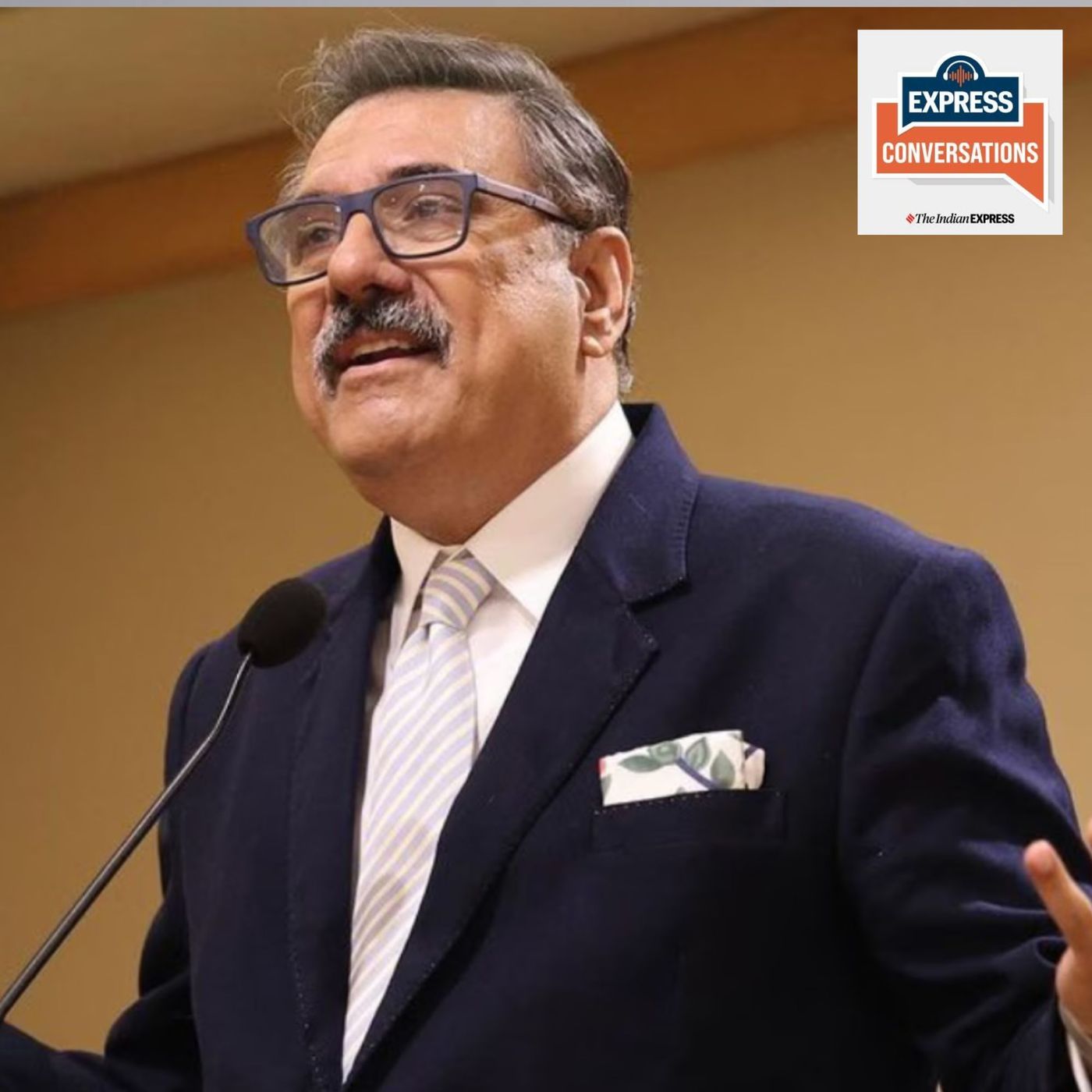
In this riveting interview, veteran actor Boman Irani talks to Navya Kharbanda about his memories of shooting Munna Bhai MBBS with Sunil Dutt, popularity of his character Virus from 3 Idiots, his recent Cannes debut, and his upcoming Zee5 film Detective Sherdil. Edited and Mixed by Suresh Pawar
13 Jun 2025 · 12 min
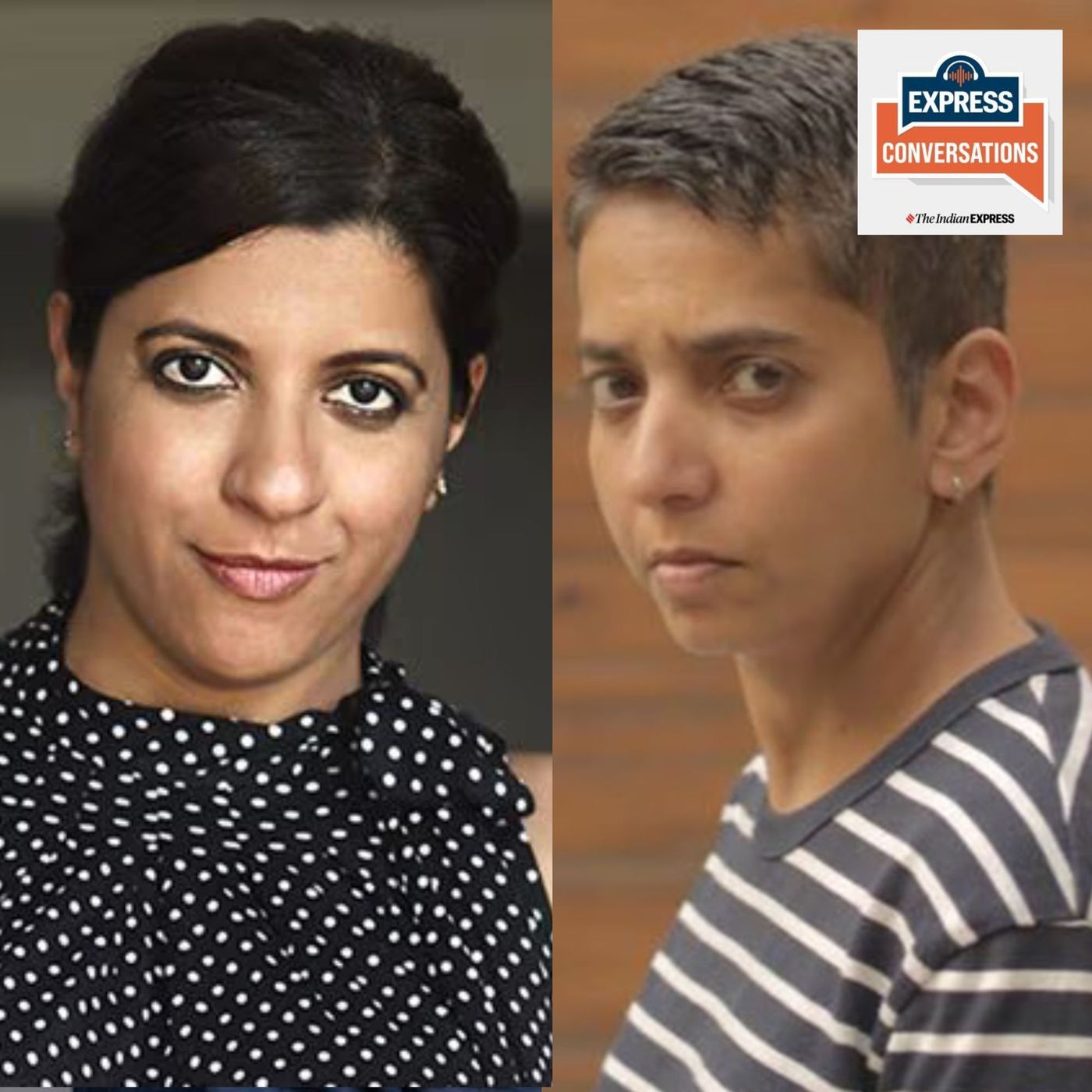
In an exclusive interview with Devansh Sharma, producer Zoya Akhtar and director Ayesha Sood talk about their new unscripted series In Transit, having trans people tell their own stories, and the failure of Superboys of Malegaon. Edited and Mixed by Suresh Pawar
4 Oct 2026 · 1 hr 3 min
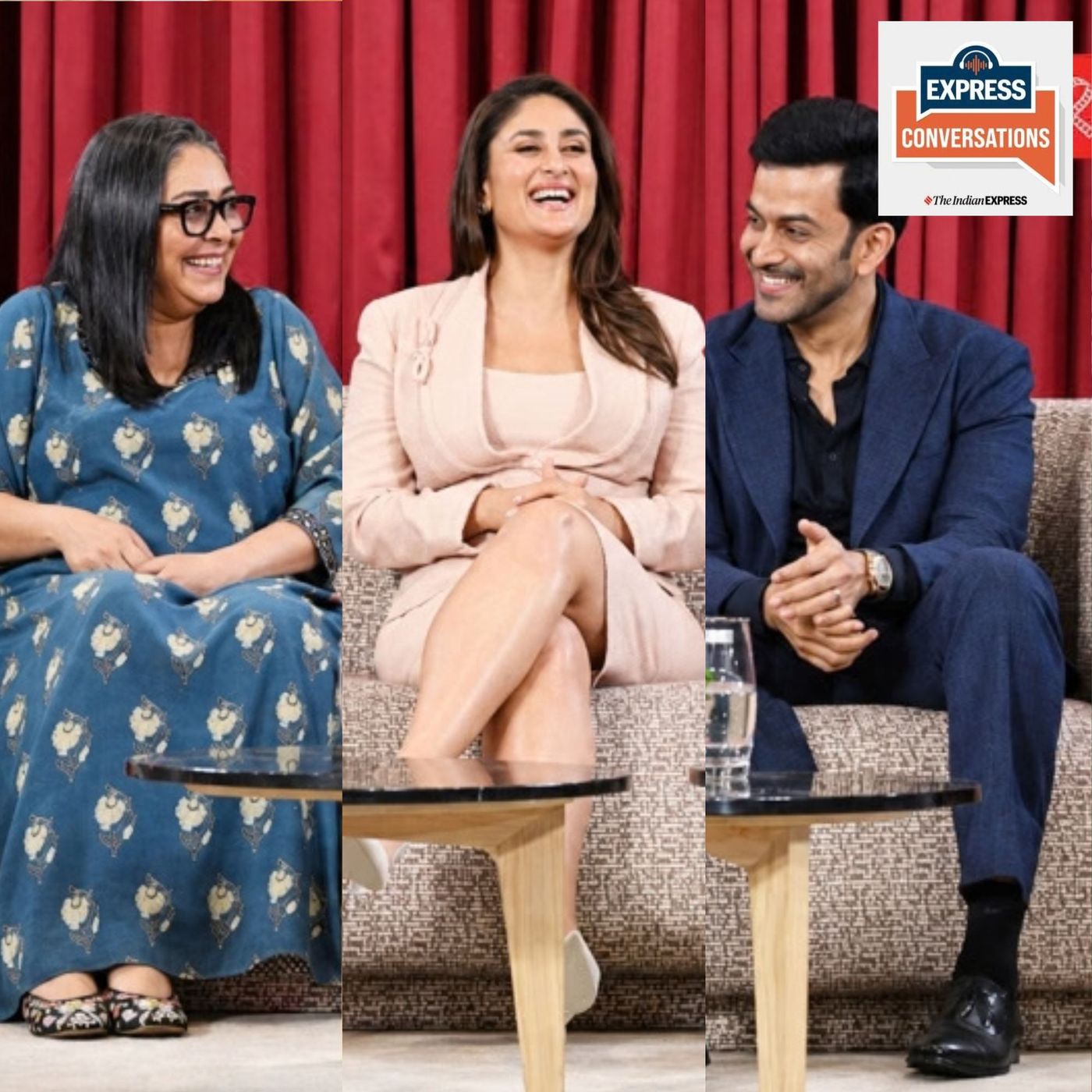
This time, the spotlight is on Prithviraj Sukumaran, Kareena Kapoor Khan and Meghna Gulzar, who joined us for a candid conversation. During the session, the trio spoke about their upcoming film Daayra, the complexities of its central characters, their creative choices, and the differences between the Malayalam and Hindi film industries. Edited and Mixed by Suresh Pawar
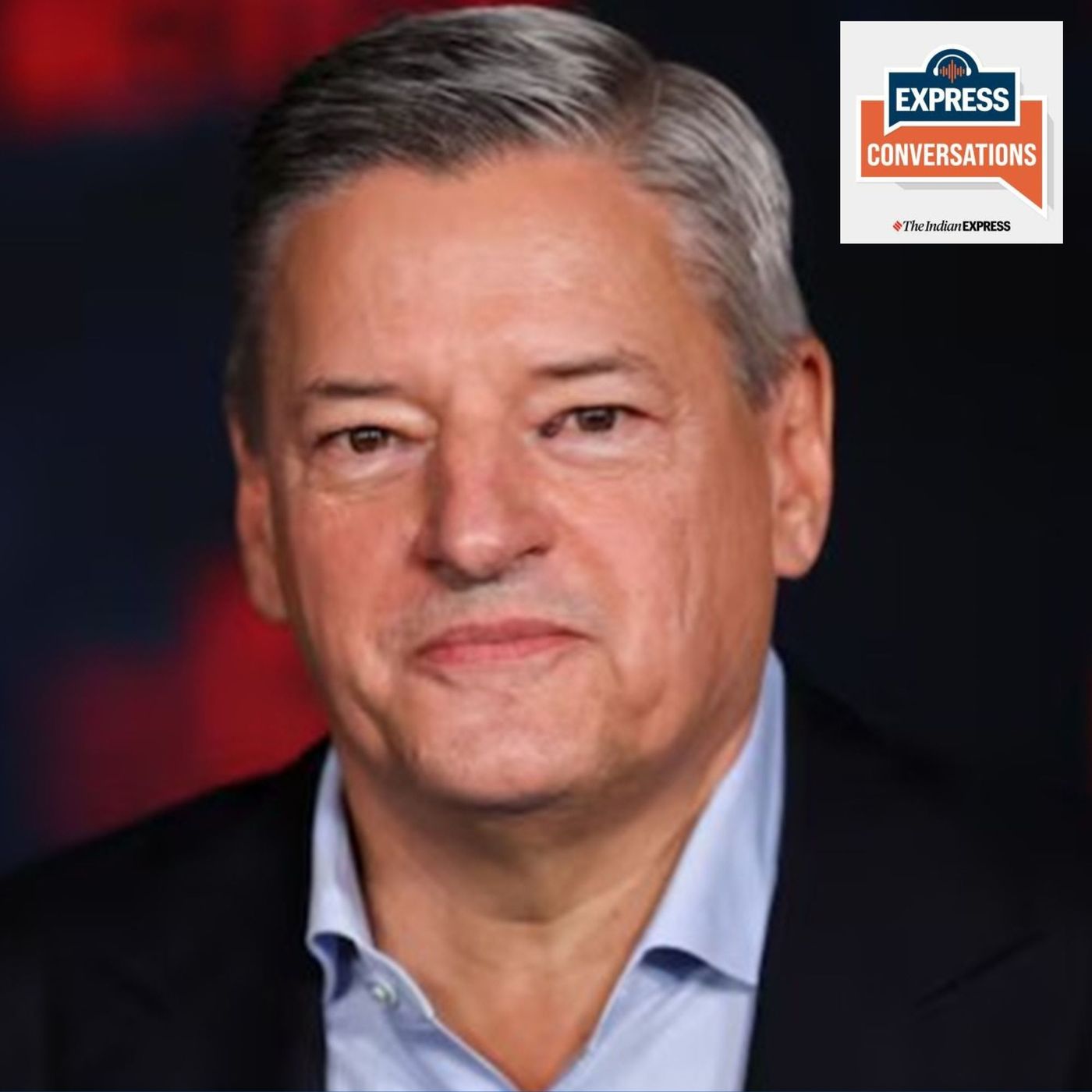
8 Aug 2026 · 1 hr 9 min
Will Netflix bid for IPL rights? Why did it bring Samay Raina’s India’s Got Latent to the platform and how is AI transforming entertainment? Netflix Co-CEO Ted Sarandos joins Anant Goenka for a wide-ranging conversation about Netflix’s ambitions in India, the future of streaming and the changing rules of global entertainment. As one of the most influential leaders in global entertainment, Sarandos has transformed how audiences around the world discover, watch, and experience content. With India emerging as one of the most important content markets globally, his perspectives offer valuable…
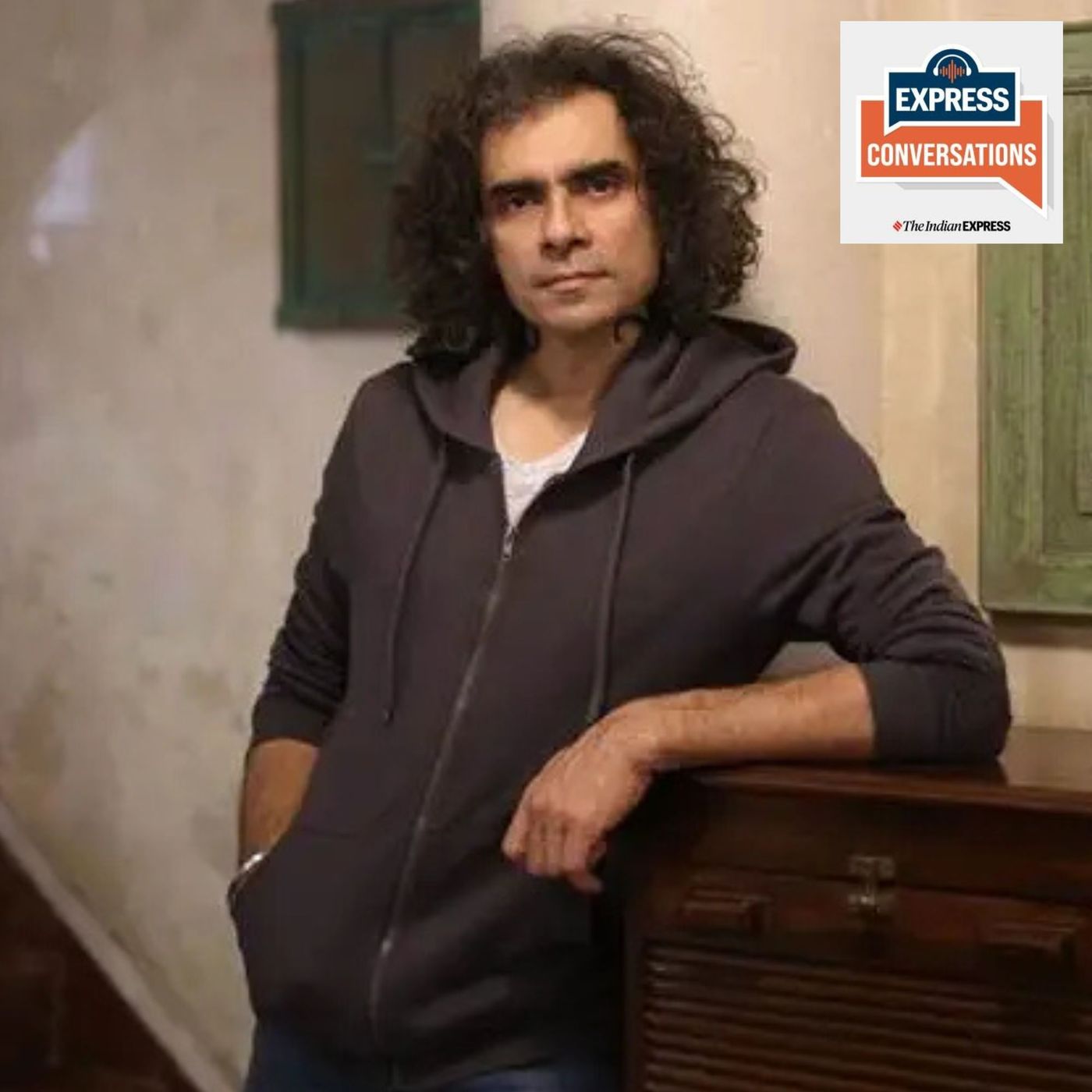
15 Jun 2026 · 25 min
Writer-director Imtiaz Ali discusses his recent film 'Main Vaapas Aaunga', that released on June 12, in an exclusive conversation with Alaka Sahani. Inspired by real stories from the 1947 Partition, the film explores themes of identity, loss and belonging. Imtiaz also talks about reuniting with Diljit Dosanjh after Amar Singh Chamkila, working with Naseeruddin Shah, and casting Vedang Raina and Sharvari in key roles. Edited and Mixed by Suresh Pawar
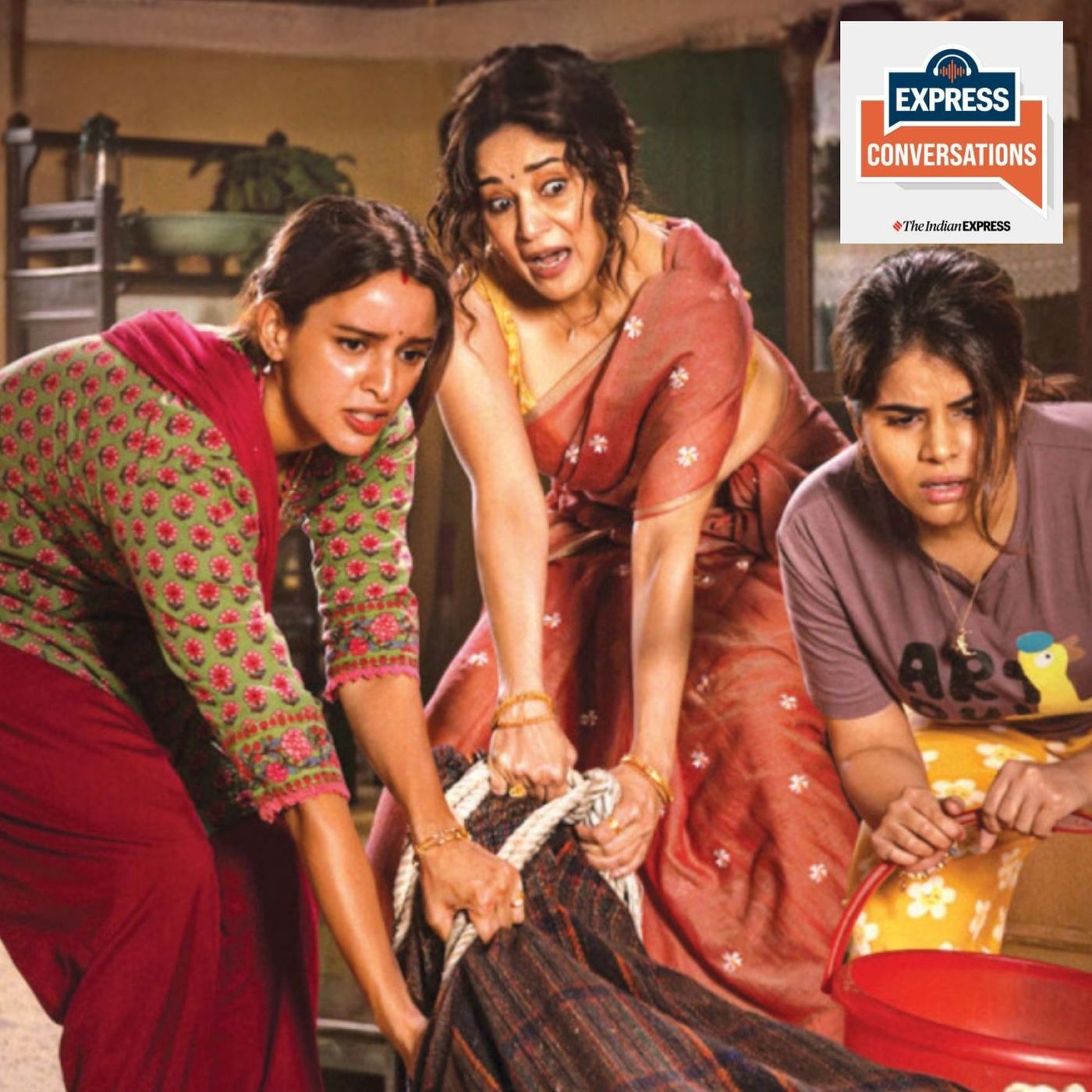
1 Jun 2026 · 14 min
In an exclusive conversation with Devansh Sharma, Madhuri Dixit, director Suresh Triveni, producer Vikram Malhotra and Ruchikaa Kapoor, Director of Original Films at Netflix India, spoke about their film 'Maa Behen', which released on June 5. During the discussion, the team also reflected on how stars from the 1980s are making a strong comeback in today’s entertainment industry and shared their thoughts on whether the growing trend of casting influencers is affecting opportunities for trained actors. Edited and Mixed by Suresh Pawar
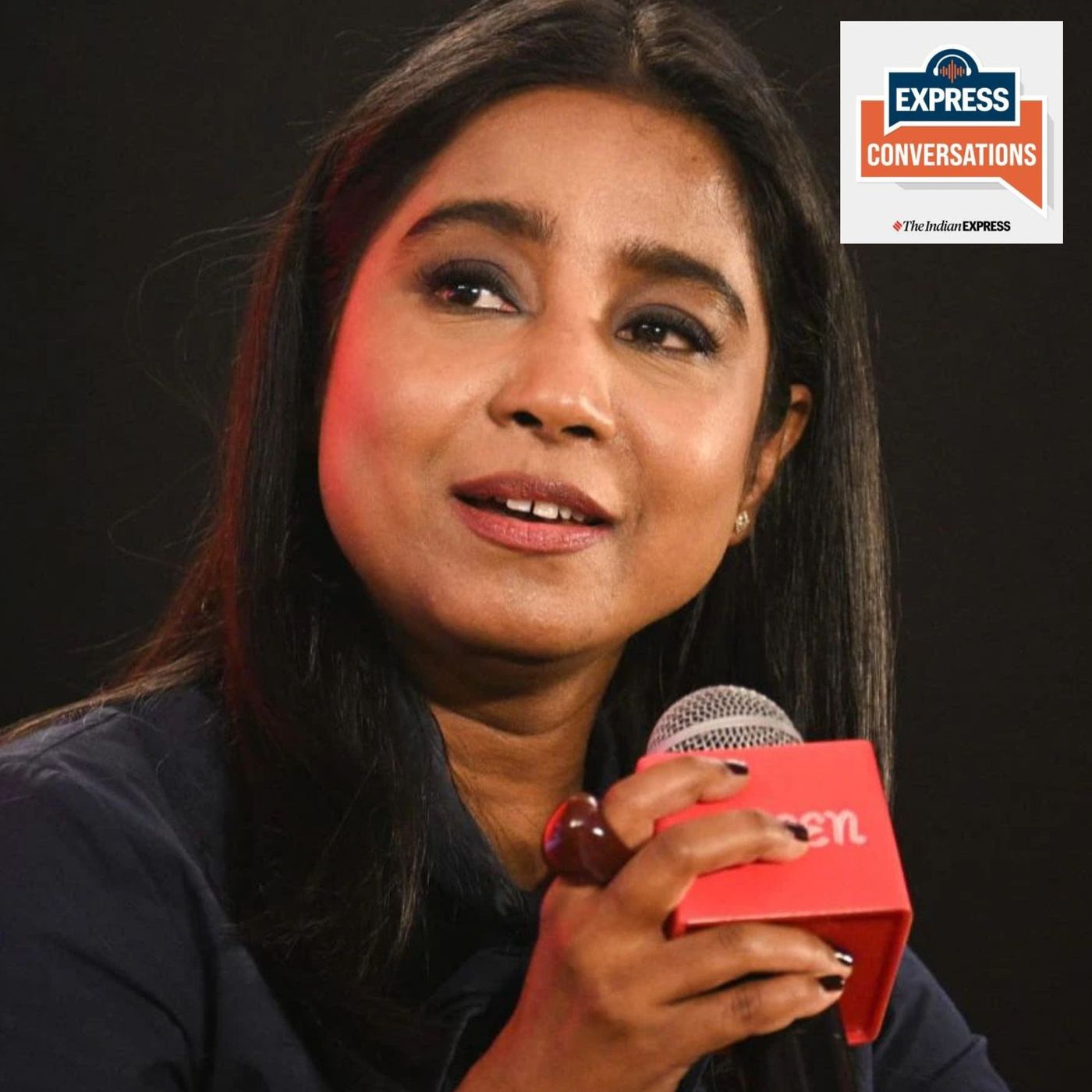
8 May 2026 · 37 min
In this exclusive interview, Shilpa Rao takes us through her remarkable journey in the Indian music industry, sharing deep insights into creativity, artistic growth, and the realities of being a playback singer in Bollywood. Known for her soulful voice and hit songs across films and independent projects, Shilpa Rao opens up about how she approaches music, the process behind finding her unique sound, and the importance of constant reinvention in a competitive industry. She also speaks candidly about the challenges artists face today - from industry pressures to evolving audience…
24 Apr 2026 · 47 min
In this exclusive interview with Devansh Sharma, actor Mona Singh opens up about her back-to-back theatrical releases, her recent projects — Kohrra Season 2, Border 2, and Happy Patel — her journey from Jassi Jaisi Koi Nahin to The Ba**ds of Bollywood*, and her unique “umbilical cord” connection with Aamir Khan. Edited and Mixed by Suresh Pawar
17 Apr 2026 · 22 min
Akshay Kumar and Priyadarshan have revealed exciting details about their upcoming film ‘Bhooth Bangla’, sharing insights into the storyline and their collaboration. They also discussed working with veteran actor Asrani and addressed the Rajpal Yadav controversy, providing clarity while highlighting the film’s unique blend of comedy and horror, along with its strong ensemble performances. Edited and Mixed by Suresh Pawar

The Melo app keeps playing with the screen off, works in the car and on your watch, wakes you to your station, and browses the whole catalogue offline. Free, no ads, no account.


