
Episode notes
To be jealous is to be human. It is what you do with that feeling that counts. 💌Join 8,300+ people getting our takeaways and favourite moments from this episode in our weekly newsletter - http://bit.ly/45NyQDy Our resident psychologist Dr Emily Musgrove is in the studio to talk about THAT podcast moment: the one where Ryan admitted he was jealous of Hugh and Hamish Blake’s relationship. The one that lives in Imperfects history. According to Dr Em, we develop the emotion of jealousy at just 9 months old, and it shows up everywhere; family, work, school, friends. Feelings around…
Transcript
Read the transcript · about 10,840 words, follows along as you listen
Jealousy. Almost all of us feel it, yet almost none of us want to admit it. It's an experience that arises when there is a perceived threat to a valued relationship. In my mind at the time, I was like, how could you not realise that this would be a weird thing? The thought that I was doing something was upsetting to you was awful. Hearing you say that, like, I haven't gotten jealous in a long time, it's like, how? Jealousy is a normal human emotion that, like any emotion, is information and a signal that we can tune into wisely if we're willing.
jam I saw was talking to someone in the fruit and veg section. Turns out it was Harry bloody styles. I wasn't jealous though because it's just Harry styles. How do I show up when this feeling is here? What am I willing to stand for in the face of this feeling of jealousy? Quick, is anyone here a doctor? Yes, her name is Dr. Emily, and she's a psychologist. Please welcome to The Imperfects, our very own... Psychologist! Dr. M. Hello. Hello. Oh, she's back.
She is. She is back. It's good to see you. I'm here. I feel like I didn't do this last time, but just to remind everyone, Dr. Emily, our resident psychologist, everyone knows this by now. I mean, you know, you're bigger than the podcast at this point, I think. Like it's now it's like your own planet and then we're orbiting planet Dr. M at this point. Oh, no, that's a bit much. It's true. We are but moons. It's true. We are but moons. Oh, dear. You've been coming to this podcast for years.
Every time you come on, you bring on like you want to focus in in a clinical sense on a previous episode and a topic that we talked about and go into it on a deeper level. And I'm assuming you're doing that again today. Yes. Not breaking format. No. You're not going to do your top ten plays of the week from the NBA. There would be so many to choose from. Yeah, we'd be. A lot of dunks. It's finals time. There's so much. Yeah, it's big. But anyway.
Yes. Well, today I would like to talk about jealousy. Oh, it's here. The day has arrived. Yes. Yep. And you might remember that I have done an episode previously on envy. Yeah. And I've made them very distinct because they are very distinct experiences and emotions. It's weird that you would wear green today and not then. What are the chances? What are the chances, yeah. Green with jealousy. Yeah. Yes. And to really kind of introduce this topic, I'm actually going to go back to, I think, a very well-known episode that you did with Hamish and Hugh.
And you were there, of course, Josh, as well. I know what you're referring to. Where you were expressing your experience of jealousy. Yeah. Yes, I was. In a friendship context. Luckily, I'm completely over it now. Exactly. You are, right? Pretty much. Oh, good. I'm fine. I'm actually fine. Stop asking me. I'm actually fine. Yes. So I thought we'd go back and listen to that to give a bit of context and then I'll spend it. Just trigger warning to future Ryan when you're listening to this.
Great, yes. So let me get, I'll get that out for you guys. And I thought, well, here's a problem. I was sitting in the green room going, what an issue here? Because probably everyone's favorite story is about when I met Hamish. And part of it's going, oh, I love Hamish, incredible, blah, blah, blah. And then I'm like, oh, I can't have Ryan hear me say that. And so I had this huge panic before going on stage. I'm going, do I tell this story now? Or like, is it going to confirm all Ryan's fears?
Yeah. So it's been a... I'm happy to have this discussion, I have to say. This is great to clear the area. To be honest... I don't have much to add, by the way. You guys do. This is where I go, the main reason I want to be friends with Hugh was for Josh. I still do have, and I wasn't sure whether I'd talk about this, but I do have a weird, I mean, we joked about me being a possessive friend, but there is a weird possessiveness that I do have with both of you in certain ways.
And it's like, you know, there's a Seinfeld episode about don't let your worlds collide, you know. And there is part of me that like the thought of you two becoming friends is... It does... It worries me. I would say that's a common feeling, though, right? I would say you're probably not as alone as you think in that feeling. I can understand that feeling. I reckon adult friendships, you're like, oh, I feel... You know, we get less of them as we go through life.
Or they become more and more special. And we know how valuable they are. Like, we know at the end of the day, like your friends and family and your interpersonal relationships are really all you've got. And I think if you've got a special friendship... It's hard in terms of self-doubt. It's hard to, if you feel like they see something in someone else that they don't see in you. It's exactly that. It's hard to swallow that because it challenges that feeling of specialness because you start to get worried.
And it reinforces that self-doubt of like. It helps that voice go, see, maybe not that great. Like I get stuck in my head about things like, oh, well, you guys both like cricket. You guys both like exercise. You're going to form this special bond and then I'll be cut out because I can't provide you guys with enough of the stuff that you want in a friend. Yeah, that was me. But no, I was joking before. It's interesting listening to that back, actually, because I can hear in my voice how nervous I was.
Because a bit of context for that clip in that episode, like Hamish was on as the guest, obviously, and the intention of the episode was not to talk about that. It was nothing and that just sort of came up organically. So I sort of found myself suddenly talking about this feeling of jealousy that I had. So I can hear my voice really, a really nervous voice. How does that feel like that has changed for you? Well, there's something that Hayme said in that episode.
I forget the exact wording, but it was something like, no one can take away my wry love or something like that. There was something to that effect. He used the analogy of his kid saying when he had his second child, he didn't take love away from his first child. Yes. There was a new love he had for this. Yeah. So it doesn't – it really – No, I don't have that jealousy. I mean, that ship has sailed anyway, but I don't have that jealousy really at all.
Like maybe like little, if I'm in like a, and it would have nothing to do with them, but if I'm like in like a bad place or if I'm like in a place of like feeling... a bit low or my self-worth is down, that might mean that I feel a bit more jealous if I hear that they've hung out or spoken or whatever. But no, I mean, but hearing it now, it feels like a long time ago. It was a long time ago, but yeah. Yeah. I think there's a lot in your response even.
And before I kind of get into a whole lot of the theory and things about jealousy, I really appreciate the shaky voice part. You know, it's... To me, it's approaching a fear. What will people think? How will this be taken? But also an exposure to the feeling of shame that we have for feeling jealous. Yeah. Because I think what I'll talk about today is that jealousy in cultural terms is often painted as an ugly emotion. Mm-hmm. And that in fact, it's almost shameful to have it or to experience it.
But interestingly, what we know about shame is that shame tells you not to speak it. It tells you not to tell Hamish that you feel you have an experience of jealousy because it might somehow expose your flawed nature. Yeah. Now that I think about it, it's also, it's like being caught caring for. Yes. Which is so silly because it's like obviously we care about our friends, but maybe this is more of a male thing, I don't know. But there's something about like to be jealous means that you obviously care a lot.
Yes. And as a guy, it kind of feels like we spend a lot of time pretending we don't really give a shit. It's like, yeah, catch you whenever. But inside you're like, I'd love to see you tomorrow. You don't want to say that. You want to play it cool and act like, oh, I've got heaps of friends. But I'm unaffected. Yeah. But I think you actually hit there really kind of on the definition of jealousy and that is, or the understanding of what jealousy is.
And that is that it's an experience that arises when there is a perceived threat to a valued relationship. Yeah. And what that says is two things is that, um, I really care about this person, this relationship, and I'm fearful of losing it. Yeah. And that's why it's also different from envy. So envy is wanting something that someone else has. Jealousy is feeling fearful of losing what I already have. Yep. But you can be not jealous and have a relationship that you truly value.
You can also not get jealous either. No, I know what you meant. Yeah, I was thinking the same thing. I was thinking the same thing. It's kind of like just because you're not jealous doesn't mean that you don't care. Yes. If Harry Styles was in love with Penny... Well, let me give you an actual example. When Jam and I were in Italy, it's in Europe, we were in Italy and we were in this little supermarket, this tiny town, and I checked out first, was standing up at the front near the checkout thing, and Jam, I saw, was talking to someone in the fruit and veg section in the supermarket.
And I looked and I was like, who's this guy? Is he like a – is he work there or whatever? Yeah. Turns out, it was Harry bloody Stiles. No! What? Yes! Anyway, we spent a long time that night trying to figure out where he was staying and trying to get invited to a party we assumed he was having. So, anyway, I wasn't jealous, though, because it's just Harry Stiles. LAUGHTER So, look, I will get into why we might be more prone to feel jealous and why we may not be in those circumstances.
But I do really want to emphasise that jealousy is arising because we fear losing this relationship or it changing. So it's not that, you know, if I don't have this feeling, it doesn't mean that I don't value it. But equally, I will say that we want to have, in some ways, like, For example, if you found out that your partner was having an affair, if you didn't feel jealous, is that a problem? It's almost a red flag, isn't it? Yes. It's a red flag that I don't care enough.
Yeah. So it's actually really informative that it's, and this is the thing, is that jealousy is a normal human emotion that like any emotion is information and a signal that we can tune into wisely if we're willing. Yeah. Okay. It's interesting when you said that, the... I'm assuming I would feel jealous, but my immediate thought was like betrayal and anger. Oh, yeah. I mean, you'd have all of those. You'd have all those things too. Yeah. Yes. Anyway, it's like jealous wasn't the first one in that scenario.
That popped into my head. No, you'd have the big ones. Yeah, yeah. Of course, of course. And equally, if, you know, you saw that, I don't know, your partner was becoming really close with someone and maybe you were feeling excluded, for example, then, yes, this is a really natural thing to arise. And so from an evolutionary point of view, if we look at what's the function, what's the adaptive function of jealousy, there are theories that suggest that there are gender based responses.
So, for example, that in cave person times, a male might become possessive of the female or attuned to threats from other males to protect the progeny. And also to be certain that their offspring was his. Okay. So it's protecting his gene pool there. Does that make sense? Yeah. So there was, when that feeling would arise, it would prompt behaviour to protect the bond that's already here. Equally, if, and this is to do with parental investment theory, um, And, you know, there are some flaws to this, obviously, but I think it's kind of an interesting take on evolutionary history here, that for women in caveperson times, the arrival of a feeling of jealousy would prompt a desire to create greater closeness with their male counterpart or their male partner and...
Because if their male partner was becoming emotionally close with other females, that could threaten the woman and their children's capacity to gain care and nurture from the partner. So basically, it's a protective function. I want to maintain this bond because it ensures our survival. Okay. Yeah. Jealousy is the, just thinking about it, I haven't felt jealous in a very, very, very long time. It's the worst feeling though. It's awful. Oh, yeah. Yeah.
Awful. It is. It's deeply painful. And because at its heart, it's representing almost an anticipatory grief and loss. So if we think about it, that if this feeling of jealousy is arriving, it's telling me that I'm worried that I'm going to lose this relationship or it would change in some way. And if that fear was to come true, it would mean loss. What's the feeling when, is it still jealousy? Because I know, I get what you mean by jealousy is the threat of losing something that you already have.
But is it still jealousy if it's like you're, if you've broken up with someone and then you see them with someone else. So then technically you've already lost them. Is it still jealousy? Yeah, it is. Yeah, so I get what you're saying there. But yes, that is a very valid experience to have. It's a yearning for what I did have in some ways. We can also experience what's called like a retrospective jealousy. So I might experience in almost like sometimes...
invasive thoughts about my partner with their ex, for example. And that's eliciting like a jealousy in some way. So there's that experience of feeling this in response to imagined previous experiences. We can also then most obviously experience current or even imagined future threats as well. So it's a pretty broad ranging kind of experience. Yeah. How is that going so far? Yeah. Excellent. Makes sense. All right. So if we think about jealousy often, I think we kind of put it in the context of our romantic partners, but I really want to emphasize that jealousy is an emotion that we experience both across the lifespan and across different kinds of relationships.
Yeah. We also know that animals experience jealousy too. Really? So dogs tend to be the most jealous species. Oh, of course. Yeah. Like of their owners? Yes. Like with other dogs? Yes. Yes, or other people. Oh. Yep. So if basically like the dog, for example, is, you know, when someone else arrives, is feeling a threat to my attachment with my carer. Yeah. How did they work that out, do you know? I have no idea. Not my will house. Are you feeling jealous?
Yeah, a little bit, yeah. I mean, I guess they're looking at kind of, I don't actually know. I'm not even going to do that much. But we also know that jealousy is an emotion that we can measure even in like, I think the period is around nine months old of an infant, that we can see that infants even are expressing an experience of jealousy Because this primary attachment here is being threatened. So it might be that a baby might cry if they see their parent with another child, for example.
He's like, here represents a threat to this valued attachment. Okay. Yeah. So that's one example of this. This is like a normal human response that is being elicited to hopefully regain and protect the relationship. We also know that we can experience jealousy within family systems. So particularly if there's a favourite child, that's a really tricky one. How do you know if you're the favourite child or not? Great question. Yeah. Like how did you guys figure it out?
I actually remember someone saying to me, like an early supervisor saying, you only ask that question if you actually are the favourite. Of course. Yeah, definitely. Yeah, because the person that's not the favourite knows. Yeah. Anyway, favouritism, family dynamics are, you know, rife for experiences of jealousy. So, you know, one person is closer. It can also work in relationships where there are children too. So it could be that a partner is jealous of their partner's attachment to the child.
Oh, yeah. So the arrival of a child can sometimes threaten this primary attachment that was between two partners. Yep. So that's another experience that can happen. I mean, obviously we can experience jealousy in the classroom. At work. Yep, at work. Absolutely in friendships. You know, adolescence is a really kind of volatile time. to experiencing lots of jealousy. And then, of course, we can bring in envy too into this equation. So you're actually then experiencing both.
Like, for example, I might be jealous of this person who's threatening my attachment with my best friend and, to layer on, I also want her hair. Oh, yeah. Or, you know, like she's better than me. So we start to move into that comparing mode. So now I've got a threat to my attachment and I also feel really envious of the things that they have. I could be wrong here, but in fact I almost certainly am, but I have a hunch that if you were to like track occasions of jealousy, of jealous feeling in general across the population, it feels like if it was like a, it would be like a bell curve of distribution where the peak of that bell curve would be like, about the evolutionary time of when people are ready to reproduce.
So like mid-teens, late teens. I'm not saying that they should, but I'm just saying like from a reproductive point of view. God, the clarifying statements we have to make. Yeah, exactly. But I know for me, I feel like my jealousy went up then and then it's kind of just dissipated as I get older and I'm less. Yeah. As similar to Hugh, I'm struggling to remember when I was jealous. I feel envious a lot. Yeah. All the time. But jealousy is not one that's that present for me.
I wonder if there's anything to that. Yeah, I think, well, actually there's some research that suggests that people in their 20s and early 30s are more likely to experience more jealousy in that era and that people over 50 experience less jealousy. So my belt curve is wrong. Well, no, it's not that. It's kind of, it's actually kind of consistent. Yeah. Yeah, you're not wrong. It's unright. So if you look at developmentally what is happening during that period, even if we include adolescence into that too, developmentally what are the main tasks of that era or that season?
Of the late 20s, 30s. Or even like late adolescence into your 20s. Oh, yeah. Maybe late 20s. Yep. Romantic relationships. Yep. Sort of independence. Yep. Generally. Career. Yeah. Nightclubbing. Children at the end. Yeah. A bit of chicane at the start. Yeah. Clubbing. Yeah. So developmentally, it makes sense that we're going to be experiencing this more when we're, you know, in some ways trying to establish long-term, stable, trustworthy patterns of relationships.
Mm-hmm. And that that is in more fluctuation during that period of time. Mm-hmm. Yeah. But that's not to say, though, that we can't experience it across the lifespan and also have acute periods of it as well. Mm-hmm. I can imagine that there'll be a point where I reckon I'm predicting that the next time I feel jealous is when my kids have friendship, like when they become teenagers and want to become friends, like don't want to spend time with me anymore and want to spend time with their friends.
I reckon I'll be jealous then. Yeah, yeah, quite possibly. Or it might be even things like if they develop a friendship with a mentor and they're wanting to spend time with that mentor and not you. It's really kind of any circumstance where we're starting to feel like I'm losing them. And it is deeply painful. It's deeply painful and it feels desperate. There's something... there's an immense amount of suffering that comes from the place of feeling this.
Um, yeah. And how do, like in a parent-child situation like you're talking about, how do parents often react to that jealousy or how do they deal with that jealousy? Well, I think this is the really important point that we want to perhaps explore because this is the part that either has the capacity to create better communication and boundaries or has the capacity and potential to be extremely destructive and harmful. And so this is where we want to differentiate ourselves our experiences of feeling jealous and our behaviours of jealousy or jealous behaviours.
So if you imagine that you're witnessing a relationship being formed, let's just say in friendships for a start, you're witnessing someone getting close and you feel jealous, the question is what happens next? What do you do in response to this feeling? Now, you know, not surprisingly, there tends to be, you know, a few different pathways that we go. And one of them can be we become really internalizing. And again, it can start to feel very lonely and very isolating.
So it might sound something like they're going to leave me. I'm not as good as them. We start to hear some shame showing up, quite a lot of shame accompanies jealousy. So we become, we turn inwards. We might withdraw. We might start withdrawing from the relationship to protect against overt experiences of rejection. Or we might just put our head in the sand and just keep on doing what we're doing. I don't want to feel this. I don't want to know about it.
We're just, it's not happening. That's kind of like this avoidant response. Okay. Or we can move into much more of a hypervigilant state that brings with it sometimes urges for surveillance. So what I mean by that is we start reassurance seeking, we start checking, we start being really attuned to what is happening in that relationship, potential relationship over there. Mm-hmm. Now, as you can imagine, the pathway that this leads in some circumstances is where it turns from like a benign, normal experience of jealousy into what we could call a pathological jealousy.
which is an experience that often results in violence. And if we look at the research around domestic violence, there was a report that came out that not that long ago that suggested that in something like 74% of DV reported cases, jealousy was listed as an element. Yeah. Right. So jealousy has the capacity to be extremely dangerous. Mm-hmm. And I'll explain, you know, what tends to happen here is that when it moves into kind of a pathological jealousy...
In the experience for an individual in that space, it becomes resistant to evidence. So it might look like checking in on the partner and being convinced that they're not telling the truth, being convinced that they didn't say where they were. They become intensely preoccupied with suspicion and possessiveness and it's driven by basically this fear of loss. And that is a very, very difficult place to be in because it's so resistant to actual factual evidence.
So I just want to acknowledge up front that, you know, like any emotion, there's a spectrum of responses to the painful experience of it. And so I really want to highlight that jealousy, when it's not listened to wisely, has an immense capacity to be very, very dangerous and very harmful. But if we reel it back and kind of come back into what I would say is like kind of normal ways of relating with this experience, I think it would be useful to have a look at the people that might be more prone to experiencing jealousy.
Does anyone have a sense as to what might make you more feeling more jealous? Well, I imagine if you have low self-worth and a belief that you're unlovable or that you're some way flawed and not deserving of love, I can imagine that that would be a very clear case. Yeah, absolutely. Or maybe past experience where… That has, like, something has happened where maybe you, with a romantic partner, they left you for someone else. They had an affair or whatever.
The next time you're in a relationship, if you, it could be irrational, but the fear of it happening again could lead to jealousy. There are, of course, some risk factors or points of vulnerability that might increase the likelihood of experiencing jealousy more frequently or more intensely. And so, yes, early experiences, early harmful experiences of things like mistrust and abuse, experiences of abandonment. experiences where most generally people have left, people have died too.
That's a rupture of attachment there as well. And people who tend to have an anxious attachment style. So an anxious attachment style tends to be quite associated with experiences of jealousy too. And if we dig underneath that, of course that makes sense. I'm anxious and I'm worried and I feel unsettled about losing something that I so dearly value. So of course that's going to make sense. And you've seen evidence that either people leave in the past or you have been abandoned and it's like it's not an impossibility that it could happen again.
Yes. This is a real possibility for all of us, whether we feel super jealous or we don't, is that no relationship is ever certain. Whenever we enter any kind of relationship, there is always a possibility that it could end. I think the question that we have to sit with is, am I willing to show up with it, with this possibility that it could end and do it anyway? Yes. And so that's this kind of great challenge in there with jealousy is letting it be information, letting it be some wisdom.
But can I continue to show up knowing that this is something that I value? That's a tricky thing, which I will come to. But I do really want to perhaps offer some, I guess, some understanding and perspective that this jealousy feeling that is arising is perfectly okay. It's perfectly like a very normal human response. It's then what we do with it that really, I think, really matters. Yeah. This is in the context often of romantic relationships, but it certainly shows up in other relationships also.
And that is that the research has demonstrated that people who hold quite perfectionistic rules or expectations about the nature of their relationships are more likely to experience more jealousy. Oh, of course. That makes sense. So it might be something like, my partner should never find anyone else attractive. Right. My partner should never look at anybody else. My partner should not keep any secrets from me. I should know what my partner's thinking.
So we have this kind of set of almost like an idealized love that I'm the one and only and when you met me, that meant that you would never ever see another person again and ever notice that they were attractive. Does that make sense? Yeah. So people who tend to hold tightly onto these kind of expectations are much more prone to experience jealousy because if, for example, you notice your partner, I don't know, talking to another person, a stranger at a bar, immediately, bang, violation of the rule.
The rule was she shouldn't be interested in somebody else or having a conversation with someone else. And so immediately this feeling arises. Okay. And what should you do next? Okay. All right. So this is the really tricky part. The first thing is that, as always, we need to tune into what this feeling is telling me. So the first thing is, yes, it tells me that I really value this relationship. This is really important information. I don't want to lose it.
Okay. The second and really challenging piece in this is how I bring this up with my partner or my friend or my sibling or someone else. So that's a necessary step, do you think, to bring it up? It doesn't have to be, but I think it can be useful if I really value having an open, honest, healthy relationship with that person. So it's not worth just keep trying to deal with it on your own, keep it to yourself and like manage it alone. Well, if you think about when we talked about shame, you've got this feeling that you don't want and you don't like, and it shouldn't be here.
What's happening then? I'm going to leave this one to you. Yeah, go, go, go. Sorry. Let's just say if I start to feel jealous that my friend is forming a closer relationship with someone else. When that feeling arises, I might say something like, oh, you cannot let them know you feel this. You can't let them know. Because, like, what a terrible, like, that's a really bad, ugly emotion that you've got there. That's going to be really unattractive.
Like, imagine if they knew that you were feeling jealous. Okay. So do you notice? That's familiar. Yep. Do you notice in that how we've got, so we've got two experiences happening. The first is the feeling of jealousy and the pang, like the wounding feeling that you get when you see a fear losing this connection with someone. That's the first feeling. The second feeling is a judgment of that feeling not being okay. Okay. Yeah. And also, well, in my situation, I think, you know, if I'm thinking about the original example with Hugh and Haim, it's like if I bring it up, then I'm like that's so unfair on them because it's like they're not doing anything wrong.
I know that objectively. But so for me to like go, hey, guys, just let you know, heads up, what you're doing is making me insanely jealous. But carry on if you're happy to do that. It kind of feels like a little bit. I don't know. But I know there's a better way to do it than that, obviously, but that's what comes up. That's what I think about. Yeah, but can I ask you, if you hadn't have shared that, what would the cost have been, do you think? Yeah, well, exactly.
I mean, I don't even know if I would have shared it if it didn't come up. If it wasn't for a podcast. It wasn't for a podcast, but even then, like, you know, if I had have heard, if I had not been on this show and heard that, hopefully it might have been the thing that did encourage me to talk, to say something about it. Because now having gone through it, to state the obvious, it's made a huge difference because otherwise I'm just like carrying this thing, which probably turns into resentment and...
That's the key point in there is that holding onto this feeling, whether it's that I'm not willing to share it, I'm pushing it away, pushing it down, is that it makes it bigger. There's a saying in acceptance and commitment therapy is that if you don't want it, you've got it. If you don't want it. If you don't want the feeling, you've got the feeling. Oh, okay. So it's like saying don't think of a pink elephant. Boom, we've got pink elephant. Yep.
Don't feel jealous. Boom, you've got it. Gotcha. Yeah. So the... the challenge in there is to hold a sense of kindness and compassion and curiosity as to why this feeling is here because if you don't work with the feeling, it makes it bigger, the suffering becomes bigger and the cost to your friendship becomes much, much bigger. So potentially if you hadn't said anything and you moved into resentment, how would that impact your relationship with him?
Yeah. Well, probably with both of them, it would... I'd probably just retreat, I reckon, a little bit in certain things. I'd probably... kind of like inexplicably punish for no reason. And probably, you know, if I was feeling like really annoyed and resentful of Hugh because of the friendship with Hamish and I hadn't spoken about it, but like years later, I'd just be like giving him the silent treatment for a reason he has no idea. It's like, what's going on with a shell dog?
And it would be, yeah, I imagine it would get to that point where he would be wondering, why is he acting weird around me? Yeah. And if we were to go one step further, I'm not saying that this wouldn't have happened, but in a lot of circumstances, it's our reaction to that feeling that becomes like a self-fulfilling prophecy. So now our behaviors of jealousy are actually creating distance or creating hostility or creating damage to the existing relationship.
Yeah. So then we've lost the wisdom of the jealousy at that point. Oh, yeah. It's making it worse. Exactly. And we can also see this in terms of what happens when we step into like non-pathological but nonetheless unhelpful behaviours like checking phones, looking for information, reassurance seeking, texting, also the advent of... social media and being able to see where people are, when people are online, what they're doing, all of this information is actually deeply unhelpful to us.
Well, I mean, I'm so shocked when I find out that like groups of like, this is probably more young people, but groups of friends, very common now, groups of friends all know where they all are on like the find my friends thing. So you always know all your friends are. I feel like the The jealousy economy must be booming because of that sort of stuff. Yes. So the more information that you have about that attachment relationships, whereabouts, for example, or what they have been doing, et cetera, the more vulnerable you are to experiencing more jealousy.
Yeah. Because if you look for it, you will find it. Mm. Even if it's not right, you're making it up. Yes, exactly. And so then if we take the checking or reassurance-seeking behaviour that can show up when we feel jealous is that paradoxically that behaviour can cause the other person to genuinely move away because that reassurance-seeking becomes it can start to feel clingy and possessive and what it will trigger often for the other person is to go, no, this is really annoying.
This is almost like there is a feeling here that my freedom and autonomy is being violated. And so then the feared thing happens. They do leave. But it wasn't because of the original jealousy. It was because of the behaviours. But it also confirms your... Your predilection for jealousy. It's like a confirmation that I was right. Yeah. And if we go a little bit deeper than that, it will confirm very painfully, you know, a belief, for example, that people leave me.
Yeah. And that I'm not worthy of them. Yes, exactly. But just to, you know, she's probably going to say this anyway at some point, but yeah, I can only imagine how hard it is for someone to sort of loosen the grip on whatever surveillance or checking or whatever. If they have gone through really horrible, if they have been cheated on and they have been left or abandoned or something, they've gone through an actual real thing. to then be in a new relationship where they've got no actual reason to be jealous, hard to loosen the grip on that.
It's really hard. Often the analogy is used that, you know, we all have an alarm system, an internal alarm system that alerts us to threats to our relationships or like the loss of our relationships. Yeah. And that for some people with a certain kind of history, that alarm system is just simply much more sensitive than someone else's alarm system. So they're going to be, you know, their alarm is going to go off much more frequently to alert them to this danger.
But the alarm is not always accurate. It definitely makes you act in a way that I just had a memory of like I was seeing someone for maybe like a couple of weeks and I went to the bathroom and came back and they were checking my phone. I didn't know them that like been a couple of weeks. It had been really good in the first couple of weeks. I was like, what the? Oh, no, no. Just I just turned out that had been cheated on previously. Yeah. And they're like, no, no, no.
It's just like I was just sort of defended for a bit and then told that story. I was like, oh, that's really awful. But then in the same breath, I was like, I'm out. This is not hanging around. This is – but then that was – I almost felt like it was unfair. Not unfair to her, but she was just doing it because she'd had this history of being mistreated or poorly treated. Yeah, and that's the tricky part is, you know, how do we hold this with a real genuine compassion and care that this person must have been really deeply hurt, you know, whether recently or a long time ago.
And so, yes, it makes sense that this feeling is alerting you and prompting you to take certain actions. In terms of how we work with this, of course, this is the biggest question. And I do want to perhaps suggest that, Ryan, you bringing it up with Hamish was possibly the most powerful thing that you did. But importantly, too, that both you and Hamish responded to it not with ridicule. Mm-hmm. And not with shutting down. Because what tends to happen most often is that if we express jealousy or even our behavior implies it, is that someone else can actually exacerbate it unintentionally.
How's that? oh, you're jealous about that? That's ridiculous. Of course I'm not doing that. Or like there's a response of like, oh my God, no, don't be silly. Like you're being so silly. So when someone, when a partner, a friend, a sibling, whatever comes to you and says, I'm just like really struggling with these jealous feelings, or I felt really jealous when you went and spent time with so-and-so and you're like, oh God. Really? Like you don't have to worry about that.
Like they're just blah, blah, blah, blah. What do you think happens for the person that's expressed the jealous feelings? I feel stupid. Is it like gaslighting almost in a way? There's also an element I reckon that like, well, I don't believe you. Yeah. That can absolutely happen. It could potentially also sound too defensive. Yes. So that the person who's feeling jealous... that's coming from a real place that they truly believe that. So if the person is really, not even defensive, but just like flippant, they could come across as a bit guilty or something, even though they're not guilty.
Yeah. Yeah, absolutely. All of those things. But who was the most right out of three? Everyone's just as right. Yep. Who's your favourite child out of the three of us? That's good. Yeah. You know, most often what can happen is that when we do bring it up, we can feel shamed for having it. And then what we know is that the shame then becomes really corrosive. It might make us hide. It might make us want to search more, reassure and seek more. It might make us hide and withdraw.
And so there are two parts to this. It's what we do when we experience jealousy and then what we do when someone expresses it to us and how we can hold that a bit differently. Okay. So if we just start with, you know, what happens if someone says to you that they're feeling jealous in some way or another, what do you think you would do? Someone said they're feeling jealous of you spending time with so-and-so. Well, I can maybe respond from the example of actually what.
Yeah. That was – So, first of all, Hamish, what he said was just amazing from what you were saying. He said, I think that makes sense, Ryan, and I think that's quite normal. So that was like an amazing response. Yeah. But then for me, you was like feeling jealous more specifically of me, I think, than the friendship, I think. That's why we've discussed it since. What do you mean? Well, it wasn't like you weren't fearful of losing my friendship. I think you were fearful of losing Hamish's friendship.
Yeah. I wasn't really... No, it was honestly in different ways because I've known Hamish for a lot longer. It maybe was a bit of a more significant loss because we've known each other since we were 15 or whatever. So it feels more like, oh, God, my lifelong best friend is under threat. But that's not to say that it was one or the other. It was just to different degrees. Maybe that's why I interpreted it at the time. But regardless, for me, it was amazing information for me, like incredible.
Because I honestly feel like your friendship is maybe the most important friendship I've ever had in my life. And when I... Like hearing that I was doing something that... was making you feel uncomfortable was just – because I think prior to that I had just made the assumption you'd be just really excited. I didn't thought about it properly. I just thought you'd be so excited to know that Hamish and I are catching up, blah, blah, blah. And so I would have like talked about it very gleefully and like not known how it was making you feel.
It just made me change my behaviour because the last thing I want to do was make like this new most important friendship I've ever had. I just didn't want to make you feel – and uncomfortable at all, regardless of whether it was, you know, rational or like I just – so I changed my behaviour in a way that was so easy to do. People were sneaking around. No, I was just able to just the way I, yeah, I changed my behaviour in a way that was very easy to do.
And I just, it was just so good to know because the thought that I was doing something that was upsetting to you was awful. But so I was so happy to get information. Well, it's really interesting hearing you say before, I don't think I've ever known anyone, like the fact that you can't remember the last time you felt, we haven't felt jealous of anyone in a long time is so helpful because in my mind at the time I was like, how could you not realise that this would be a weird thing, you know, that it would affect me?
But like... If you don't get jealous, then you just don't think it's something that anyone would feel. So it's like it makes so much more sense to me hearing you say that, like, I haven't gotten jealous in a long time. It's like, how? Like, it's so weird for me. Like, I feel like I thought everyone just gets jealous of people and things all the time. Not in friendships. I've just in romantic relationships. In my early 20s, I did. That was about it.
Yeah, that's amazing because that's what, like, five years ago? Ten years ago. But that is helpful information to me because it's like, oh, well, of course, because you wouldn't have thought it would be weird at all or not wrong, but you wouldn't have thought it would have affected me at all because you wouldn't get affected by it. Like if I became really close friends with one of your really close friends, I know that you wouldn't care. Well, it was like the excitement of introducing you to Josh.
It was like, oh, my God. And whenever I heard you guys were catching up or hanging out, I was like, this is so exciting. I can't believe this is happening. This is so good. Yeah, and I believe that. It's true. So, yeah, it's just the difference between our jealousy meters. Well, I think that's kind of like a good point though, and that is that we, again, that there are individual differences in our experiences of this emotion. And based upon any experiences we have had in the past, we are going to be more or less primed to experience it.
And so if there was any kind of blip on the radar, so to speak, where you have felt rejected, abandoned, excluded, et cetera, then you may be more primed to notice this experience or to notice the threat. Or simply sometimes it can just be that that relationship was so deeply and is so deeply held and that that's okay that this feeling was arising. As I said, it's just information to say, I really value this relationship. in the bringing it up, I think it often veers into accusation.
Yes, yes. And I think that's a dangerous area that a lot of people, true, find themselves getting into and they're like, and once you've started going down that track, I feel like it's very hard to back rewind because people get very hurt and defensive there. Yes, you're absolutely right because what it actually can sound like or start out like is... that you're spending too much time with them or, you know, why did you do that, et cetera, et cetera, rather than I am really struggling with these feelings of jealousy when you go and do that.
Mm-hmm. Because when you're hit with an accusation, you're getting too close with them or something like that. That will, of course, immediately elicit a defensive response from the other person. A defensive response which might involve denying that there is anything to be concerned about. Or it might involve even things like, why do you always do this? That kind of response. Like what? Like we've talked about this a million times. You don't need to worry about this.
Yeah. So it's eliciting then a really shameful response. How do you, if like, let's say, for example, if like Jam had formed a friendship with a guy, like a guy and. And he kissed her on the head at a concert. Something you did do. But now that I know he never feels jealous, doesn't really do what to do. Again. On the top of the head. I can see why he would have done that. but only now can I say what. But if, yes, if Jam was talking to a guy and they started forming a friendship and I started feeling jealous and I could see, and I, I trust Jam, like absolutely trust Jam.
And I'm not actually worried, but if I'm still feeling the jealous feelings, how do I bring it up? How do I say to her, how do I say to her, hey, just so you know, I'm feeling jealous when you spend time with that guy. How do I say that without getting in the way of what could be a great friendship? Yeah. And then there's a second question, how is she supposed to respond? How is she supposed to respond? So if she's like, okay, good to know, I'm catching up with them at 7.
LAUGHTER You know what I mean? Yeah. How do you do that? Yeah. I think it really depends upon the nature of your relationship and your feelings of trust and security in those relationships. So, you know, yes, it's understandable that you might experience jealousy in that moment. You know, it might be something that I talk to clients about is this idea of naming the struggle that's here with your partner or with your friend. So rather than going into accusation mode or accusatory mode, it might be something like, Jam, I got to tell you, I'm struggling a little bit with that, with these jealousy feelings.
Like, am I on, am I off track here? So we can kind of bring, you can bring some playfulness to it. You can be curious about it. So, you know, that can be an invitation to discuss our boundaries. Yeah, that's helpful. It doesn't have to be like a heavy sit down conversation. No, not at all. And in fact, what we know is, so it's healthy to have this response. Healthy, really healthy. So it's then this invitation, we could have a conversation now about our relationship expectations, what our boundaries are, and the fact that, yes, it's perfectly fine for you to go and have a conversation or develop a friendship, as long as I'm also kept in mind too.
So this is kind of this respectful, you know, I really deeply care for you. I want you to feel comfortable and I want you to feel safe. Yeah. And that conversation by itself is very trust-eliciting. Yeah. Um, so we can name, basically name that I'm struggling with this feeling and we can use that as a platform to talk about how do we navigate this as a couple? We can talk about it in the friendship context too. So, you know, when you had that conversation with Hamish, it sounds like it just kind of realigned you.
Like it just, it sounds like it anchored you again back into the safety of this attachment still being here. Does that fit? Yeah. Yeah, it did. Yeah, it was so helpful. Yeah. Okay. So, yeah, two parts is how do we respond when someone's acting in a jealous way or is bringing up jealousy? as best we can, and this is really tricky, is to respond with curious compassion. So rather than denying that it's happening or that they're going crazy or you're losing your mind or any of that sort of stuff is like, yeah, I get it.
That must feel hard to watch. So we validate and then open up to a discussion about what's happening there. So it doesn't come naturally. It will not come naturally at all. This is hard to do. Yeah. Okay. So that's the person that is hearing it. And then for the person that is struggling with the feeling, it's not just or even exclusive to talking about it with your other attachment. Okay. It's also how you manage and regulate this feeling for yourself too.
Yeah. Mm-hmm. If we think about the neurobiology of jealousy, again, like many other unpleasant emotions, it's triggering the threat center and it's felt very viscerally often in the body. So it makes sense, therefore, that we really want to create a sense of safety in the body. And so, you know, for a lot of clients, for example, we would talk about how do you soothe the body in this present moment? With the knowledge that there is uncertainty out there about the security of this relationship, okay, what I do have is this moment and in this moment right now I am safe.
I don't know what's going to happen over there. I don't know what's happened in the past, but right now what I can do is ground and soothe myself in the presence of this moment. Yeah. So we wanted to kind of do that as a really kind of a regulation skill is to really kind of bring ourselves back into regulation. Because once we're back in regulation, then we can look at kind of problem solving. Then we can look at probably having a conversation or really kind of returning to the safety of this relationship that is currently here.
How is that sitting? Yeah. Excellent. Okay. Now, I do want to acknowledge that jealousy often can be accurate. Yeah. And this is why it becomes really difficult to decipher because sometimes those feelings may indicate that, yes, this relationship is changing. And that's really hard. Yeah. And so we can see that there is great utility in the feeling, that it is, again, like a detection centre. It's detecting a change in this attachment or a threat to it.
And that, yes, sometimes that is true. The hardest part is the not knowing. The hardest part in that feeling is fearing that it's about to end and not knowing if it will. Being in the dark, basically. Yeah. So uncertainty. Yeah. So if we look at, like, it's one of the most aversive human experiences to sit in uncertainty. We would, have I spoken to you guys about the experiment with the snakes under the rocks? Oh, God. I don't think so. No, I would remember.
Oh, I like that. I'll tell you, I like that a lot. It's an example of how intolerant we are to uncertainty. And so there was this research that was conducted, I'm sorry, I can't remember the authors, but I think it was in 2016, and they had participants view a computer screen, and on the computer screen there were pictures of rocks, and under some of the rocks were snakes, and the task was that they had to turn the rock over. And if a snake was under the rock, they would get, they would be administered a very mild electric shock.
Okay. So what they did and what was the key variable in this study was that the probability of receiving a shock changed or varied. So what that meant was that in some circumstances, participants were told that there was 100% certainty that they were going to get an electric shock. If they didn't have a choice about it, it was going to happen. In other conditions, participants were told that there was no chance they wouldn't get a shock. There were no snakes.
And then in another condition, participants were told that there was a 50% chance that when they turn the rock over, they'll get a shock. And see a snake? And see a snake. Yep. So the snake just represented that you get a shock, basically. So there were these three to four different conditions where the probability of being shocked changed. The results showed that the participants that experienced the most anxiety, anxiety, as measured by their physiological stress response, were not the participants that knew they were going to get shocked with 100% certainty.
The participants that had a 50% chance of receiving an electric shock were the ones that experienced the most stress. Mm-hmm. So it's like I can sit here and I know that I'm about to get shocked with pain. The pain is coming. Or there's a possibility I'm about to get shocked with pain. The possibility, in other words, the uncertainty of what's going to happen is far more stressful. And in terms of fearing losing this relationship, that state is often far worse than knowing for certain it's ended.
Right. I mean, that opens up to a whole nother pathway, a pathway of grieving and of loss, but the anticipation is deeply distressing. Oh, yeah. Oh, God. I can only imagine. Yeah. You might know this from just like people you've chatted to in your clinic, but like... Would, like, the absolute jealousy ninja would be people who are in ethical, non-monogamous relationships. They must possess insane levels of not jealousy. Well, I mean, like, I'm not an expert in this area by any means, but I am aware that that...
monogamous relationships tend to be more vulnerable towards jealousy than non-monogamous relationships. And often it's because there's been very clear discussions around boundaries and expectations. So I think that that kind of speaks in of itself to bringing to light what our implicit rules and expectations are about our relationships. Because they will have come from somewhere. You know, they will have come from, you know, our early childhood experiences and, the way in which our caregivers have modelled attachment, security, exhibition of jealous behaviours, for example.
So those rules and expectations often are implicit and unspoken. And there's an invitation here to, well, let's explore what this actually looks like. And really ultimately, you know, you know, when it comes to this particular feeling, if I feel safe enough, can I have this feeling and be okay with it? So can I have this feeling of jealousy here and still act in a trusting way? So it's this idea that I can have both. I can have both a feeling of jealousy and trust at the same time.
It sounds contradictory, but it's not an either or. It's a both and. Yeah. I've said this before, so I don't want to spend too much time on the story, but very early on in my relationship with Sophie, I was driving to her house. I started feeling jealous and I either, I can't remember if it came on the radio or I put the song on, but Jealous Guy by John Lennon was in the speaker on the car. And I remember thinking like I have a choice here to lean into the jealousy and act in a way.
And I wanted to ask you about values because the lyrics to that song, if people don't know, it was like, it describes a feeling of jealousy, but then the chorus is like, I didn't mean to hurt you, I didn't mean to make you cry, I'm just a jealous guy. And I remember thinking, I don't want to be that person. I don't want to be the person that hurts Sophie or makes her cry or acts in a way that's not the person I want to be. And my knowledge of John Lennon, because I'm a fan of his music, is that he was a pretty...
I mean, not a great person to be in a relationship with and I think abusive and not necessarily a very great guy in relationships with women. And so I'm like, well, I don't want to be that. And here's an example of what that looks like. So I have a choice here. to either go down that path or I can not change any of the reality of the facts of the world of the way Sophie's moved, like the fact that she's got male friends and stuff like that, but I can choose how I behave and how I react and just find out.
Like don't change my behaviour. Act in the way I want to behave in the world to my values and then just the truth will reveal itself over time. That's amazing. If there was one message, that is it. Yeah. Josh is the favourite. Jealous and trusting. Yes. Yeah. Jealous and trusting. Yeah. Yeah, I genuinely, this is just a me thing, but I always believe that the truth will inevitably come out, whether it comes out now or whether it comes out later, what's the suffering in between?
And so, yes, in any given moment we have a choice about how we respond to this feeling. And if we look at it in terms of the kind of person I want to be, what values are important to me is I get a choice in this moment to act in accordance with what I value and, or I can get really hooked into this feeling and that will choose my behaviors for me. It's a hard task. It's not, doesn't come simply, but it requires our pausing. It really requires us to slow down to notice and then to ask myself, how do I show up when this feeling is here?
What am I willing to stand for in the face of this feeling of jealousy? I also feel like potentially as well, like when we were talking earlier about how difficult it is to have that conversation of I'm feeling jealous, I feel like once you've made the decision to decide to act in accordance with your values and the sort of truth revealing itself, then you get to have that conversation from a place of your own values, which means you're reestablishing in the relationship that this is the person I am and the person who I want to be.
So it's like a great way to just to solidify the relationship further over the kind of person you want to be in the world. I think that's wonderful, yeah. Yeah. It's, again, I want to emphasize it is a very normal, perfectly okay feeling to have. The more we can accept that it's here and be open to feeling it, to experiencing it, to holding it carefully, the more we can use its wisdom to have, you know, a much healthier relationship. Brilliant. Amazing, Em.
Yeah. Thank you, Em. I found it was a difficult one because I always want to insert examples in my life and having not experienced it for such a long time, but I did absolutely think back to what an intense and uncomfortable feeling it is. And again, it's gone back a long way, but it was awful. And I just feel like for anyone who's experiencing that now or is having issues in relationships with that, everything you've covered then is so, so helpful.
Well, I definitely encourage people to give a practice that really naming it for themselves even to start with, to just really kind of sit with this. And sometimes even things like journaling, that feeling and that experience can be very, very helpful as a way of processing. It helps me a lot, yeah. Yeah, particularly if it doesn't feel safe enough to express it with someone else. I think that that is absolutely a great place to start. Brilliant.
Yeah. Amazing, Em. Thanks, Em. Thank you. Thanks for having me. See you back here soon. If you enjoyed this episode and want a little more, you might enjoy our subscriber-only apps, available on Patreon and Apple Podcasts. If you want a little more but don't want to pay anymore, then you can join our newsletter at theimperfects.com.au. And while you're there, you'll be able to see the names and faces of all the incredible people who helped make this show.
A show made on the lands of the Wurundjeri, Woiwurrung people, and we pay our respects to elders past and present. The Imperfects is not a licensed mental health service and is not a substitute for professional mental health advice, treatment or assessment. The advice given in this episode is general in nature, but if you're struggling, please see a healthcare professional or call Lifeline on 13 11 14.
Transcript supplied by the publisher with the episode.
The Imperfects
by Hugh van Cuylenburg, Ryan Shelton & Josh van Cuylenburg · English · Health
We’re all imperfect. On this podcast, founder of The Resilience Project Hugh van Cuylenburg, his good friend Ryan Shelton, and only one of their brothers, Josh van Cuylenburg, talks to a variety of interesting people who vulnerably share their own struggles and imperfections, or expertly pass on…
More from The Imperfects
-
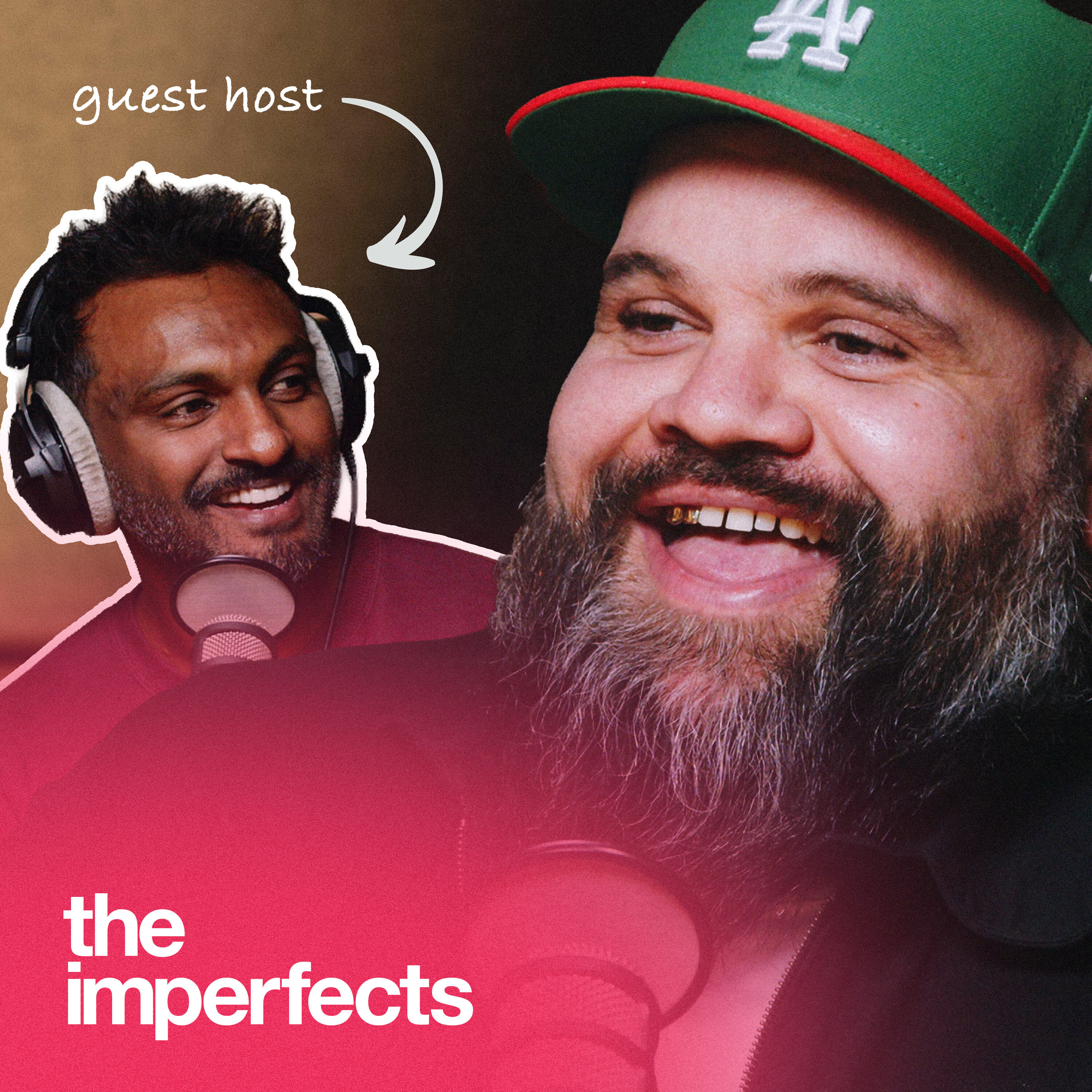
S8 · E28 · 2 Aug 2026 · 1 hr 21 min
Briggs - What Racism Feels Like (feat. Nazeem Hussain)
What is racism, really? 💌Join 9,000+ people getting our takeaways and favourite moments from this episode in our weekly newsletter - https://www.theimperfects.com.au/sign-up-to-our-newsletter/ Adam Briggs, rapper, writer, actor, senator and Yorta-Yorta man, joins Hugh, Josh and guest host Nazeem Hussain, to have an honest conversation about racism in Australia. We explore the impact of The Voice Referendum vote, how culture and community impacts identity, and why Briggs has never, ever felt the need to people please (yep, that’s the sound of us frantically scribbling down notes).…
-

S8 · E27 · 26 Jul 2026 · 1 hr 2 min
Sex for Normal People with Ita O'Brien
Sex is sometimes a taboo topic. Not today! Intimacy expert Ita O’Brien tells us all about the new normal in the bedroom, and how she’s introduced it to Hollywood. 💌Join 9,000+ people getting our takeaways and favourite moments from this episode in our weekly newsletter - http://bit.ly/45NyQDy In 2017, Ita O’Brien changed how Hollywood approached sex scenes when she pioneered intimacy co-ordination on the hit Netflix show, Sex Education, by introducing the framework, “Intimacy On Set Guidelines”. She went on to on productions for Netflix, BBC, HBO, Hulu, Amazon,…
-

S8 · E25 · 19 Jul 2026 · 1 hr 13 min
Our Phone Odyssey Begins
Could you live without your phone for a month? 🩵To hear more episodes like this, join A Little More Imperfects! Patreon - www.patreon.com/theimperfects Apple - http://apple.co/theimperfects This week it's just the three of us. And like Odysseus before us, we embark on a life changing epic. Where he fought the trojans, monsters, cannibals, sirens, the oceans, a cyclops and ACTUAL GODS!! We will do something even ‘EPIC…ER’. We’re tackling our phones. Each of us take on a month-long challenge to fix our worst phone habits, inspired by the ‘god of no phones’…
-

S8 · E24 · 5 Jul 2026 · 1 hr 30 min
Joe Brumm & Hamish Blake - A Bluey-print For Dads
Want can you learn from playing with a child? In today's Academy of Imperfection, Bluey creator Joe Brumm joins us (for real life), with Hamish Blake stepping in as guest host. 💌Join 8,300+ people getting our takeaways and favourite moments from this episode in our weekly newsletter - http://bit.ly/45NyQDy In this episode we dig into the world of play - ”the voluntary overcoming of unnecessary obstacles”, we find out what makes a ‘good’ player and why kids' imaginative play tends to fade around age 12. Josh and Hugh take the chance to wax lyrical about their…
-

S8 · E23 · 28 Jun 2026 · 1 hr 43 min
Janelle Booker & Hamish Blake - The ADHD Playbook for Parents
How do you raise a child whose brain works differently? This episode is for parents of kids with ADHD. And parents who have ADHD. And people who don’t have a diagnosis, but would consider themselves ‘fast and loose’. And for everyone who knows someone who fits the above criteria. 💌Join 8,300+ people getting our takeaways and favourite moments from this episode in our weekly newsletter - http://bit.ly/45NyQDy Janelle Booker, a psychologist who specialises in ADHD, is BACK, this time, to talk to parents of ADHD kids, and how to parent when you yourself have ADHD. And also,…
-

S8 · E22 · 21 Jun 2026 · 1 hr 1 min
Jimmy Wales (Wikipedia) - In Trust We Trust
How do you choose who to trust? And how do you show others that you are trustworthy? 💌Join 8,100+ people getting our takeaways and favourite moments from this episode in our weekly newsletter - http://bit.ly/45NyQDy In this Academy of Imperfection, we are joined by Jimmy Wales, co-founder of Wikipedia. No biggie (BIG biggie). And if there’s one thing Jimmy knows, it's how to garner and imbue the trust of millions. You’re right in feeling like the general level of trust globally is low right now, but this episode is here to step through Jimmy's 7 rules which will help you build,…
-
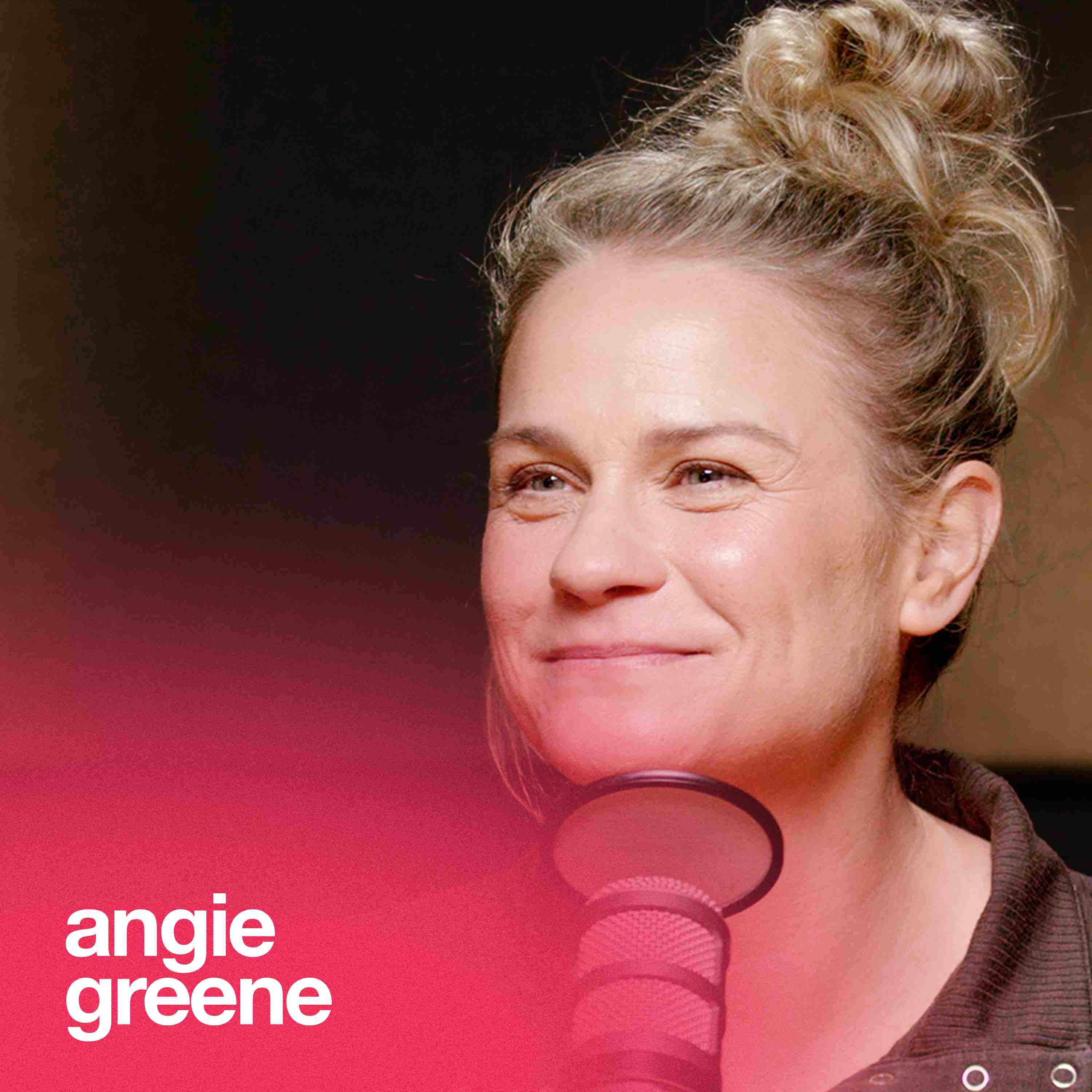
S8 · E37 · 4 Oct 2026 · 1 hr 11 min
How OCD Hijacks Your Brain with Angie Greene
Angie’s OCD obsessions are that she has committed her worst, most insidious, fears. 💌 Join 9,500+ others in our newsletter community - https://www.theimperfects.com.au/sign-up-to-our-newsletter/ Officially diagnosed with obsessive compulsive disorder (OCD) when she was 19, some of Angie’s earliest memories are of obsessions, compulsions and seeking reassurance. Joining us in the studio, Angie talks to Hugh, Ryan and Josh about the reality of living with OCD, how she navigates particularly bad episodes with her partner, and why she wouldn’t wish it on her worst enemy Angie explains false…
-

S8 · E36 · 27 Sep 2026 · 1 hr 16 min
Luke Bateman - Gambling With My Life
Mid 20's and $250,000 in debt. Gripped by a gambling addiction. How do you recover? 💌 Join 9,500+ others in our newsletter community - https://www.theimperfects.com.au/sign-up-to-our-newsletter/ From the outside, it looked like Luke Bateman was living the dream: a professional NRL career with ludicrous pay checks and sponsorship deals. On the inside, Luke was battling a crippling gambling addiction, deepening depression and a widening chasm between the character he was playing, and his true authentic self. With immense courage, honesty and vulnerability, Luke takes Hugh, Ryan and Josh…
-

S8 · E35 · 20 Sep 2026 · 1 hr 12 min
Dr Emily - The Phenomenon That Is Imposter Syndrome
Do you live in fear of being found out as a fraud? That despite your years of competency, achievement and high performance someone will uncover the truth? Well, you’re in the right place. Our resident psychologist Dr Emily Musgrove is here to tell you that your imposter syndrome is nothing to be afraid of. In fact, it’s not even a syndrome. 💌 Get practical take-aways from this episode, and join 9,400+ others in our newsletter community - https://www.theimperfects.com.au/sign-up-to-our-newsletter/ To get a little bit meta, Dr Emily explains that knowing that you don’t know…
-
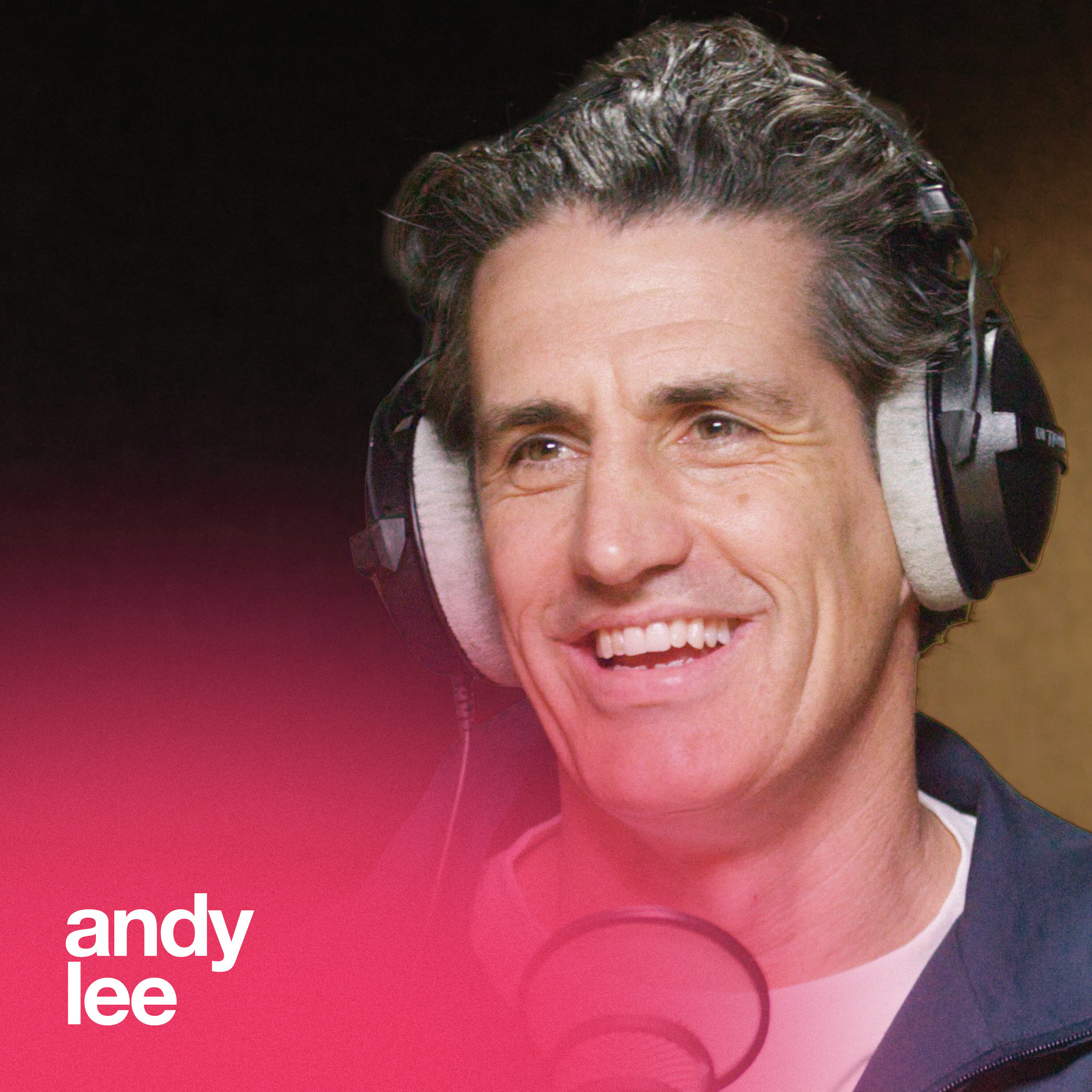
S8 · E34 · 13 Sep 2026 · 1 hr 10 min
Andy Lee - DO NOT Listen To This Episode!
When he was 15, Andy Lee’s mum forgot who he was. 💌 Join 9,400+ others in our newsletter community - https://www.theimperfects.com.au/sign-up-to-our-newsletter/ Given only two weeks to live, Andy tells Hugh, Ryan and Josh how this news impacted his family, impacted his childhood, and continues to impact his sense of self. And then, we’re going all the way back to the early days of Radio Karate, and Hamish & Andy. In a long overdue conversation (recorded, of course), Ryan and Andy chat about their own friendship dynamic and why they both felt like the odd one out. Getting down to…

Take it with you
The Melo app keeps playing with the screen off, works in the car and on your watch, wakes you to your station, and browses the whole catalogue offline. Free, no ads, no account.