Episode notes
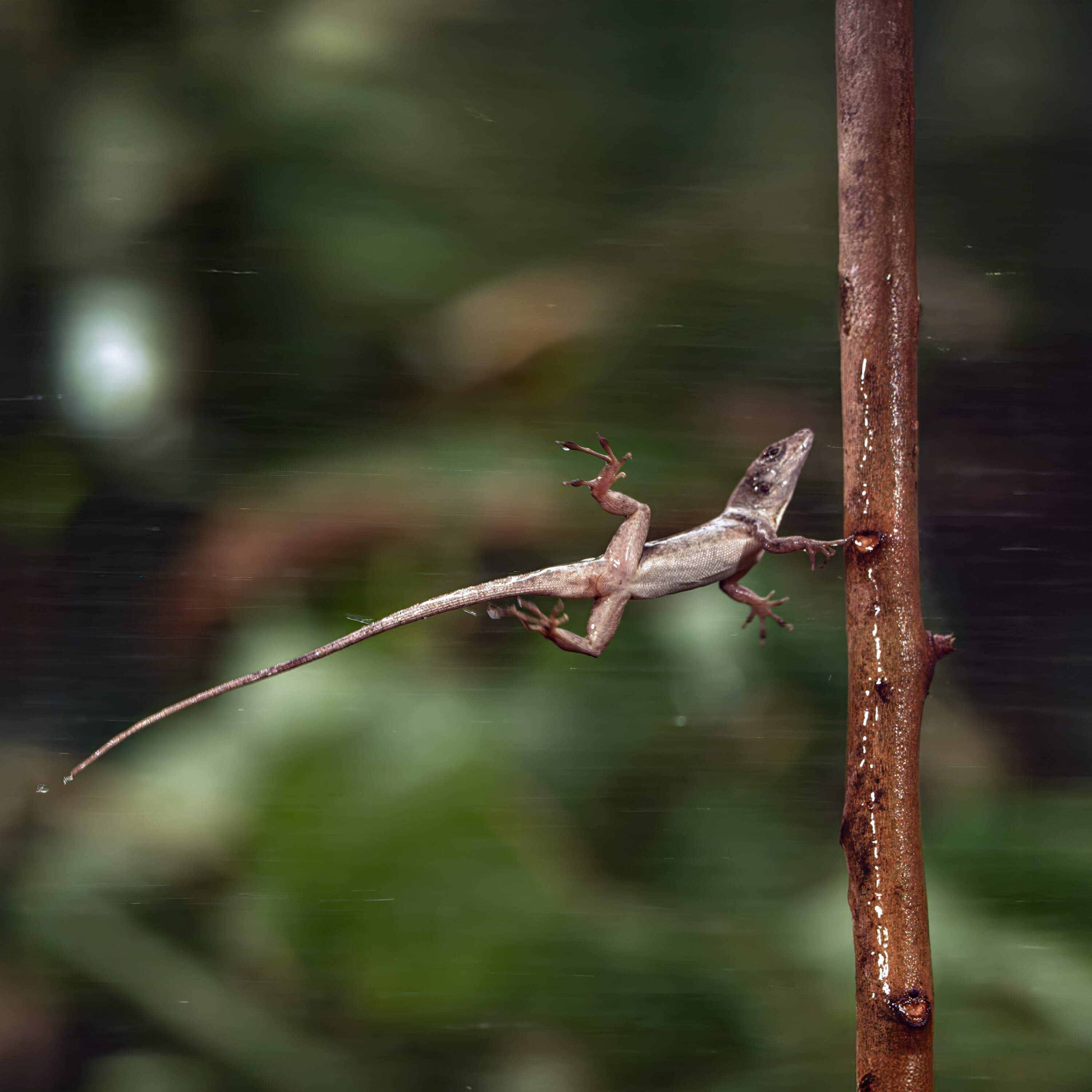
Hurricane season is upon us and it turns out that these powerful storms can quickly affect the biology of animals. After hurricanes Irma and Maria hit the islands that make up Turks and Caicos about a decade ago, the silver key anole adapted. They now have a shorter fourth toe on their hind legs! That could help them cling to objects better. But how do you know unless you put lizards in front of a fan and record how long they can hold on? This study is out now in the journal Current Biology . Interested in more science in the news? Email us your question at shortwave@npr.org . Support public…
Short Wave
by NPR · English · Tech & Science
New discoveries, everyday mysteries, and the science behind the headlines — in just under 15 minutes. It's science for everyone, using a lot of creativity and a little humor. Join hosts Emily Kwong and Regina Barber for science on a different wavelength. Support public media by joining NPR+ at…
More from Short Wave
-

14 Sep 2026 · 14 min
Should race affect BMI guidelines? Doctors are split
BMI is a quick, cheap way for doctors to estimate body fat and screen for conditions like heart disease and diabetes. But medicine has long known that BMI is problematic and unnuanced. By using it, groups of people have fallen through the cracks and conditions have been caught late. So, some doctors want to add nuance – to consider race when using BMI. But using race in medicine comes with its own problems. So what’s the way forward? To find out, we talk to Katie Wu, a science writer at The Atlantic. Read more of Katie’s reporting on BMI and race . Interested in more science health stories?…
-

E1550 · 11 Sep 2026 · 13 min
How scientists discovered that animals are doctors, too
When people are sick, we seek out medications and treatments to help heal. For a long time, scientists thought that was a uniquely human ability. But it turns out, many other animals do a version of it too! And since the late 1980s, western researchers have been trying to get a peek behind the curtain. And aside from just cataloguing all the cool examples just to know, there’s a real hope that studying animals’ medical cabinets may be the most promising way to expand our own. We get into the weeds with freelance science journalist Mandy Nguyen . Interested in more animal stories? Email us…
-
9 Sep 2026 · 14 min
Lindsay Clancy and postpartum psychosis
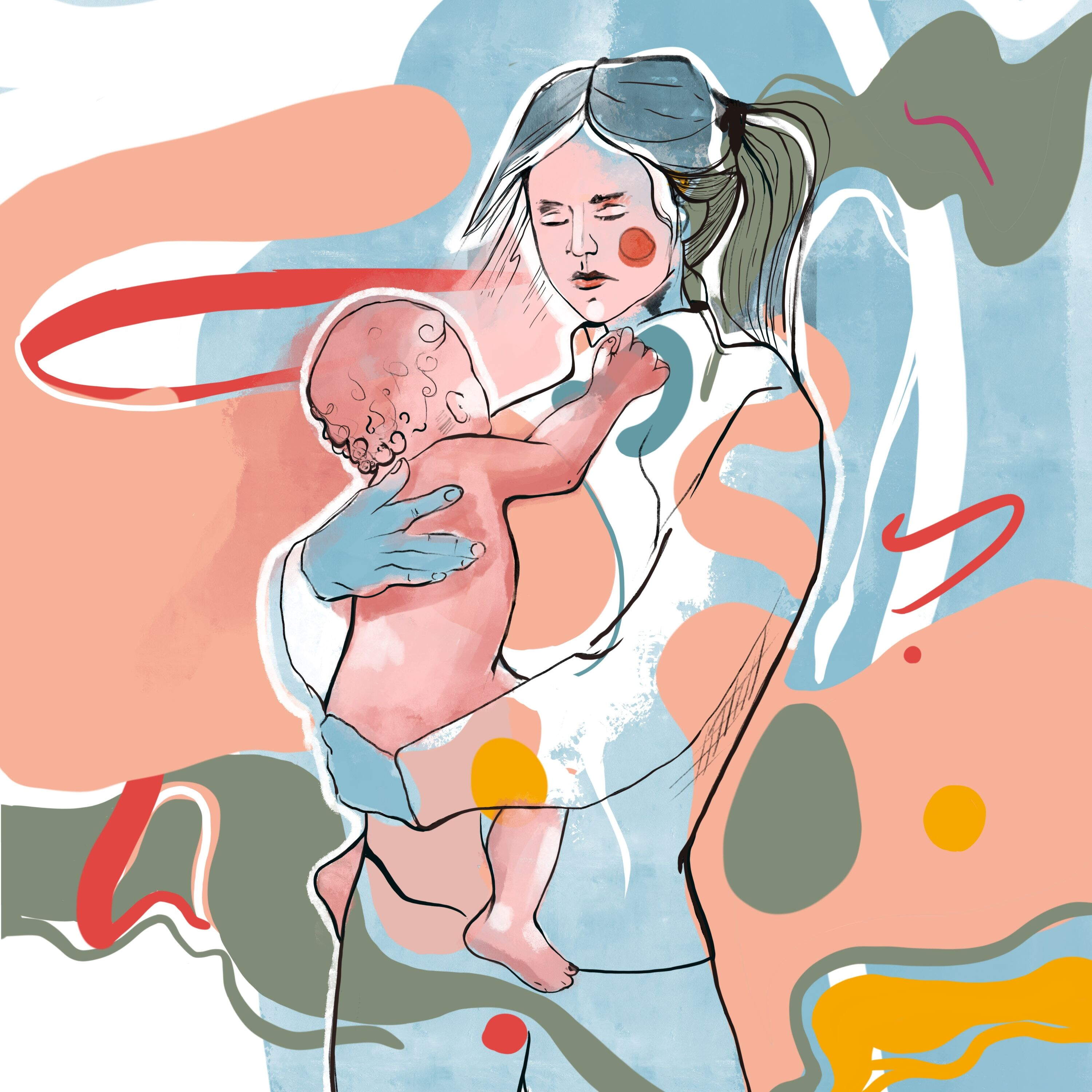
The trial around Lindsay Clancy may be over for now, but it still leaves us with questions. On today’s episode, we talk to psychiatrists and patients to answer them: What is postpartum psychosis, exactly? Why don’t we know more about it? And what can you do if you are worried about a postpartum loved one? Interested in more stories on mental health? Email us your question at shortwave@npr.org . Support public media with NPR+ and enjoy perks for over 25 podcasts like this one. This show’s perks include sponsor-free listening. Learn more at plus.npr.org . See pcm.adswizz.com for information…
-

7 Sep 2026 · 14 min
When is your brain actually 'adult'?
Summer is winding down and school is back. And all of that has us thinking about this idea that something happens in the human brain when we turn 25. Suddenly, we can rent a car without fees. Make rational decisions. We may even regret some of our past… indiscretions. All because we’re developed…right? Well, a paper in the journal Nature suggests that may not be the case. Neuroscientists found four distinct turning points in brain development across the human lifespan – and that the brain may be in its “adolescent” phase until about the age of 32. (Encore episode) Interested in more of the…
-
4 Sep 2026 · 15 min
A new investigation shows heat is even deadlier than we thought
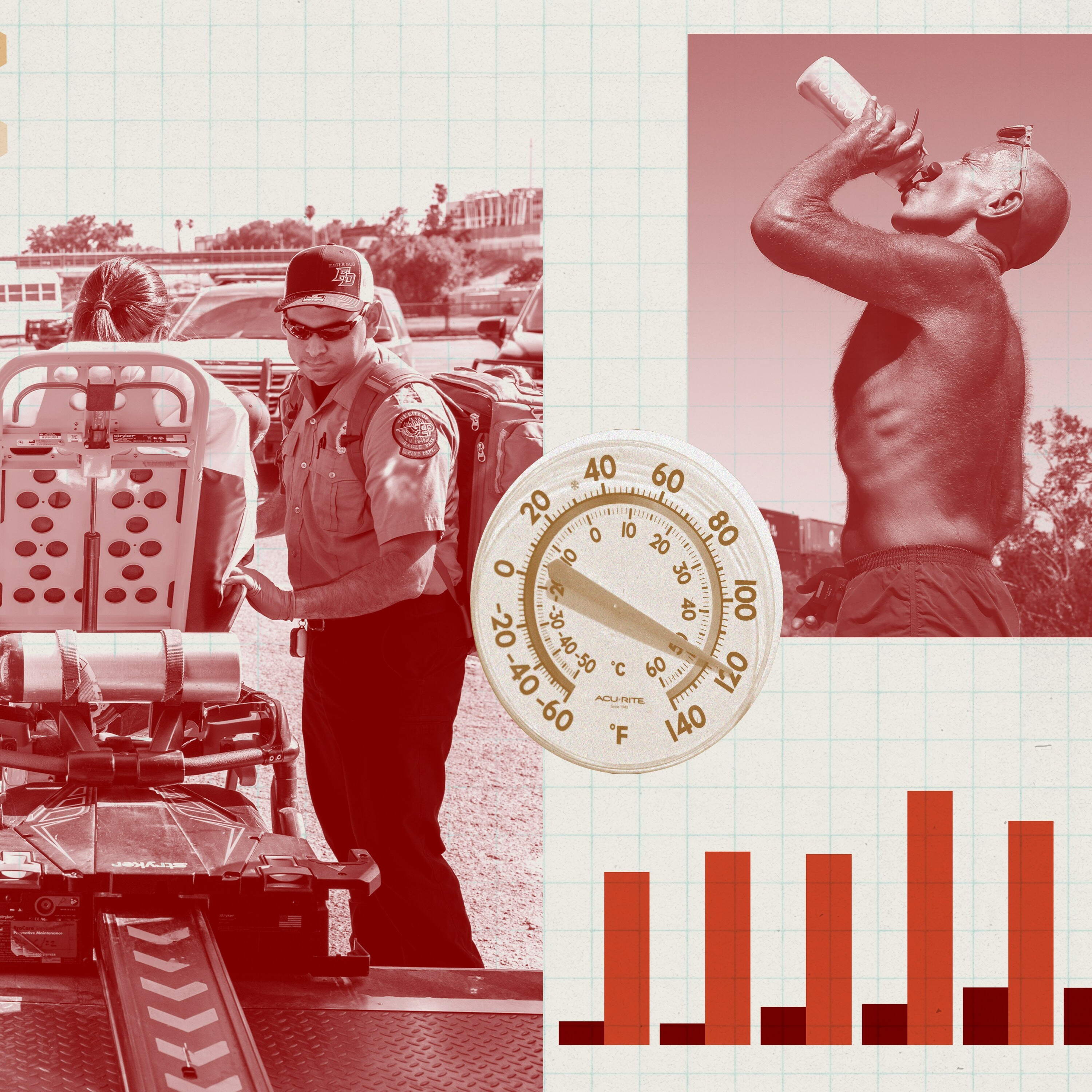
Hot weather isn’t just an inconvenience. It’s killing thousands more Americans than show up in official records. That’s the finding from a new NPR investigation, in partnership with Boston University. And the way they came up with that new, better estimate of the true toll of heat is, of course, with science . This episode, we’ll bring you all the details – and chat about why getting good estimates could save lives. Interested in more science-based investigations? Email us your question at shortwave@npr.org . Support public media with NPR+ and enjoy perks for over 25 podcasts like this one.…
-
2 Sep 2026 · 12 min
The science of emotional regulation — and how to do it better
Do you ever feel like your emotions control you instead of you controlling them? Maybe you lash out at someone after a long day at work or indulge to avoid a stressful situation. It’s called emotional dysregulation and don’t worry – we all experience it at some point. Luckily, there’s a better way of dealing with our feelings: building emotional intelligence. That may seem daunting, but Short Wave is here to guide you through everything from understanding the importance of emotions to how we can repair our relationship to them. Interested in learning more about your brain and your feelings?…
-

E1565 · 7 Oct 2026 · 15 minNew
What's missing from the lethal injection conversation
You might have seen the news that Christa Pike, a convicted murderer in Tennessee, did not die from the injections given to her as part of her death penalty sentence last week. After her failed execution, she was hospitalized, where she continues to receive critical medical care, according to her attorneys. Her survival is singular, but her mishandled execution is not. A review of executions carried out between 1890 and 2010 indicated that three out of every hundred executions were botched – and that lethal injection executions, which began in 1982, have a more frequent incidence of…
-

6 Oct 2026 · 13 minNew
Science-backed guidance for healthy screen time
We’re all aware – and wary – of doomscrolling. Lots of screen time can be bad for us. But what if that’s not always the case? We spoke with the author of a study that found a positive relationship between screen time and brain development in young people. This episode, we sort through what to actually worry about when it comes to screen time – and what guidelines already exist that can empower you and the kids in your life. Interested in learning more about how screen time affects your brain? Email us your question at shortwave@npr.org . Support public media with NPR+ and enjoy perks for…
-

E1563 · 5 Oct 2026 · 14 minNew
The genetic secret helping bats survive a deadly epidemic
We’re easing you into Halloween season with an episode about bats . There’s a silent serial killer decimating little brown bats as they hibernate. White nose syndrome has driven populations across the U.S. to almost the brink of extinction over the last decade. But recently, conservation biologist Giorgia Auteri and her team noticed several genetic mutations in the survivors. These mutations could explain how natural selection has shifted the existing population – and inform conservation efforts in the future. Interested in more animal science? Email us your question at shortwave@npr.org .…
-

2 Oct 2026 · 10 min
Eating alone may be secretly spiking your blood sugar
Being more social has a ton of benefits: lower stress, decreased inflammation – even living a longer life! Recently, some scientists have added lowering your blood sugar to the list. To figure it out, researchers had people break bread both in duos and alone. And they think the results could tell us something about the roots of our social nature. Consider it another reason to prioritize our social lives. Interested in more science in the news? Email us your question at shortwave@npr.org . Support public media with NPR+ and enjoy perks for over 25 podcasts like this one. This show’s perks…

Take it with you
The Melo app keeps playing with the screen off, works in the car and on your watch, wakes you to your station, and browses the whole catalogue offline. Free, no ads, no account.