

Episode notes
The NFL season begins this week, but America’s favorite sport has been on our minds for other reasons recently. New research released in the journal BMJ reveals that 1 in 4 former NFL players in this sample had CTE, a neurodegenerative brain disease caused by repetitive head injuries. Past studies already showed that football players are at high risk for CTE, but this study – which assessed ex-NFL players who died from 2016 to 2021 – revealed that at least a quarter of those former players died with CTE, and the study’s lead author says the actual numbers are likely higher. What does that…
Short Wave
by NPR · English · Tech & Science
New discoveries, everyday mysteries, and the science behind the headlines — in just under 15 minutes. It's science for everyone, using a lot of creativity and a little humor. Join hosts Emily Kwong and Regina Barber for science on a different wavelength. Support public media by joining NPR+ at…
More from Short Wave
-
4 Sep 2026 · 15 min
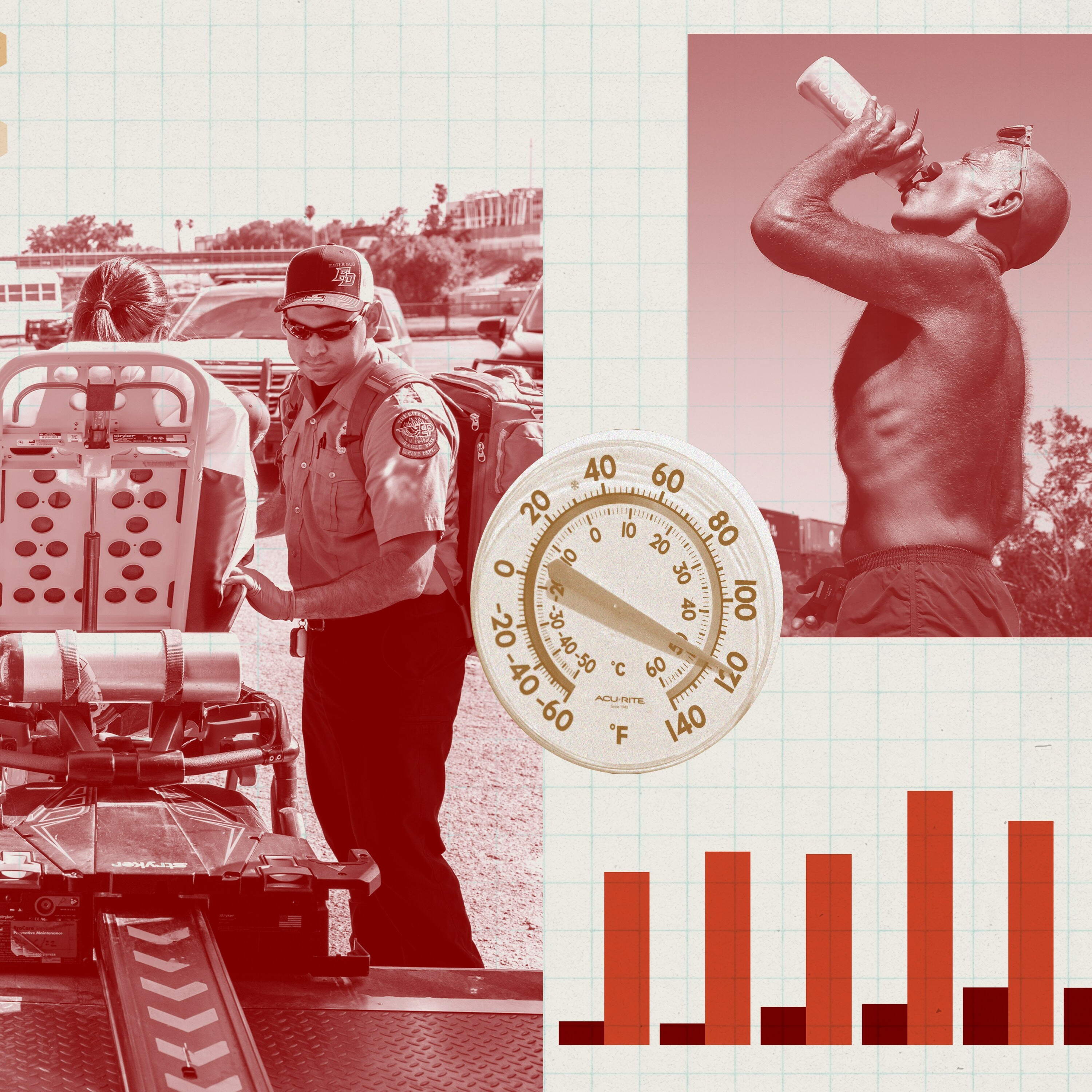
A new investigation shows heat is even deadlier than we thought
Hot weather isn’t just an inconvenience. It’s killing thousands more Americans than show up in official records. That’s the finding from a new NPR investigation, in partnership with Boston University. And the way they came up with that new, better estimate of the true toll of heat is, of course, with science . This episode, we’ll bring you all the details – and chat about why getting good estimates could save lives. Interested in more science-based investigations? Email us your question at shortwave@npr.org . Support public media with NPR+ and enjoy perks for over 25 podcasts like this one.…
-

2 Sep 2026 · 12 min
The science of emotional regulation — and how to do it better
Do you ever feel like your emotions control you instead of you controlling them? Maybe you lash out at someone after a long day at work or indulge to avoid a stressful situation. It’s called emotional dysregulation and don’t worry – we all experience it at some point. Luckily, there’s a better way of dealing with our feelings: building emotional intelligence. That may seem daunting, but Short Wave is here to guide you through everything from understanding the importance of emotions to how we can repair our relationship to them. Interested in learning more about your brain and your feelings?…
-

1 Sep 2026 · 13 min
What can seashells teach us about the health of our oceans?
Seashells: They're beautiful remnants to carry home from the beach—and so much more! According to environmental journalist Cynthia Barnett , seashells record history more accurately than the humans who first wrote it down. In this episode, we talk about the science of seashells, their impact on humankind and the scientist behind a very famous tongue twister. Check out Cynthia’s book The Sound of the Sea and check out Emily’s reporting on sandcastles . Interested in more marine biology stories? Email us your question at shortwave@npr.org . Support public media with NPR+ and enjoy perks for…
-

28 Aug 2026 · 14 min
NASA's newest telescope has a top secret past
The new Nancy Grace Roman space telescope is slated to launch this weekend . It was originally built for the National Reconnaissance Office as a spy satellite, but was never launched. Instead, NRO gave it to NASA about 15 years ago. After some major modifications, it’s set to begin its five-year mission peering at new supernovas, distant galaxies and planets orbiting stars outside our solar system. It should help scientists get a better understanding of the mysterious force known as dark energy – which will tell us about the fate of the universe. If you liked this episode, check out Regina’s…
-
26 Aug 2026 · 12 min
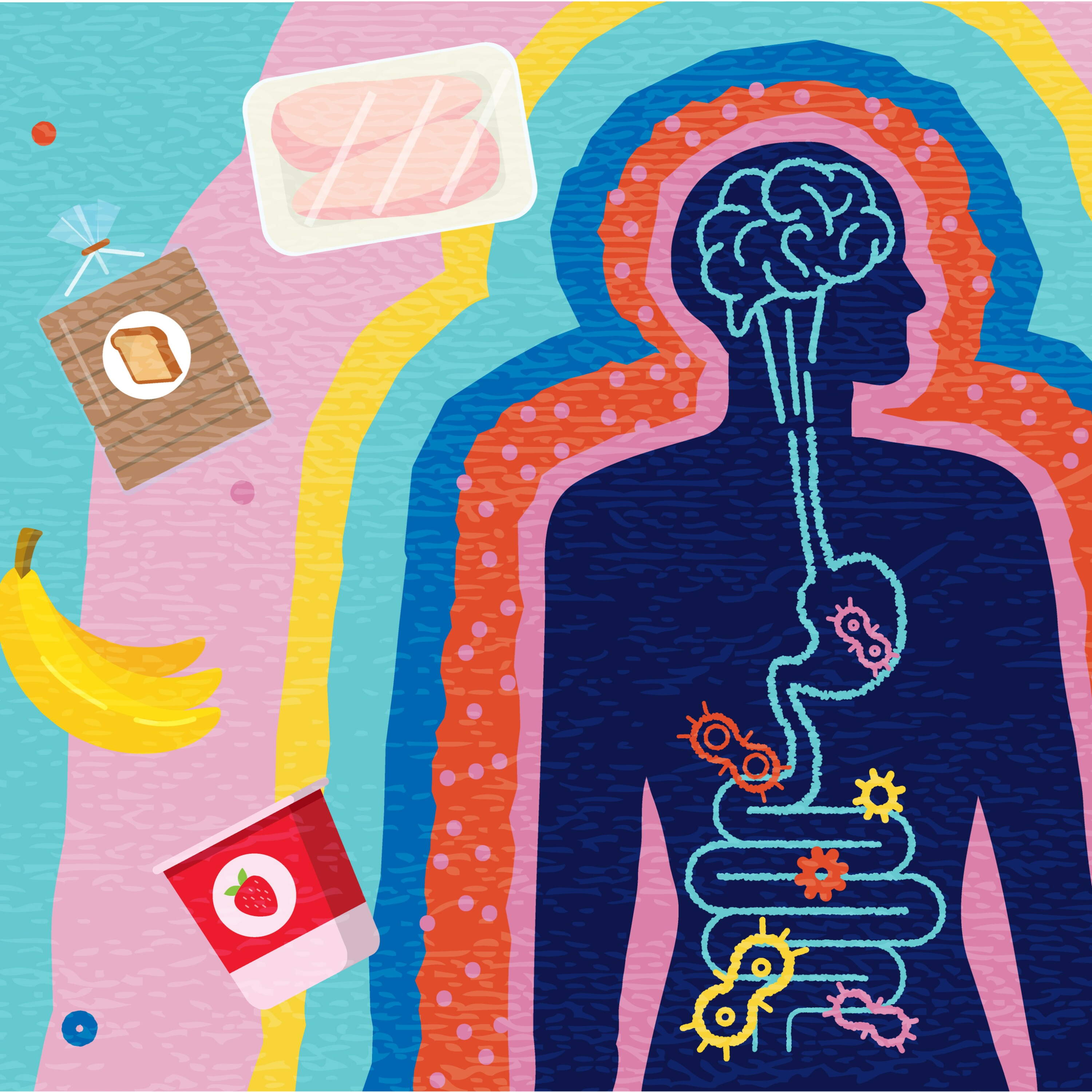
How your metabolism could alter your mental health
In 2009, medical student Shebani Sethi watched a patient in a weight loss program make a remarkable recovery. The dietary intervention she underwent alleviated her schizophrenia symptoms, something the woman had tried – and failed – to treat with medication for years. That experience sent Shebani down a medical path that would lead her to treating mental health in a radically different way. Today host Emily Kwong talks to Shebani about the emerging field of metabolic psychiatry and how ketogenic metabolic therapy may treat schizophrenia, bipolar disorder and depression. Read Shebani’s…
-
25 Aug 2026 · 12 min
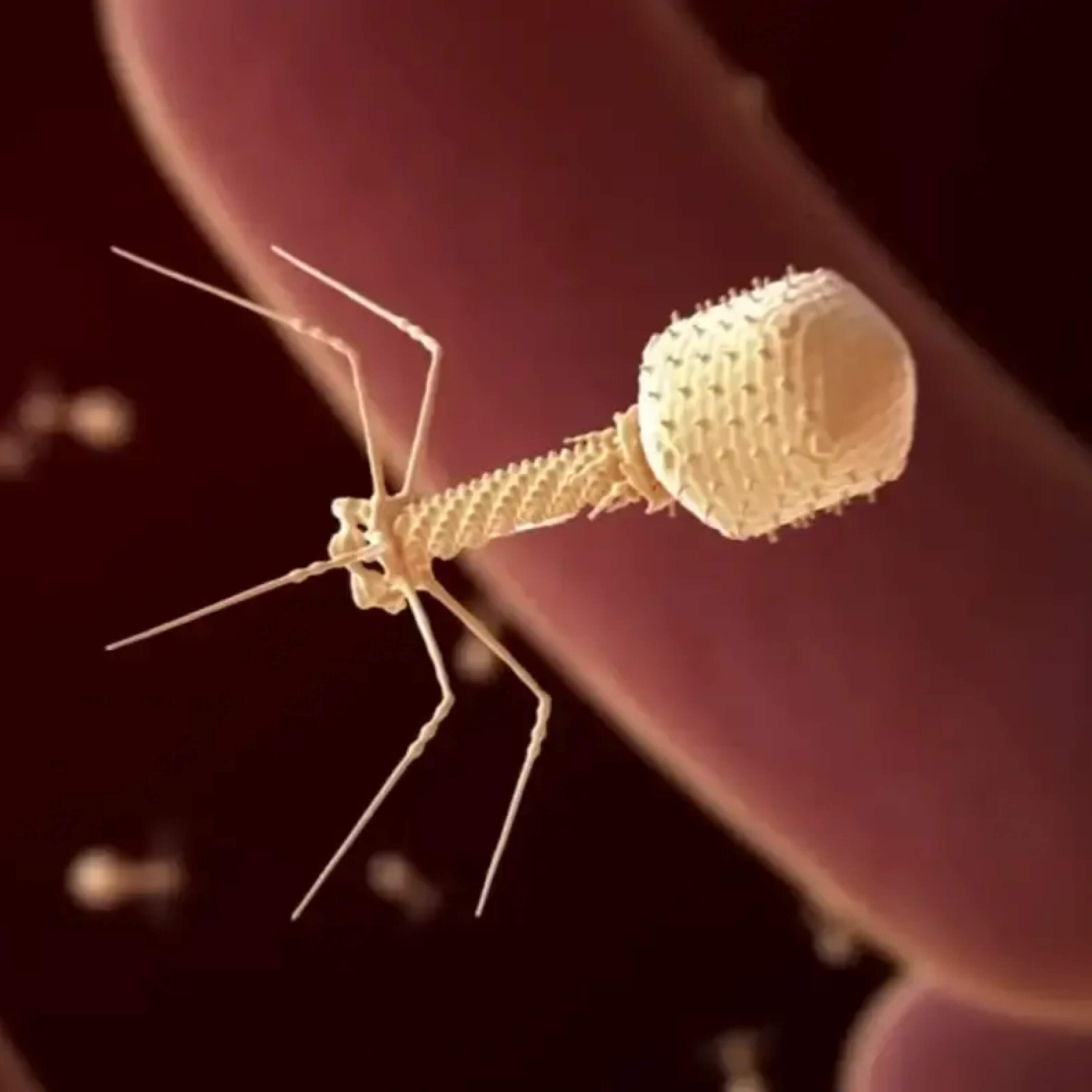
AI-made viruses could be the future of medicine
The era of AI-generated viruses is here. Some scientists are using AI to design viruses that can attack bacteria. The hope is that these tailor-made viruses can fight drug-resistant bacterial infections in people. And longer-term, Brian Hie, the Stanford researcher spearheading this project, hopes that AI can help create more complicated biological systems to treat formidable diseases. But some experts warn that placed in the wrong hands, this technology could create the next pandemic. Interested in more AI-related research? Email us your question at shortwave@npr.org . Support public media…
-

9 Oct 2026 · 12 minNew
One of the toughest parts of ADHD is left out of the diagnosis
ADHD diagnoses are on the rise in the United States, but what if professionals are missing a key part of the disorder? In the 1970s, some clinicians recognized a lot of their ADHD patients had trouble with emotional regulation. But because it was easier to measure behavior rather than emotions, the criteria eventually fell off the radar. Today in the U.S., emotional dysregulation is not a part of the ADHD diagnostic criteria in the Diagnostic and Statistical Manual of Mental Disorders (DSM). Dr. Sasha Hamdani thinks that needs to change. In today’s episode, she talks about her book Too…
-

E1565 · 7 Oct 2026 · 15 min
What's missing from the lethal injection conversation
You might have seen the news that Christa Pike, a convicted murderer in Tennessee, did not die from the injections given to her as part of her death penalty sentence last week. After her failed execution, she was hospitalized, where she continues to receive critical medical care, according to her attorneys. Her survival is singular, but her mishandled execution is not. A review of executions carried out between 1890 and 2010 indicated that three out of every hundred executions were botched – and that lethal injection executions, which began in 1982, have a more frequent incidence of…
-

6 Oct 2026 · 13 min
Science-backed guidance for healthy screen time
We’re all aware – and wary – of doomscrolling. Lots of screen time can be bad for us. But what if that’s not always the case? We spoke with the author of a study that found a positive relationship between screen time and brain development in young people. This episode, we sort through what to actually worry about when it comes to screen time – and what guidelines already exist that can empower you and the kids in your life. Interested in learning more about how screen time affects your brain? Email us your question at shortwave@npr.org . Support public media with NPR+ and enjoy perks for…
-

E1563 · 5 Oct 2026 · 14 min
The genetic secret helping bats survive a deadly epidemic
We’re easing you into Halloween season with an episode about bats . There’s a silent serial killer decimating little brown bats as they hibernate. White nose syndrome has driven populations across the U.S. to almost the brink of extinction over the last decade. But recently, conservation biologist Giorgia Auteri and her team noticed several genetic mutations in the survivors. These mutations could explain how natural selection has shifted the existing population – and inform conservation efforts in the future. Interested in more animal science? Email us your question at shortwave@npr.org .…

Take it with you
The Melo app keeps playing with the screen off, works in the car and on your watch, wakes you to your station, and browses the whole catalogue offline. Free, no ads, no account.