
Episode notes
Last week, countries including the UK, Canada and France announced plans to restrict trade with Israeli settlements in the West Bank. In the past, Australia has joined its overseas allies in actions on Israel. This time it’s different – with Foreign Affairs Minister, Penny Wong, saying Australia isn’t considering joining the ban. So – why not? Today, Commissioner on the UN’s Commission of Inquiry into the Occupied Palestinian Territories and Israel, Chris Sidoti, on Australia’s responsibilities, and its failures. If you enjoy 7am , the best way you can…
Transcript
Read the transcript · about 2,650 words, follows along as you listen
Speaker 1:I'm Ruby Jones, and you're listening to 7am. Last week, countries including the UK, Canada and France announced plans to restrict trade with Israeli settlements in the West Bank. In the past, Australia has joined its overseas allies in actions on Israel. This time, it's different, with Foreign Affairs Minister Penny Wong saying Australia isn't considering joining the ban.
Speaker 2:So why not?
Speaker 1:Today, Commissioner on the UN's Commission of Inquiry into the Occupied Palestinian Territories and Israel, Chris Sidoti, on Australia's responsibilities and its failures. It's Thursday, September 17.
Speaker 3:The British government agrees that there is ethnic cleansing of Palestinians in areas of the West Bank. perpetrated by settler terrorists.
Speaker 1:So Chris, Britain, France, Canada, they've all announced new restrictions on Israeli settlements in the West Bank.
Speaker 3:Today I announced that the official view of the British government is that the occupation is unlawful.
Speaker 1:Tell me to begin with what it is that they've actually agreed to do and the significance of this.
Speaker 4:The most significant thing they've agreed to do is to put a sanction on or prohibit trade with the settlements themselves.
Speaker 3:I do not believe the British people want us supporting the occupation by accepting products from settlements in our shops and supermarkets. So I can announce today that we will introduce an import ban on goods from illegal settlements in the occupied territories.
Speaker 4:That's a very important step. The International Court of Justice said more than two years ago that all states have obligations under international law to end all aid or assistance to the expansion or maintenance of Israeli settlements.
Speaker 5:The court affirms, as it did in its whole advisory opinion, that the Israeli settlements in the West Bank and East Jerusalem and the regime associated with them have been established and are being maintained in violation of international law.
Speaker 4:And so this is a belated response to that. There are additional measures that they're taking as well, including sanctioning more individuals. But the most significant thing is the prohibition on trade with the settlements.
Speaker 1:Okay, so you say that this is a belated response, but what has triggered it?
Speaker 2:Why now?
Speaker 1:What's happened in the West Bank that's pushed these governments to this point?
Speaker 4:I think that the triggering events have been the escalation of settler violence over the last eight months.
Speaker 6:Footage filmed from the family compound shows young settlers beating on the gate with clubs.
Speaker 4:It's been getting worse progressively since September 2023, so over the last three years. But particularly this year, it's become extremely serious. Settlers are working hand in glove with the Israeli military.
Speaker 6:Soldiers stroll up and gently move them away. From inside, a woman screams at the settlers to leave as they smash the gate.
Speaker 4:The military either stands back and lets the settlers loose on Palestinian villagers and villagers, men, women and children. Or alternatively, the military actually intervenes on the side of the settlers.
Speaker 6:The soldiers standing beside them make no attempt to question, detain or even confiscate their clubs.
Speaker 4:There have been many incidents where settlers have been attacking villagers. The villagers have called for assistance. And when the military has come, instead of protecting the villages from the settlers, they've attacked the villages.
Speaker 6:As Israeli forces fire live rounds and stun grenades and launch tear gas canisters into the fields, setting them ablaze. From the roof, we watch a dozen settler vehicles drive freely out of the village.
Speaker 4:So this close relationship between the settlers and the military and the increase in killings by both has been the event that has provoked these 12 states into finally taking action.
Speaker 1:And Australia is not one of these 12 states. Tell me a bit about the Australian government's response.
Speaker 4:I have no way of understanding the Australian government's response. They flip-flop all over the place. The foreign minister has been saying repeatedly in recent years, we act in conjunction with our international partners. And that was the excuse given for Australia's delay in recognising the state of Palestine. When it finally did so, a little over a year ago, it did so in conjunction with its international partners, the very states that are now imposing these sanctions on the settlements.
Speaker 2:We are working with the international community towards the UN meeting in September in relation to a pathway to two states.
Speaker 4:And yet this time the Foreign Minister has said that we will not be acting in concert with our international partners.
Speaker 2:Today I can announce Australia is pursuing further targeted measures in coordination with international partners to deter illegal settlements and settler violence. Australia is not at this time pursuing a blanket-style import ban.
Speaker 4:Now she hasn't explained why this change of policy has occurred, why it's seen as desirable now or even necessary now. And similarly, the reason that she gave for Australia's position is that we are worried about unintended consequences.
Speaker 2:We have concerns about the implementation of a blanket ban and unintended consequences for Australian businesses, for Palestinians and for Israelis.
Speaker 4:But again, no explanation. For years, the government has been saying that it would take no action in relation to trade with settlements because there was so little Australian trade with the settlements. And now the minister is concerned about the impact on Australian business. You can't have it both ways. You can't say there's virtually no trade on the one hand, and yet we're worried about the impact on Australian business. And what is the impact on Palestinians and Israelis that the minister is so worried about? My concern is that we are getting no explanations for Australian government policy, particularly changes in policy, when our international partners, the traditional partners, are acting and we're refusing to do so.
Speaker 1:And Australia has said that targeted measures are a better way to approach this. We have already sanctioned individual settlers, organisations and Israeli ministers. So what have those sanctions achieved?
Speaker 4:Individual sanctions are important. I don't minimise their significance at all. We've sanctioned two Israeli ministers, only two, but at least we have sanctioned two. We've sanctioned a number of individual settlers and who are identified as the most extreme of the settlers. We've also imposed sanctions on a couple of settlement organisations, but not many. Now, I see that as important, but it's not the whole story, nor is it even the most effective story. There is a need to sanction the system and not just isolated individuals. We need to strike at the very basis upon which the settlements are maintained and and expanded. This is what the International Court of Justice said we have an obligation to do. Certainly the settlement project itself has the strong, vocal, explicit support with financial backing from the state of Israel. There is no doubt about that.
Speaker 7:We will continue to build a fulfilling Jewish reality. This reality definitively buries the idea of a Palestinian state simply because there is nothing to recognise and no one to recognise.
Speaker 4:And so sanctioning at an institutional or systemic level is critical to having an impact on the state of Israel and its policy.
Speaker 1:Still to come is politics behind Australia's softer stance. As you mentioned, until a few months ago, Australia was acting alongside Britain and France and Canada in these coordinated sanctions against violent settlers and settlement-linked entities. So what do you see that's changed here?
Speaker 4:Not just coordinating sanctions against individuals, but we acted jointly with the United Kingdom, France, Canada and many other states to On a number of occasions, in relation to the recognition of the state of Palestine, in relation to voting patterns in the United Nations, General Assembly, in the Human Rights Council and other UN forums, in joint statements that have been made repeatedly over the last three years in particular. So what's changed is that we are no longer doing that and we haven't explained why. And that's a very significant change in policy from the Australian government.
Speaker 2:Hmm.
Speaker 1:How much of Australia's reluctance here do you think is being driven by domestic politics? Obviously, since the Bondi attack, Labor has been under enormous pressure of anti-Semitism. We've just been through months of the Royal Commission. Do you think that's made the government more resistant to taking any stronger action?
Speaker 4:Certainly, many commentators, political commentators who are far better informed than I am about the thinking in the Australian government, have expressed the view that that's the case. Many Australian academic experts and non-government organisations have said the same thing. All I can say is that I simply do not know because the government has not explicitly itself. I can't say what's motivating this. Perhaps it's domestic politics, but that's not what the minister is saying or what the prime minister is saying, and it's impossible to know what they're thinking and why.
Speaker 1:How concerned are you by that lack of transparency?
Speaker 4:As an Australian, I'm very concerned. There needs to be transparency from government. We have an elected government. They are accountable to the Australian people. And we can't hold them to account unless we know what's going on. So I'm very concerned as an Australian citizen. As a commissioner on a UN commission of inquiry, I look for accountability and transparency from all states in relation to the situation in Palestine and Israel. And we criticise states that are not transparent.
Speaker 4:I have to criticise the Australian government on that basis as well.
Speaker 1:And there's another case where Australia has demanded action from Israel and hasn't got it. That's the case of Australian aid worker Zomi Francom, who was killed in an Israeli airstrike on a World Central kitchen convoy that was in Gaza last year. Where has that case ended up?
Speaker 4:Again, at the moment, it's in some kind of a no-man's land. The minister has said that she's criticised the Israeli government She's consulting with Zomi Francom's family.
Speaker 1:I'd just like it to be resolved as soon as possible. I don't want to be doing the rounds on her anniversary next year in the exact same position.
Speaker 4:She said that she will take further action following consultation. There's no indication at this stage as to where that consultation is up to or when any announcement of further action will be taken. So I'm looking for that and I'm looking forward to that.
Speaker 2:Today I called in Ambassador... Hillel Newman, the Israeli ambassador to Australia. And I made clear to him Australia's views, that Israel's decision falls far short of the accountability we expect.
Speaker 4:I indicated at the time that the Israeli ambassador in Australia was so cavalier in dismissing Australian concerns that he should be sent home.
Speaker 2:One must also understand that not every case where someone dies is casualty.
Speaker 5:It means that there's criminal liability.
Speaker 2:One cannot attack findings of a court if the findings are not suitable to one's political agenda.
Speaker 4:He certainly is not a fit person to be representing any state in Australia where he seeks to interfere in our domestic affairs and constantly denigrates Australian citizens. He should be sent home. But except for calling him in and having a chat to him, the minister hasn't done anything in relation to this unfit person. And she hasn't announced any other action that should be taken. It needs to be taken. It's been suggested that this case should now be the subject of an independent international investigation in conjunction with the United Kingdom and Canada and other states whose citizens were killed in that attack on the humanitarian convoy.
Speaker 4:I think that's a good idea. Certainly, given the failure of the Israeli authorities to properly investigate these killings, there is a need for an independent investigation of the kind that has been sought. But again, the minister has not made an announcement yet to that effect.
Speaker 1:So if Israel continues expanding settlements and refuses Australia's demands for accountability over Sammy Francom, what leverage do you think Australia is actually prepared to use? Do you see the Australian government being pushed into taking a stronger position?
Speaker 4:It should be pushed by domestic pressure. But the principal reason for being more active is international law. And here I think the Australian government falls far short. There are many practical steps that can be taken that will comply with our obligations under international law as set out by the International Court of Justice. We should be banning all two-way military-related trade with Israel. The government repeatedly says that there is a ban on weapons and ammunition. That's not good enough. While we continue to provide F-35 parts manufactured in Australia, provide them to the Israeli military and the F-35s have been used for the saturation bombing of Gaza, we are doing the wrong thing in law and ethically.
Speaker 4:We should be stopping all two-way trade, including the import of Israeli surveillance technology. They're very good at producing surveillance technology and they use it all the time against Palestinians. If we are purchasing that from the Israeli government or from Israeli private manufacturers, we are subsidising research, development and production of technology that can be used against Palestinians. We should be upgrading our representation to the state of Palestine.
Speaker 4:We have recognised Palestine, but we have not established an embassy. We should have an embassy in Tel Aviv and we should have an embassy to the Palestinian Authority as well. We should certainly be banning all trade in goods and services with the settlements.
Speaker 2:We should be.
Speaker 4:Stopping the practice whereby Australian taxpayers indirectly fund those settlements. There are Australian organisations registered as charities that collect money in Australia and provide them to Israeli organisations that fund those settlements. And Australian donations to those charities are tax deductible. That means, Ruby, that you and I are subsidising the money that is going to the settlements through providing tax deductibility for those donations. We should be investigating anyone who is of military age and has served in the Israeli military in Gaza over the last three years if they come to Australia. And that applies particularly to Australian citizens who are joint citizens of and return to Australia after serving with the Israeli military. They must be treated as suspects.
Speaker 4:Our commission of inquiry has found that the Israeli military has committed the crime of genocide, war crimes and crimes against humanity in Gaza. And so anybody who has served in Gaza with the Israeli military must be considered a suspect. And we should also prohibit Australians from serving with foreign military forces. We prohibit that in relation to non-state armed groups But we don't prohibit that in relation to militaries, and we should do so. So these are all very practical steps that are easily taken, that comply with Australia's international legal obligations, and for which there is no excuse whatsoever not to take.
Speaker 1:Chris, thank you so much for your time.
Speaker 2:Thanks, Ruby.
Speaker 4:It's good to talk to you.
Speaker 1:Also in the news, Greens Senator David Shoebridge says Labor has turned away from the minor party's offer of alternative solutions to Australia's migration program. Tony Burke will announce Labor's highly anticipated migration overhaul today, a month after he was forced to postpone a planned address. Shoebridge says Labor is not engaging with the Greens' offers to support targets based on universities, business and family needs and reduce temporary visa numbers by funding extra processing for people waiting on their permanent visas. And FBI Director Kash Patel has been grilled by the US Senate for nearly five hours over his controversial management of the agency, including the ousting of experienced agents.
Speaker 1:Patel suggested that the scope of the firings had been overblown, saying many agents had retired. He also refused to pledge the FBI wouldn't interfere in midterm elections. I'm Ruby Jones. This is 7am.
Speaker 6:Thanks for listening.
Speaker 5:You
Transcript supplied by the publisher with the episode.

More from 7am All episodes →
-

E2052 · 21 Sep 2026 · 14 min
A richer Australia in 2066 – but for who?
Australia in 2066 will be older, richer, and – according to the treasurer – transformed by artificial intelligence. The latest intergenerational report says, despite an aging population, our real incomes will be 55 percent higher by 2066. And Jim Chalmers says AI will get us there. But the same report says younger Australians aren’t seeing the same gains in income, wealth and home ownership as the generations before it. So what does this report really say about our future – and how much of it is political wishful thinking. Today, Vice Chancellor’s professor and…
-

E2051 · 20 Sep 2026 · 15 min
The race to put weapons in space
A whole new galactic battleground has just opened up. The United States has declared it has weapons in space, and it’s ready to use them. So, are we entering a new era where the opening moves of a war could happen hundreds of kilometres above us? Today, Senior analyst at the Australian Strategic Policy Institute, Dr Malcolm Davis on the space weapons now at the ready, and the likelihood of an orbital offensive. If you enjoy 7am , the best way you can support us is by making a contribution at 7ampodcast.com.au/support . Socials: Stay in touch with us on Instagram Guest: Senior analyst…
-
E2050 · 19 Sep 2026 · 14 min
Serco’s ugly legacy in Australia’s immigration detention system
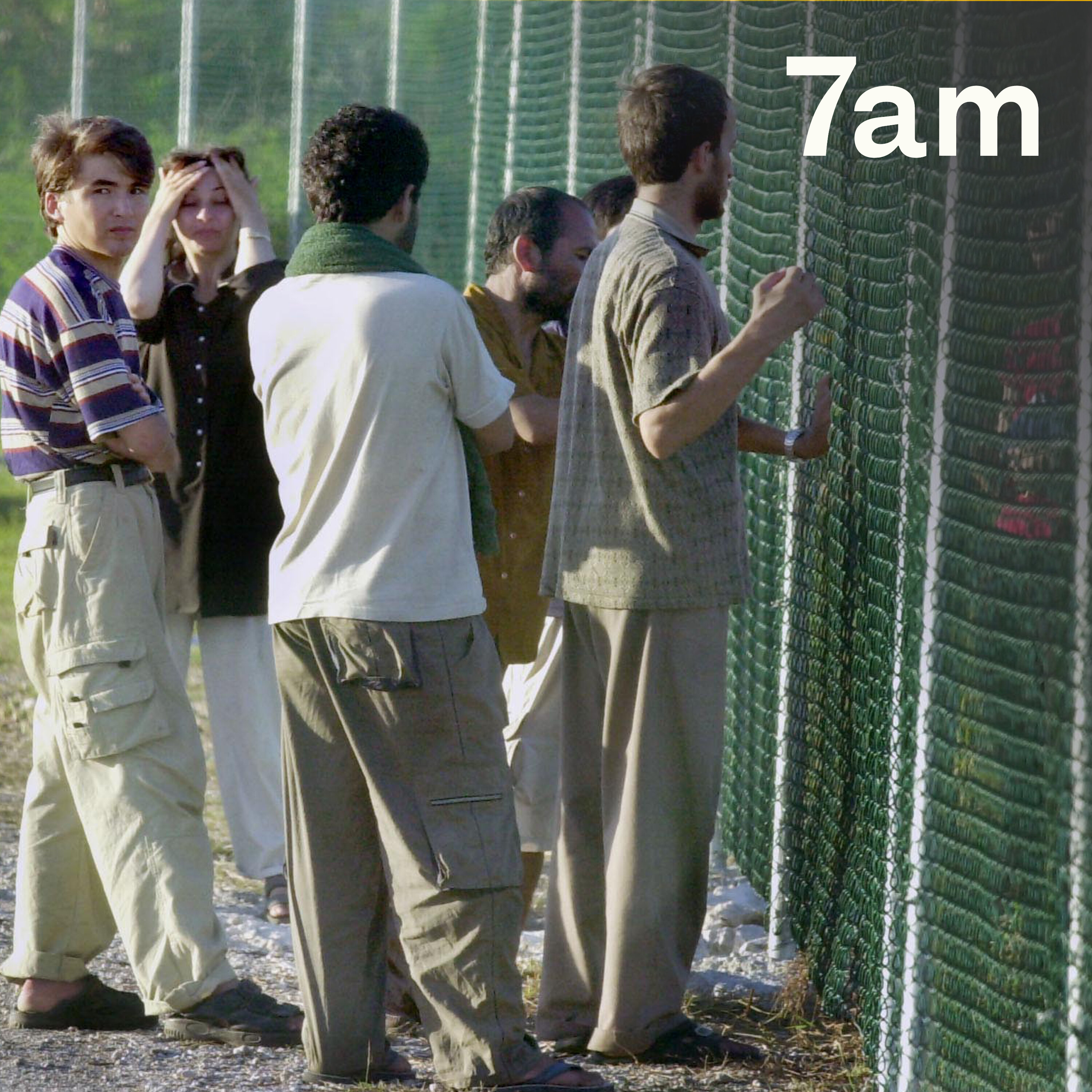
Last year, the company that ran Australia’s immigration detention network for over a decade, British conglomerate Serco, lost its contract, but not before helping build what’s been called one of the world’s ‘most extreme and secretive’ detention regimes. The question at the time was whether its replacement – American private prison operator MTC – would be any better. Eighteen months later, we have an answer. Recorded incidents across the detention network have more than doubled – from almost 800 to over 1,600 – since MTC took over. At the…
-

E2049 · 18 Sep 2026 · 17 min
Albo’s mum and “primitive” first Australians: has Pauline finally gone too far?
Migration is shaping up to be the next big battleground in federal politics as Labor desperately tries to wrestle back control of the narrative from One Nation. But does this week’s long-awaited plan leave the government stronger or weaker politically? And could going harder on Pauline Hanson hold the key to tackling One Nation? This week, the major parties gave it a try as some of Hanson’s nasty comments came back to bite her. Today, Contributing Editor at The New Daily, Amy Remeikis on immigration politics and whether some things are off limits, even for Pauline Hanson. If you…
-
E2048 · 17 Sep 2026 · 18 min
Is Labor’s migration plan tackling a real problem or a political one?
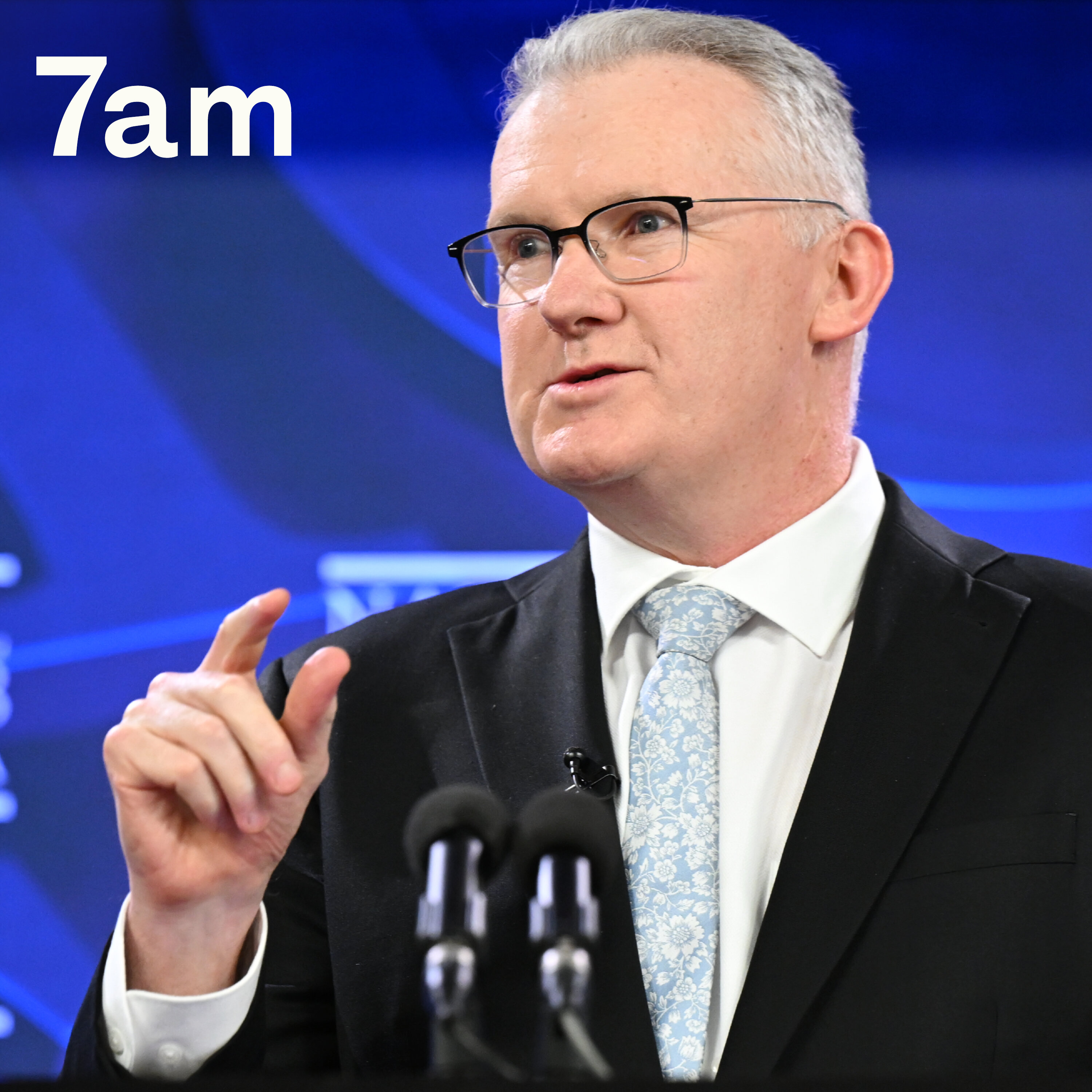
After one false start and a hell of a lot of political pressure from the right, Labor has finally unveiled its long-awaited immigration plans. Backpackers, students and visa overstayers will all be targeted by the measures – designed to bring net overseas migration down from around 300 thousand, to 225 thousand by 2028. So what impact will the overhaul have on our economy, our communities, and on Labor’s re-election prospects? Today, journalist Peter Mares – who writes extensively on immigration for Inside Story magazine – on what’s in store, and whether the…
-

E2046 · 15 Sep 2026 · 18 min
A big-tech defector’s AI warning for the world
In the last week, AI bosses around the world have suddenly grown a conscience – urging a global slowdown amid fears the race to develop artificial intelligence could outstrip humanity’s ability to control it. For Dex Hunter-Torricke, that realisation came a little sooner. The big-tech insider walked away last year, disillusioned, after spending 15 years inside the belly of the beast. He wrote speeches for Mark Zuckerberg at Facebook, worked with Elon Musk at SpaceX, and most recently helped Google DeepMind explain the rise of artificial intelligence to the world. Now, he says…
-

E2045 · 14 Sep 2026 · 18 min
Is another GFC brewing?
The numbers are almost incomprehensible – last month US debt hit 40 trillion dollars. With an interest bill of more than three billion dollars a day. And that’s before Donald Trump’s trillion dollar promise to hand every adult in America a cheque for five thousand bucks! Now, as global debt levels rise to record highs, and the cost of paying that debt rises too – experts are sounding the alarm – warning the economic storm that’s brewing is starting to look an awful lot like the 2007 global financial crisis. Today, Senior Economics Correspondent at the Age…
-

E2044 · 13 Sep 2026 · 19 min
Something is seriously wrong in the Northern Territory
One by one, the Aboriginal leaders, organisations and watchdogs the Northern Territory government is supposed to work with are walking away. The Children’s Commissioner has resigned. An Indigenous MP has left parliament after more than a decade. And now almost the entire Aboriginal side of the Territory’s Justice Policy Partnership has suspended its involvement. They’re all making a remarkably similar complaint – that the government isn’t listening, and that the structures supposedly designed to give Aboriginal people a say have become meaningless. Today,…
-
E2043 · 12 Sep 2026 · 31 min
This is Alice Springs: Children of the Intervention
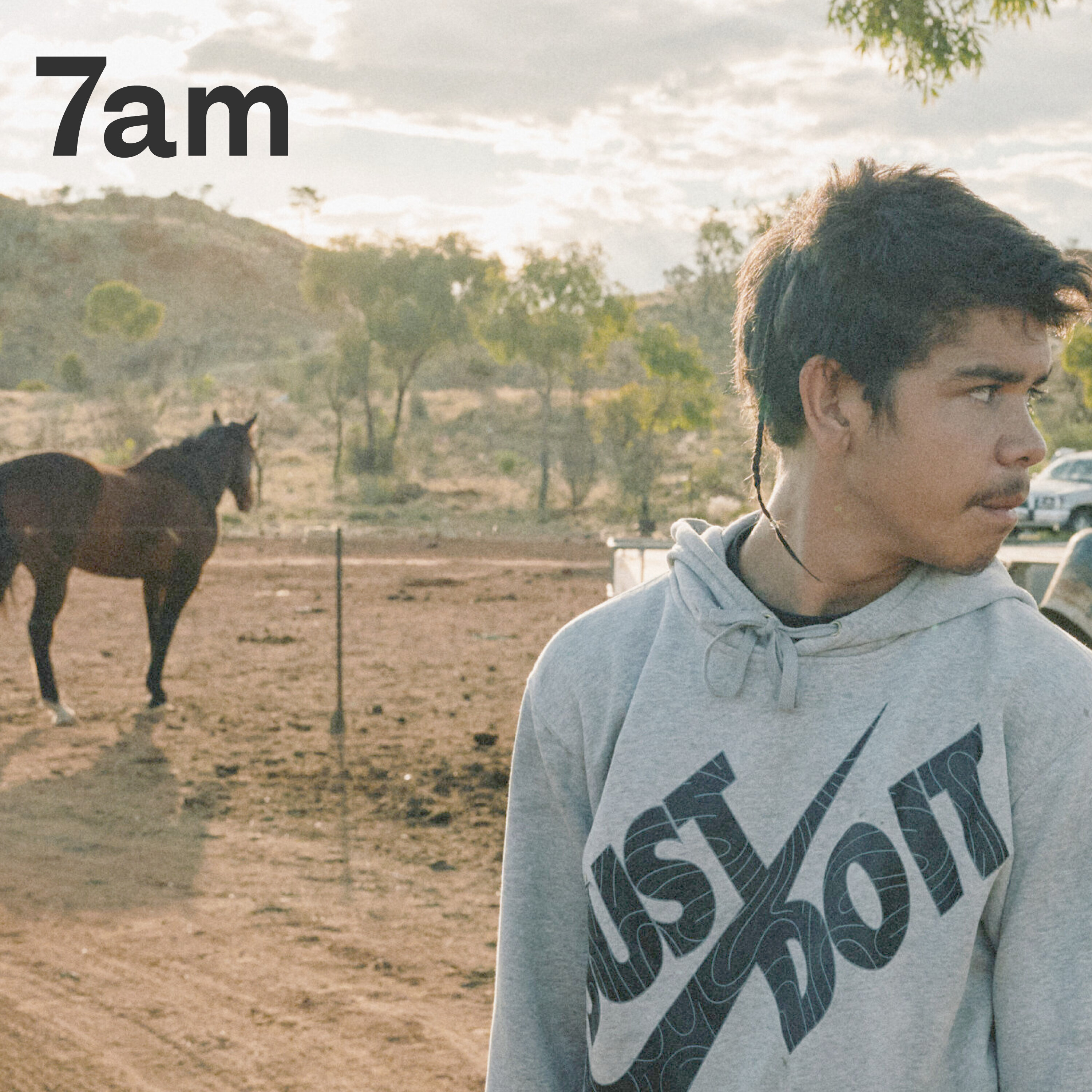
From afar, Alice Springs is a whirlpool of myth and truth. A town with competing interests and few solutions, marked by chaos and decades of government overreach. In cities and towns across Australia, we read about a “crisis” about “rampages”. One newspaper described the children of Alice Springs as “tiny menaces stuck on a turnstile of trouble”. In this first episode of our three part series This is Alice Springs , Daniel James visits the town at the heart of our nation, to find out how all the interventions, big and small, by governments of all…
-
E2042 · 11 Sep 2026 · 15 min
Did the PM dabble in pork barrelling?
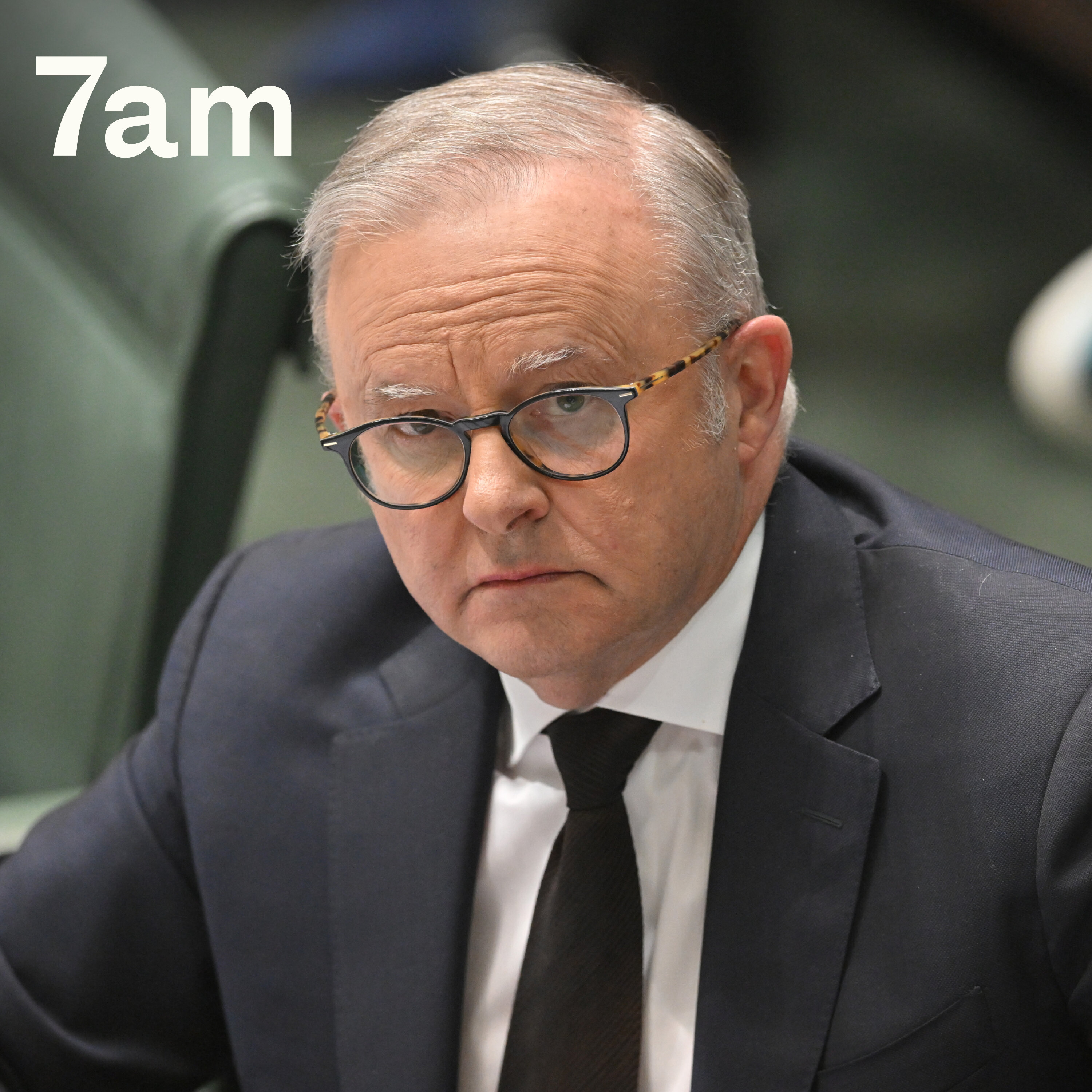
In 2020 Anthony Albanese called for the sacking of then-sports minister Bridget McKenzie over her involvement in the infamous sports rorts – which he labelled a farce. Not long after, she resigned. But now that similar pork barrelling claims have been levelled at the Prime Minister, he’s come out swinging – refusing to admit any wrong-doing over his failure to declare membership at a golf club which received a six million dollar grant. Also coming out swinging this week was Andrew Hastie. The Liberal MP delivered a masterclass in how to take on One Nation as he labelled…

Take it with you
The Melo app keeps playing with the screen off, works in the car and on your watch, wakes you to your station, and browses the whole catalogue offline. Free, no ads, no account.


