
Episode notes
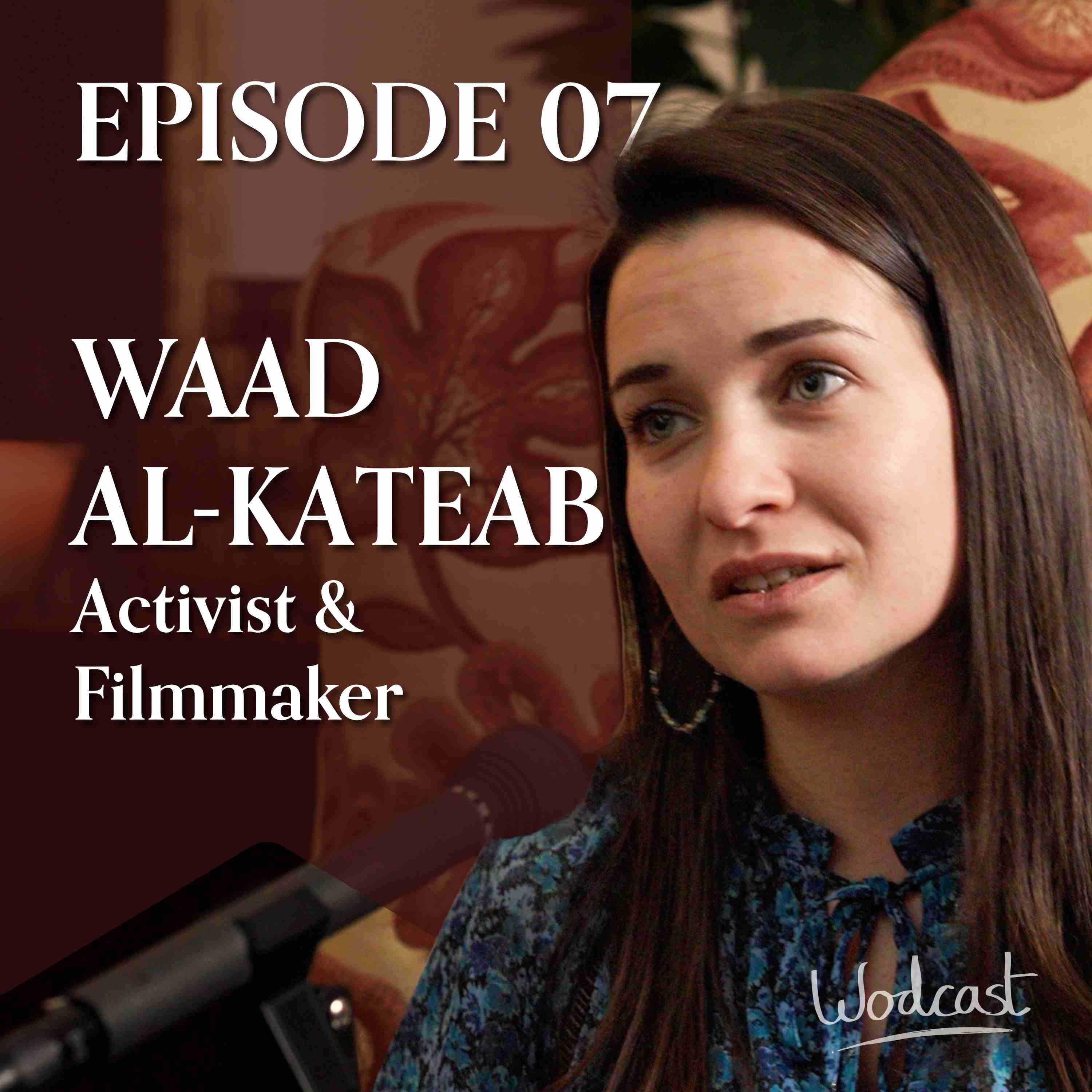
What does freedom really mean when you have spent part of life without it? Today, the Wodcast sits down with Waad Al-Kateab journalist, filmmaker and activist for a deeply personal conversation about freedom, home, family, language, community and the power of imagining a different future. Waad grew up in Syria under the Assad regime and began documenting life in Aleppo during the Syrian revolution. Her extraordinary archive became For Sama, the acclaimed documentary that brought the realities of war, motherhood, love and survival to audiences around the world. In this conversation, she…
Transcript
Read the transcript · about 9,260 words, follows along as you listen
Welcome to the WODcast. Where we explore the power and beauty of words. We're your hosts. I'm Mabel. And I'm Ben. Today, we sit down with activist and filmmaker Wad Al-Khutayab. Let's get into the interview. Wad Al-Khateyev, welcome to the WODcast, where we explore the power and beauty of words. You are a journalist, a filmmaker, an activist. You take people to places where many would shy away from with your films. You've filmed in... Aleppo and Syria during the war.
You filmed the refugee teams as they're competing for the Olympics. You've taken us to Turkey to document the aftermath of the Turkish earthquakes. And it's a pleasure to be with you today. It's a pleasure to sit with you and talk about what words mean to you. So Wad, the first question we have for you is what is your word of the day? So I... Like the first word came to my mind was family. And I was like, I probably spoke about this before. So I want to look into something I haven't.
And then it was more like, okay, relationships. And like, okay, no, actually love. Then I was like... I don't know. There was many, many things in my mind. And I was like, I wish you can put them in a ball and let me pick one. And, you know, so I'm not actually choosing. So I don't know. Yeah. That's beautiful. So it's like a chain of words. Yeah. They're all connected as well. Yes, and how are they connected to you? How did you go through that journey?
So I was thinking more about the word family, and I didn't mean it in the meaning of, like, just your immediate family, like, community, you know? When you build family in places that... You feel you need it to survive. And that was something I've been through in my life everywhere, I think. And then I felt, okay, no, let's talk about friendship and then how this friendship or relationships could be, you know, family. Then I was thinking something really, like, if you want to talk about a friend, like really good friend, you say it's like a sister or brother.
And then if you want to describe your relationship with your sister or brother as very good relationship, you say it's as a friend. You know, so it's a way of how... Yes, that's beautiful. Exactly. So I was like, okay, which one is really... And, you know, it's a mix between all of this together. Yeah. It's a beautiful word. Yeah. Yeah, I guess relationship where both is accurate, they are my friend and my sister or brother, are the ones that we strive for when we are building community to feel the support.
Yeah. It's all about people, I think, really. In all of these words, even love, even, I don't know, like home as well. You know, it's always about people. And that's what make it really like family, you know, friendship, home, community. And speaking of those words, I wonder whether the Arabic language has like more breadth or depth when it comes to those simple ideas of, for example, love. We have one word in English. And I think, Mabel, you mentioned how there are many more in Arabic.
Yeah, yeah, definitely. Yes. I think, you know, also for years because of being like... taken away from my home and I was here and this was not my free will I will call it. It was my only option to survive. It was more actually like I had a gap in my life where you know I used to like think in Arabic you know create things in my mind and ideas and all of this in Arabic and Like that's how I grow up. This is my own native language. And then you find yourself here in a place where like, actually you have to put this mask of language and think differently.
And there was really very interesting, I think, understanding of how the Arabic works and how the English works. And it's a process, it's not just, you know, translation. And so there was a lot of places where I felt, you know, like I am more comfortable to talk about, for example, the war in Syria in English more than my own language in Arabic, because I'm not used to talk about this in Arabic. It was more, you know, after I survived, I started to talk about that and reflect on that experience.
While when I was there, I've never like even, you know, in the daily life, like we don't really reflect on that because we were in the middle of what was going on. Now, I think after I am now able to go back to Syria, start to be like, I'm a bit in conflict, you know, in how to do this, you know, like, even I think the advocacy I was working on for years also was more towards like, other countries, you know, like foreigners, more people who doesn't know Syria.
And now we have a totally new like advocacy about people in Syria and to them as well. Even my films, like I've been going around the world like for many, many years trying to show other people, you know, what does it mean to be something. And now like I have the same kind of mission But to my own people, like to people who we lived through, like we lived with them or they lived through this experience or they haven't. And but they were exposed to war in different circumstances.
So it's all like, I don't know, it's very different and very confusing. And I'm still trying to, you know, reflect and understand. But yeah, it's all about actually, I think, yeah, at the end of the day, it's words. Yeah. Wow, it's beautiful, Wad. And I, in my research, understood that your name, Wad, actually means promise or pledge in Arabic. Yeah. And do you feel that that has somehow impacted a destiny of yours? Because your work seems to be this promise to translate and to communicate, not just through words, but through the visual medium of film.
Yeah, I mean, people tell me this. you know, because I'm living through this, I've never managed to take one step back or like outside of myself even, you know, to look at this and see, okay, yeah, my name actually has something within what we've done. And for years, I think, It was very clear for me when we left Syria that my name, it was like, was a promise to my own daughters that one day we will be back. And maybe it wasn't real at that time.
It was more actually trying to consolidate myself, you know, that this is one day will happen to keep that hope alive. But I did not believe that, you know, I didn't believe it will happen. And now it did. And the other thing, it was really interesting to talk about the meaning, different meaning of love, even in Arabic. My second daughter, Taima, I called her Taima because I was pregnant with Taima when I was still in Aleppo. And she was born outside of Aleppo after we were displaced.
Yeah. And for me, like the name was more about actually like the taim in Arabic means the crazy love to something you cannot really own. it's the highest level of love. It's something you cannot really like see or touch or feel. Yeah, it was the, I don't know how to explain this even in English. We don't have the words. Yeah. It's like someone who's not even alive anymore or something, it's not yours anymore. And for me, that was like my love to Aleppo.
And, you know, like the way how we were displaced out in a time where it wasn't our own decision to leave, but we had to leave. And she was the last thing I carried with me. And I was pregnant with her. And then she was born outside. And at that time, I was like, she will never, we will never be able to go back. And that's like her name was like Teyma, you know, it's this. And impossible love to something, you know, you cannot even like have. Yeah.
And it's the highest level of love in Arabic language. Like, wow. How many levels of love are there? I mean, a lot. Yeah. A lot. And I was very confused actually with the English one when like, it's only like or love. What does that even mean? You know, it's like, I used to use the word like for people, you know, like as a, it's less than love. And then I start to understand more that actually, you know, it's different. It's like you say like to things, not to people or not, you know, like it was more, yeah, a bit less valuable.
Yeah, almost a bit disappointing, right? Like if you have so many tools as in words to express how you feel and then you go from like to love and that's the whole story. Yeah. Wow. I mean, what a beautiful meaning behind your second daughter's name, the highest form of love. What's it? Thai? Teima. And your first daughter, Summer, for which you named your first movie, that was your first movie, right? For Summer. Could you speak about the naming of Sama and what that represented at that time?
Yeah. So at the beginning of the revolution in 2011, because we were going out in protest where it was very dangerous, you can't use your own name. And that's what puts you yourself into arrest, but also other people in arrest. Because if you know other people's name and you were arrested, you like under that level of like violence and torture, you might really also like... give the names of other people, which will put like a whole group of people in danger.
So we used to, there was rules to get into any kind of coordination groups is like, you shouldn't say that your name, you should just give any other name. And some of these groups were on social media, on Facebook and Skype. So on the university group, I called myself Sky in English, it was like Sky Riv from revolution. and free from freedom. So my name was like Sky River Free. And I started to be using that name all the time. So all my friends at the university who we were protesting together, they don't know my name, Waad, they know my name is Sky.
And at the time when we moved to East Aleppo, where it was out of the regime control, we started to use another names, but more real names. And it should be fake as well, because no one knew my name. I said that my name, I'm going to name myself Wad, which is promise. And people thought that this is another fake name. It was actually my real name. But I kept using and telling people, yeah, it's not my real name. And even people after the fall of Assad, they were like, is that really your name?
I was like, yeah, but I, you know, I made it as it's not. And it worked very well. What's that, a double bluff? Yeah, exactly. But it was, you know, like we used different, very many, many different names. And then when I was pregnant with Sama, it was more like me and Hamza. It was the name when we met for the first time and we fall in love. So it was more actually like we have a girl coming now. So it was like, OK, let's name her after my... revolution name.
So we used Sama, which is Sky. And at that time, also, there was like the most like dangerous or like, I think, scary feeling for us at that time in East Aleppo was the aircrafts were coming, especially in 2015. That was the time when I was pregnant with Sama. It was where Russia interfered in Syria and they start to use like Russian aircrafts. And the sound of that was just very, very, very like, even now, you know, my body can like feel it. It really cut through you.
It's very annoying, very scary. And it brings a lot of, you know, like death with that sound. And I just thought, you know, like there's a meaning of sky, whereas summer, like it's just let's keep the sky the way how we see it and how we love it and not really, you know, bring this like current situation with that. So we thought, OK, this is, you know, different meanings, but it's all bring something lovely. So we decided to call our first baby summer, which is sky.
Yeah. On that note, I actually found a poem that I'd love to read to you. Okay. Do you know the poet Rumi? No. So he's a Sufi poet and he writes... Ah, the Rumi, yes, of course. Yes, Rumi, I was going to say. You're calling it an English thing. I was like, no. Yeah, Rumi, of course. And I found this excerpt from this poem and I thought... I'm just curious to know what you think about it. The way of love is not a subtle argument. The door there is devastation.
Birds make great sky circles of their freedom. How do they learn it? They fall, and falling, they are given wings. It's really nice, yeah. It reminds me a lot of what you shared about the open skies with birds in them, not bombs, which is, you know, freedom. And in Forsama, one of your colleagues has freedom written on their face in the hospital. And this word, obviously, as far as I can tell, means a lot to you, Wad. And so what does freedom mean to you?
I mean, like, it's a word, I think... I've tasted many times, but like at the beginning, when it's become our own like big goal in Syria, I think we didn't really know what's mean. And we're still trying to understand what does it mean and, you know, what does it really carry with it? for many, many years when Assad was ruling Syria, like when I even was born, you know, I was born in the middle of like a long, like life of, this is the Assad's like, I don't know, like era, you know?
So I was in the middle. I wasn't, you know, I didn't see anything before. I didn't see anything after, of course, until 2011. So it was for me a lot of really like this imagination of war, What does freedom mean? But do we know really what does it mean? Like, no. Do we really think that we might break everything and go into a different life? We hoped, but it was really difficult. And it was even delusional sometimes. So I think the first time like that word really felt for me something was at university when I saw people chanting freedom.
And at that day, I couldn't do anything. I couldn't chant with them. I couldn't move. I was, I froze in my place. And, you know, that was even more a feeling I can recall more than the first time I said freedom, because it felt, you know, like I'm now like facing this. I'm either going to, you know, like break everything and go to that freedom or, you know, I will not. And I did. So it was something really like. We lived it. We enjoyed it. We dreamt of... We had so much pain because of it.
And even today, I think years after that moment, that moment was in 2011 when the Syrian revolution started. And... like two years so far or one year and a half since Assad fled the country and he's now in Russia, like took refuge there. The country is free out of Assad. But are we really in a freedom? Like not yet. So it's a lot. It's very complicated word. Yeah. And I can see why people could die for that. And I've seen people who were dead for that.
Yeah, but I think we need to still keep fighting for this. It's not just something you can, you know, gain easily, not even in a hard situation. Yeah. But also, just sorry, because we live here now and it's very easy thing to lose as well. Like... I'm looking here now at my life in the UK at, you know, how different things happened. I came here in 2018 when Brexit was just, you know, been like started here and I can see how much... sad things is happening and it's not going well and it's not going better um yeah and they can see how you can lose it as well as much as you can gain it and so many of this stuff like you feel it's for granted but it's actually not yeah and keeping it is more harder than just you know like gain that that thing yeah it's fragile yeah And I'm curious, Wad, through your advocacy and your activism, you have to speak, you have to keep words in certain circles, on the mainstream, to keep awareness and educate people also.
And do you find that the words get worn out? Do you ever find that the language can't do justice to what actually really needs to be communicated? I don't think it's easy, but it's always you can, you know, especially when you're feeling these words, like you're experiencing this. It's not just something, it's not slogans. It's not just something, you know, like you're trying to educate people about. Like, like I personally went through this experience and every time I talk about something, even if it's been like a hundred times, you know, I still can feel it.
because we paid so much for this. And today, you know, also when we are talking even about people who live here, I know maybe they They were born again in such many values that they feel it's granted or it's already there. But we were not. And when we see this, like, you know, we value it in a different way. And when we see other people as well, you know, like it's always about people used to say, like, I came here as a refugee. I took my British citizenship last year, and now I am a British Syrian citizen here.
However, I think the refugee experience for me, I still feel like now maybe... I don't feel like I feel always I have to say I am a refugee in the UK, although like I'm no longer that. But that experience is part of you. You know, it's part of what you experienced. I cannot just like forget about this. And, you know, like I found it really difficult when I say, OK, I'm a British citizen. Yeah, I really believe in the value of the British society and if what we lived through these years and I want to keep it for my kids as well.
The situation is not really like optimistic, I think, you know. So these words, I think, value a lot. And we see it in our daily life. We see it. We want to see it in our future in a better way. But everything is really like, I think, warning, you know, about everything. I don't know if anything of this makes sense. It does. I think it highlights the importance of staying vigilant, like to not become complacent. One thing that stands out to me is how you speak of freedom and connected to the word imagination.
And I think that's something that we're being robbed of slowly. Like we're not as incentivized to imagine the future, maybe a more positive future, more hopeful future. Yeah. And also I would like to briefly reflect on the preparation for today. We had the opportunity to watch the movie For Summer and I've never seen anything like it. It's been a really heavy, heavy movie to watch and I just wanted to express my gratitude. because it has widened my horizon significantly.
The only time I would hear or see war would be in the news and it's like a five-minute insight and you don't connect to it the way you do when you watch what you've created. And it's just, yeah, I'm in awe by your work and you're very inspiring. And another word there is becoming very present, it's courageous. And I was wondering whether... you also see yourself as courageous or is it more something people attribute to you and your work? I mean, it's really, I don't like to, I don't know, like it's hard for me to talk about what, because so many of these acts, I would call it, or things I've done or actions I've done, I didn't really take my time to think about it.
And for me, that was more maybe, you know, make sense because of that circumstances. Now, yeah, I look back and I feel, yes, I was maybe really brave in this place, but also I can see myself now, you know, how... different decisions in my life, I would really think about it many, many times more than when I was 20. But also it's really difficult because you're talking today about a world where like, you know, when I think like nine years ago or something, when Foursama was out, I was...
trying to like, I was very angry. I was, you know, like talking more to people about like, this has just happened, you know, two years ago, like, it's not far away. And then you see like, year after year, more things happening around the world, which bring wars closer and make people more scared and put more fear. Like, it's really difficult. And now you see like, okay, there's Ukraine, there's Palestine, there's Sudan, there's Iran and Lebanon now and so many things.
And words, yes, they are really important tool to use, but also they are very dangerous tool to use. Because we saw also, for example, how one word could really like gather people together and they can go to burn a hotel for people who are refugees, for example, here in London. Like you can see people can, you know, like, I don't know, it's just many, like there's many ways to deal with this. And... The same, you know, like, I don't know, bravery or like hope or love, which also could be used in words to like mobilize people into something really good.
Solidarity, for example, you know, with the protest for Gaza, for example, that we've seen also here in London. But also same things like so many things like fear and otherness and, you know, like opportunities and our future. Sometimes even the same words can be used in two different things. So it's not just about one individual who can do something, you know, and like, it's more really how can we collectively as a community, be able to identify, you know, what do we need?
What is best for us? But also it's not harming for others, because so many things can really be taken in a different situation. And as much as I feel, you know, like, okay, I'm Syrian and I belong there. And also like, I'm a human being and this is maybe identify us more together. Yeah. And that's why I think in so many places, like for some, for me is like something, it's a tool. Like you don't know me, you've never maybe been to Syria, you don't know, I don't know how much you know about Syria, but now you can imagine a lot because you had that experience towards it.
And we can explain to people, like, we also need to understand that there are fear in a very, you know, like responsible way. And there are fear that, no, it doesn't make sense. But it's all, you know, we've been also played by agendas, by policy, by, I don't know, many, many things that really sometimes it's not in our own hands. But also we need to understand and feel how can we maybe change things. And for Sama, the format of it is a kind of a letter.
You're writing a letter to your daughter in the voiceover of the film. Why did you choose that letter writing format? So it wasn't like this at the beginning. And I wasn't also a filmmaker. So this is a lot of, you know, what this film can tell, because I was an activist in Syria, doing what I can do for the Syrian revolution, for our life, for changing our life. And I've never thought, you know, I will be a filmmaker after or like even when I was filming all of this material, I've never thought that this will be used, you know, as a film.
Like I've never thought I will make it out. I will survive. So it was for me like I was just like reacting, you know, to what I can do in every situation. And then when we were displaced out, I felt the first kind of feeling for me was like, I can't do anything and I shouldn't do anything and nothing I can do can change anything. And that was because of the big loss of Aleppo at that time. And we felt, you know, like that's it, like that's the end.
Bashar al-Assad has won, you know, and we're now like displaced out. We're just refugees scattered around the world. And maybe three seconds later, I had the opposite feeling. You know, like I've witnessed everything. I've seen what happened. I documented what happened. And now I have an evidence of this and I have to keep fighting. So, you know, like the lowest point was really the reason of why I decided to do the film. And it was more like, actually, I had no idea how to do film or like what to do, even with all this material.
I knew that it was very important and it's really like... It means everything, but I didn't know how to use that. And that's when I met with Edward, who was my co-director for Sama. And we started working together like, you know, it was a big archive. And we started to unveil things to find out what to do with this. And we worked together for two years, trying just to understand what is this about. And it was really also like... a therapy journey for me, you know, is like, it's the first time now I can look at what happened.
Although at that time also, I was very, I think, emotional and like not really seeing myself outside of Aleppo and working on the film and seeing the material again and again was more putting me in the place that I didn't survive yet. And I don't know if I will or not, even when I was here. But then, you know, like working on the film and trying to understand, you know, like why I was doing even this. All these questions we had over these two years was coming back to the same kind of answer.
It was the future. It was the new Syria. It was the future even for us personally, which was like, why did we fall in love with me and my husband, Hamza? Why did we decide to have a family? Yeah. You know, why did we have decided to have like an actual children, you know, like not just, you know, wards, but like even physical people. We have now different responsibility. And all of this was coming back. It was for the future of Syria, for the freedom of Syria, for Sama, who was, you know, our own daughter, for all the children of Syria.
And it was clearly... in the footage, in everything we were doing, everything we were saying, it was for her. And we called it for Samu. And it was really, like, it was a long journey, but it came all together and made total sense. Yeah, it is for Samu. It's a very moving movie. When you reflect on how you might act differently now than you did a few years ago, what I hear is like you had almost like an internal compass that was guiding you. You just did.
You were like, as your freedom was stripped away, you found ways to empower yourself and your community through what you do, which is remarkable to say the least. Yeah. I mean, yes, but also it was because of the community. Like, I think a lot of the things that, like... I do remember this feeling and look, I started to like, yeah. It was at the university when we had a very big protest for the first time. Like the protest used to be like five, 10, 20 people maximum.
And then you'll see like the security forces coming, you know, like arms and just beating people like, like to death in the street, just because they were shunting like freedom. Yeah. So it wasn't something, you know, like easy to process or to take this decision then, but it kept growing more and more. And that was really like fascinating. Like, you know, like the more people were killed, the more people were going out to the street, the more people were arrested, the more people next day coming out to protest.
So like that, I don't know what to call this, you know, but it was really like unbelievable feeling. Like it's connect people together, although, you know, like everything they were trying to do is to like separate people. And one scene in my head was really like, we were, that was the biggest protest at Lippo University. And it was because the UN convoy were coming to watch what was going on. So the security forces were there, but they couldn't come like and do anything.
So they were around and people were just coming and protesting. And like we were started, like, I think 20, 30, then 100, then 1000. And this all like, you know, students from this university, like Aripal University, and And one scene, like, I'm someone who, like, if someone drink of this cup, I will never touch it. You know, like, that's like, not mine. You know, I'm very like, yeah, I can't, you know, very like, yeah, whatever. And you can see in this crowd of students chanting and singing and doing things.
There was one bottle of water, like, like this one little one. And people were passing to each other to drink. And I was dying just to get one sip of this water where like, I don't know, thousands of people, you know, has like drink of it. It's very silly story, but like the idea that you are connected with these people in a way that like, you know, like nothing means anything now more than just how to connect more with these people. And I do remember, you know, like the taste of that water, like it was disgusting.
It was like hot and it was amazing just to feel how you can really link and connect to people. Yeah. It's a beautiful example. I wonder in those, yeah, those beautiful moments of solidarity and community facing the unimaginable where humor played a part. You know, how was comedy and humour something that was present or not present in the face of so much violence? Yeah, I mean, it was everywhere. It was always. And that's always when people watch for summer, they tell me like, it's about the humour.
I was like, yeah, but I don't know, like, I didn't really mean to put it out there in this way. It was more actually, that was our life. This was our reality. And back to the same idea like that, it's actually like you're inspiring community, but you are also inspired by the community. Like the scene you mentioned from Forsama when one of my friends has a freedom on his forehead. He was killed in Aleppo. And, you know, like something like this. Okay.
This young man who was a medical student, he couldn't get his life on. He couldn't get married, he couldn't have children, he doesn't have a future today, because he did sacrifice his life for that cause. There's also something, you know, like it keeps fire on you all the time and you cannot just like feel, okay, that's it. I've done my part and I can now just like turn to my life and keep going. There's so many of these moments which people really like influence us and people around them and they're just gone for the same cause that we were all fighting for.
And there's this guilt as well, which always like, you know, kind of keep reminding you that, okay, you survived, you made it, you're still alive, you have children now, you have a career now. It's all of this, even today more than ever, like, it was very painful even to go back to Syria after everything. There's no joy more than that. And there's no pain more than that. Because you know that also like you're coming back and so many people are not.
You're coming back and you have this, like, I don't know, even feeling or start feeling of justice where actually it's not even there yet. So, like, it's very, you know, mixed. But it was always about people. Like, in the middle of the siege, when we had the most difficult circumstances, we had the most amazing people with us. And that's what made us really make it out. Afra, her kids, you've seen them for summer, but there's much more people behind the scenes and they were with us and, you know, like doing silly things.
And it's really what made us, I think... And survive can be a word, you know, you can use as survive means, you know, I'm here alive, but survive also mentally, you know, like, I could not maybe continue my life if I didn't live with these people, if I didn't. like process all that pain together, if I didn't process all that fear together, if I wasn't able even to make sense today of the reality that there's no justice still in Syria, you know, after two years of Assad being like gone because of all this, you know, community that can think together and live together.
And so it's really all about people. I like that. It's all about people and the relationships we form. And I guess that's one of the reasons we love words is because they feel like an important part of relationship forming, like little bridges that allow you to connect, which I think is wonderful. And speaking of words, I was going to ask you whether there is a specific word that you think the word needs to hear more of now, like a reminder that...
Because of course there's a lot that's happening. And I was wondering if there is a specific word in English or Arabic maybe that you think would be good to share with the world. I mean, as cliche as this could be, you know, like love is something really. And peace is another word for sure. But I think more than all of that is really it's sympathy. Because really this is what could bring people to understand each other situation. So I would go with the sympathy.
One of our other guests, Alif Shafak, who is the Turkish author, she talked a lot about how we've been living in an age of anxiety and we're moving into an age of apathy. And when you're talking about that fire that is consistently stoked by memory, for people that don't have those memories and potentially, you know, by choice or by circumstance to not experience. expose themselves to the realities of many people globally, who might be therefore feeling apathetic.
How do you think we kind of unpick this word? Because I think a lot of people do feel apathetic. They don't feel towards anything. I mean, I first maybe invade them. Invade them. I wish I can be like that. I don't know. Oh, envy. Envy. Envy, yeah, that's the right word. Yes, I envy them. Yeah, I mean, you know, someone was telling me about how do I want my daughters to be. Like, I mean, no one should go through this, you know. No one should. Like, we should be in a world that, like, you know, this is what...
We, no, I'm not going to say like we hope to be, but it's very difficult. Like in every place, like how even can anyone be, you know, shattered from what's going on? Like in which way, you know? Even if you go to live in, I don't know, like remote place, you know, like in a forest where there's no internet, there's no TV, there's no news, there's nothing. You can see that the environment is collapsing. Yeah. Like there's no way you can... Shutter, like, shutter?
Shut down? Yeah. I like shutter, like a kind of blind, shuttered out. Yeah, yeah, like, there's no way you can live like this. Like, even people who, I don't know, like, live in the best, I don't know, circumstances of economy and whatever. Like... you experience loss, you experience fear, you experience anxiety. Like this is not something, it's not just about war and being a refugee and being in a poor community or like, I don't know, like, normal people, like, love each other and lose each other as well.
And loss can be something, you know, like, really among everyone globally. Where, like, people can be different in the US or, like, you know, like, I don't know, like, it doesn't make sense. This is not, they call us sometimes we are disconnected from the reality, but not actually. Who says that? Who? Like, people who think we are very... I don't know, like dreamers or like, you know, we fight to change the world, to change ourselves, to change our community.
But like, we're not the one who's disconnected. Exactly. Yeah. You imagine a better future. Yeah. Like, no one can be disconnected. Like it's everywhere. It's politics even now, you know, like it's in everything we do. It's in the, I don't know, in the water that we drink, you know, like it's in the gas, in everywhere. Like, how can you be not... You're so right. Exposed to what's going on. Yeah. Yeah, yeah, yeah. And so what is your word sympathy, the word that you think the world needs to kind of return to?
What does that mean in this context? I think even, let's imagine these people that you're talking about. The apathetic people. Yeah, yeah. I mean, like, they have kids, for example, you know, and their kids go to school. Yeah. And... Even if they live with this same community, you know, of people who are at the Patex. Yes, the one, this one you said. One day their kids will go out to the world, you know, and they will be exposed to different things.
So even if you think you don't want and I'm doing my best, I'm protecting them, you know, like, like at... at some point, like, there is the reality of this life. And you will face it, you will see it, and you want people to be, like... have empathy to you, you know, in such a, even, I don't know, in one day when you are walking out of your door and saying good morning to someone around you, like, I don't know, if you are carrying, I don't know, something and like a bag and it falls down on the floor, do you want people to step on it and keep going?
Or do you want someone to say, do you need help? Can I give you a hand? Just very simple things. And even if you think you are fine, like when you have someone you are responsible for, you want them to grow up in a different way. So I don't know, like they are disconnected. They are disconnected. And it pains me to think that people are disconnected from dreaming. And in preparation for today, we also watched your other movie, We Dare to Dream. We Dare to Dream, yes.
And I was wondering, what do you dare to dream now? I mean, everything, honestly. Like, I don't know. I feel tired and exhausted, you know, like all of this. But the second you, like, pick me, you know, you can see how I'm like, okay, no, no, I'm actually, no. I'm not giving up and I will keep dreaming. And I think, you know, if nothing I've learned from my whole experience, you know, there is some 14 fucking years. Sorry, you need to like now. All words are welcome.
Yeah, okay. So there's 14 years of being a refugee in a place where a big dictatorship backed by Russia was winning. And now he's no longer there. You know, I now I'm able to take my two girls, go back home, show them my house, show them where everything happened and visit, you know, and maybe move. I don't know. It's just, I think like impossible was a word I've... Kind of doubt before, you know. It did. But now I don't think it's there. Even, you know, today when you think about very big things around the world, like Gaza.
Yeah. I can, like, it will end one day. There's no way this will be forever. And one of the big shantings we have in Syria. Yeah. We used to call Hafez al-Assad, who was Bashar al-Assad's father, like the immortal leader. Like he will never die. And some people did believe, you know, that like literally believed he won't. And then he died. But, you know, when he passed the presidency for Bashar al-Assad, that was like another way of being immortal.
Like he... gave it to his son and his son will, will roll forever. And, you know, like he destroyed city. He killed people like he arrested and disappeared people for, for many years. He used chemical weapon on, on us. And at the end of the day, you know, like he was winning. Um, 8th of December 2024, you know, when we woke up on the news that, like, Assad escaped to Russia, and now Syria is free. Like, that's a moment that, you know, like, whatever you would think of, nothing happened.
Like, it did happen, and it changed. So, yeah, nothing is impossible. And sometimes even... I don't know, like, I think we should just keep believing in this. But one of the chanting in Syria was like, we used to say, there's nothing forever, there's nothing forever, long live Syria and Assad will fall, or like, and fall in Assad or something like this. Yeah. That was in the chant. Yeah, that was chanting for years. And it came true. It is happening.
Yeah. The power of words. Yeah. Yeah, yeah, yeah. When you speak about impossible, I think it's important to maybe add a bit of space. One little space between the M and the P and you turn it into I'm possible. And I think it's just how you look at words. And yeah, hearing those stories, they really demonstrate like, if you share the narrative that your father is immortal, it kind of gets so ingrained into the subconscious of generations that as to the point where people literally think he's never going to pass away.
Yeah. And all his statues in Syria were, you know, like, like been dropped down. People were, I don't know, peeing on them, you know, so it's an irony. Yeah. Do you, do you perceive words, you know, thinking about Syrians chanting this for years and it coming true? Do you see words as spellcasting? Because you look at spelling, you know, it has spell in it. Do you think we can say enough words to ourselves and to the world and we can bring it into reality?
Not just saying it alone, you know. I think saying it alone will keep you... Maybe charge, you know, keep you having hope. Yes. But just staying alone is not enough. It needs to be a lot of work and a lot of, you know, like mobilizing other people as well with you. Yeah. Because no one alone can do anything really. Yeah. I don't know, from even being us sitting here, you know, and doing this to the biggest thing of changing regime somewhere in the world.
It needs action, you know. Absolutely. And people around it. And I would like to just acknowledge that, It's the WODcast. We chose this word because it's the cast of the WOD. So this setup, the production, all of it is just possible because we've got so many talented people that care about words creating this platform. And we have incredible guests that join us here. So we feel very, very lucky. Yeah, very much so. No, I can't agree more because also it's a friendship, right?
Yeah. It's a long relationship. A long relationship. It's care about each other as well, you know, like even the way how we met, the way how all came together, it was more about not just, you know, like it was a lot of empathy. Yes. And sympathy. Absolutely. Do you still think, like, do you mainly think in English these days? I mean, when I'm talking to you, yes. Yes, of course. Definitely. And honestly, it's not something now I'm thinking of, you know.
That's like, I've been here for eight years. So I did a lot of, you know, talking about the films and Syria. Yeah. And is there a word in Arabic you particularly love, like your favorite word in Arabic? Oh, my God. That's so difficult. Yeah. There's so many words. You can give us a few. We love words. Yeah, there's some good ones. Because, of course, we don't know. We know Samar. No, we know Samar. Samar. And... Wat. Wat. And the time. Taim. So three words.
And I know Habibi. Yeah, Habibi. What's Habibi? What does it mean? It's like friend. Like lover. And inshallah, God willing. This is what I really... You know, like inshallah, usually if my mom said to me, like if I said, can we go this? Yeah. She would be inshallah. That would never happen. So the use of words is really complicated. That reminds me if I may share this memory. I was living close to a... people that repair cars, how do you, like, a car repairer.
And I was always like, when is my car going to be ready? She was like, Inshallah. Inshallah. Oh, yeah. For three months. Yeah, yeah, yeah. It was the longest Inshallah. No, I used to be really, like, young. And when I said Inshallah, I would be, like, crying. I'd be like, no, say yes, not say Inshallah. Which means, like, she means it. Like, usually it's not going to happen. It's quite nice because you could just be like, yeah, God willing, yes. It's not in my hands.
I remember when I was, my brother was living in Lebanon, studying there. And I remember he speaks Arabic quite well. And we were driving through the checkpoints and he exchanged some words in Arabic with the gentleman. And I said to him, what did you say? And he was like, I see God in your eyes, brother. And I was like, what? A stranger that you just go fast for two seconds? It's like, I see God in your eyes. And it feels so romantic. It feels so romantic.
And it's something that I, from my brief time in Arabic speaking countries, notice is that language is used so much more with so much more depth than romance. Yeah, but it's really like this because even, you know, like you use a lot of words where like it means something, but... It has no meaning as well sometimes because you repeat it a lot. Okay. And the same word you use it like in many, many things. But also we have like, you have bless you.
We have saha, which means like saha. Yeah. Like if you just finish it, you say saha. If you were coughing, you say saha. Like, yeah, we have also like specific word for you when you come out from the shower. What? Called Naiman, which means like God bless you and give you all the health, like for you being fresh, you know, like. It's amazing. Naiman, yeah. Naiman. Yeah. When someone comes from the shower. Yeah, you have to say that. And they have to say Allah yina'am alaik, which means like God will bless you too as well.
Like God will make you fresh as well. Wow, it's like fresh. Yeah, yeah, yeah. It's fresh. That's so cool. Imagine how fresh you'd feel. Having a shower and then being blessed for having a shower? Yeah. Also, daime when you finish food. If you finish the food, you say daime, which means I hope this always will be happening or like this. There's a lot of... Is there one that you said before? Like bon appetit? That's like... to eat, to go for food. But that one is when you're done eating.
You're praying that this will always be like this. You'll always have food. You'll always be healthy. You'll always be able to come together as well. So it's all in one word which is like daima. So prayer is embedded into the language. Exactly. But in a very I don't know how to explain this. Like for me now, all these ones now, my daughters, even if they don't like speak Arabic very, very well. Like they know all of this, like little things, you know, which make me really feel like happy, you know, when they were like using them.
I find so much enjoyment when I hear those sayings that have outlasted generations, because it reminds me that things are cyclical. They seem to be appearing over and over again. But the old people says two things against each other on the same thing. It's both work. I don't know. It's just not really. Oh, it's just so fascinating learning about the kind of ability to translate and where it's not. And I wonder if there is a word to translate where you're at in your life right now, either in Arabic or English.
I don't know. I'm really, even in my life now, I'm a bit lost, you know. I'm in a place where I want to go back to Syria and I want to live there. I want to stay there. And that's it, you know, for me. Like, that's what my heart wants, you know. And I have two girls who are in schools here and they have their own life. And they, you know, like settled and everything that we've been trying to, make them feel this now, like here for many, many years.
And now we feel we're not here. So it's a lot of changing. Okay, so last. Yeah, I think I'm in two minds, two hearts, two places. Like for years I was feeling like my mind is back home, and I cannot be there. And somehow I feel now that was a bit easier for me. Like now I can feel like I can be there. And... What should I do? You know, I'm not sure about any of this. I imagine that's an experience a lot of Syrians are having right now. Would that be true from what you're thinking?
Yeah, definitely, yes. Even people who went back to Syria and who they did not even like a subtle life, they don't have a subtle life outside. They feel weird there. They feel strange there, you know, like... It's a bit, I mean, it's a country going out of war after 14 years. Gosh, the after effects. It's really difficult. Yeah, yeah. Well, Wad, thank you so much for joining us. We just have one last question, unless you have any other questions.
No, no. Our last question to you is, if there is one word you'd like to be remembered by, what is that word? Okay, easy one for me. Dare. Yeah. Why? I mean, it's part of, you know, the whole wording and language that we have, which is, it was my second film title, We Dare to Dream. But also it was when For Summer was nominated for an Oscar, on the red carpet in the Oscars, I wore that dress, which we had the Arabic choreography on it. And the words in Arabic were like, We dare to dream and we won't regret dignity.
And I feel like there is a word that, you know, like it has a lot of agency and it has an action as much as it's something like... you wouldn't be expected to do or like to achieve or, and yeah, it's like the dream for me is like, I mean, it's embedded together, although it's not, but like there for me is like, you're daring to do something is not like, so it's more actually like a dream, you know, it's a, something is very big and yeah, it's not really, Yeah, that one.
There. Beautiful. And I'd say you are one of the most daring women I know. Thank you. Yeah. Thank you, Ad, for joining us. Thank you so much for having me. Thank you. That was really nice. Thank you for joining us for our episodes today with Wad Al-Khitaab. Ben and I thoroughly enjoyed the conversation, hearing about her relationship to her homeland in Syria, naming her children Ta'ima, which translates to a love that is unseen and the highest form of love.
It was just so special to learn more about the Arabic language. What did you enjoy, Ben? I think what comes to mind is the connection between freedom and imagination and how important it is to keep imagining. And also to keep on dreaming. And we dare to dream that this WODcast could continue on and on into the future. And that's only made possible by you sharing, following and yeah, keeping on coming back each week. So please do like, follow, share, and we'll see you next time.
We'll see you on Wednesday.
Transcript supplied by the publisher with the episode.
Podcast
Wodcast
Into the Words · Arts & Books · English
The Wodcast is a fortnightly podcast exploring the words that shape our lives, cultures, relationships, and imagination. Hosted by Benjamin Aston and Mabel Evans, each episode unfolds into conversations, stories, ideas, and perspectives from writers, thinkers, artists, and cultural voices. From love
More from Wodcast All episodes →
-
S1 · E9 · 7 Oct 2026 · 1 hr 8 min
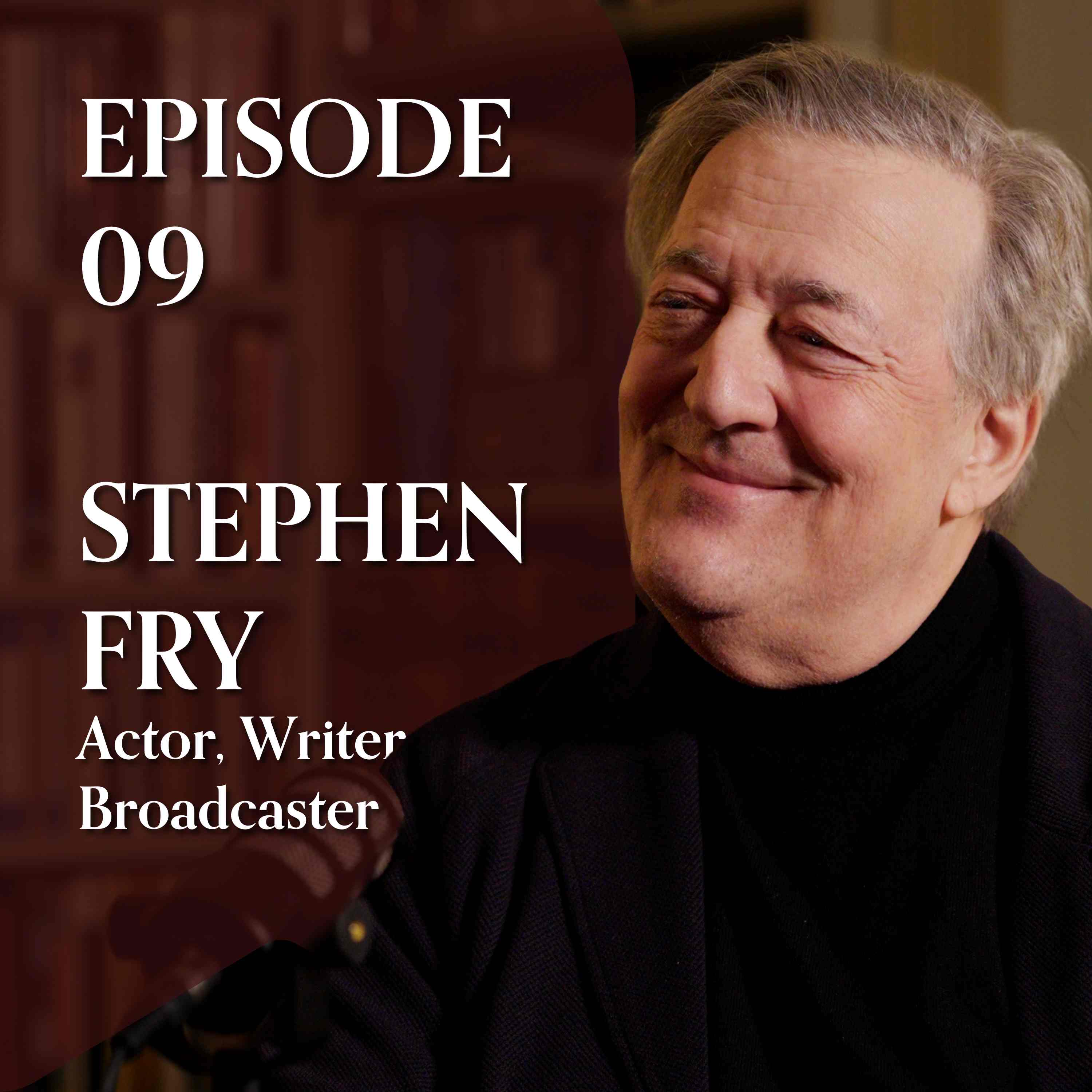
E9 - There Is No Perfect Word | with Stephen Fry
What if words can never mean exactly what we want them to mean? Stephen Fry has spent a lifetime exploring language: writing it, performing it, studying its history, and delighting in its strange contradictions. In this final episode of Season One, we sit down with Stephen to explore what words can and perhaps cannot do. We begin with “happy”, a word Stephen traces back to hap, meaning chance or what happens. From there, the conversation opens into a much bigger question: if language is metaphorical, and words can never map perfectly onto the things they describe, how do we ever understand…
-
S1 · E8 · 23 Sep 2026 · 57 min
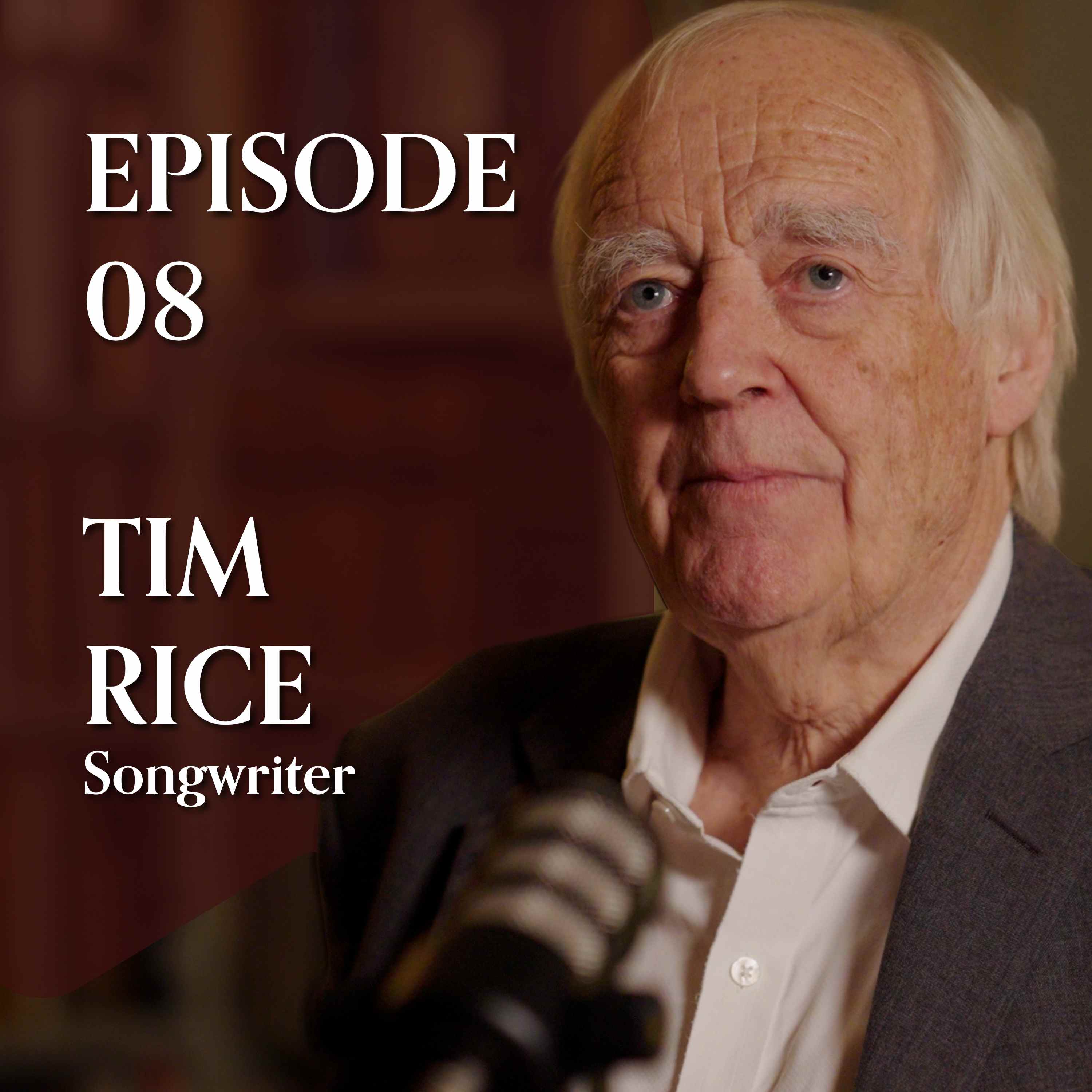
E8 - The Words Behind the Songs | with Tim Rice
Today, Wodcast sits down with Sir Tim Rice one of the world's most celebrated lyricists and one of only a small number of people to have won an Emmy, Grammy, Oscar and Tony, for a wide-ranging conversation about words, songwriting, storytelling and the strange alchemy of turning language into something that lasts. From Jesus Christ Superstar, Evita and Chess to The Lion King and Aladdin, Tim has written some of the most recognisable lyrics of the last half-century. But this conversation is less about the hits themselves and more about what happens inside the words: how a lyric comes…
-

S1 · E6 · 26 Aug 2026 · 48 min
E6 - What If Surrender Is a Form of Creation? | with Nick Mulvey
What if surrender isn't the opposite of creation, but part of it? Today, the Wodcast sits down with musician and songwriter Nick Mulvey for a wide-ranging conversation about words, music, faith, creativity and the things that can only be felt beyond language. Nick arrives with the word “yield” a word that can mean both to produce and to surrender. From this apparent contradiction, the conversation opens into a deeper exploration of creativity, control and what happens when we stop trying to do everything ourselves. Nick reflects on the role surrender has played in his own life, and why he…
-
S1 · E5 · 12 Aug 2026 · 1 hr 1 min
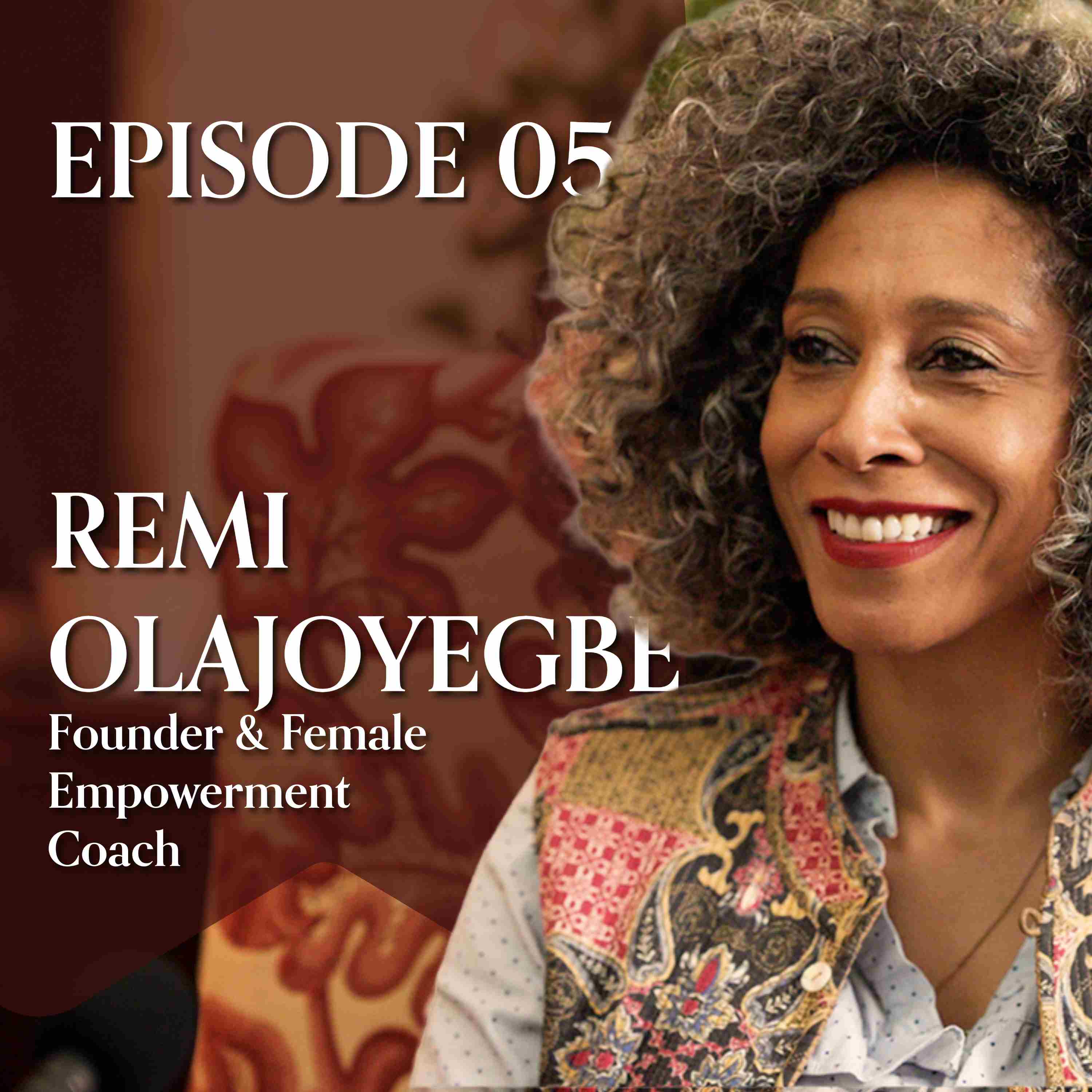
E5 - Isumataq: Where wisdom reveals itself | with Remi Olajoyegbe
What lies in the silence between who we have learned to be and who we are becoming? Today, the Wodcast sits down with Remi Olajoyegbe, founder, female empowerment coach, business leader, co-founder of Medicine Festival and founder of the Isumataq Collective, for a deeply personal conversation about success, transformation, grief and what it means to live and lead from a place of wholeness. Having built a highly successful career in investment banking, Remi reflects on what she calls “the void of success”: reaching the milestones, ticking the boxes and receiving the external validation, while…
-
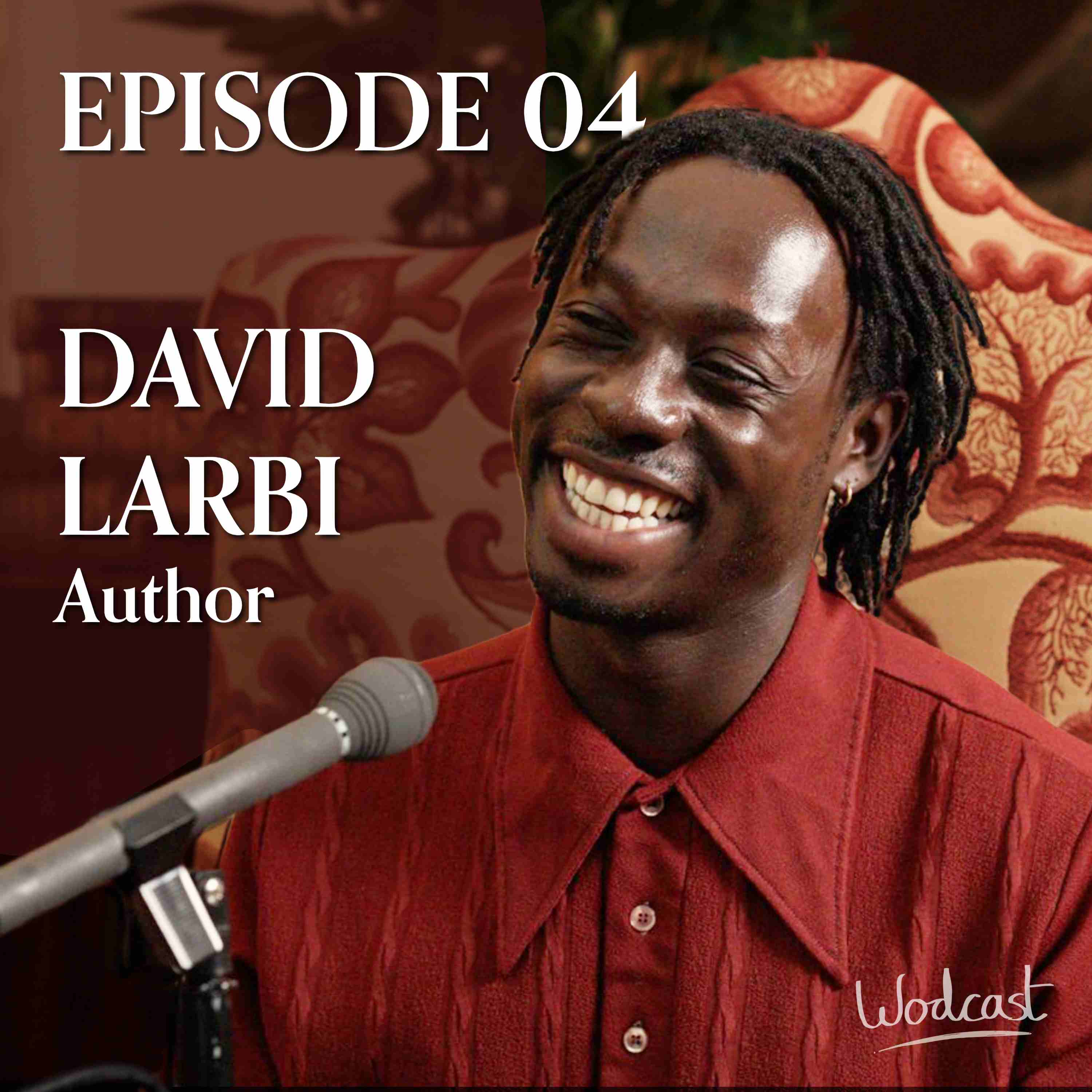
S1 · E4 · 29 Jul 2026 · 1 hr
E4 - The Courage to Be Frequently Happy | with David Larbi
What does it take to become Frequently Happy? Today, the Wodcast sits down with David Larbi, poet, bestselling author of Frequently Happy, and one of the UK's most thoughtful voices on joy, creativity and emotional wellbeing, for a deeply reflective conversation about poetry, presence and the courage it takes to live authentically. Together they explore why happiness begins with contentment, the relationship between creativity and self-discovery, and how words can help us better understand our emotional landscape. Along the way, they discuss burnout, boundaries, the importance of silence in…
-
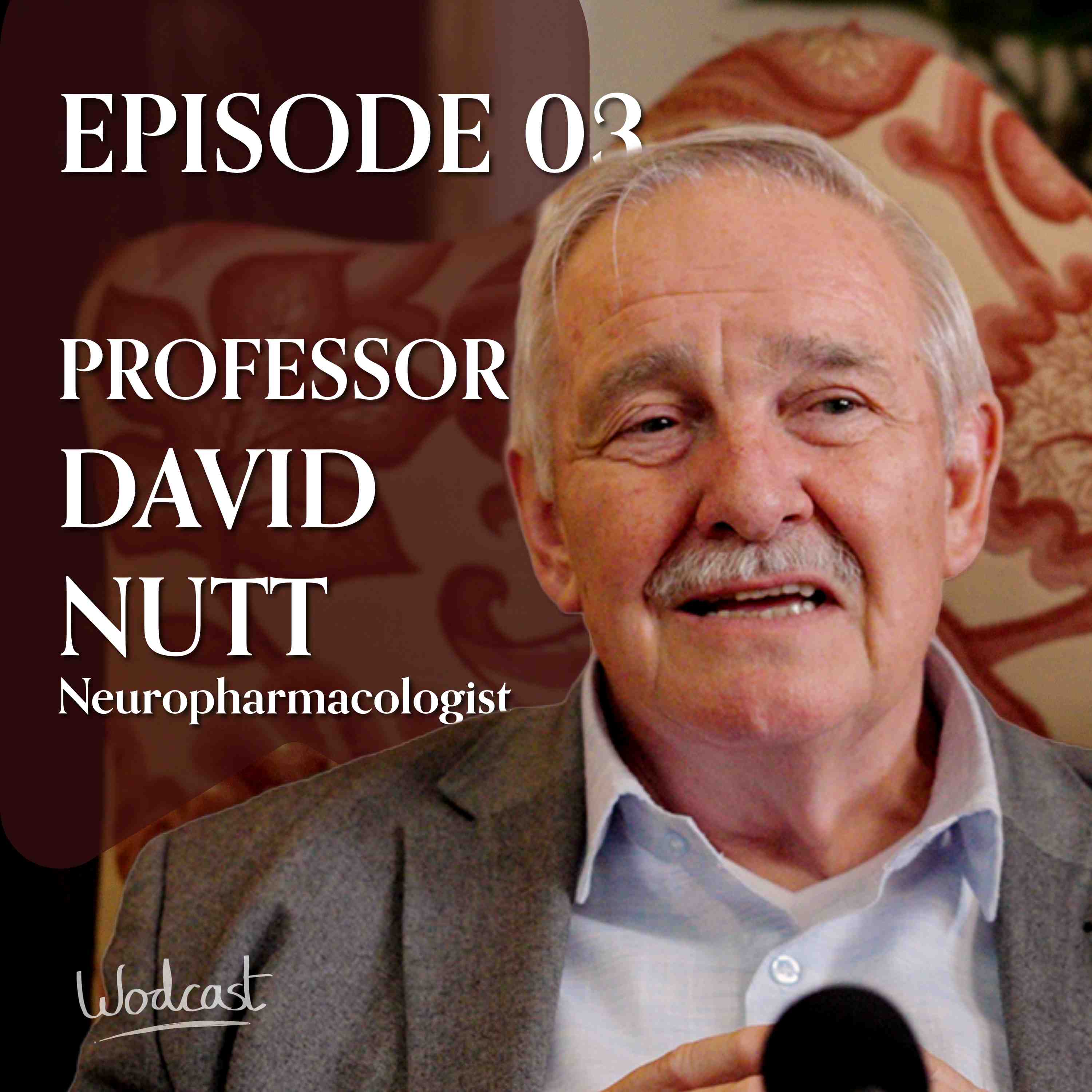
S1 · E3 · 15 Jul 2026 · 1 hr 10 min
E3 - Can You Make Empathy Illegal? | with Professor David Nutt
What happens when language becomes more powerful than evidence? Today, the Wodcast sits down with Professor David Nutt, one of the world's leading neuropsychopharmacologist, psychiatrists and consciousness researchers, for a thought-provoking exploration of language, consciousness and the extraordinary power of words to shape how we think, feel and act. Together they discuss the origins of the word psychedelic, why MDMA was originally called empathy, how language has influenced public perception and policy, and what happens when words become more powerful than evidence. Along the way, they…
-
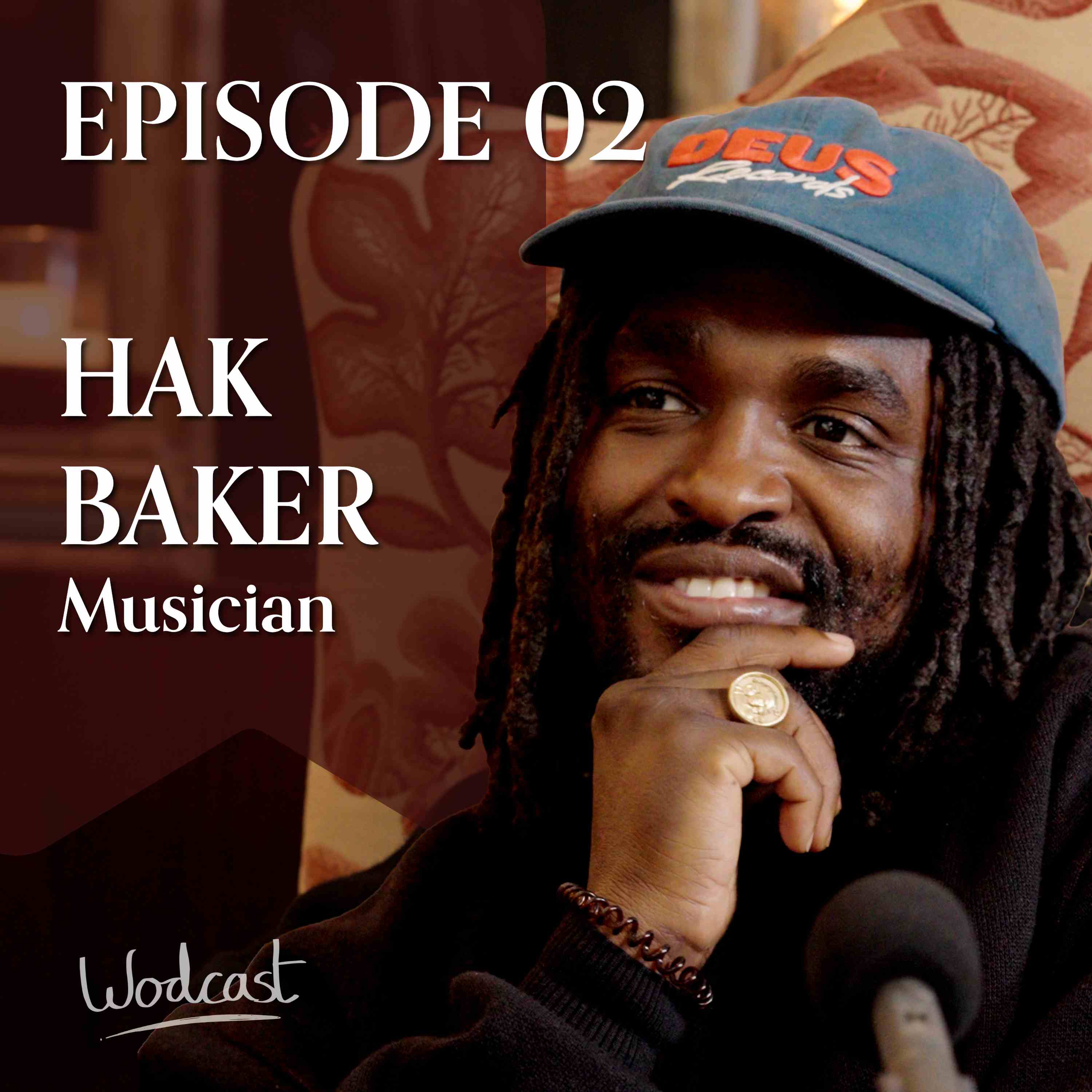
S1 · E2 · 1 Jul 2026 · 1 hr 12 min
E2 - Why Romance Needs to Come Back | with Hak Baker
What if romance wasn't just about falling in love? In this conversation of the Wodcast, musician, songwriter and poet Hak Baker joins Benjamin Aston and Mabel Evans for a wide-ranging exploration of romance, brotherhood, community and the courage it takes to change. Together they discuss the forgotten meaning of romance, why transformation is rarely a solitary act, and the idea of slaying the dragon within - the lifelong battle to confront our fears, ego and destructive patterns. Through stories of growing up in East London, finding his voice through music, and building communities rooted in…

Take it with you
The Melo app keeps playing with the screen off, works in the car and on your watch, wakes you to your station, and browses the whole catalogue offline. Free, no ads, no account.


